





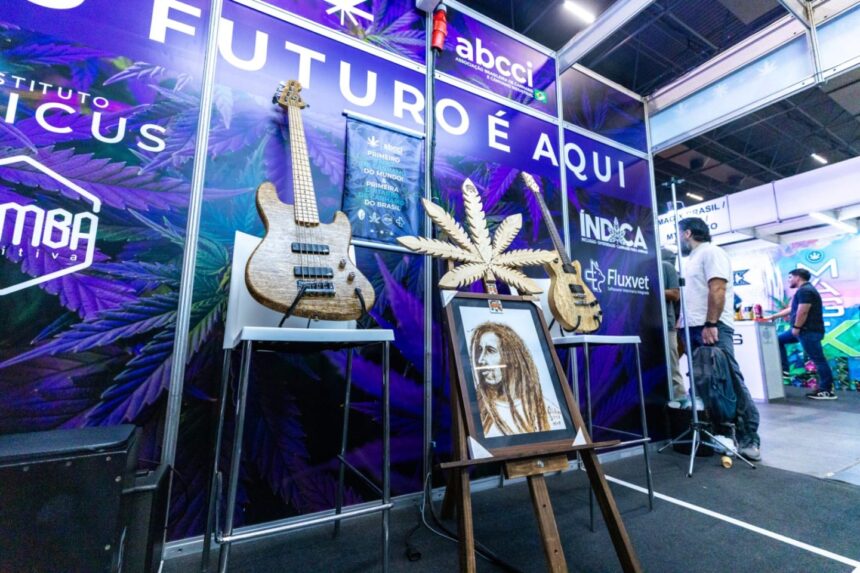
Who would have imagined that Latin America’s largest cannabis expo would take place in a country whose Congress still treats the subject with deep suspicion? Yet that is what unfolded as ExpoCannabis Brasil wrapped its third edition, the most ambitious so far, revealing a cannabis culture in Brazil that is expanding despite political obstacles.
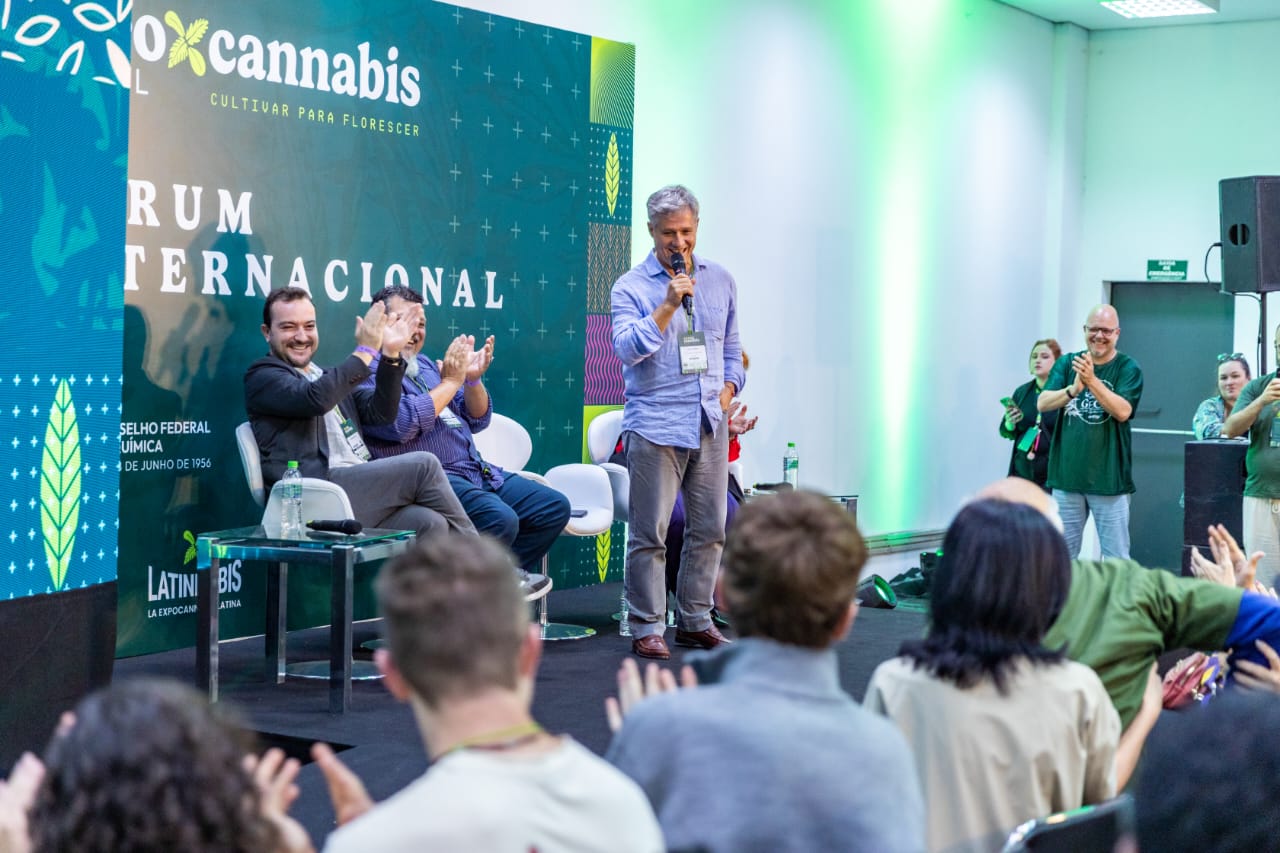
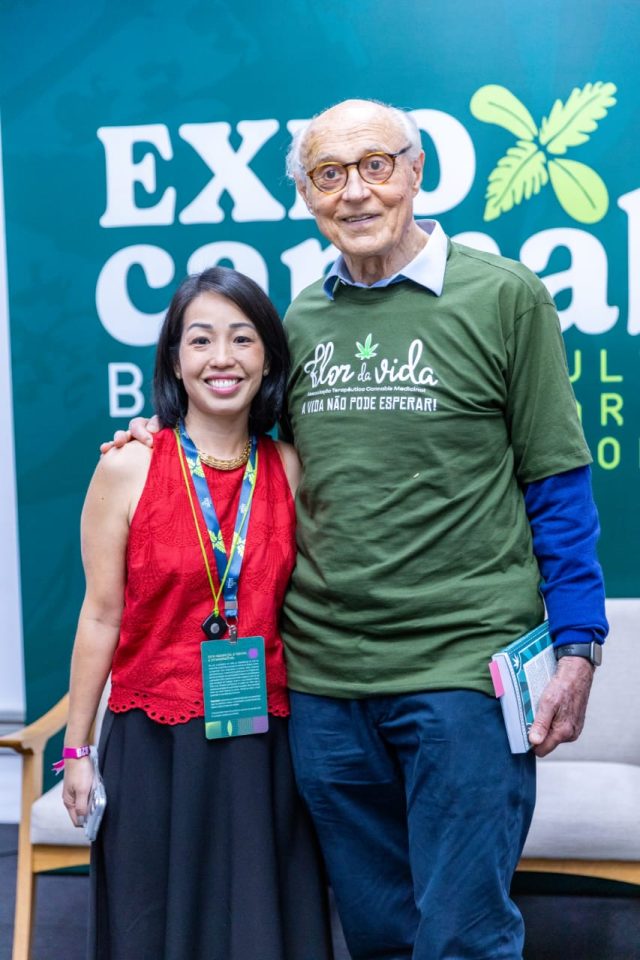
One of the event’s most symbolic moments came when Senator Eduardo Suplicy publicly shared his experience with medical cannabis treatment. For many attendees, it signaled a quiet but meaningful shift in the national conversation.
A Young Expo That Grew Into a Giant
In just three editions, ExpoCannabis Brasil has grown rapidly and now rivals long-established fairs in other parts of the region. The Brazilian event builds on ExpoCannabis Uruguay, a pioneering format created more than a decade ago by communications professional Mercedes Ponce de León, who developed the concept and name in Uruguay before partnering with Larissa Ushida and Dave Coutinho to bring the brand to São Paulo. Organizers report the following results for this year:
• 42,000 visitors over three days
• 250 exhibitors
• 284 brands
• An estimated $2 million generated
Beyond the numbers, the diversity of Brazil’s cannabis ecosystem stood out. Associations, NGOs, social movements, clubs, startups, international companies and local artisans all shared space. The atmosphere reflected a community that is still forming its identity but already understands its cultural and economic potential.
Organizers built the Expo around four pillars: social impact, culture, health and business. Each one shaped the experience in distinct ways.
The Social Pillar: Access and Activism
In a country where cannabis access remains a social justice conversation, inclusion set the tone. Discounted ticket programs helped ensure broad participation.
The “Cannabis É Plural” hub brought together medical cannabis associations, local organizations and major social movements such as Marcha da Maconha and Marcha das Favelas. Brands like Bem Bolado used their platforms to promote education and awareness rather than focus solely on product promotion.
Workshops and lectures ran throughout the event, featuring leaders from many fields. NGOs such as Instituto Ficus contributed research and context. To close the programming with institutional weight, EMBRAPA, Brazil’s federal agricultural research agency, delivered a well-attended lecture.
Organizers state that, as in previous years, ExpoCannabis Brasil will produce a report on greenhouse gas emissions through the Getúlio Vargas Foundation and offset them through community-linked cannabis cultivation programs. They also claim to be the only event of their kind working to fully offset environmental impact and manage all waste generated during the expo.
The Culture Pillar: Art and Identity
Cannabis culture filled every corner of the Expo. Concerts animated the main stage. Performers, musicians, designers and visual artists brought movement and color to the venue.
Art spaces featured paintings, photography, sculpture, graphic art, magazines such as Kamahzine, newspapers like Folha da Cannabis and books including “Maconha no Brasil Contemporâneo”, which pays tribute to designer ZANON.
Digital creators were also present. Mundo da Cannabis, Social Weed, Cannabis Monitor Brasil, Smoke Buddies, El Planteo and the newly launched High Times Brasil amplified coverage throughout the weekend.
Cultural sponsors made a visible impact. The team behind SQUADAFUM SMOKING CULTURE built an immersive booth that blended design, lighting and atmosphere, highlighted by the presence of founder Jah Rros.
The Health Pillar: A Growing Medical Landscape
Some of Brazil’s most significant cannabis developments continue to emerge from the medical sector. This year included the first edition of the Dr. Elisaldo Carlini Scientific Congress, named for the renowned Brazilian physician and researcher. Dozens of health professionals participated and fifteen scientific papers were presented, including the congress’s first-place winner.
International companies such as Erth Wellness joined Brazilian institutions like Abrace, the country’s first medical cannabis association, and ABECMed, the only association authorized to sell cannabis flowers to its members.
Legal specialists, including Dr. Ladislau Porto and firms like FCM Law, outlined current legal pathways for patients seeking authorization for personal cultivation or protection for carrying prescribed medicine.
Seed companies were also well represented. DNA Genetics, Dutch Passion, Flora Urbana and others showcased genetics alongside extraction equipment, trimming technologies and modern grow tools.
The Business Pillar: A Sector in Expansion
Business activity was intense throughout the Expo. Brazil’s cannabis industry is expanding in retail, cultivation, design and industrial hemp. Leaders such as musician and entrepreneur Luis Maurício, president of ABCCI, highlighted opportunities and ongoing policy challenges.
Major brands used the event to unveil new identities and partnerships. PAPELITO, Brazil’s first rolling paper manufacturer, presented a new logo. PUFF LIFE, founded by Felipe and active since 2015, introduced new product collaborations, including with RAW LIFE.
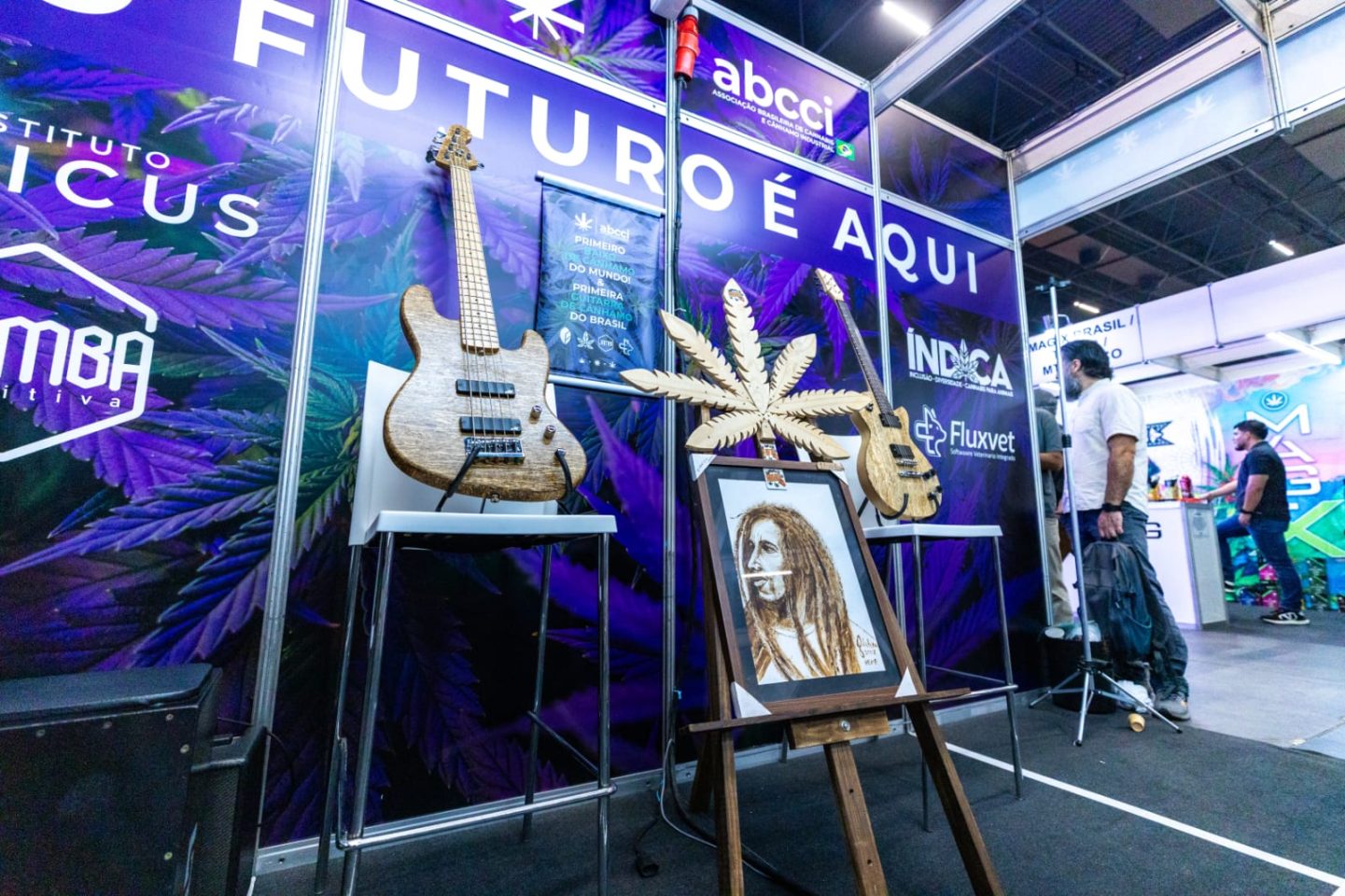
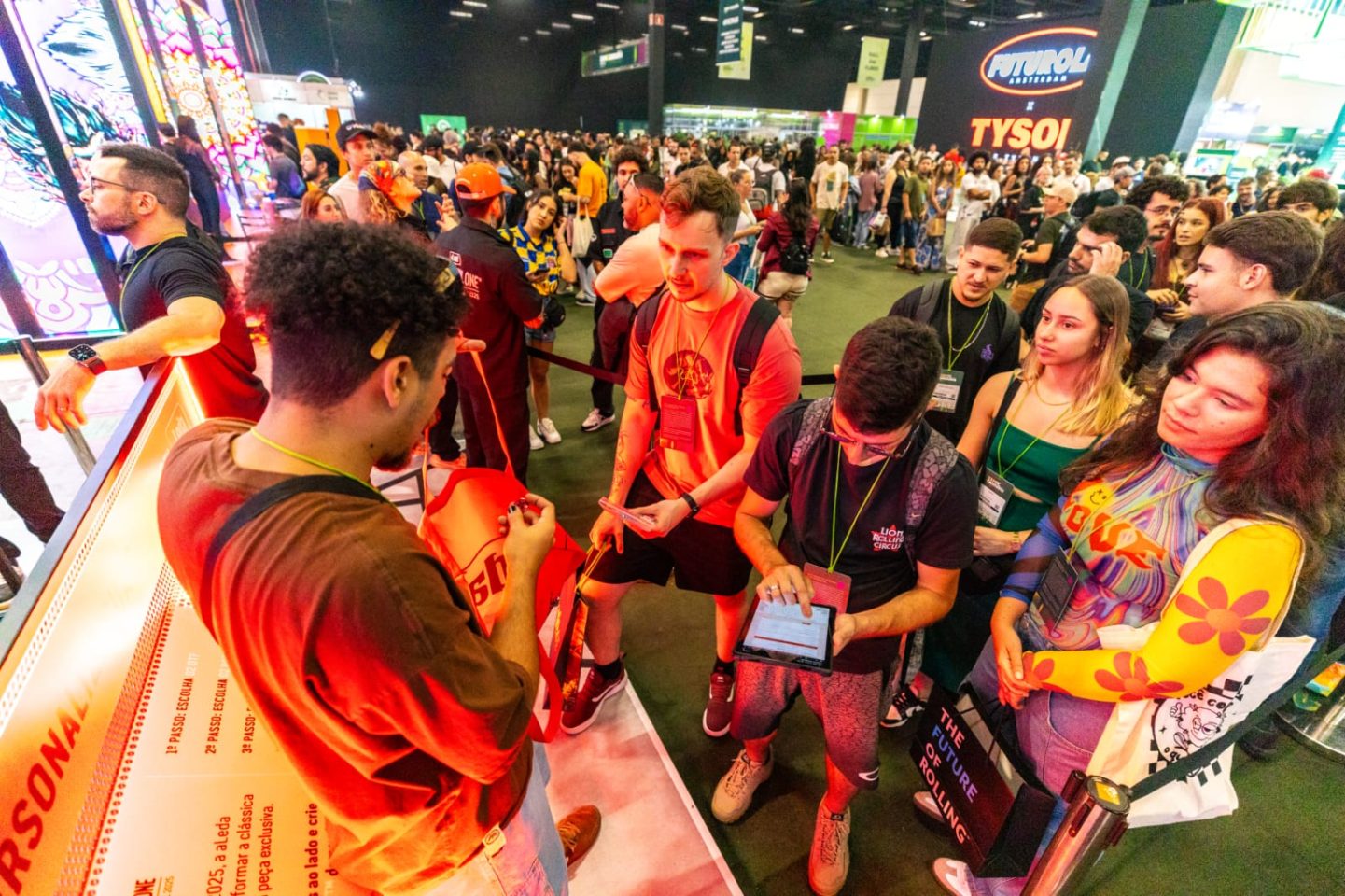
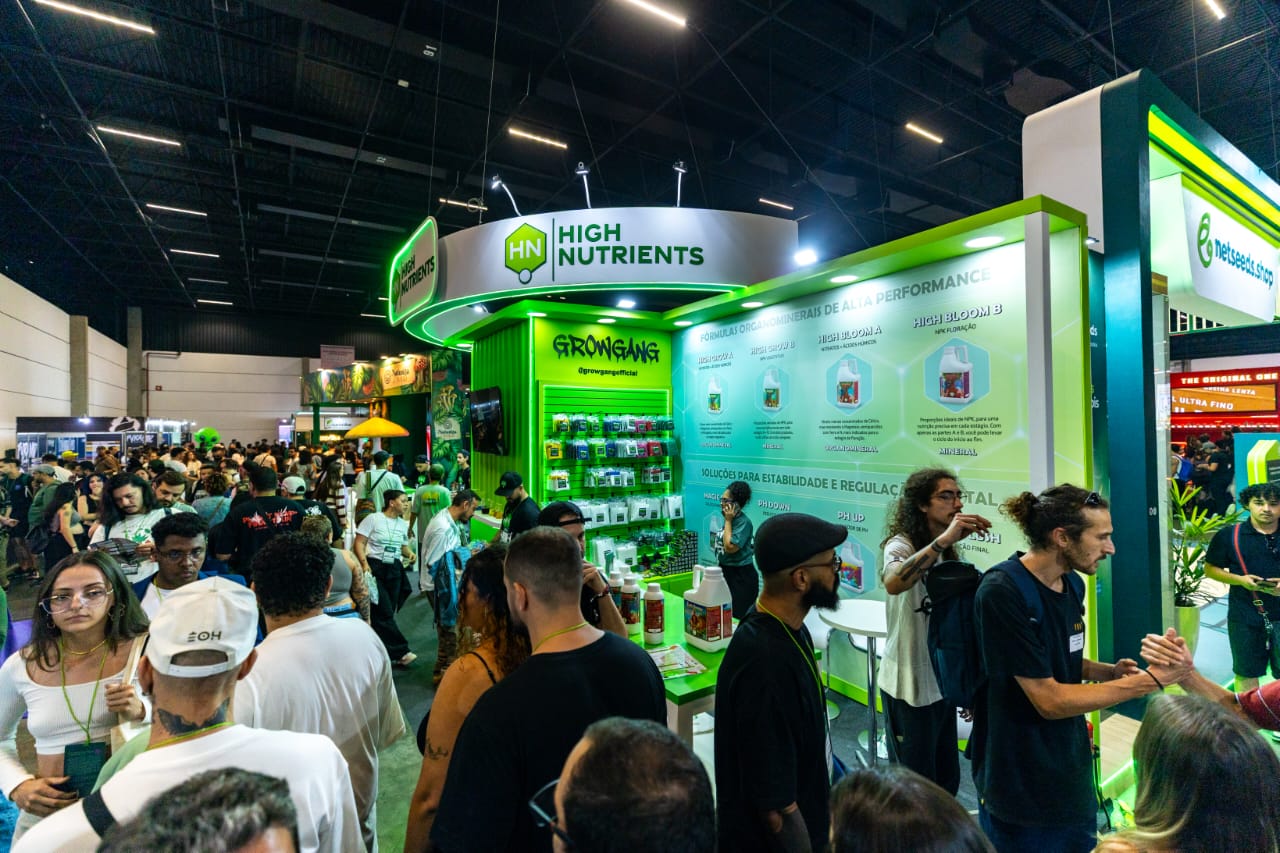
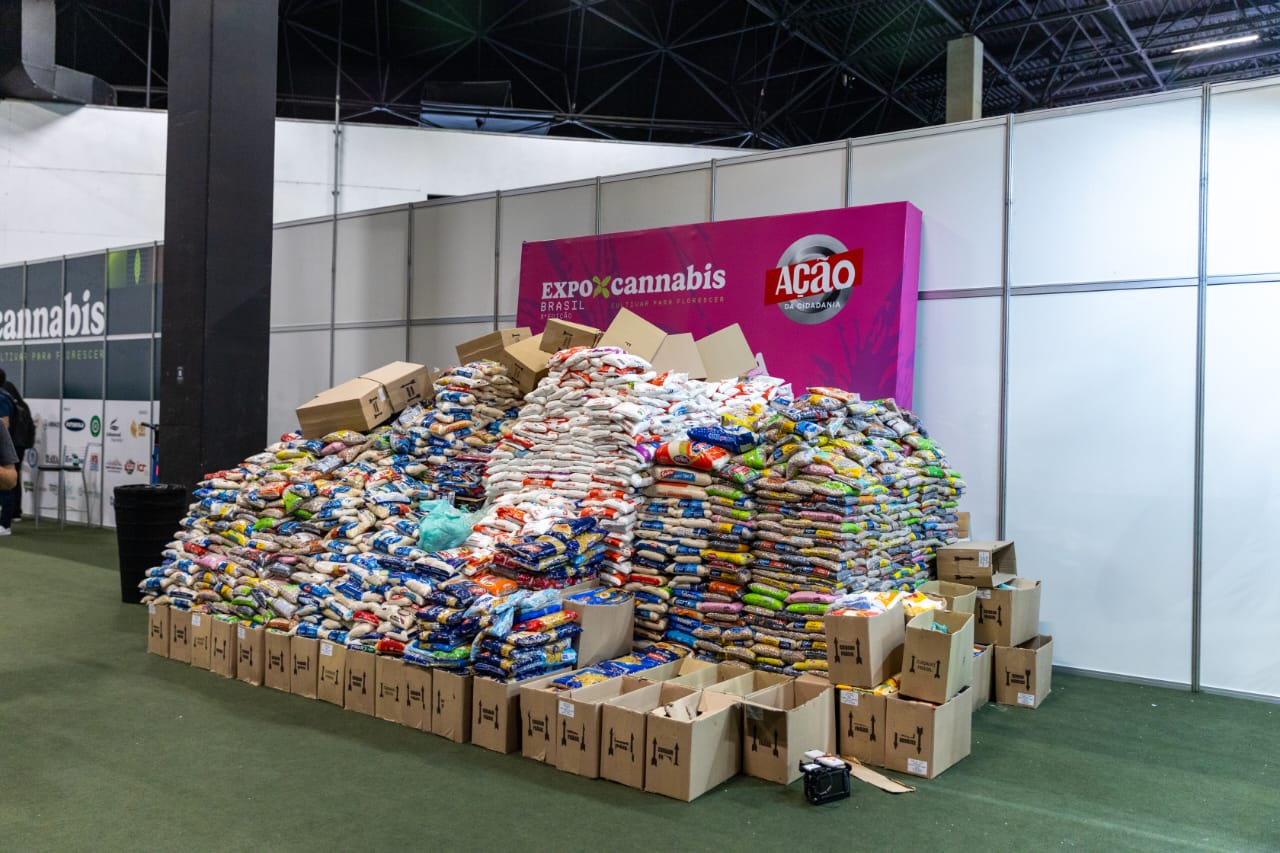
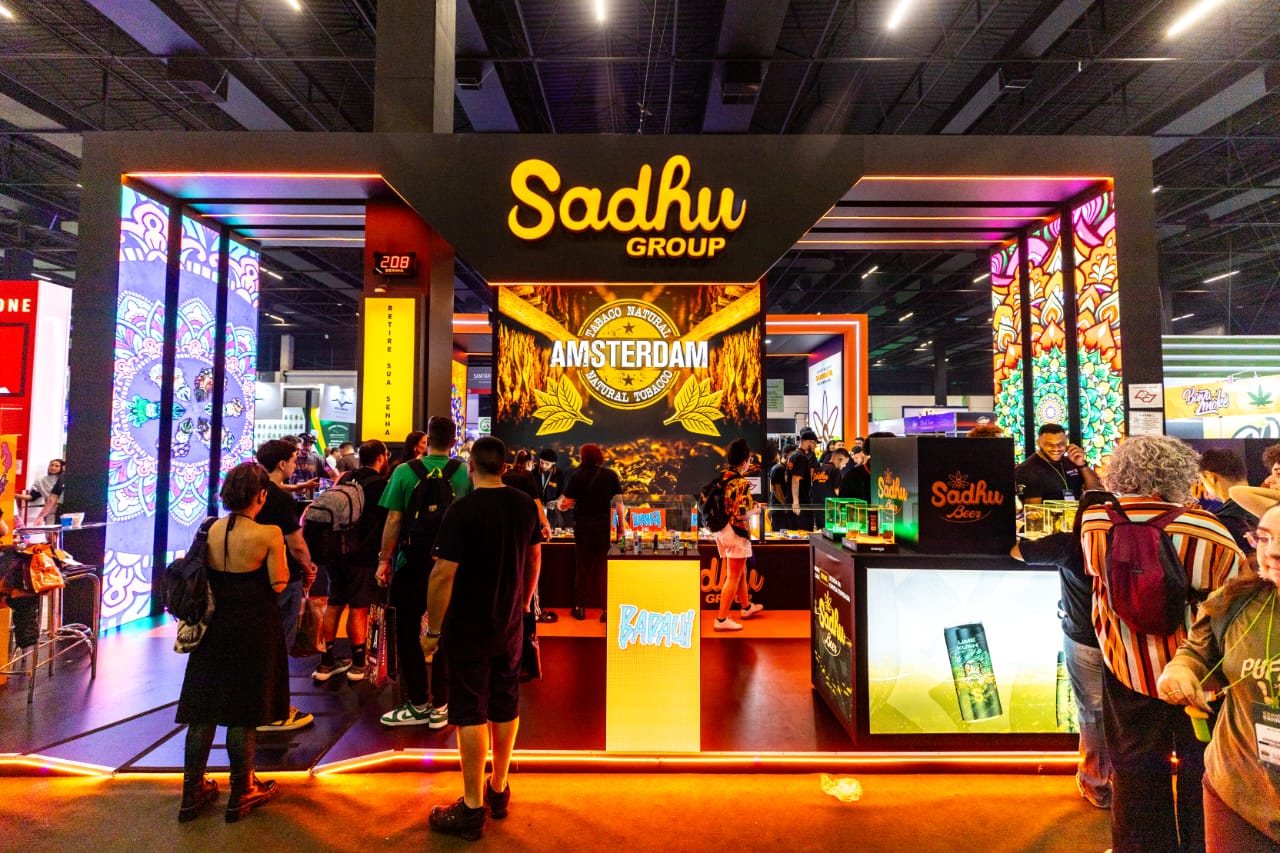
Brazilian companies were prominent across the venue. Gorilla Social Club, founded by Rio native Carlos Gusmão and now present in cities from Barcelona to Bangladesh, drew constant traffic. Other recognized names included aLeda, King Paper, the HBT Group led by brothers Renato and Giorgio Volonghi and Sadhu Company, which received the award for Best Booth.
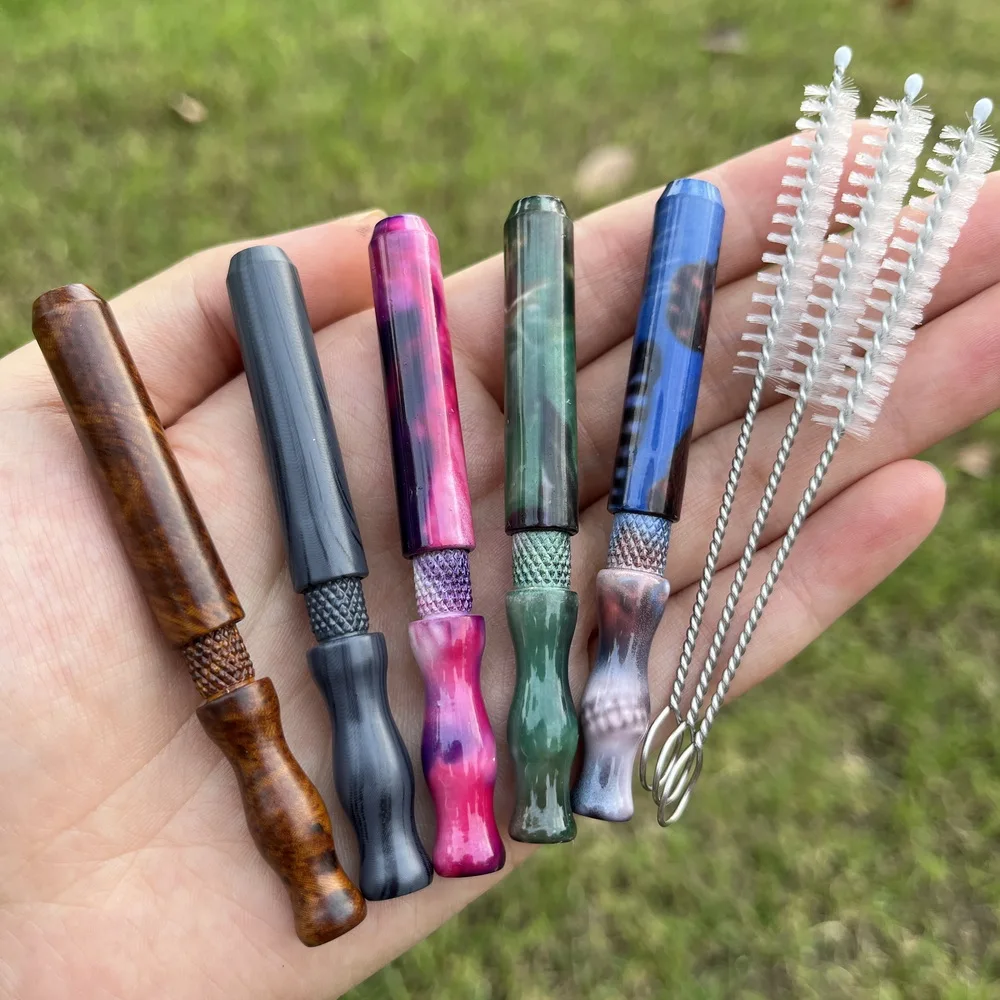
Artisan creators were also in the spotlight. Flora Sesh from Santa Catarina attracted attention with handmade bowls that have developed a strong national following.
So… Is This the Biggest in Latin America?
After three days of full halls and continuous programming, many visitors left asking the same question: “When do next year’s tickets go on sale?” If the event keeps this pace of growth, it may soon redefine the scale and ambition of cannabis gatherings in Latin America.
This article is from an external, unpaid contributor. It does not represent High Times’ reporting and has not been edited for content or accuracy.