




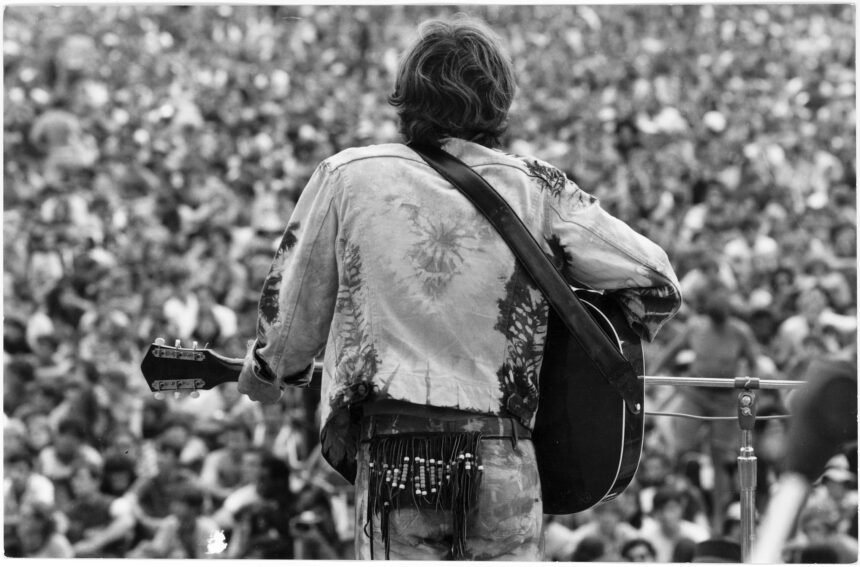
Woodstock is one of those words that still carries heat. It’s the 1969 festival mythos, the long shadow it cast over American counterculture, and the way cannabis quietly threaded through that era’s music, politics, and refusal to play along. It’s also a real place—Woodstock, New York—where the vibe isn’t a slogan so much as a lived-in current that runs through every record shop, gallery, and mountain road.
For over half a century, “Woodstock” has meant something: a moment when peace, love, and music collided with a generation’s refusal to accept the official story about war, freedom, or the plant that became a symbol of rebellion. Now, Woodstock is also a cannabis brand trying to do something harder than printing their iconic dove and guitar on packaging: deliver products that feel worthy of the name.
In a legal market full of loud promises and short attention spans, Woodstock Cannabis is staking its claim on whole-plant quality, culture-forward storytelling, and a consumer experience that’s more than the THC count. The mission isn’t nostalgia. It’s delivering on the values that made Woodstock matter in the first place—authenticity, community, and questioning authority.
Questioning Authority Since 1969
If there’s a through-line connecting Woodstock the festival to Woodstock the cannabis brand, it’s the same instinct that built High Times: questioning authority.
Martin Mills, who helps manage the Woodstock Cannabis brand in New York and New Jersey, put it plainly: “High Times was questioning what the norm was on cannabis for as long as the Woodstock generation.” Both brands were born from the same cultural movement that insisted cannabis wasn’t what the government claimed it was.
That shared DNA matters because it’s not just branding—it’s mission. For more than a century, cannabis has been wrapped in prohibition lies. High Times carried the counter-narrative through the media. Woodstock carried it through music and culture. Now, in the legal era, Woodstock Cannabis carries it through meticulous product quality and, of course, music and the arts.
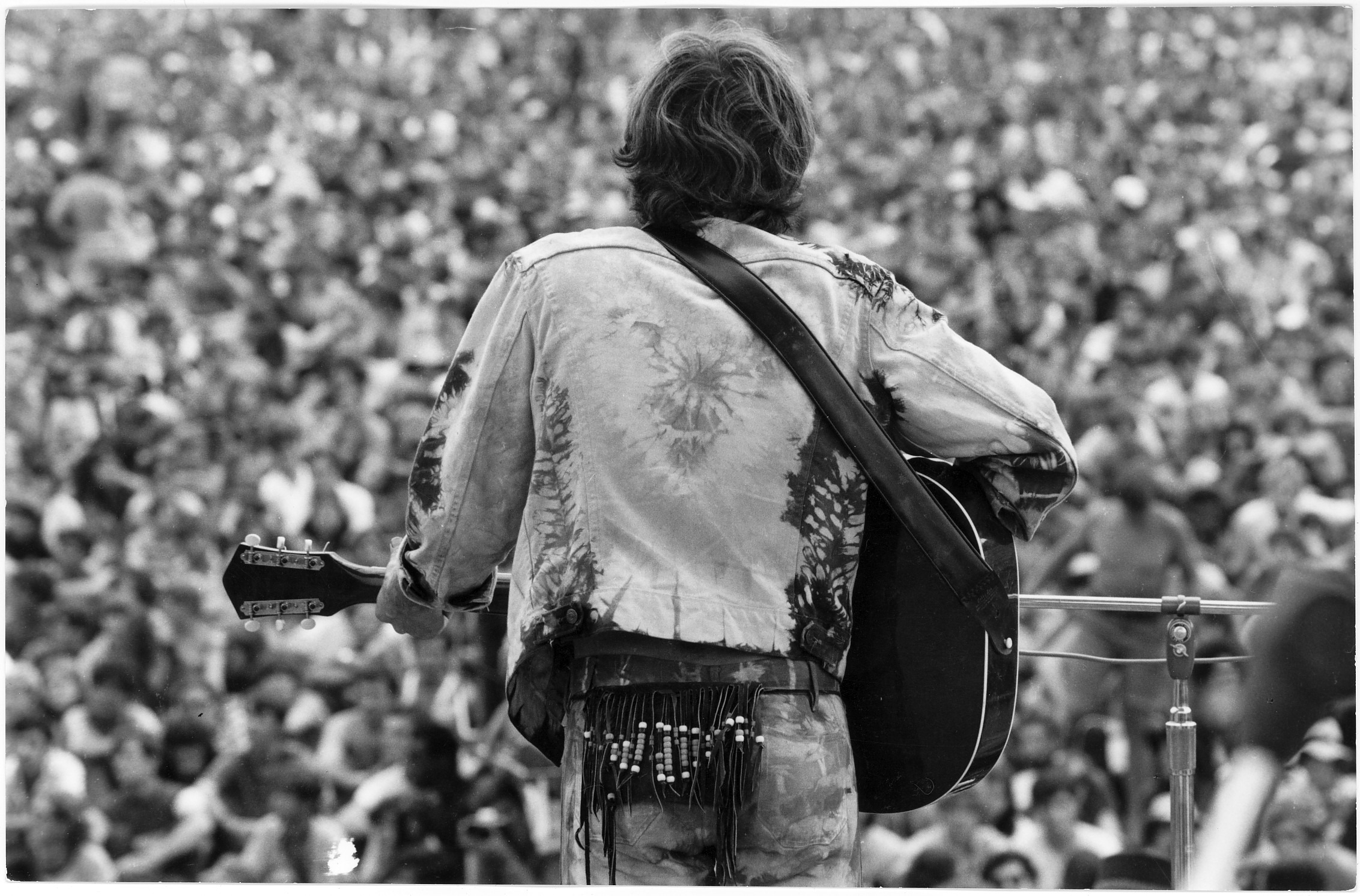
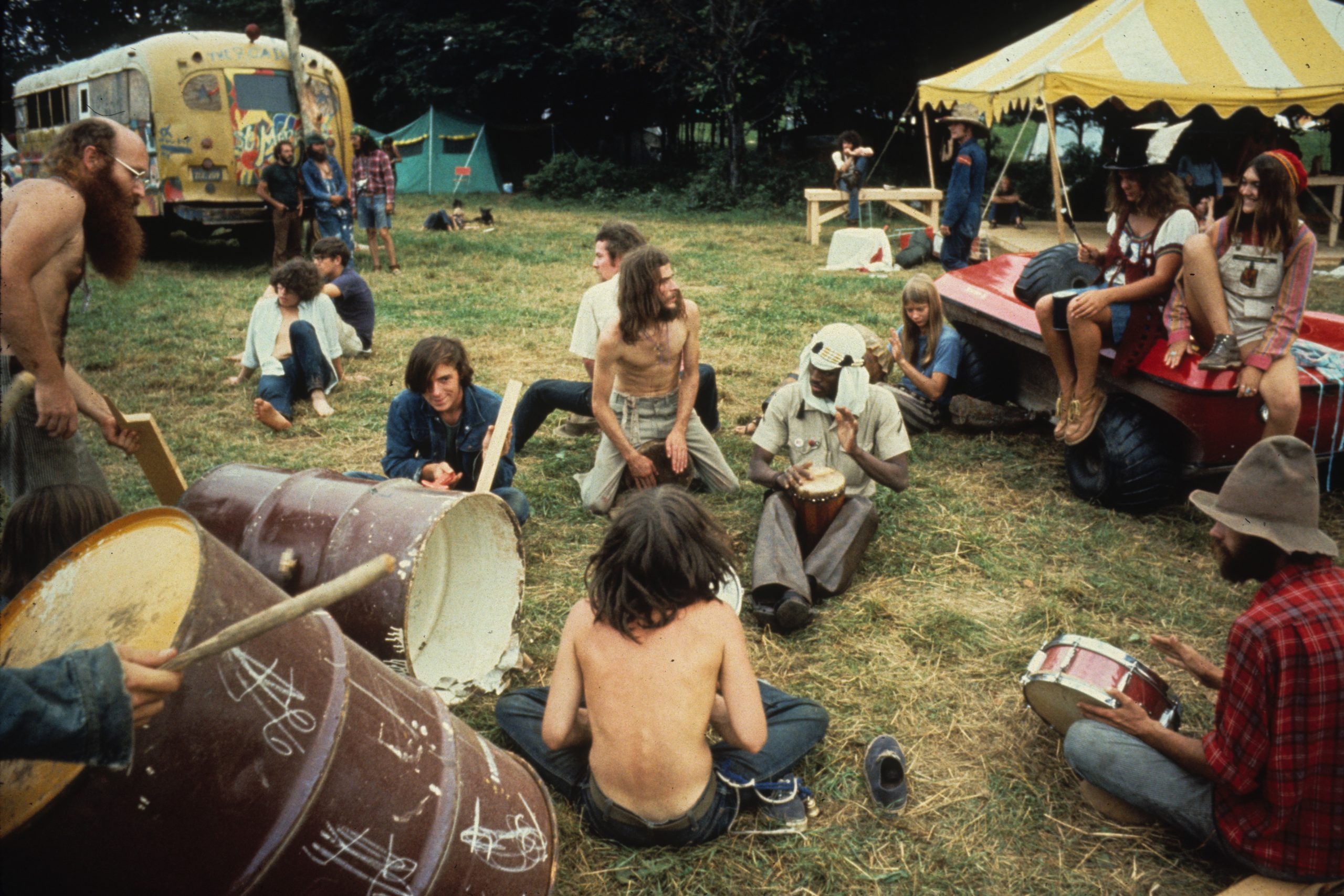
The 1969 Woodstock Festival, where cannabis, music, and counterculture converged into a movement that would define a generation.
Honoring the Whole Plant
The Woodstock generation didn’t just show up for three days of music in 1969. They showed up to reject what was happening around them: war, injustice, racism, and a system that told them what to think. Cannabis was part of that rejection—a plant that represented freedom, community, and a refusal to play by rules designed to control.
Woodstock Cannabis isn’t trying to recreate 1969. It’s trying to honor what that moment represented: authenticity over hype, community over profit, and a belief that culture—music, art, conversation—can change the world.
That philosophy shows up in how the brand thinks about its products. “We focus on whole plant products,” Mills explained. That means full-spectrum thinking: terpenes, minor cannabinoids, not just THC potency. It means pre-rolls made with “whole flower”—never shake, never trim. It means vapes made with live resin or whole-cured resin, not distillate shortcuts with added flavoring.
“We don’t add potent THC or terpenes from other plants,” Mills said. “We add the extract that’s coming from the material that we’re using to make it.”
That whole-plant philosophy shows up across Woodstock’s product line: pre-rolls filled with whole flower (never shake or trim), full-spectrum vapes using live resin and whole cured resin, and a hemp beverage line that layers minor cannabinoids with functional mushrooms like Lion’s mane, reishi, and cordyceps. It’s cannabis designed for the effect, not just the number.
It’s a standard people can understand immediately, and it’s a way to bring the conversation back to the plant itself rather than letting the experience get hijacked by potency culture.
The pitch isn’t “ours is better.” It’s “know what you’re buying.” In a market where shelves are crowded, and consumers get rushed, that distinction matters.
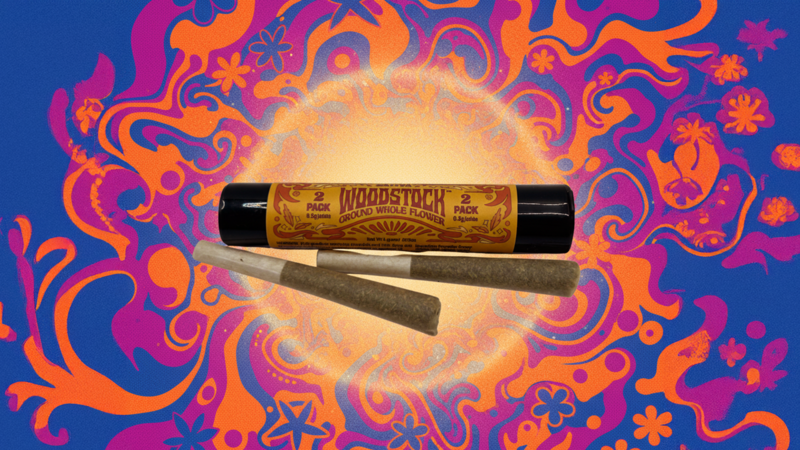
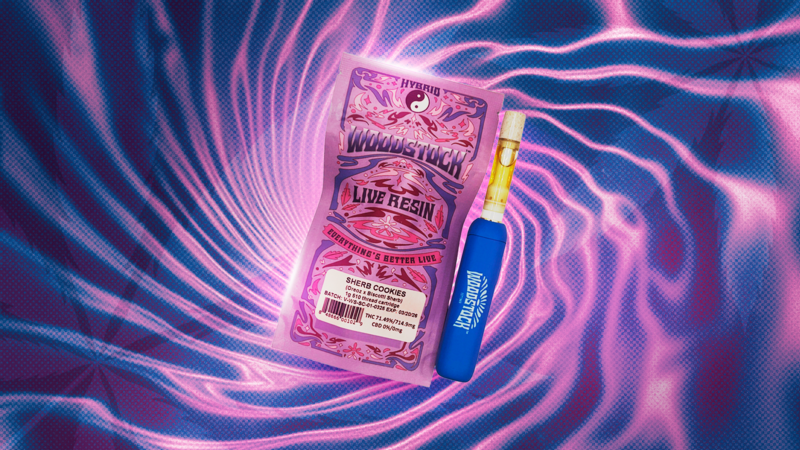
Never shake, never trim: Woodstock’s pre-rolls use whole flower, and their vapes prioritize live resin and whole cured resin over distillate shortcuts.
When Music Does the Marketing
Woodstock can’t separate itself from music without losing the plot. Mills doesn’t treat music like a marketing theme. He treats it like the most natural environment for cannabis to make sense.
“Nothing is better than smoking a joint at a concert and listening to music,” he said, describing music as a way to “break down the barriers” and help people seek something beyond their daily routine. “Seeking is the backbone to revolution. Seeking is the backbone to discovering music, and seeking is the backbone to discovering cannabis.”
That matters because, as Mills pointed out, dispensaries remain confusing for many shoppers. “When a customer comes into a dispensary, it’s confusing,” he said. “There’s not a lot of brand recognition. There’s not a lot of knowledge around all the products available… People don’t know the difference between a distillate vape and a full-spectrum resin or rosin vape.”
So Woodstock’s job—beyond showing up on dispensary shelves—is to educate in the places people actually feel open: live music, cultural events, moments where someone might ask the right question and get a real answer. Education without a lecture. The old-school way: in the crowd, in the culture, with the music loud enough to make you feel open.
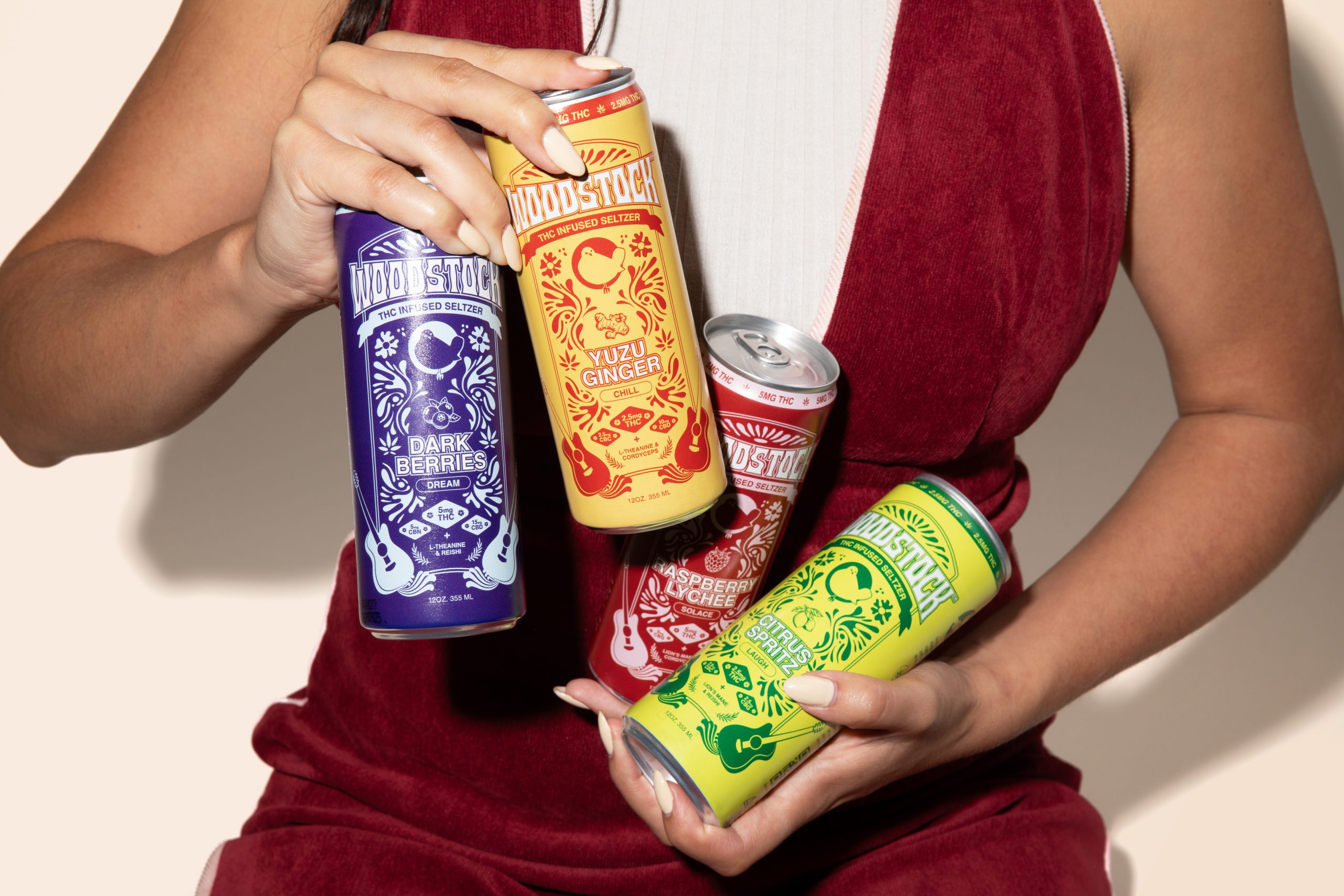
Woodstock Goods hemp beverage line now features six flavors ranging from 2.5mg to 10mg, enhanced with functional mushrooms and minor cannabinoids.
How the Outlaws Became the Stewards
Mills’ personal path to Woodstock is very on-theme for the era he fell in love with. He discovered the 1969 Woodstock documentary as a kid—”maybe 13, maybe 12″—and that first glimpse of cannabis on screen landed hard. “After seeing that movie, I was obsessed with 60s culture. I was obsessed with the music of that culture,” he said.
He lived on tour with Phish in the late ’90s and early 2000s, worked in cannabis in California during the prohibition era, and eventually landed in Woodstock, New York, with his wife, designer Erin Katigan. They started a “psychedelic rock and roll hotel” and lived what Mills called “the Woodstock lifestyle in real time.”
When New York legalization arrived, Mills connected with Radio Woodstock and helped create Cannastock—a series of cannabis events that introduced the Hudson Valley to what adult-use culture could look like. That led to a role managing the Woodstock Cannabis brand in New York and New Jersey, acting as both cultural steward and quality control voice.
His story matters not because it’s exceptional, but because it’s representative. Prohibition punished people like Mills for decades. Legalization gave them a chance to do it right—to build something that honors the plant, the culture, and the people who carried both through the dark years.
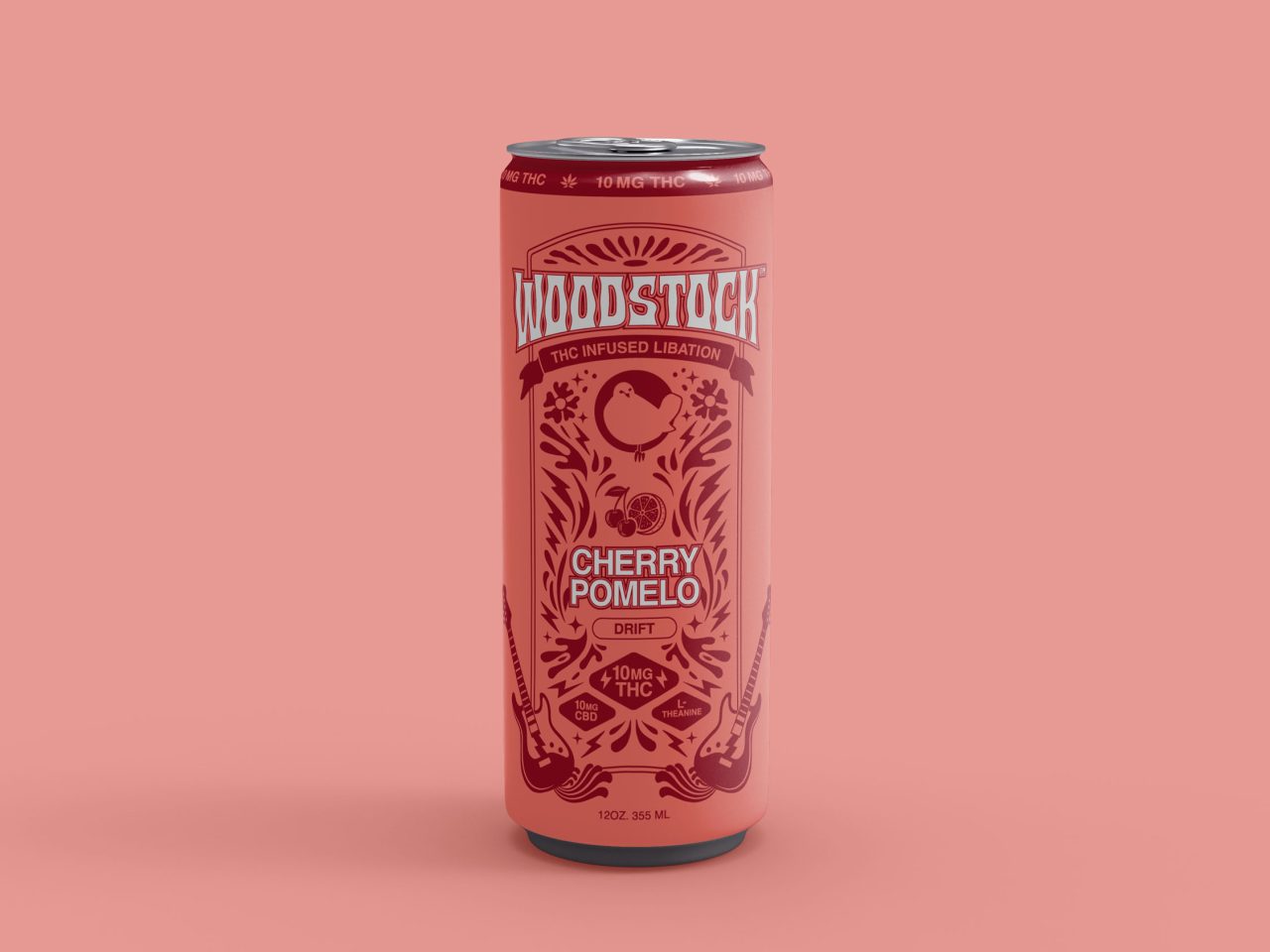
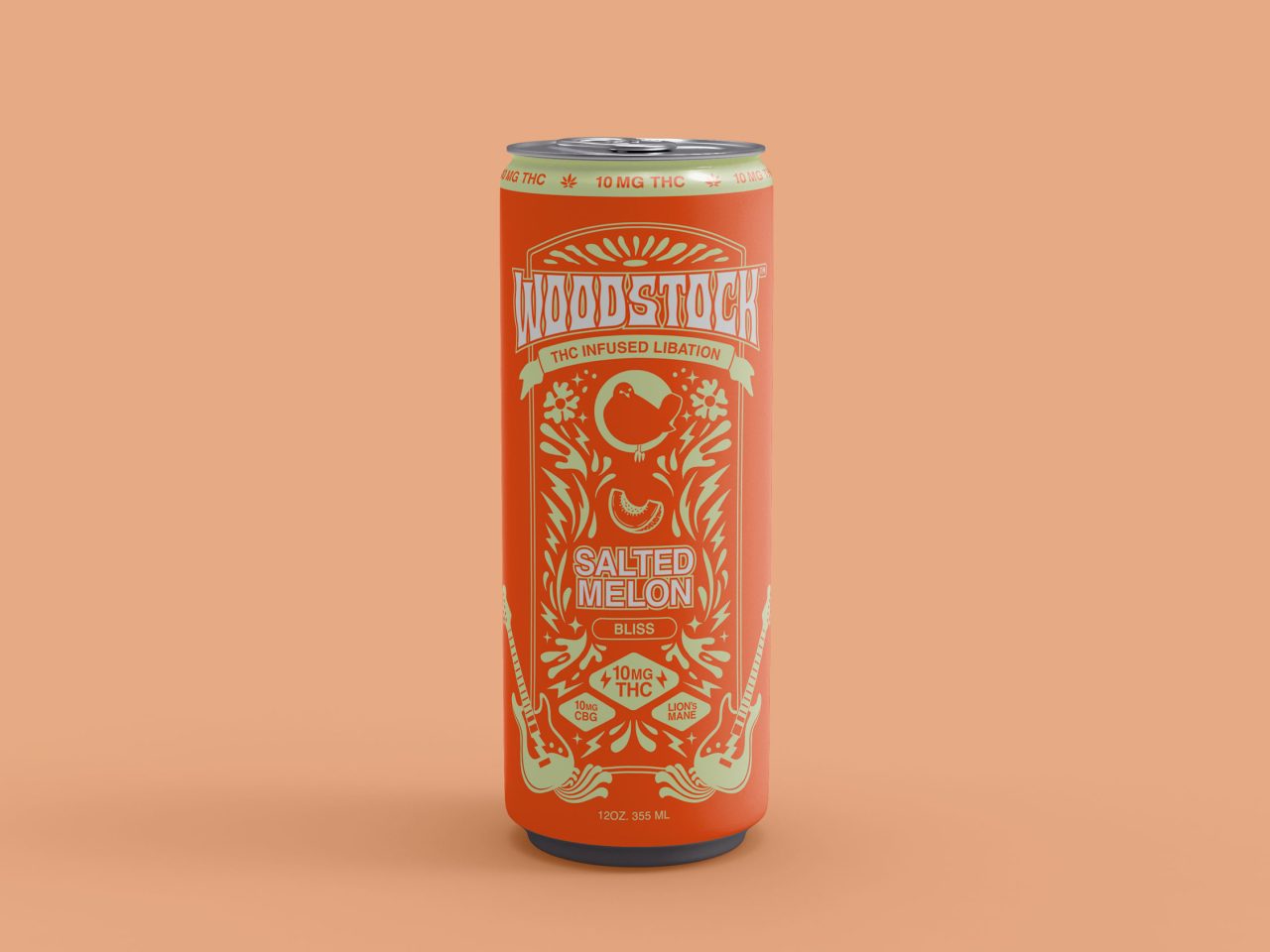
New Cherry Pomelo (Drift) and Salted Melon (Bliss) have 10mg of hemp derived THC for consumers seeking a stronger dose.
Woodstock in 2026: Same Values, New Formats
Woodstock is bigger than one person, one product line, or one moment in 1969. The name has survived because it represents a feeling people still want: community, music, rebellion, and the kind of freedom you can’t legislate into existence.
The question for the legal era is whether “Woodstock” can stand for quality, too—whether it can become a signal on shelves that means something beyond nostalgia. Woodstock Cannabis is trying to answer that with whole-flower standards, full-spectrum extraction choices, and hemp beverages designed for the next wave of social cannabis use.
The dispensary shelves carry those whole-plant pre-rolls and vapes. The hemp beverages reach beyond dispensaries entirely—available in select states for people looking to replace alcohol or unwind with something cleaner. This month, the Woodstock Goods’ beverage line is expanding with two new delicious 10mg flavors, Cherry Pomelo and Salted Melon.
The brand isn’t trying to recreate the past. It’s trying to prove that the values from that era—authenticity, community, questioning authority—still matter when you’re making product decisions in 2025.
If Woodstock keeps treating the name like a responsibility instead of a shortcut, the future looks less like a throwback and more like a continuation: new formats, new markets, same cultural spine.
To learn more about Woodstock—the town, the culture, and the brand—check out High Times’ video on YouTube.
All photos courtesy of the Woodstock Festival Archive and Woodstock Cannabis Co