



Photo by: Gina Coleman/Weedmaps
Image lightbox
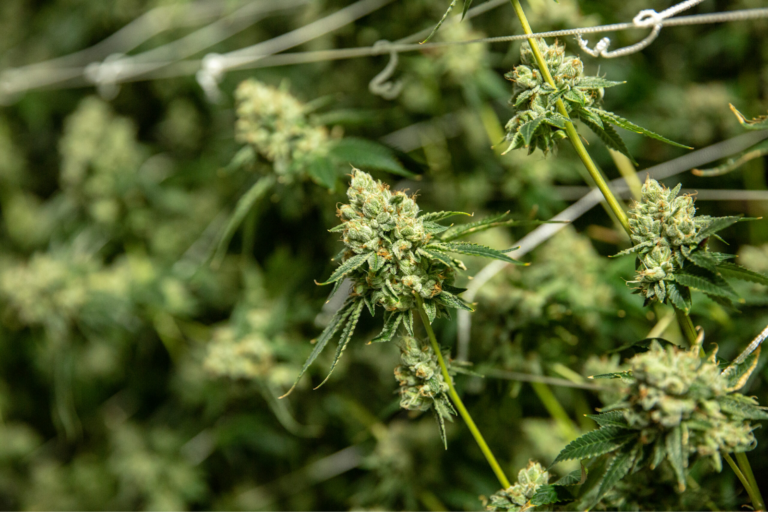
THCA and Delta-8 show up in a lot of the same cannabis conversations, but they’re not the same kind of cannabinoid — and the difference isn’t just chemistry trivia.
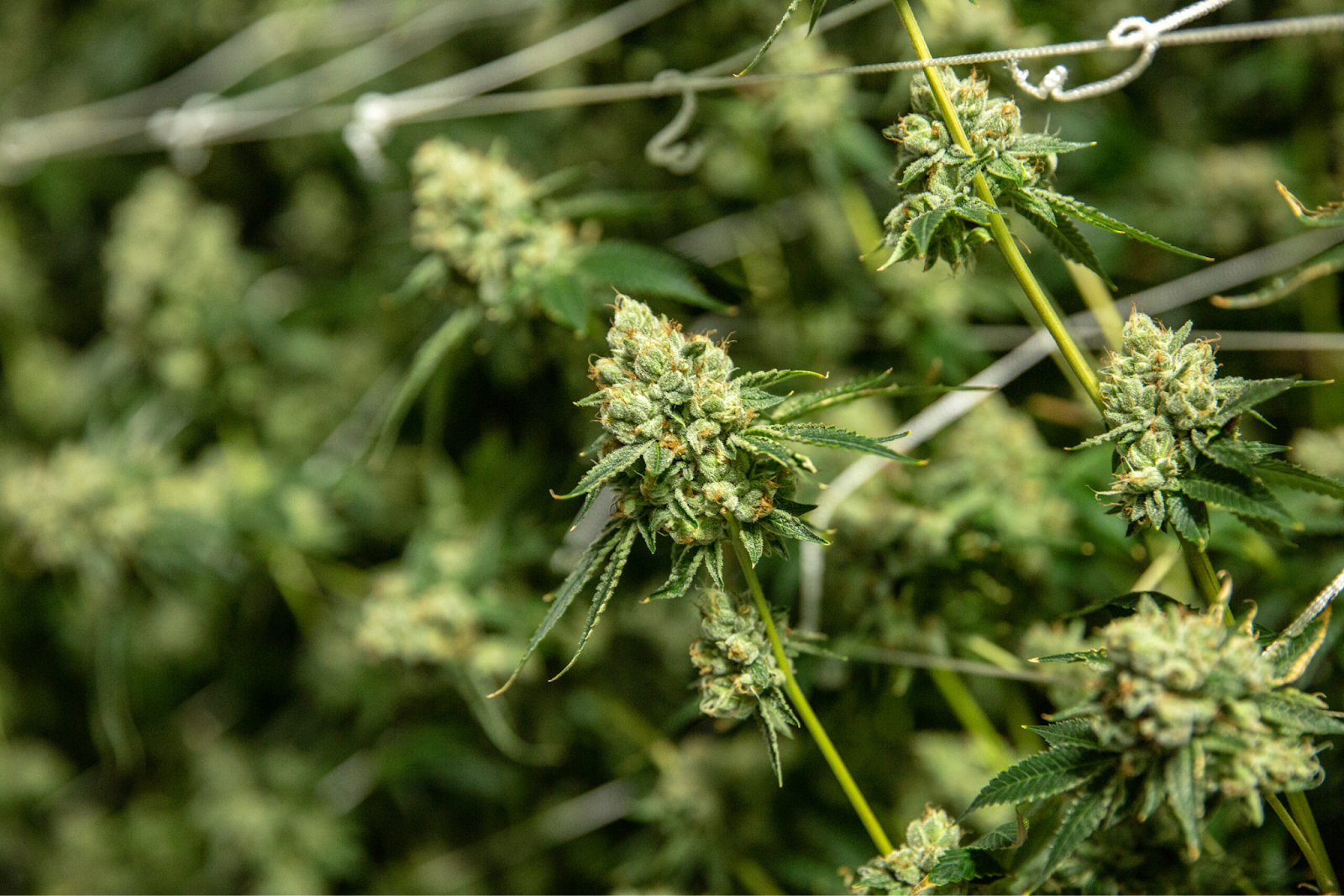
THCA is what the cannabis plant actually produces. It’s the raw, acidic form of THC found in fresh flower, and it converts into delta-9 THC when heat is applied through smoking, vaping, or cooking. Delta-8, by contrast, occurs naturally only in trace amounts. Most Delta-8 products on the market are created through chemical conversion, usually starting with CBD extracted from hemp.
That distinction — plant-grown vs. lab-converted — shapes how each compound behaves, how products containing them are made, and what a lab report is really telling you when you read it.
What is THCA?
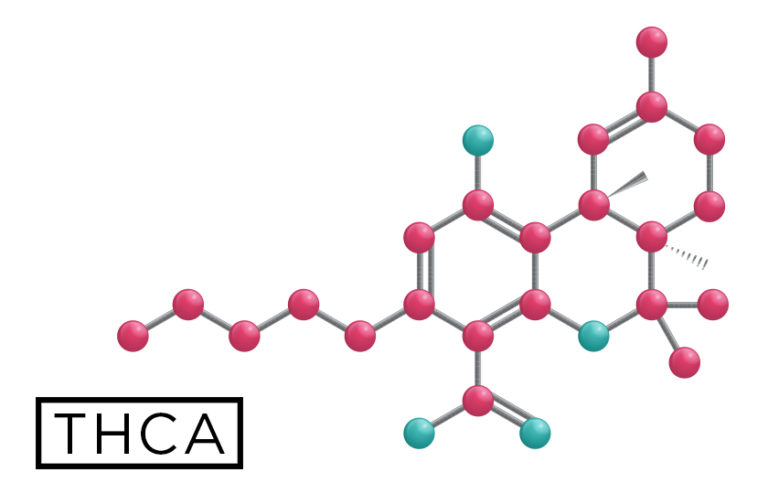
Image lightbox
THCA (tetrahydrocannabinolic acid) is the primary cannabinoid found in living cannabis plants. It’s not a converted compound or a byproduct — it’s the molecule the plant produces naturally through cannabinoid biosynthesis.
The process starts with CBGA, often called the “mother cannabinoid.” Inside the plant’s trichomes, an enzyme known as THCA synthase converts CBGA into THCA. That’s why raw cannabis flower typically tests high in THCA but relatively low in delta-9 THC — the chemical conversion hasn’t happened yet.
In its raw form, THCA is non-intoxicating. Its molecular structure includes a carboxylic acid group that makes the molecule too large to bind efficiently to CB1 receptors, the receptors primarily responsible for the intoxicating effects associated with THC.
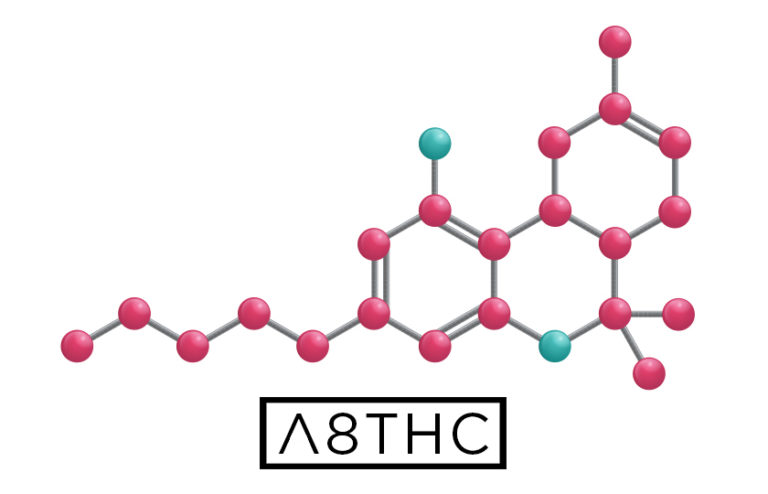
Image lightbox
Delta-8 THC is a structural isomer of delta-9 THC. The molecules share the same chemical formula, but one small structural difference changes how they behave: the position of a double bond in the carbon ring.
In delta-9 THC, that bond sits on the ninth carbon chain. In Delta-8, it shifts to the eighth.
That small shift changes how the molecule interacts with cannabinoid receptors.
Delta-8 does occur naturally in cannabis, but only in extremely small concentrations. Extracting useful amounts directly from the plant isn’t commercially practical. As a result, most Delta-8 products are produced through isomerization, a chemical process that rearranges the atomic structure of an existing cannabinoid without changing its molecular formula.
In practice, manufacturers typically start with hemp-derived CBD, then apply chemical conditions that convert it into Delta-8.
How decarboxylation changes THCA
THCA becomes delta-9 THC through a reaction known as decarboxylation. Heat removes the carboxylic acid group from the THCA molecule, releasing carbon dioxide (CO₂) and leaving behind delta-9 THC. The new structure binds far more effectively to CB1 receptors in the brain.
This reaction happens whenever cannabis is smoked, vaporized, or heated during cooking. It’s the reason THCA-dominant flower can produce intoxicating effects once it’s burned or vaporized.
It’s also why THCA hemp flower exists as a product category. On paper, it tests below the federal 0.3% delta-9 THC limit required for hemp compliance. Once it’s heated, the chemistry changes.
How Delta-8 interacts with receptors differently
Both Delta-8 and delta-9 THC interact with CB1 receptors, but they don’t bind with equal strength.
Delta-9 THC has a higher binding affinity for CB1 receptors, which helps explain its stronger intoxicating effects. Delta-8 can activate the same receptors, but research suggests the interaction is weaker. As a result, many consumers describe Delta-8 experiences as milder or more functional compared with traditional THC.
CB2 receptors — found primarily in immune tissue and peripheral organs — also interact with cannabinoids, though they play a smaller role in intoxicating effects.
THCA behaves differently from both. In its raw acidic form, it shows very low affinity for CB1 receptors. Once decarboxylated into THC, that interaction changes dramatically.
What this looks like in actual products
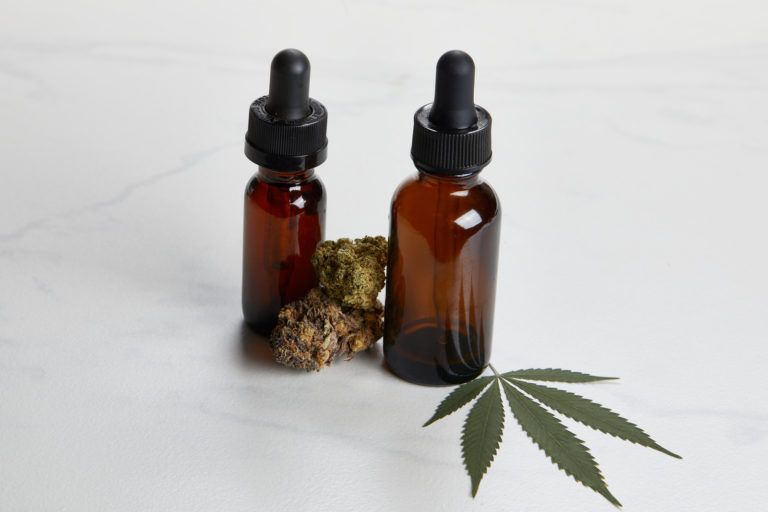
Photo by: Gina Coleman/Weedmaps
Image lightbox
The chemistry shows up clearly in how these cannabinoids are sold.
THCA products typically focus on preserving the cannabinoid in its acidic form until it’s heated during use. That’s why THCA most often appears in:
- Flower and pre-rolls
- THCA crystalline or “diamonds”
- Certain concentrates with elevated THCA content
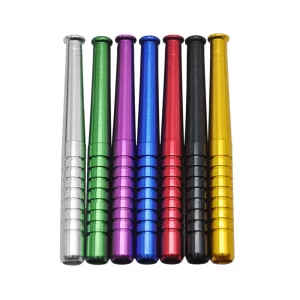
Delta-8 products usually involve formulation. Because the cannabinoid is created through conversion, it’s typically blended into finished products such as:
- Vape cartridges
- Infused edibles
- Tinctures and oils
- Infused pre-rolls
Neither format is inherently better than the other, but they represent very different production pathways — something worth understanding before buying any cannabinoid product.
How to read a COA for THCA vs Delta-8
A Certificate of Analysis (COA) is the most reliable way to confirm what’s actually in a cannabis product.
For THCA flower, a COA will typically show high THCA percentages alongside low delta-9 THC levels. Some labs also calculate “total THC,” which estimates the amount of delta-9 THC that could form after decarboxylation.
For Delta-8 products, the COA should list Delta-8 THC as the dominant cannabinoid. Because Delta-8 is produced through chemical conversion, a thorough report should also include residual solvent testing and other contaminant screenings.
If those results are missing, that’s worth noting.
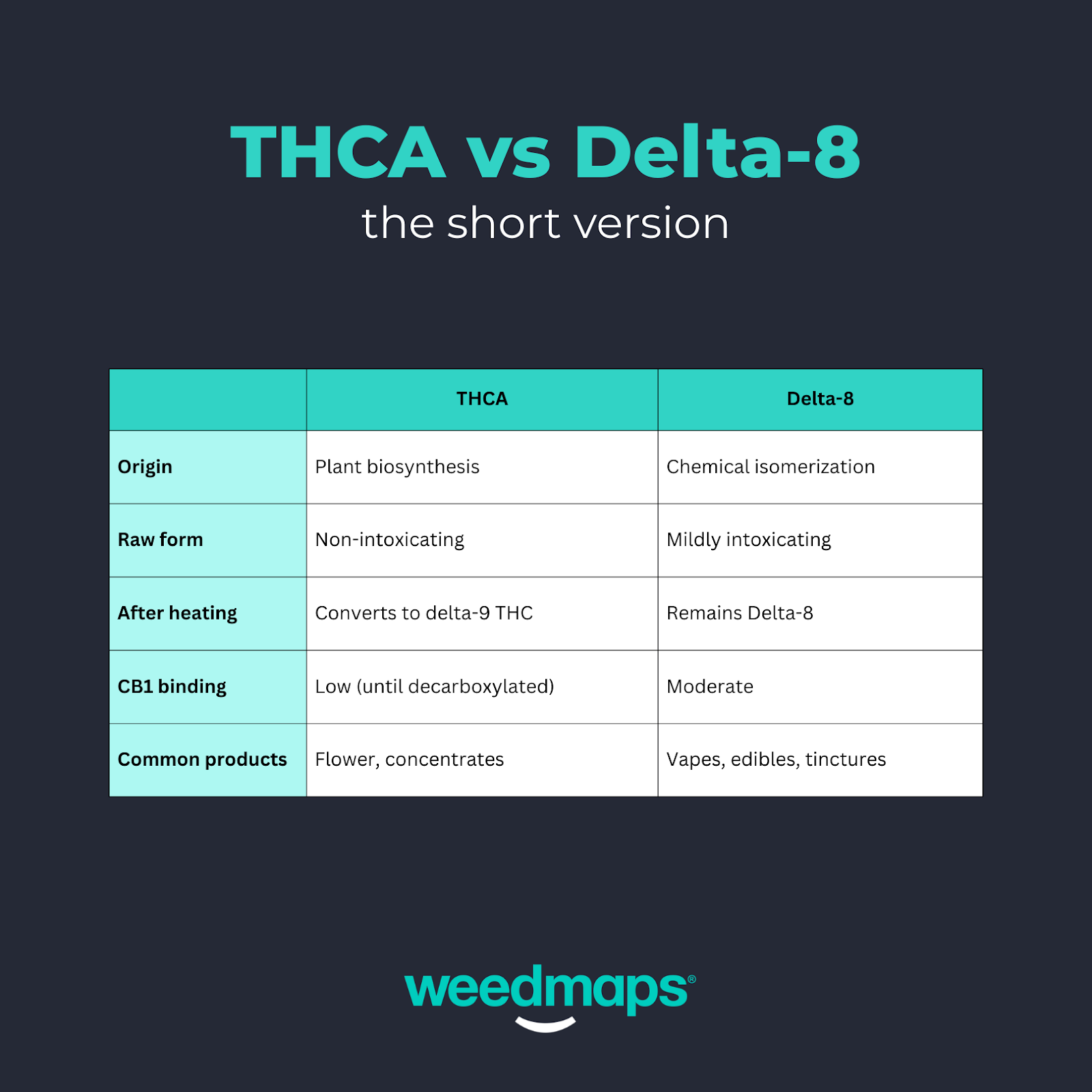
Image lightbox
The bottom line
THCA is what cannabis plants produce. Delta-8 is typically what chemists make from other cannabinoids — most often hemp-derived CBD.
Understanding where each compound comes from, how it’s produced, and how it behaves in the body makes it much easier to interpret product labels and lab reports.
Order THCA flower or Delta-8 products for pickup or delivery from a dispensary near you on Weedmaps.