





If you’re exploring cannabidiol products, you’ve probably noticed two popular options dominating the market: CBD oil and CBD flower. While both come from the same plant and contain the same primary cannabinoid, they offer distinctly different experiences, benefits, and usage methods.
Understanding these differences helps you choose the right product for your lifestyle, preferences, and wellness goals. Let’s break down what sets these two forms apart and help you figure out which might work best for you.
What Exactly Is CBD Oil?
CBD oil is a concentrated extract derived from hemp plants. Manufacturers use various extraction methods—most commonly CO2 or ethanol extraction—to pull cannabinoids, terpenes, and other beneficial compounds from the plant material. The result is then mixed with a carrier oil like MCT, hemp seed, or olive oil to create the tinctures you see in stores.
The concentration varies widely, from mild formulations around 300mg per bottle to potent options exceeding 3000mg. This versatility lets users choose strength levels that match their needs and gradually adjust dosage as they learn what works for them.
Most CBD oils come in dropper bottles, making them simple to use. You place drops under your tongue, hold for 30-60 seconds to allow sublingual absorption, then swallow. This method bypasses the digestive system partially, leading to faster effects than edibles.
Understanding CBD Flower
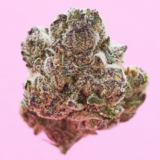
CBD flower refers to the actual buds harvested from hemp plants—the same part of the plant you’d recognize from cannabis, except it’s bred specifically to contain high CBD levels and minimal THC (under 0.3% as required by law).
These buds look, smell, and are used similarly to traditional cannabis flower. They’re rich in terpenes, those aromatic compounds that give different strains their distinctive scents and contribute to the overall experience through what’s called the entourage effect.
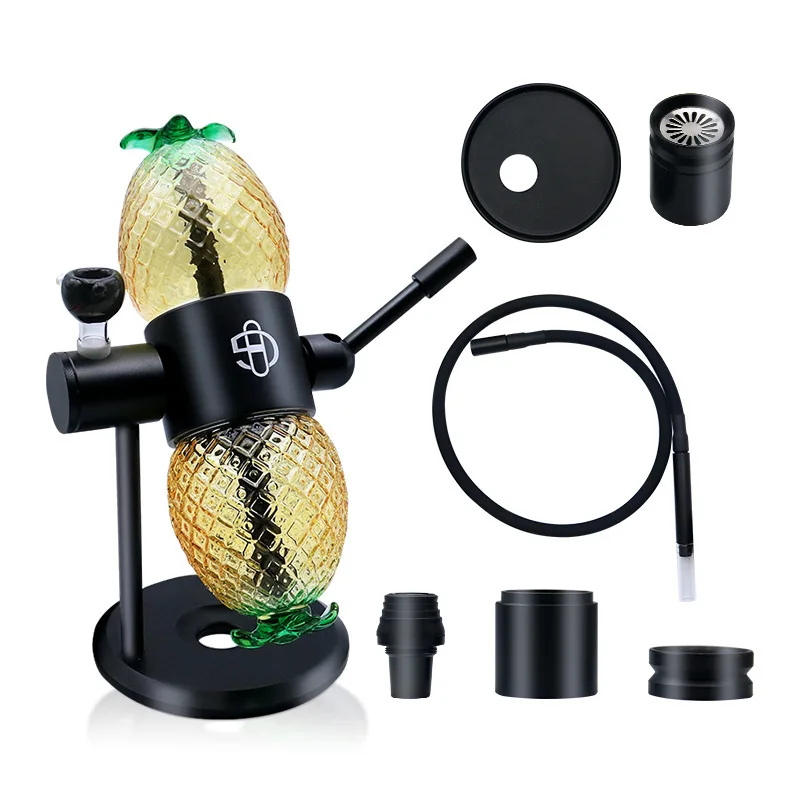
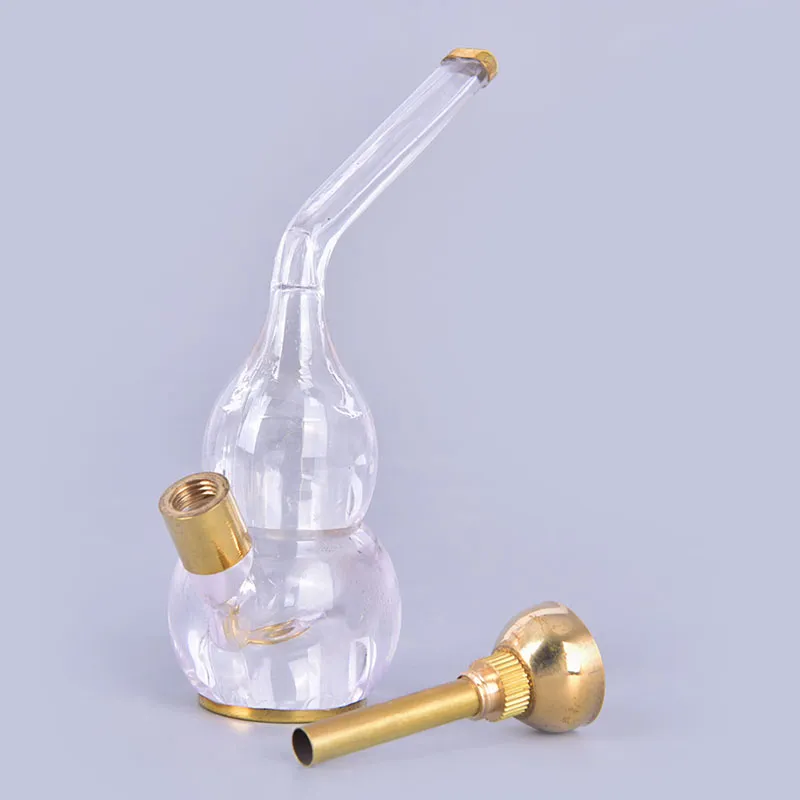
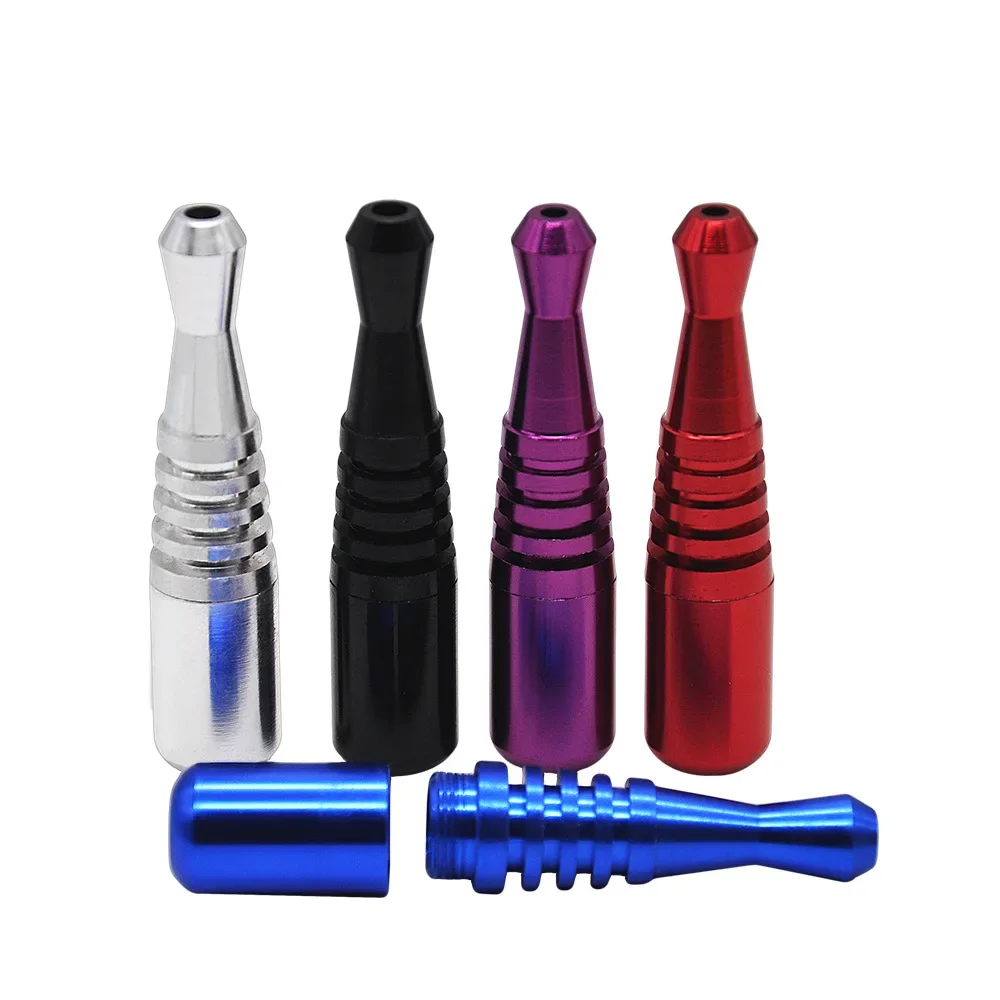
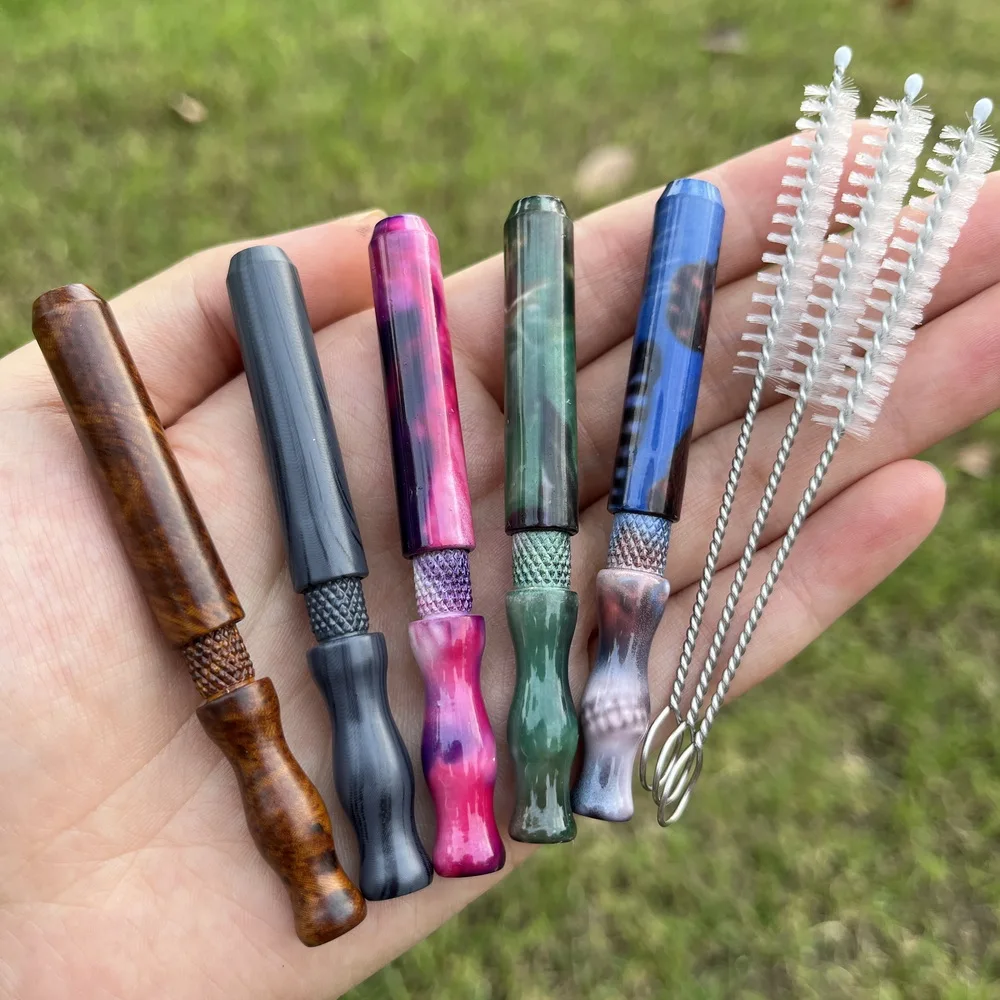
People consume CBD flower through smoking, vaping, or by using it to make their own infusions and edibles at home. This raw form appeals to those who prefer a more traditional, whole-plant experience without significant processing or additives.
Bioavailability and Absorption Rates
One major difference between these products lies in how your body absorbs them. CBD oil taken sublingually enters your bloodstream relatively quickly—usually within 15-45 minutes—with decent bioavailability compared to edibles.
When you smoke or vape CBD flower, absorption happens even faster through your lungs, typically within minutes. This makes flower ideal for people seeking quick effects. However, smoking has obvious respiratory considerations that oils completely avoid.
The trade-off is that inhaled cannabinoids also leave your system faster, while sublingual oil provides longer-lasting effects. Your choice depends partly on whether you prefer quick relief that fades sooner or gradual onset with extended duration.
Terpene Profiles and the Entourage Effect
CBD flower naturally contains the full spectrum of terpenes present in the plant. These aromatic compounds contribute distinct flavors and scents—from citrusy and piney to earthy and floral. Beyond smell, terpenes interact with cannabinoids to enhance overall effects, a phenomenon called the entourage effect.
Quality CBD oils, particularly full-spectrum varieties, also preserve these terpenes. However, some processing inevitably reduces their concentration compared to fresh flower. Companies like Tree House CBD focus on maintaining terpene-rich profiles in their products to maximize this natural synergy.
If experiencing diverse terpene profiles matters to you, flower offers more variety strain-to-strain. Each cultivar has a unique terpene signature that creates different aromatic and experiential qualities.
Convenience and Discretion
CBD oil wins decisively in the convenience category. A small dropper bottle fits in any bag or pocket, requires no preparation, and can be used discreetly almost anywhere. There’s no smell, no need for additional equipment, and no learning curve.
Flower requires more consideration. You need something to smoke or vape with, a grinder if you’re rolling, and a private space since smoking produces noticeable odors. This makes it less practical for on-the-go use or situations where discretion matters.
Dosage Control and Consistency
Measuring exact CBD amounts is straightforward with oils. Each dropper has markings, and bottle labels specify total cannabinoid content, letting you calculate precise per-drop dosages. This consistency helps you find and maintain your ideal serving size.
Flower dosing is inherently less precise. While packages list average CBD percentages, the actual amount you consume varies based on how much you use and how completely you extract cannabinoids through your consumption method. This variability doesn’t bother experienced users but can frustrate beginners seeking predictable results.
Flavor and Experience
The taste factor matters more than you might think. CBD oils come in numerous flavors—natural hemp, mint, citrus, and many others—or unflavored versions. Some people love the earthy, herbal taste of hemp-derived oils, while others find it unpleasant and prefer flavored options.
CBD flower tastes like cannabis. If you enjoy those complex, plant-forward flavors with their various terpene notes, flower delivers authentic experiences. If you’re sensitive to taste or prefer something more neutral, oils provide easier consumption.
Legal and Practical Considerations
Both products are federally legal in the United States when derived from hemp containing less than 0.3% THC, though state laws vary. However, CBD flower can sometimes raise questions because it looks identical to marijuana. Carrying flower might attract unwanted attention even where it’s completely legal.
CBD oil rarely causes confusion and travels more easily. If you fly frequently or cross state lines, oils present fewer potential complications.
Quality and Testing Standards
Reputable producers test both oils and flower through independent laboratories, verifying cannabinoid content and screening for contaminants like pesticides, heavy metals, and mold. Always look for products with accessible lab reports.
Quality flower should be properly cured, free from mold or mildew, and stored correctly to preserve freshness. Quality oils should be clearly labeled with extraction method, cannabinoid content, and recommended serving sizes. Providers like Tree House CBD emphasize transparency through comprehensive testing and clear product information.
Which One Should You Choose?
The answer depends entirely on your priorities. Choose CBD oil if you value convenience, precise dosing, discretion, and don’t want to inhale anything. It’s beginner-friendly and integrates seamlessly into daily routines.
Choose CBD flower if you prefer whole-plant experiences, enjoy smoking or vaping, want rich terpene profiles, or are comfortable with traditional consumption methods. It offers variety and authenticity that processed products can’t fully replicate.
Many users don’t choose at all—they keep both on hand. Oils for daily maintenance and situations requiring discretion, flower for evenings at home or when they want a more immersive experience.
Final Thoughts
Both CBD oil and CBD flower offer legitimate ways to incorporate cannabidiol into your wellness routine. Neither is objectively better; they simply serve different needs and preferences.
Start by considering your lifestyle, comfort level with different consumption methods, and what you’re hoping to experience. Whatever you choose, prioritize quality from transparent sources that provide testing documentation. Your experience with CBD depends significantly on product quality, so invest in reputable options that meet high standards for purity and potency.
The post CBD Oil vs CBD Flower: What’s the Difference? appeared first on Weed World Magazine.