






This article originally appeared in High Times Magazine’s 50th Anniversary Print Issue. Order yours here and get it delivered to your door.
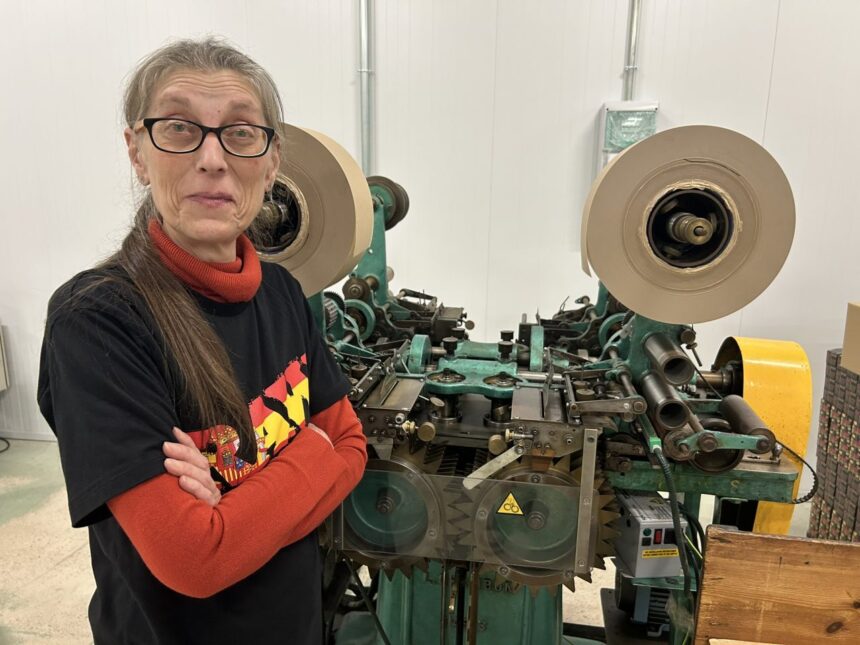
The sound of the machines is hypnotic. A constant clatter, a rhythmic dance of gears that seem to breathe. Each turn, each metallic click, is the heartbeat of a fading craft. And at the center of this universe of paper and smoke stands Inmaculada. Her name (Immaculate, in Spanish), fittingly, evokes both purity and mastery. But everyone knows her as Macu.
She’s 64 years old. Fifty of those years were spent in a factory (whether it was Papeleras Reunidas or Iberpapel), surrounded by mountains of rolling papers. She moved through this world of bobbins and sharp blades with the ease of someone who had become one with the factory itself.
“I’m just another screw in this machine,” she used to say with the confidence of someone who had spent half her life among gears that responded better to her hands than to any instruction manual.
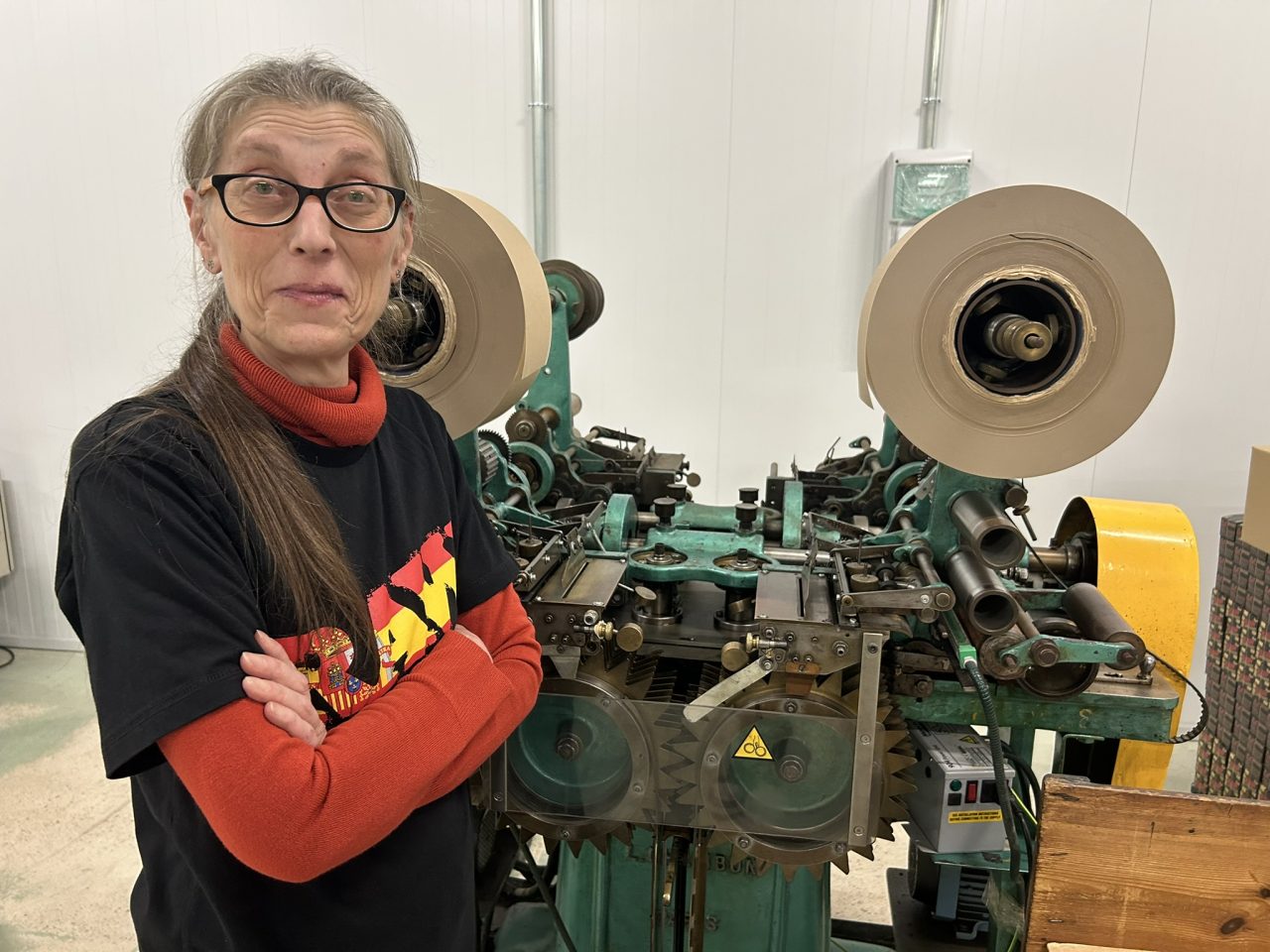
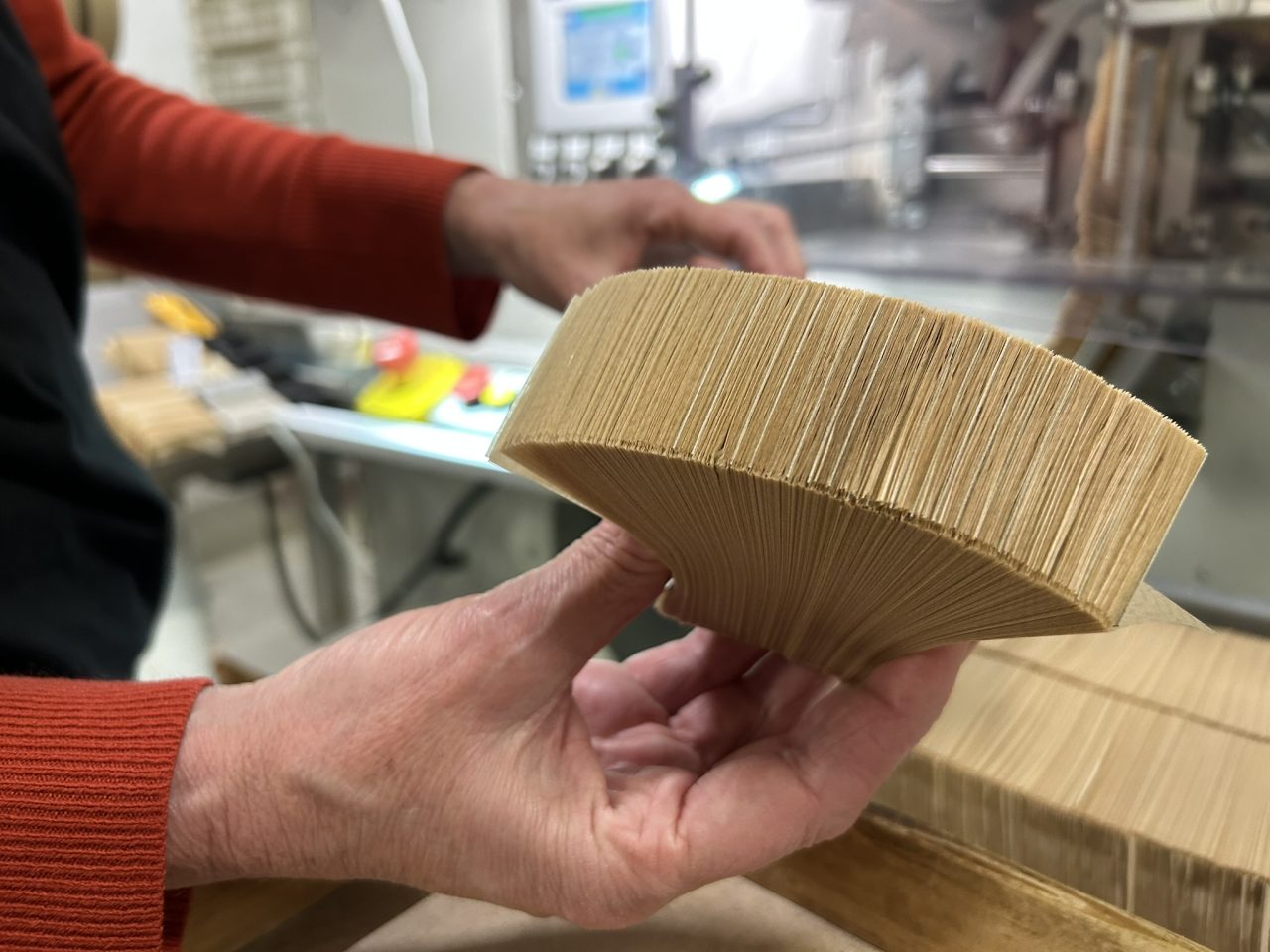
No wasted movements, no hesitation. Her fingers helped shape, in a forgotten technique, more than 1 billion rolling papers. And she did it with the same machine that, when she retired, was shut down for good.
Macu’s machine wasn’t just old; it was a unique relic, modified repeatedly over decades to create quirks and features that no modern machine would replicate. There were no more spare parts and no young mechanics capable of repairing it, which is why no successor could be trained. Today, that machine sits silent—only understood when Macu stops by for a visit.
A Men’s Trade, A Women’s Rebellion
Macu didn’t enter this world alone. She was part of a generation of women who stormed into a male-dominated industry.
In 1977, when she started working at a paper factory in the Valencia-Alicante region, the system was still archaic: men ran the machines, earned higher wages and held all the leadership positions. Women? They were relegated to secondary roles.
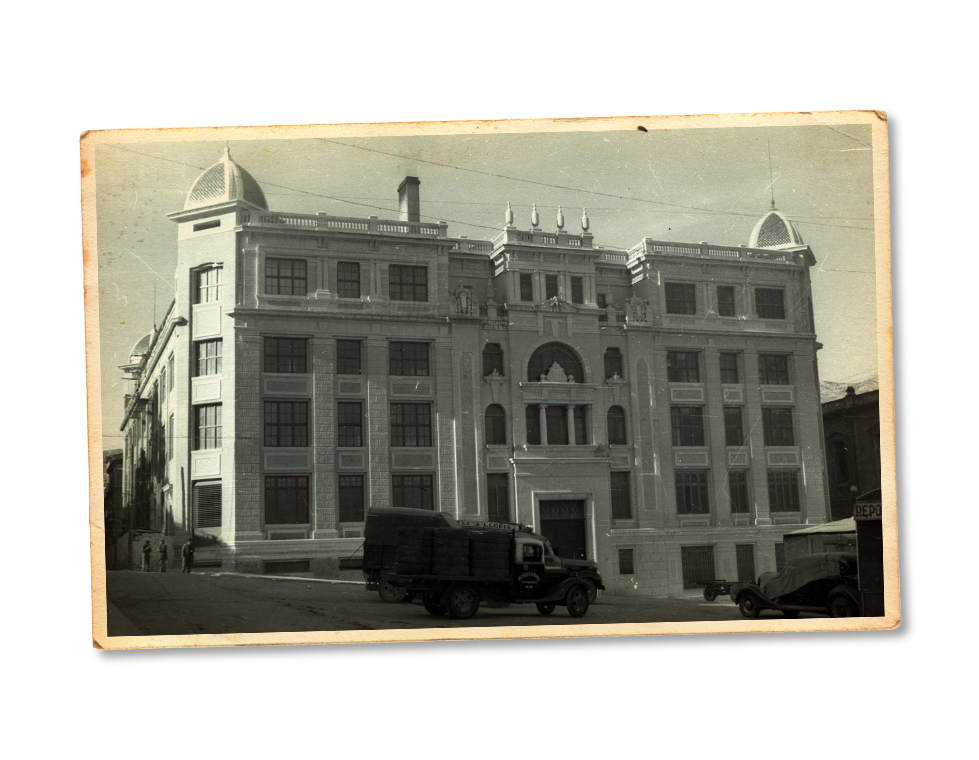
“My mother and my aunt worked here. Women have done everything in this industry, but the bosses were always men,” she says.
“When you joined, especially as a woman, they always placed you next to a man so he could ‘teach’ you,” Macu recalls. But she wasn’t there just to observe. As she learned to cut, package and bind the papers into booklets, she started asking questions:
Why did men earn more? Why couldn’t women operate the bigger machines?
The answers never came… but the strikes did.
“We took over the binding machines and that’s where empowerment began.”
The women organized. They fought. And they won.
Little by little, they took control of their own tools. The binding machine—the engraver that turned stacks of paper into special rolling booklets—became their stronghold.
At first, the factory owner believed that once the older workers retired, the unions, the protests and the wage demands would fade away. That the new generation of women would be easier to manage.
He couldn’t have been more wrong.
“We didn’t walk into the factory like sheep. We walked in and fought for what was ours… The bosses thought the younger generation would be more docile. But they ran into a wall.”
She continues, with a mischievous grin: “They thought they could control us. But we gave them a fight. We were young, rebellious and had been taught how to stand up for ourselves.”
The unions grew stronger with them.
“We signed up for the union, fought for what was ours and achieved what they told us was impossible.” She adds clearly: “We considered ourselves feminists—not because someone told us to be, but because we saw the injustice and fought against it.”
The Rise and Fall of a Rolling Paper Empire
Between the 1970s and 1990s, rolling paper factories thrived. It was an era of innovation, flavored papers and big expansion plans.
Macu remembers those days vividly—experimenting with scents, textures and different formats. There were talks of million-dollar deals, of factories in Argentina. But the numbers eventually stopped making sense.
Papeleras Reunidas, the company where Macu had started her career, collapsed under its own debts.
“It was survival for today, disaster for tomorrow,” she says bluntly.
When it closed, hundreds of workers were left in limbo. Macu was moved to Bambú, another major paper company, but the writing was on the wall.
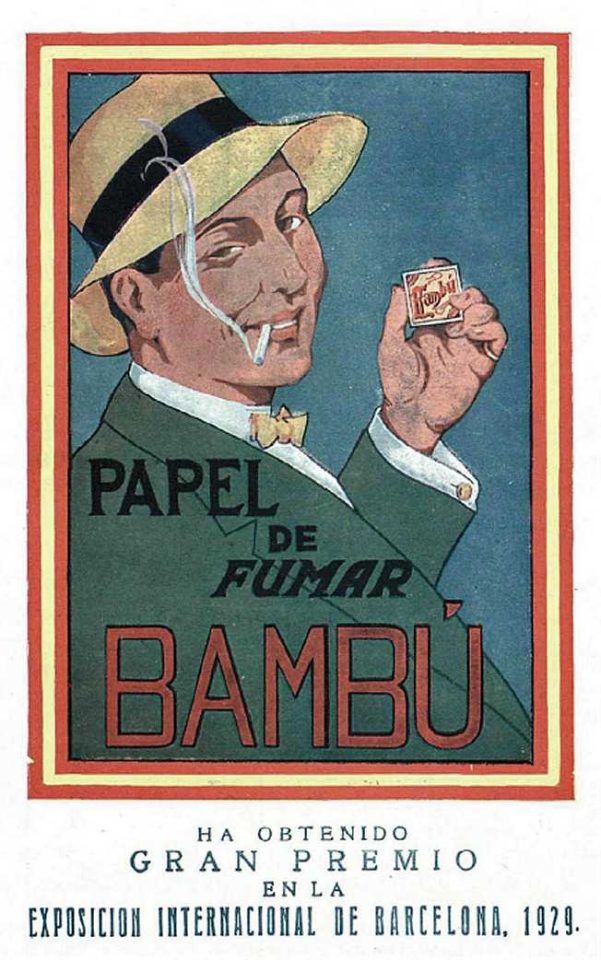
“We worked off the books. And I’m not ashamed to say it, because when you’re desperate, you take whatever you can get,” she admits.
Bambú’s downfall was just another nail in the coffin for the region’s once-thriving paper industry. Companies reopened under new names, but workers endured instability, always hoping things would improve.
“The young women today don’t see it, but everything they have here was won through a lot of strikes and beatings.” With a touch of nostalgia, she adds: “Young people come just to work and make money. We used to look at each booklet with excitement. Now it’s just another product.”
The Revival: RAW, Iberpapel And a Passion for Rolling Papers
Macu’s story could have ended there, but it didn’t.
She found stability at Iberpapel, the last great rolling papers factory in the region—a company that today produces RAW, Elements and other top brands.
And this is where another key figure enters the story: Josh Kesselman.
More than your typical businessman, Josh is a rolling paper historian, a true believer in tradition. Where others saw outdated machines, he saw art.
“Josh loves paper. He’s passionate about tradition. If it weren’t for him, this would have been lost a long time ago,” Macu assures.
In Kesselman’s own words: “We could automate everything, but we’d lose something priceless: history, craftsmanship and soul.”
Under his family’s vision, Iberpapel still employs many of the veteran workers from the golden days of the rolling paper industry—experts in working with paper in ways no modern machine ever could.
A Silent Revolution: From Tobacco to Cannabis
The rolling paper market has evolved over time. What was once almost exclusively for tobacco is now also used for cannabis.
But in the Valencia-Alicante region, nobody made a fuss about it. “Here, they give you the paper and you do what you want with it.”
At first, they didn’t even think about it: “We were pretty ignorant about it at first. We didn’t make the connection.”
But over time, it became obvious. While never openly discussed in the factory, outside, people embraced the change with ease.
“If you’re at a bar and see someone rolling a cigarette, no one asks what they’re smoking.”
A Farewell—and the End of an Era
After half a century in the industry, her body asked for rest.
“It’s repetitive. It’s monotonous,” she confesses. But despite it all, she left with her head held high.
“I’m proud of what we did, of what we achieved. But there’s still a long way to go.”
When her machine shut down with her retirement, a chapter of rolling paper history came to a close.
A Legacy That Won’t Fade
Because, as Macu puts it, “What we have today, nobody gave us. We fought for it.”
She may have stepped away, but her impact remains woven into every booklet, every brand, every flame that lights up a well-rolled smoke.
Over 1 billion papers back up her legacy.
And her story, like the smell from a perfectly rolled joint, will linger in the air long after the machine stopped spinning.
This article originally appeared in High Times Magazine’s 50th Anniversary Print Issue. Order yours here and get it delivered to your door.