






On pleasure, respectability, and the parts of cannabis culture worth protecting.
The other night I got high with a few friends. Not to unlock my third eye, crush a deadline, or biohack my nervous system into a state of tantric productivity. We weren’t chasing enlightenment or insight or growth.
We just wanted to laugh. To unwind. To play DnD and stop carrying the day around like a sack of wet concrete.
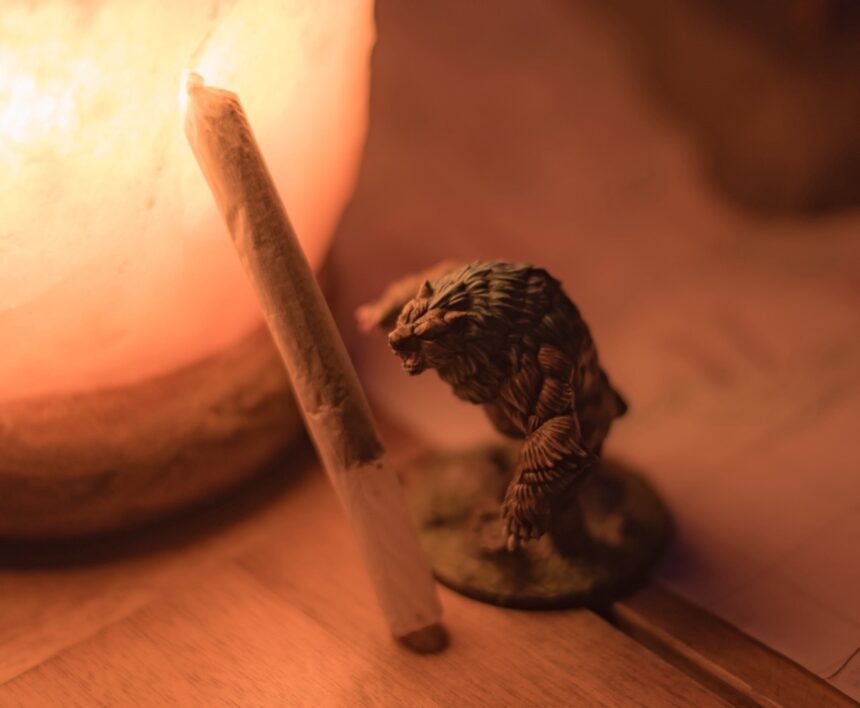
We sat around my living room passing a joint built like a power forward and talking about absolutely nothing of consequence—the kind of conversation that floats, drifts, wanders, and somehow becomes the best part of your week.
And in the middle of that dumb buzz, I had this tiny intrusive thought:
Is this still allowed?
Not legally, per se, but culturally. I started to wonder whether joy alone was still a valid reason to light up. Because within modern cannabis culture, you can feel a growing pressure to justify your high. To prove you’re doing something responsible with it.
Smarter. Healthier. More productive.
More adult.
The carefree, fun-time vibe is quietly shifting toward the idea that cannabis must be functional to be legitimate. That you need a reason more noble than “I enjoy feeling alive for a minute.”
You can hear it in dispensaries now. Ask what’s good, and you get outcomes. Disclaimers.
Focus.
Sleep.
Recovery.
Regulation.
Meanwhile, no one looks down on the sun for giving us vitamin D and energy. No one shames rosemary for its calming effects. But light up a joint because you want to smile? To loosen the death grip your shoulders have on your neck?
Suddenly, you’re kind of childish.
Come on. Community? Laughter? That moment when your jaw finally unclenches? That’s medicine. Those things do real work. Which makes the disconnect strange, because our bodies already understand this.
There’s even a word for it: anandamide—often called the “bliss molecule”, a naturally occurring compound in the human body tied to pleasure, mood, and that quiet sense of well-being. Your brain produces it when you exercise, when you laugh, when you connect. Cannabis just happens to interact with the same system. A reminder that, as humans, joy was always part of our design.
But in the transition from prohibition to legalization, we quietly decided that only the clinical stuff counted. And this isn’t just a weed problem. We track our steps. Food turns into macros. Hobbies become monetized. Play without purpose, fun without payoff. It all starts to feel pointless.
Somewhere along the way, humans lost the thread.
That’s how you end up with the stoner archetype—the original cultural mascot and patron saint of the untroubled—quietly being pushed toward the back exit.
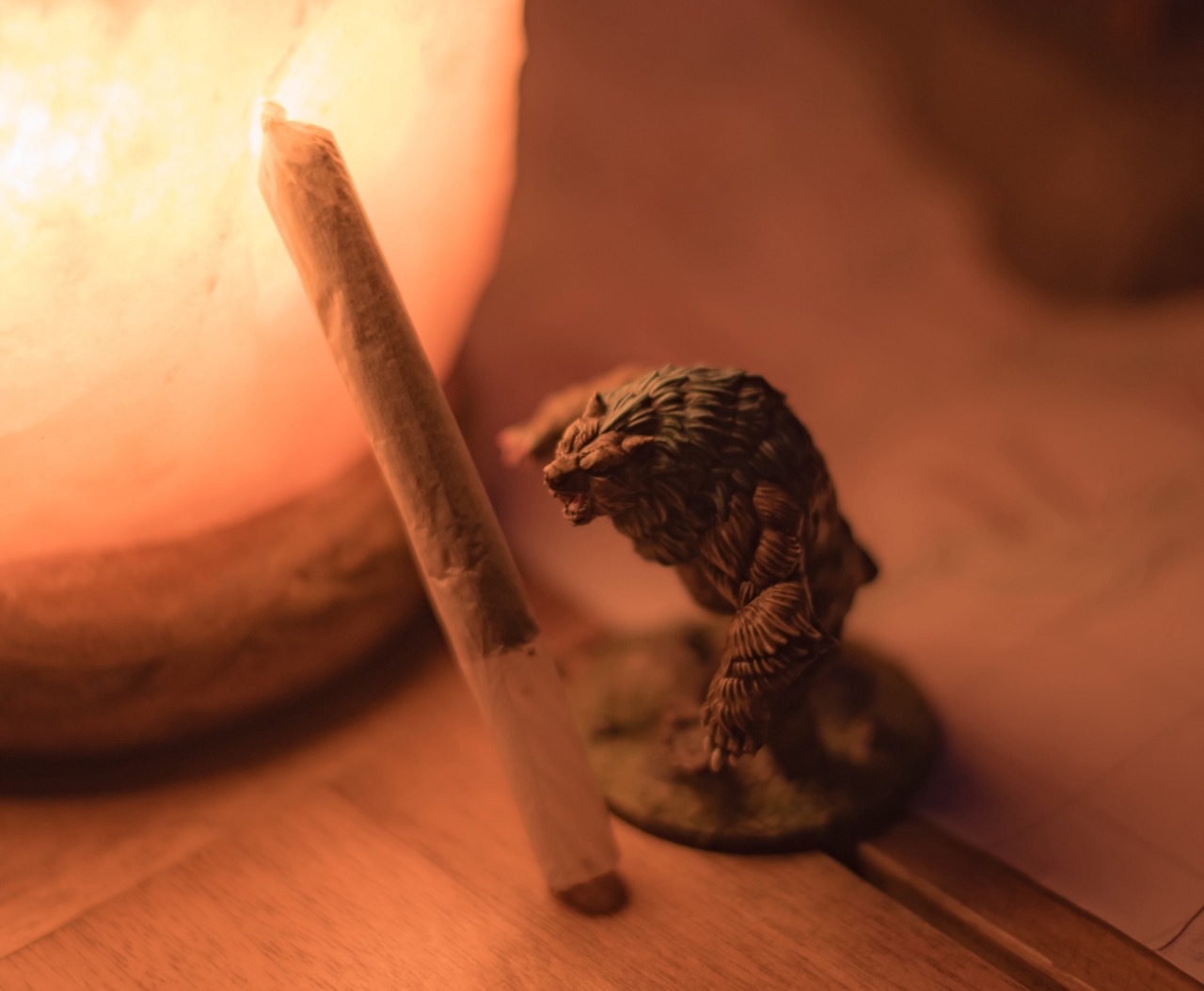
When Enjoyment Started Needing an Explanation
Walk into any dispensary today and everything is microdosed, precision-engineered, terpene-tailored, data-backed, sustainably sourced, and paired with a promise to level you up.
In the long arc from Reefer Madness to Bong Appétit, weed went from “this might make colors sound different” to “this supports mitochondrial performance.” I don’t want to be Luke Skywalker. I just want to smoke some Skywalker OG and watch Empire for the tenth time.
None of this is an argument against medicinal cannabis or wellness. Those uses are real. They’re vital. They save lives. What worries me is the creeping idea that happiness alone isn’t enough. That cannabis needs to earn its keep through good behavior.
That shift didn’t come out of nowhere. It arrived with legalization, and with the quiet understanding that freedom would come with conditions.
At a certain point, palatability became the entry fee to normalization.
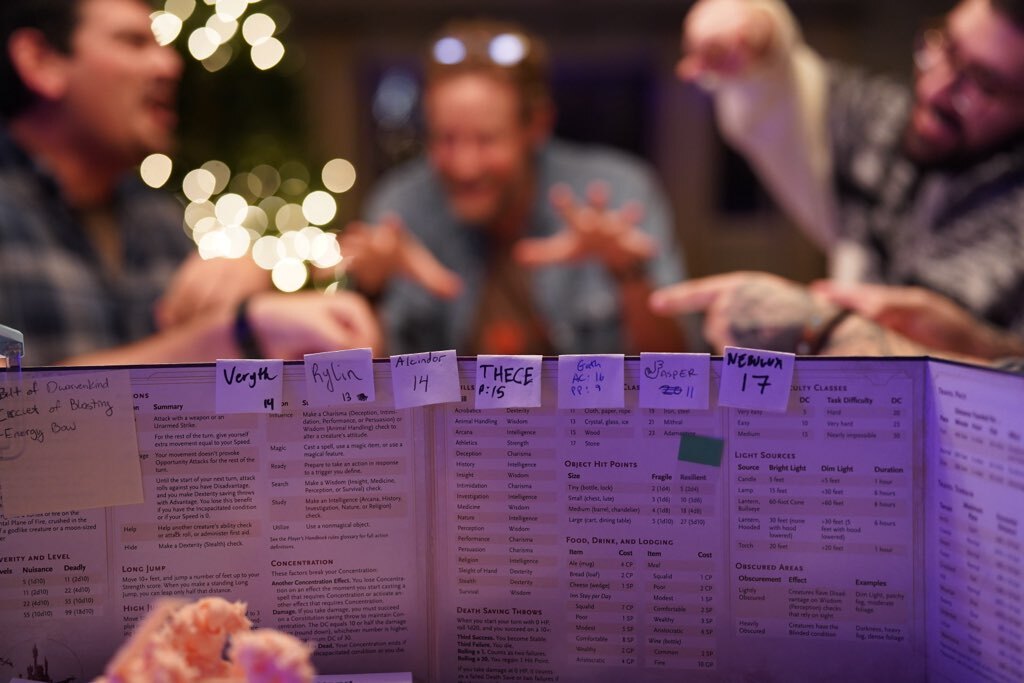
What Cannabis Learned to Say in Order to Be Taken Seriously
For decades, cannabis survived on the fringes. It was messy, unserious, and almost exclusively illegal. When the doors finally opened, the plant did more than just step into the light—it stepped into a boardroom.
And unserious isn’t a good business model.
To be accepted, cannabis had to make itself marketable to regulators, investors, landlords, and risk managers. Fun didn’t translate. Play didn’t test well. But wellness did. Metrics and clinical language did. That’s when cannabis learned to speak in outcomes instead of experiences.
This wasn’t a conspiracy. It was adaptation. Respectability became validity. The plant put on a lab coat and shed its laughter because that was the cost of legitimacy.
But something gets lost when legitimacy is built on justification. When pleasure has to restrain itself, it shrinks. And what used to be communal gets stripped down, privatized, and reduced to a single-player game.
Legalization gave us liberation, but it also imposed a new discipline: behave, explain yourself, don’t be weird. The stoner—the unruly, joyful, unoptimized soul of the counterculture—was politely asked to grow up.
But it ain’t a counterculture unless you’re against something. And if we’re choosing targets, I hope bullshit goes first. We’ve got more than enough of that to burn.
Cannabis used to be fun first. Silly in the best ways. A break from the absurdity of being a human strapped into the meat grinder of modern life. Now it’s increasingly framed as a productivity aid with bad branding and too much plastic.
A friend of mine, Nate, put it perfectly the other day:
“Relaxation is a medicinal benefit. Because of that, I’ve always thought it was impossible to disentangle recreational and medicinal use.”
He’s right. The fence between the two is thinner than we pretend.
Another friend once told me about a guy who smoked her weed all day, every day, called it “medicine,” and made her want to throw him through a window. In that context, yeah, calling it medication felt like a dodge. Sometimes you need to treat the root cause, not just the symptom.
But over time, she realized something else: not all medicine has to cure. Some remedies simply restore. Amusement. Connection. Breath. A widening of the ribs. A reminder that at the end of a shitty day, everything will be okay.
Cannabis can do that. And we shouldn’t have to pretend it needs to be more than that.
No one judges the friend who screams into a pillow after a meeting that should’ve been an email. No one blinks when dancing counts as relief and saunas count as reset. Bone broth is somehow a cure-all—which I still think is questionable, but sure. Fine.
As a society, we’re perfectly comfortable calling all of this care. Pleasure, in small, subtle, essential doses.
Hell, half the internet thinks dunking yourself in a freezing lake at 5 a.m. makes you a warrior stoic. But spark a joint after work for no good reason and suddenly you’re “masking your problems.”
Which brings me to the stoner—the folk hero of this whole operation, and the biggest part of the culture we’re in danger of losing if joy stops counting.
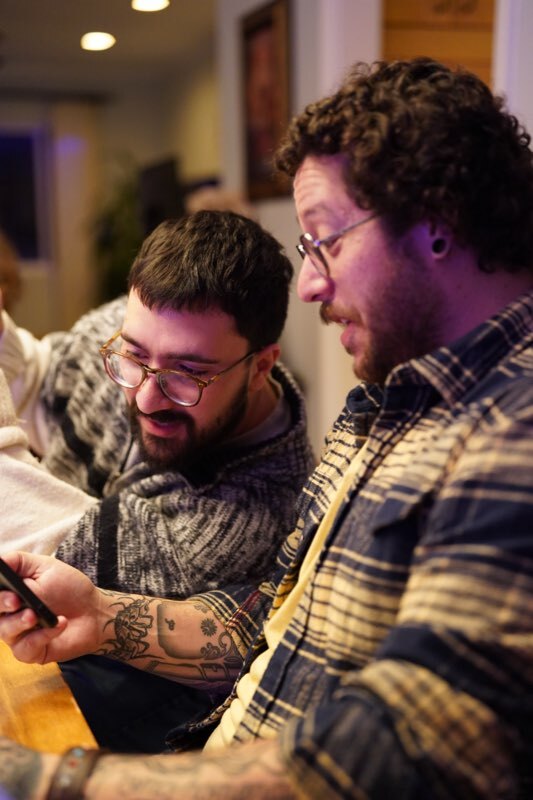
The Stoner Isn’t Who You Think
I know the stereotype: tie-dye, cheek-shaped couch dents, sticky fingers, bong water darker than midnight.
But the real stoner—the one I know, the one who built this culture and kept it alive when it was illegal, unprofitable, and dangerous—is something else entirely.
The real stoner is curious.
Imaginative. Generous. Playful. Present.
The real stoner feels life as much as they think about it.
They find poetry in a bag of Cheez-Its. They stare at the ocean for hours and call it meditation. They know half the meaning of life is buried in beautiful, stupid 1 a.m. conversations. One of the underrated gifts of being a stoner, in the best sense, is emotional availability. The way it lowers the guard just enough to see the joke in existence.
Laughing when the punchline is simply: life, man.
Cannabis keeps my edges flexible. It keeps me soft where adulthood tries to calcify me. It keeps me from becoming another stiff-backed, stress-locked adult drowning in existential dread and Microsoft Teams notifications. I’m laughing my ass off a hundred times a day and taking life about 30 percent less seriously than I did at twenty-two.
Weed is WD-40 for the human spirit.
Instructions: shake well, apply generously, avoid contact with bosses and buzzkills.
It’s given me patience in my relationships, curiosity about life’s small miracles, and resilience when the world feels too sharp. It doesn’t turn me into someone else. It keeps me from becoming someone I never wanted to be.
If that’s not medicinal in its own strange way, I don’t know what is.
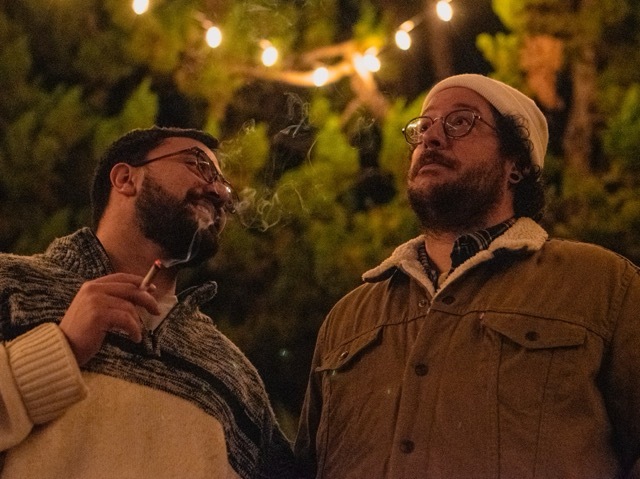
What Disappears When Fun Isn’t Enough
If joy, laughter, awe, curiosity, and relief stop being valid reasons to smoke, here’s what else goes with it:
The circle.
The ritual.
The generosity of passing the joint to the person who needs it most.
Community becomes transactional. Creativity turns into content.
In short, a big piece of the culture’s soul goes missing.
And if cannabis’s potential is limited to a wellness supplement—a consumer product with no spiritual footprint, a tool rather than a companion—then legalization didn’t liberate weed. It put it in a gilded cage.
Picture a future where joints are considered primitive, blunts are frowned upon, and flower is “too unpredictable” for an optimized lifestyle. People only smoke if it can be paired with a self-improvement goal. Your friend sparks a bowl and instead of saying, “God, I need this,” they recite, “I’m consuming this to support neuroregulation and emotional resilience.”
This isn’t a fight against wellness, medicine, or legitimacy. It’s a fight against the shrinking of what we call valid. If we lose the stoner—the curious, rebellious, alive part of this counterculture—we lose the permission to feel good for no reason at all.
A smile is enough.
Relaxation is enough.
Laughter is enough.
Feeling human again is enough.
If legalization teaches us anything, it shouldn’t be how to justify cannabis. It should be how to enjoy it without apology.
So let’s not forget, in our noble pursuit of validation, why we fell in love with this plant in the first place.
Now go get high for no damn reason.