




I was fourteen when I first found cannabis. And High Times. The two didn’t just make me feel better—they saved me. Back then, I didn’t have words for what I was feeling: a restless, chaotic mind, a chest tight with panic I couldn’t name. Cannabis slowed everything down just enough for me to breathe, to feel, to survive.
Not long after that, an adult handed me meth. That was the beginning of a 26-year descent into addiction, chaos, and legal trouble. Ironically, my first felony was for Marinol—a synthetic version of the very plant that had quietly held me together as a teen. The system made no sense: rules designed to protect people instead punished curiosity, survival, and the search for calm.
Cannabis didn’t cure me. It wasn’t a miracle. But it kept me alive long enough to get sober and start piecing my life back together.
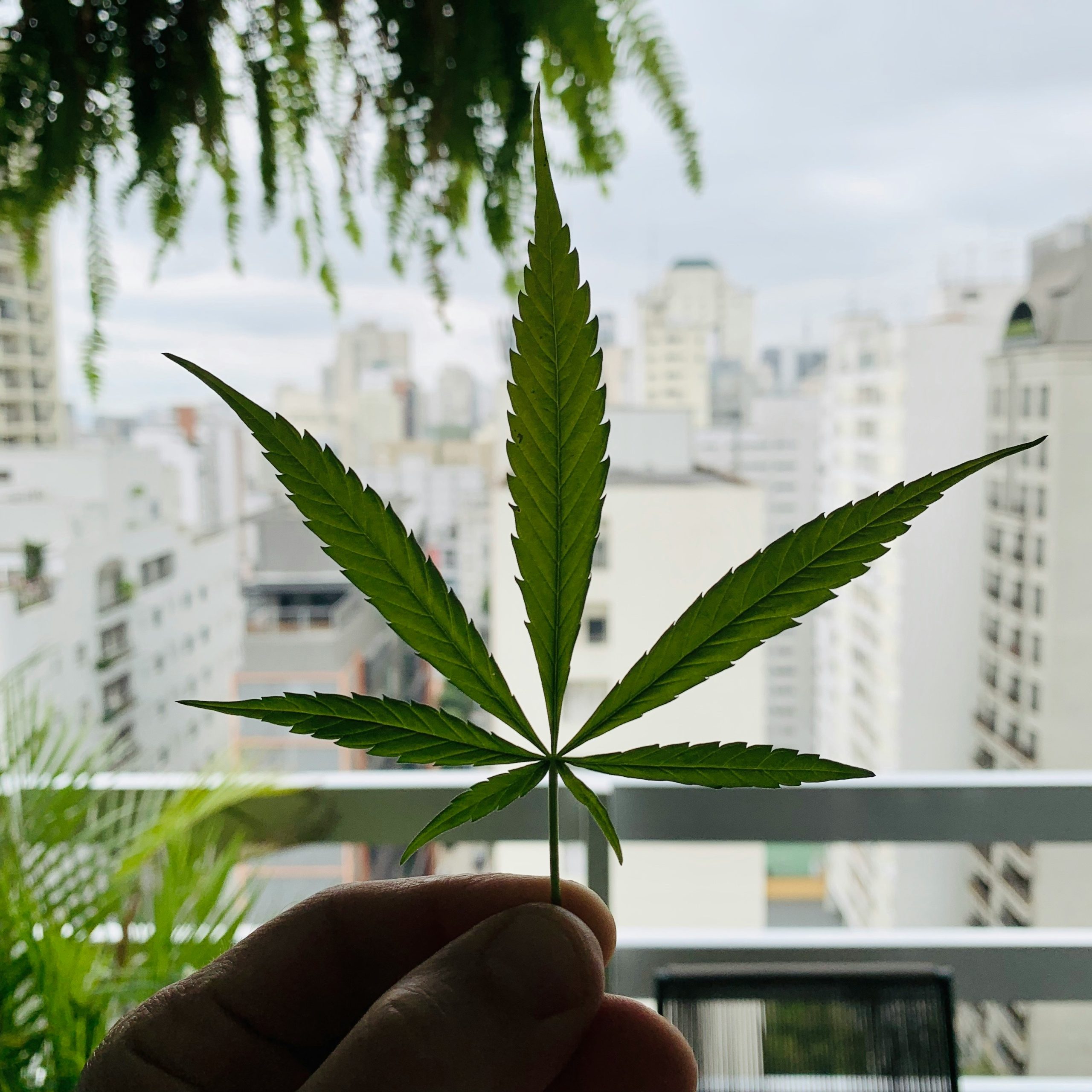
The Long Road Through Darkness
Addiction teaches you a strange kind of patience, the kind that feels like hell until you’re on the other side. It teaches you persistence when every part of you wants to quit. For me, it meant surviving years of meth, pills, and chaos—sometimes day by day, sometimes hour by hour.
Even when I was at my worst, cannabis offered a tether. A single hit could slow the mental screaming enough to focus on something else—writing a sentence, taking a photograph, noticing my child’s smile. It didn’t fix me, but it allowed me to stay present long enough to rebuild, long enough to make choices that didn’t kill me.
I got sober on January 20, 2020. Since then, I haven’t touched meth or pills. I’ve relied on natural cannabis—not as an escape, but as a stabilizer. It keeps me grounded when life pulls at me from every angle, when the weight of trauma threatens to crush me.
Growing, Creating, and Fear in South Dakota
I live in Mitchell, South Dakota, a place where cannabis has always been at odds with the law. I grew up in a world where a joint could get you arrested, where growing a plant meant constant fear. Compliance didn’t equal safety. For decades, I cycled through addiction, incarceration, and chaos, constantly numbing pain instead of facing it.
Even today, the law doesn’t always protect you. In 2023, my business partner’s home—the headquarters of our media company, the place where we ran operations and told stories about recovery and cannabis—was raided. It was mid-morning when law enforcement showed up: local police and state agents, a swarm that turned an ordinary day into something I still feel in my body. They searched the house top to bottom, photographing rooms, opening drawers, treating a home like a crime scene.
The warrant claimed suspicion of manufacturing and distribution. They seized plants (mostly seedlings), edibles, and equipment. Then came the part that still doesn’t sit right: the sudden shift from “business” to “criminal,” as if intent and context didn’t matter at all. In the aftermath, we were left facing charges—and trying to make sense of how quickly everything we’d built could be reframed as wrongdoing.
The system was twisted. Legal did not mean safe. Compliance and intent didn’t matter. The trauma lingered long after the doors were cleared. PTSD is real. Fear is real. Every unexpected knock, every sudden sound can make your body remember what it thought it survived.
That raid didn’t break me. It changed me. It made advocacy unavoidable. Silence allows harm to continue. I speak up because other people live in the same fear without the words to describe it. I speak because legalization without accountability is not justice.
I want to be clear: cannabis is not a cure. It’s a tool. It’s not the hero of my story. I am. But cannabis was the thing that allowed me to be alive to tell this story. It allowed me to survive long enough to create art, raise my child, and advocate for change.
It supports creativity, not by numbing me, but by giving me the space to sit with discomfort without collapsing. Writing, photography, producing media—these are the ways I process what cannot be neatly resolved. Cannabis allows me to stay present, to reflect, to create. Without it, some of those moments might have passed me by entirely.
I’ve learned the hard way that love, care, and patience—whether for a plant or a life—make all the difference. You can have the best equipment, the fanciest soil, the most expensive lights, but if you don’t put yourself into it, it won’t grow. Cannabis thrives under attention, just like people.
Recovery, Creativity, and Advocacy Intersect
Now I’m a father, a writer, and a grower. I co-founded a small media company that focuses on storytelling, healing, and education around recovery and cannabis. But the story isn’t about the company—it’s about the lived experience behind it.
Recovery and advocacy are inseparable for me. I can’t pretend the world is safe because the laws changed. I can’t ignore the people still living under threat, stigma, and trauma. Legalization isn’t just about laws on paper—it’s about accountability, access, and safety. Cannabis saved me, but the system didn’t. That tension is what fuels my advocacy.
I want people to see that recovery, creativity, and cannabis use can coexist. They can thrive when you embrace honesty, responsibility, and courage. But they require vigilance. You have to engage, you have to speak, you have to create. You cannot wait for someone else to fix the system for you.
Telling the Truth Anyway
This isn’t about pretending everything is okay. Life isn’t neat. Legal doesn’t mean safe. Fear doesn’t vanish with legislation. But I keep growing, creating, and advocating—not despite what I’ve lived, but because of it.
I grow cannabis. I create art. I recover out loud. I survive and I continue to speak. I’m not here to sugarcoat it. I’m here to tell the truth. To show what it really looks like to use cannabis responsibly while rebuilding a life from the ashes of addiction. To show that survival is messy, creativity is necessary, and advocacy is urgent.
Cannabis gave me time. Time to be a father, a partner, a creator. Time to find my voice, and use it. Time to take the lessons of survival and transform them into something meaningful. And that is what I hope my story offers: not a prescription, not a cure, but a lens into what’s possible when someone stays alive long enough to create.
This article is from an external, unpaid contributor. It does not represent High Times’ reporting and has not been edited for content or accuracy.