





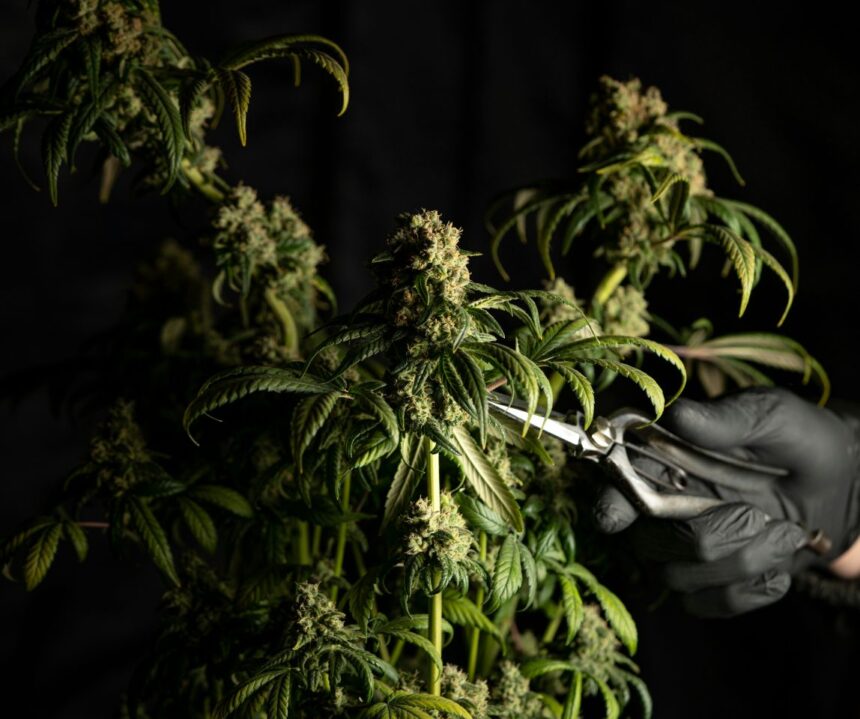
The head grower at a 100,000-square-foot facility was getting hammered over flat yields.
Investors wanted “efficiency,” the CEO wanted a silver bullet, and everyone wanted a clean story to explain why the numbers would magically go up next quarter.
Under that pressure, leadership did what struggling operations often do: they switched nutrients and bought a new fertigation system.
Recirc pumps, dosing equipment, touchscreens, the works. It looked like progress, it photographed well, and it sounded like the kind of fix executives love to talk about on calls.
Six figures later, the irrigation room was a showroom. Pallets of the old fertilizer were shoved into a corner while the new system rhythmically clicked along.
On paper, they had “addressed” the yield problem. But in the grow rooms, nothing had changed.
I’ve watched this same decision pattern repeat inside enough commercial grow operations to know that equipment rarely fixes what execution broke.
The Wrong Upgrade
Six months in, yields hadn’t budged, and production costs had actually increased. The culprit wasn’t nutrients. It was neglect.
Stock plants were old and tired. Moms that should have been replaced at four months were still in service at 18, some pushing two years. Their woody branches and crispy fan leaves towered over the staff. The propagation crew called them “grandmas,” a joke that stopped being funny when cloning success only hit 40%.
When the cuttings didn’t root, the scramble began.
Immature plants got pushed into veg, or overages from previous lots were dragged forward to plug gaps. By the time the room flipped, plant height and structure were all over the place. Irrigation became a guessing game as workers struggled to avoid overwatering or underwatering the wildly uneven crop.
Drip lines weren’t flushed or maintained between runs, so salt buildup clogged the emitters, leaving some plants bone-dry while the rest looked fine. The only way to find the victims was to wait until they visibly wilted, then rush in and water by hand.
Stressed plants did what stressed cannabis plants do: they hermied and seeded their neighbors. Yields barely met minimum per-square-foot targets, while production costs matched those of a well-run facility twice its size.
By the time leadership realized the return on their shiny new installation was a financial rounding error, the money was already gone.
The problem was never the crop. It was the discipline. And there wasn’t any.
The Wrong Focus
Everyone involved believed the new system was the solution. Ripping out old equipment, installing high-tech gear, and stacking pallets of fresh fertilizer with loud labels is the kind of story executives are eager to tell. You can point at it. You can show it to investors. You can stand in front of it for photos and talk about progress.
A neglected mother room doesn’t give you that. Neither does a boring three-ring binder full of maintenance schedules and sanitation SOPs.
Visible problems tend to get visible solutions. A fertigation system that looks dated is easy to replace. You can assign a budget, a vendor, and a project plan. It’s easy to list features and mistake complexity for sophistication.
But try telling your board that yields are down because your stock plants look like yard waste and no one is following a cloning playbook. Those sound like excuses, while shiny hardware sounds like action.
Here’s the uncomfortable truth: this facility didn’t have a yield problem. They had an executive attention problem. Leadership kept cutting checks for equipment because it is easier to buy equipment than to enforce standards. Discipline only holds when leaders set expectations, back the grow team, and step in when standards slip.
The new system didn’t just fail to fix the issue; it made it worse. The head grower spent hours mastering touchscreen menus instead of regenerating mother plants, codifying propagation protocols, or ensuring preventive maintenance. Whatever consistency remained quickly evaporated.
What Actually Works
In my 25 years across ornamental, vegetable, and cannabis production, the most reliable operators I’ve worked with abandoned clever fixes long ago and built their success on boring, repeatable execution.
Greenhouse vegetable growers figured this out a long time ago. There was never a hype cycle in tomatoes. Margins are thin, and nobody is wiring six figures to rescue an operation that can’t hit its numbers.
Walk into a serious commercial greenhouse, and you won’t find heroics; you’ll find discipline. Weekly crop measurements. Bi-weekly sap tests. Monthly maintenance logs that are signed and double-checked.
Cannabis had the opposite problem. For years, fat margins let operators get away with chaos. Yield problems got “solved” with new equipment rather than enforcement and accountability.
That era is over.
Execution Wins
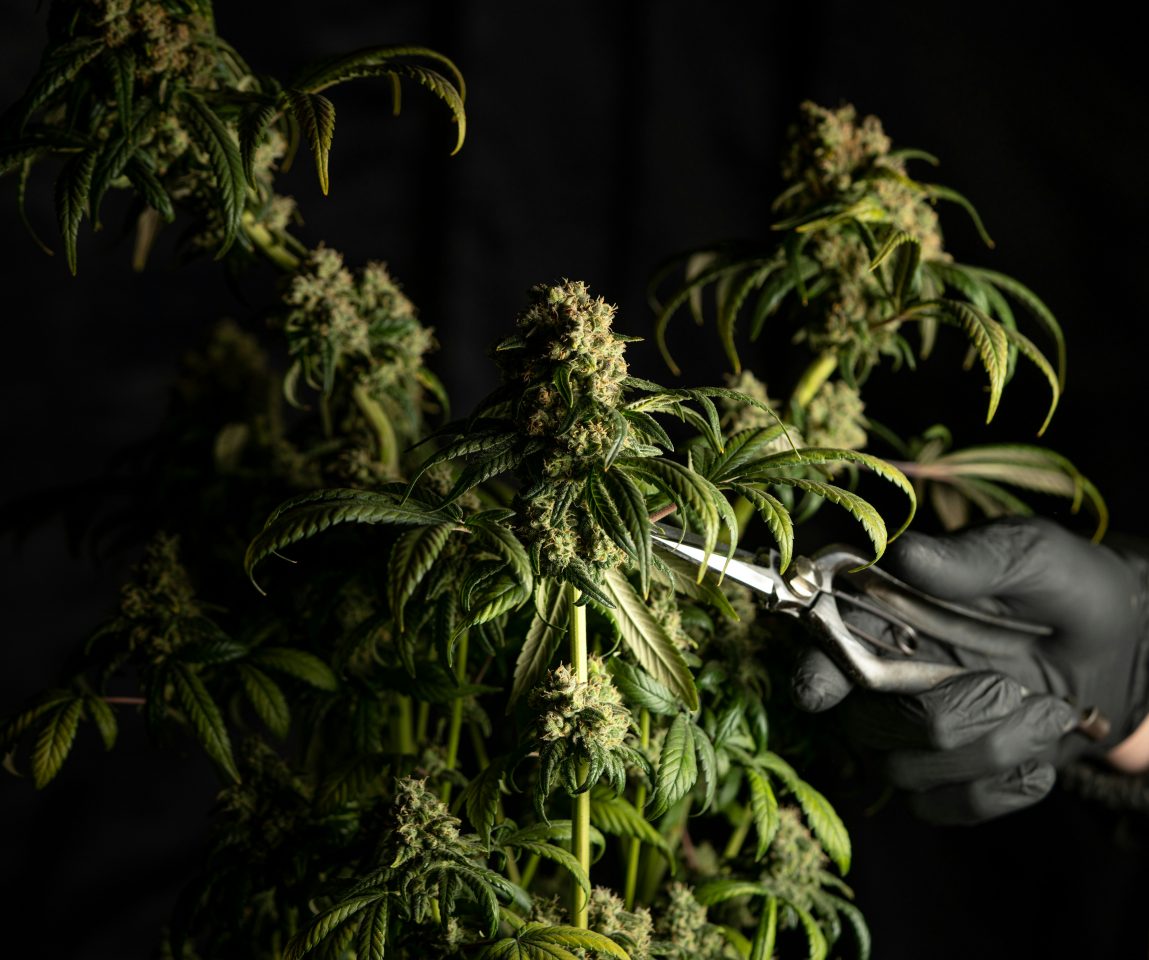
Survival won’t come from the next piece of hardware or the latest nutrient recipe. It will come from the tedious work nobody posts on Instagram: clear standards for mother plants, propagation KPIs that trigger action, and SOPs that are actually followed.
That kind of discipline is ultimately what will determine which facilities last. Not budget, but execution that looks the same on Tuesday as it does on Sunday, where mothers never become “grandmas,” and the process does its work.
The people best positioned to fix these problems usually aren’t the ones approving budgets from a distance. They’re the ones who’ve lived inside enough operations to recognize when execution has quietly become the constraint.
Before you buy another upgrade, ask what you’re really fixing: yield, or execution?
Photos courtesy of CRYSTALWEED cannabis.
This article is from an external, unpaid contributor. It does not represent High Times’ reporting and has not been edited for content or accuracy.