


From early reform efforts to modern legalization fights, these Black leaders helped reshape cannabis law and justice.
Written by Parabola Center for Law and Policy
Today, support for cannabis legalization is widespread. A majority of Black Americans favor reform, politicians now campaign on outdated drug laws, and celebrities speak openly about racial disparities while building careers in the legal cannabis industry. That visibility, however, is the result of decades of work by Black leaders who challenged prohibition at moments when public opinion, policy, and personal risk were far less predictable.
In earlier decades, speaking publicly in favor of legalization carried far greater personal and professional risk. Before public support began to increase, advocates could jeopardize their careers and reputations. Consumers faced criminal prosecution and incarceration. These risks were not borne equally: because the War on Drugs disproportionately targeted Black communities, Black advocates and consumers faced significantly higher legal and social consequences.
Since the 1990s, High Times has celebrated both unsung heroes and well-known activists for bravely standing up for what they believe in. This Black History Month, we continue that tradition by recognizing some of the Black leaders whose early courage and truthfulness were critical to the legalization movement. Without their courage, we might never have secured the rights we often take for granted today.
Parabola Center for Law and Policy, a POC-led cannabis nonprofit that puts people over profits, curated this list to honor the individuals who have done just that–fought for people’s rights without regard for personal risk or gain. From the thousands whose hard work and dedication have led to better marijuana laws, we selected 10 Black champions to honor for their contributions to legalization.
1. Professor Michelle Alexander
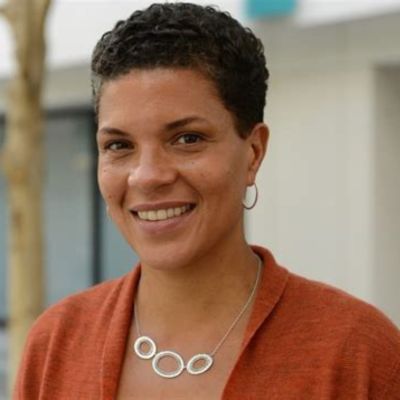
In 2010, Michelle Alexander changed the conversation with her bestselling book, The New Jim Crow: Mass Incarceration in the Age of Colorblindness. While reshaping the national dialogue in favor of criminal justice reform, she also made a major impact on cannabis policy.
In a memorable address to the International Drug Policy Reform Conference, she criticized the hypocrisy of white men profiting from newly legal cannabis while thousands of Black and brown people remained locked up for the same activity.
In 2015, she inspired a new generation of cannabis leaders when she declined to endorse Ohio’s legalization effort, writing, “Granting an oligopoly for ten wealthy investors is not justice.” The measure failed 65-35.
2. Dr. Joycelyn Elders
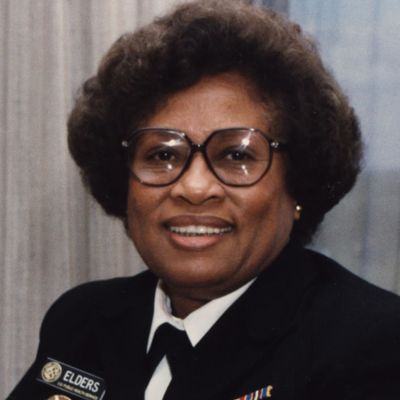
An outspoken advocate for public health, Dr. Joycelyn Elders is best known for her steadfast support for comprehensive sex education in public schools. In 1993, she became the first Black person to serve as Surgeon General, nominated by Bill Clinton, and she achieved extraordinary results for underserved communities. Although widely recognized for her moral clarity and candor on many public health issues, it is less well known that she was also an early supporter of marijuana legalization.
In 2010, she supported California’s Prop 19, telling the New York Times, “I think we consume far more dangerous drugs that are legal: cigarette smoking, nicotine and alcohol. I feel they cause much more devastating effects physically. We need to lift the prohibition on marijuana.”
3. Major Neill Franklin
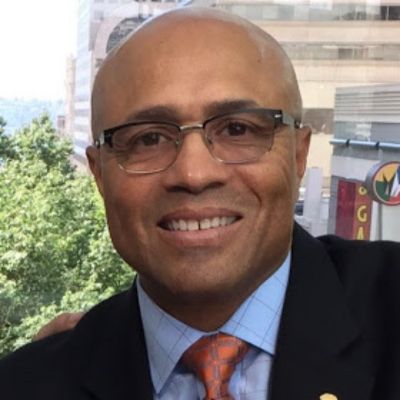
After 34 years in law enforcement, Major Neill Franklin began reexamining his role in prohibition and in repairing the harm it had caused. In 2010, well before legalization entered the mainstream, he joined the Law Enforcement Action Partnership, and testified in support of marijuana legalization across the country. Over the next decade, using his professional credibility and reputation, he helped broaden the movement by making the case that regulated cannabis was better for public safety.
His groundbreaking leadership didn’t stop at legal cannabis; he also joined United Nations advocacy efforts to end the prohibition of all drugs globally. Dubbed “the cop who broke with the drug war,” Major Franklin was recognized as a High Times Freedom Fighter last year.
4. Dr. Carl Hart
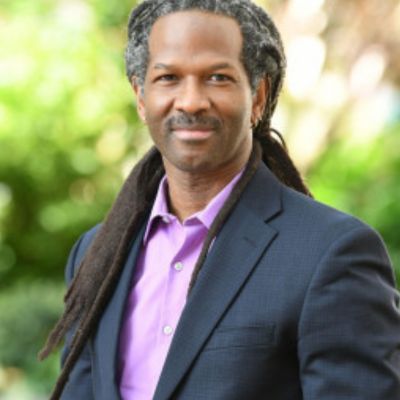
Dr. Carl Hart is a neuroscientist and psychologist at Columbia University who has spent decades challenging myths about drug use through both his research and his acclaimed books. When trace amounts of cannabis in Trayvon Martin’s blood were cited to justify his killing, Dr. Hart publicly dismantled the claim, comparing it to the alarmist narratives of Reefer Madness.
He has also served as an expert witness in family court to protect mothers from having their children removed based solely on a positive cannabis test during pregnancy. By consistently confronting fear-based policymaking and advancing evidence-based research, he has reshaped the legalization debate.
5. Linda Jackson, LVN
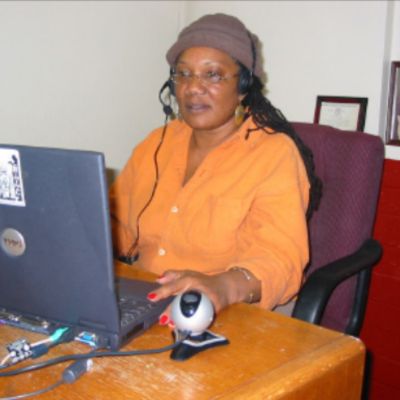
A cannabis nurse who was evaluating patients for cannabis approvals as early as 2003, Linda Jackson has been described as “way ahead of the curve.” While nurses’ contributions in the early era of medical cannabis in California received less attention than those of physicians, they were equally essential. In aninterview with the cannabis journal O’Shaughnessy’s, she detailed the process she used for patient intake.
Because medical cannabis regulations had not yet been clearly defined, she and her team developed a framework from scratch to interview patients, assess their history, and obtain their consent–all using telemedicine. Through this approach, she estimated that between 300 and 400 patients received approval to medicate with cannabis.
6. Dr. Renee Johnson
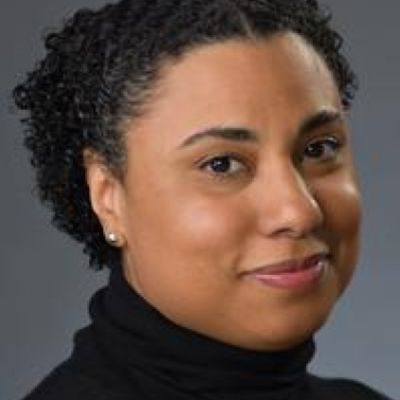
A scientist and professor at Johns Hopkins Bloomberg School of Public Health, Dr. Renee Johnson would not describe herself as an “advocate.” But as a researcher who looks at substance use in marginalized groups including people of color, immigrants, and LGBTQ+ youth, her work to discover and publicize the true impacts of legalization has been vitally important.
When many of her counterparts were quick to declare that medical cannabis laws increased use, she led astudy showing the opposite: three years after medical marijuana was first approved, rates of use declined. At the same time, she warned that use could rise or fall depending on context, emphasizing that public education would be key. Her commitment to truth over rhetoric has had a meaningful, positive impact on the legalization debate.
7. Professor Beverly Moran, Esq.
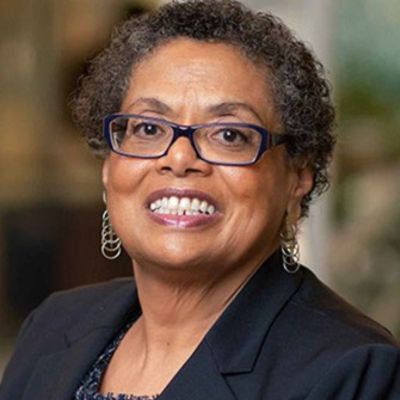
The first Black woman to serve on the national board of NORML, Professor Beverly Moran has a wealth of credibility as a professor of law and sociology. A longtime academic affiliated with institutions such as Vanderbilt Law School, she consistently focused on protecting consumers within emerging legal markets.
In aninterview, she explained the distinction that drives her work: “We have to understand that there’s a difference between consumers and the industry. . . [T]obacco consumers do not want tobacco to be more addictive, and yet tobacco companies worked for decades to make it more addictive. Alcohol producers and casinos would be more than happy if everyone was addicted to their products. These are the issues we deal with. . . how to keep it safe, how to keep it legal, how to keep research going, how to keep people out of jail.”
8. Dorsey Nunn
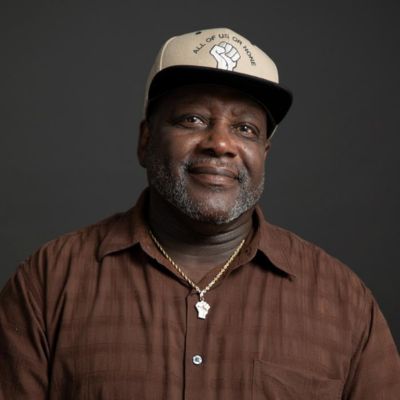
With a three-word question – “What about Pookie?” – Dorsey Nunn challenged the national legalization movement to call for the transition of those in the legacy market into the legal market. Sentenced to life in prison at age 19, he began advocating for the rights of incarcerated people while still behind bars. After his release, he co-founded All of Us or None and became executive director of Legal Services for Prisoners with Children, helping build a nationwide movement to restore the civil rights of formerly incarcerated people.
Featured in 13th by Ava DuVernay, Dorsey Nunn has changed the conversation by insisting that those most affected by the War on Drugs lead the fight to end it.
9. Deborah Peterson Small
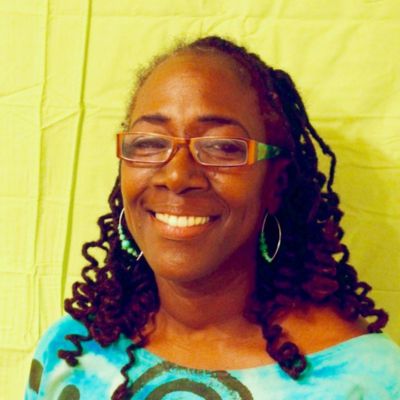
The academic article The War on Drugs is a War on Racial Justice was written by attorney, community organizer, and Harvard Law School graduate Deborah Peterson Small in 2001. When she wrote How We Can Reap Reparations from Marijuana Reform in The Root in 2016, she had been inspiring organizations and activists for over 15 years with her organization Break the Chains, and it was still far ahead of the curve.
As one of the first people to argue that marijuana legalization should serve as a way to compensate the Black communities that the War on Drugs had harmed, Deborah Small has had a profound impact on the way that legalization laws were written and implemented.
10. Clifford W. Thornton, Jr.
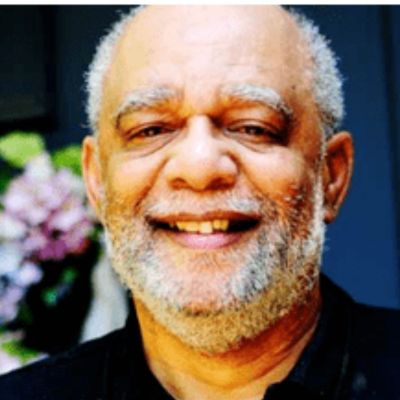
Clifford Thornton retired in 1997 to work on drug policy issues. By 2001, he had spoken to over 60,000 people about drug policy reform, focusing on race relations, economics, and public health. In his talks, he shared his own tragic story of drug criminalization, when his mother died from a heroin overdose.
In 2006, he became the first African-American candidate to appear on the general election ballot for Governor of Connecticut. Over the following decades, he continued to appear in the media hundreds of times, serving on the NORML board and helping to remove the DARE program from various districts. Almost 25 years after Clifford began full-time advocacy, his home state of Connecticut finally legalized cannabis.
Honorable Mention: Representative Barbara Lee
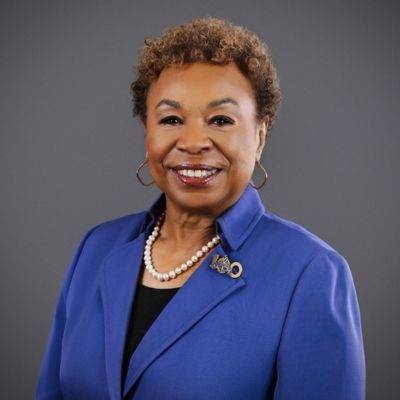
No list of this kind would be complete without mentioning Congresswoman Barbara Lee, an iconic marijuana law reform advocate whose outspoken support for change dates back to the 1970s. Rather than holding a static position or claiming vindication as public opinion shifted, Rep. Lee kept innovating and introducing more bills, culminating with the Marijuana Opportunity Reinvestment and Expungement (MORE) Act.
When the MORE Act passed the U.S. House in 2020, it marked a symbolic but significant milestone: the first federal legalization bill approved by a chamber of Congress explicitly centered on racial justice. Without her decades of strategic and pioneering leadership, cannabis legalization in the US might look very different today.
Authors’ Note: To prevent any conflicts of interest, Parabola Center staff, board members, and advisors were not considered for this list.
All images courtesy of Parabola Center.
This article is from an external, unpaid contributor. It does not represent High Times’ reporting and has not been edited for content or accuracy.