






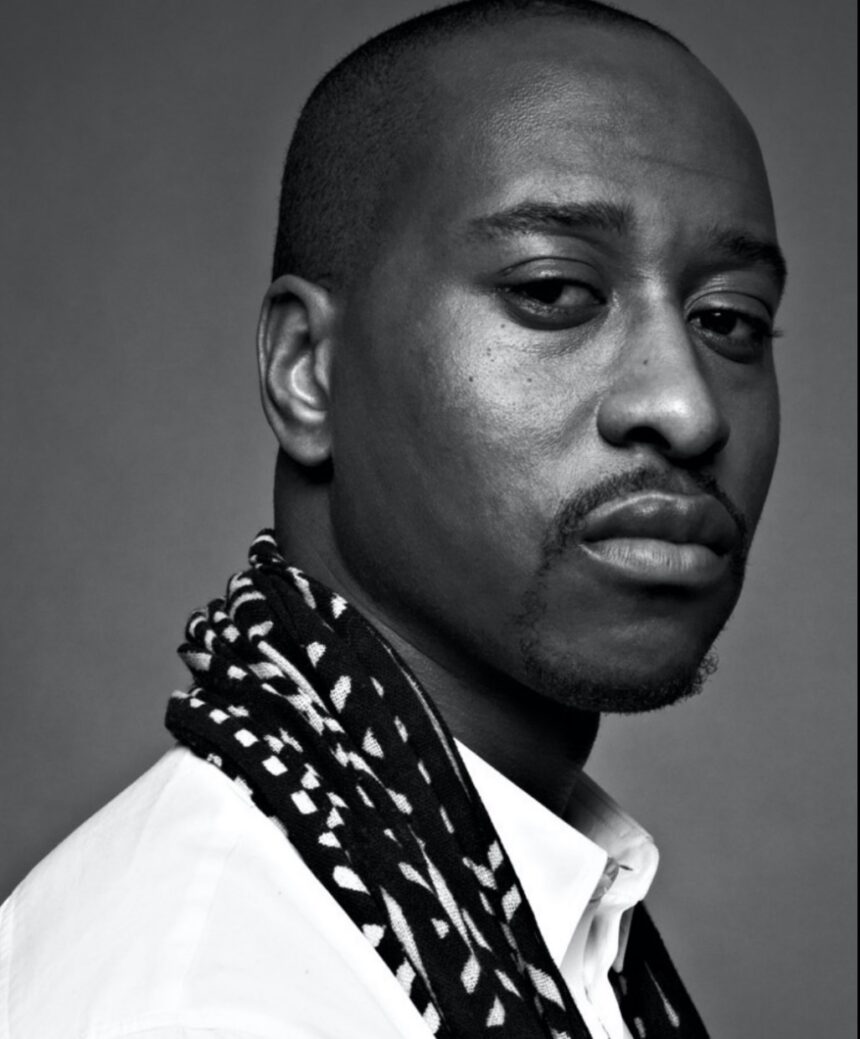
From the Bronx to Brown Budda.
“I grew up in the Bronx. My mother’s a type two diabetic.”
Marquis Hayes’s entry into cannabis was personal. He recalls waking up to medical emergencies at home–moments that forced responsibility early.
“I would usually wake up to a mom that had a sugar coma, and I would have to pry her mouth open with a spoon and put orange juice in it, so she wouldn’t have a stroke or die.”
The experience pushed him to study what food and plant-based chemistry could actually do inside the body. Cannabis came later, but the foundation–respect for the plant and for precision–was built in those early mornings.
Before founding Brown Budda–the first fully licensed dispensary in the Hamptons and the only Black-owned dispensary on Long Island–Hayes built his career in elite kitchens, where he cooked for heads of state and global figures.
The discipline of fine dining never left him. In cannabis, he talks about sourcing with the same seriousness.
“I’m going to the farm. I’m meeting the farmer, and I want to learn about this carrot before I bring it back to the store and put it on a plate and introduce it to the customers.”
Replace carrot with cannabis, and the philosophy holds.
Brown Budda was never meant to be just another retail counter.
The Cost of Being Early
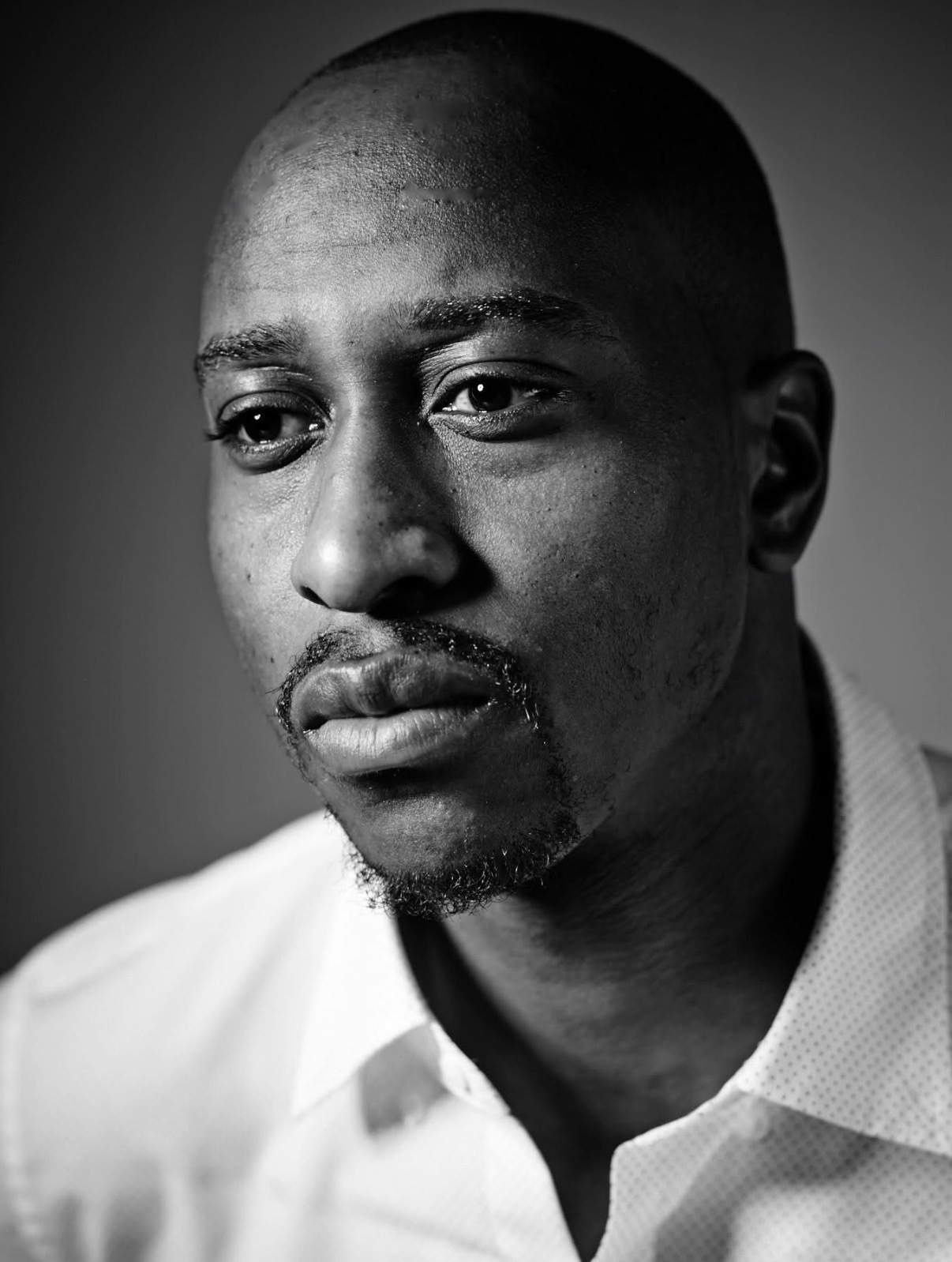
Hayes scored near the top of New York’s Conditional Adult-Use Retail Dispensary (CAURD) program, positioning him as one of the early faces of the state’s social equity rollout. But early, in a new regulatory system, often means absorbing friction first.
For nearly 17 months, Brown Budda sat in permitting limbo. Hayes said he was burning roughly $60,000 a month during the freeze, continuing to meet lease and operational obligations while waiting for approvals to move forward.
The tension between state approval and local resistance created a surreal reality in which Hayes was constantly scrambling for funds.
“Imagine being given permission to sell and then not being able to sell because someone in town says you’re illegal.”
At times, Hayes felt reduced to symbolism.
“I gotta prove to them that I’m not a fucking welfare recipient looking for handouts? That I am kind of the mascot of this equity program? You need to take me seriously.”
The line captures the strain of representing a program still proving itself.
A System Still Defining Itself
Brown Budda opened against the backdrop of a larger dispute over how the state cannabis authority interacts with municipal zoning power. Advisory opinions from the Cannabis Control Board have challenged certain local restrictions, and Southampton has joined other towns in suing the state over regulatory boundaries.
Hayes avoids framing the situation as a personal feud. From his perspective, it reflects a broader question about how municipalities interpret their authority within a state-regulated program. He believes the rules governing cannabis retail are ultimately set at the state level, and that local actions cannot override that framework.
The stakes are not abstract. They show up in payroll cycles, delivery pauses, and long commutes to keep operations steady.
Building Anyway
If there is defiance in Hayes’s posture, it is quiet and operational.
Brown Budda reflects his culinary background–deliberate, curated, intentional. Customers are greeted not with chaos but hospitality. Hayes co-founded the business with Kim Stetz, a psychotherapist and longtime yoga practitioner, whose focus on grounding and environment shapes the store’s atmosphere.
“After experiencing everything else, they come in, I give them a cup of hot cocoa or a nice cup of coffee and I let them sit down in the brown room… they look at the kiosk… and they’re like, I found my home, this is my Cheers.”
The ambition extends beyond retail. Hayes has outlined plans to integrate art, culture, and cannabis into a hospitality-driven platform.
“I really wanna have the very first cannabis… art gallery aspect where people can come in and envision or glance at art while they sip a mocktail infused beverage.”
Despite the pressure, the direction is forward.
“But I just got to keep going.”
In the Hamptons, where reputation and refinement matter, Brown Budda stands as both a test case and a statement: that social equity can produce operators with discipline, ambition, and staying power.
Courts may continue debating authority. Regulators may refine boundaries. Municipalities may press their case.
For Hayes, the tension isn’t only about one storefront. It’s about who gets real opportunity in an industry born out of prohibition, and whether equity programs produce symbolic operators or sustainable ones.
Inside Brown Budda, the work continues.
This article is from an external, unpaid contributor. It does not represent High Times’ reporting and has not been edited for content or accuracy.