





When I first started writing this, I thought it would be a quick explainer of what people mean when they say they’re “growing to wash.” The more time I spent talking to hashmakers and growers who live in the ice water world, the more I realized this isn’t just a technique. It’s a different mindset.
Growing to wash isn’t about fat colas, perfect bag appeal, or that one photo that makes a strain go viral. It’s about resin behavior. It’s about how trichome heads detach in cold water, how they hold up during agitation, and where they land when you filter them.
That shift changes everything upstream, including how genetics are selected, how plants are grown, and what people even mean when they say a cultivar is “good.”

What “Growing to Wash” Actually Means
Growing to wash means cultivating cannabis specifically for ice water hash, not for smoking flower. In this lane, growers are looking for what hashmakers often call a “washer,” a plant that reliably releases a higher percentage of intact trichome heads during extraction.
A few hashmakers told me that when they find a true washer, returns can jump dramatically compared to an average plant. You’ll hear numbers like “two to three times” thrown around in conversation. That can be real in the right conditions, but it’s not a promise and it’s not universal. Genetics, cultivation, harvest timing, and handling all matter.
How Hashmakers Judge a Plant
One misconception I heard early on is that great flower automatically makes great hash. The hashmakers I spoke with told me that’s often not true.
A cultivar can smoke beautifully and still wash poorly. The opposite can happen, too. You can have a plant that looks average in flower form, but once it hits the wash, it turns into something special.
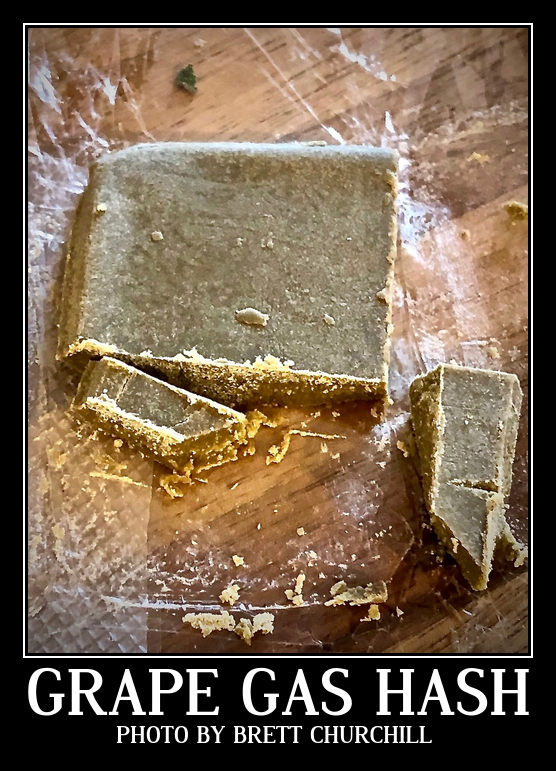
In their workflows, the focus is on how resin behaves in water. Things like trichome head size, how easily the heads separate from the stalk, and how clean the resin looks and feels once collected.
Micron preferences vary, but many hashmakers prioritize a middle range for higher-quality product. You’ll often hear people talk about the “sweet spot” being around 45u to 159u, give or take, depending on the producer and the end goal. Some makers keep more. Some keep less. Some blend. Some don’t. That’s part of the craft.
For deeper context on filtration, microns, and the history side of hash, The Hash Museum is a good educational hub.
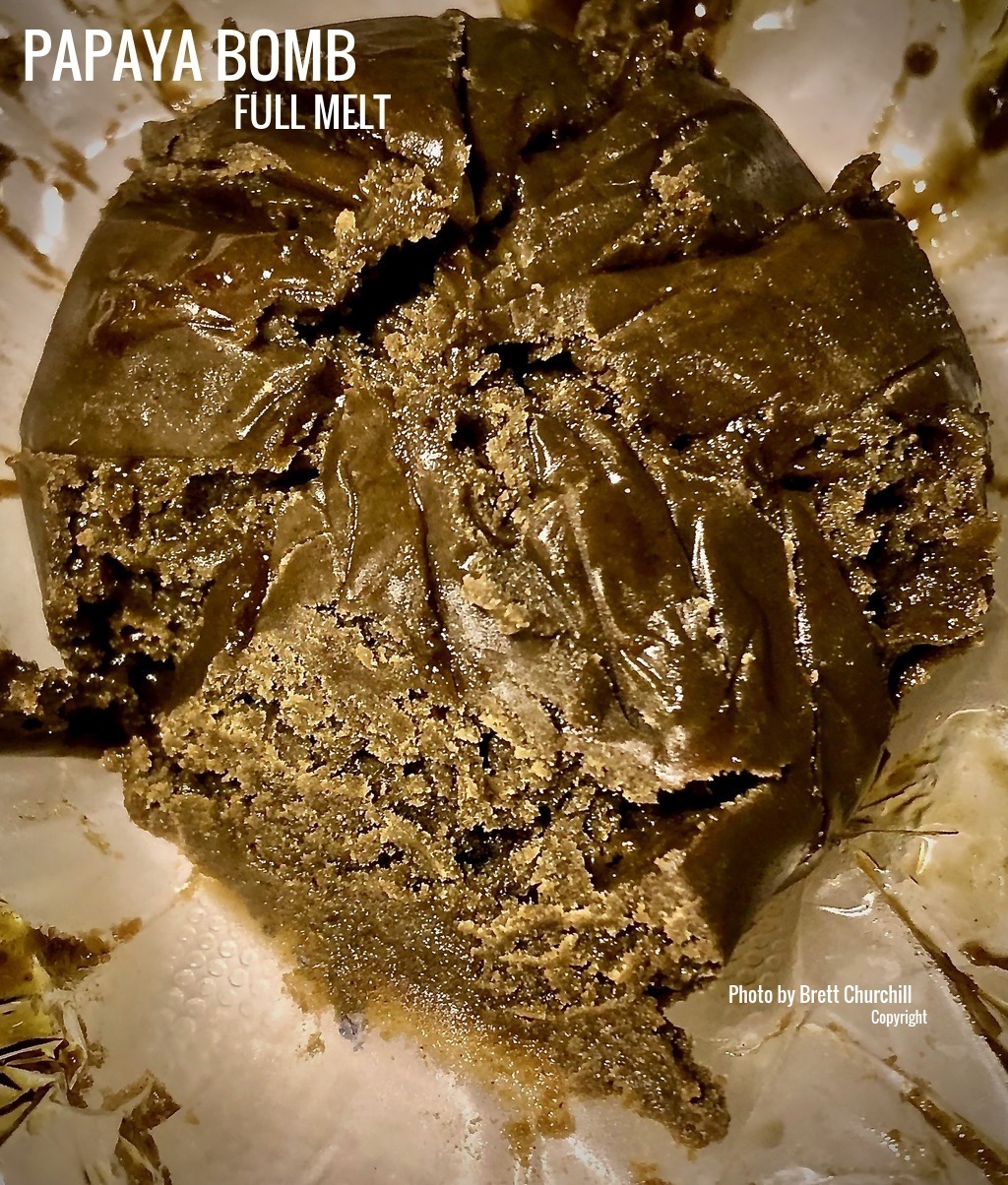
Returns: Real Talk, Not Promises
Return percentages are one of the most talked-about metrics in hash culture. They are also one of the easiest things to misunderstand.
When someone says a cultivar “returns 4%,” they’re usually talking about how much hash they collected compared to the starting weight of their fresh frozen material, often across multiple washes. But those numbers only mean something inside context.
Different rooms. Different water. Different agitation style. Different harvest window. Different processing skill. Even different batches of the same cultivar can behave differently.
So when you see a number, treat it like a real-world data point from that person’s setup, not a guarantee for everyone.
Why This Is Becoming a Genetics Story
What growing to wash really exposes is how flower-centric breeding has been for a long time. Cannabis genetics were selected for bag appeal, yield, structure, and smokeability. Hash performance was often secondary.
A few breeders and hashmakers told me something that stuck: a lot of modern hash genetics might not have impressed traditional flower buyers ten or fifteen years ago. And plenty of classic flower favorites do not wash well at all.
Growing to wash forces the question: what does “quality” mean, and who gets to define it?
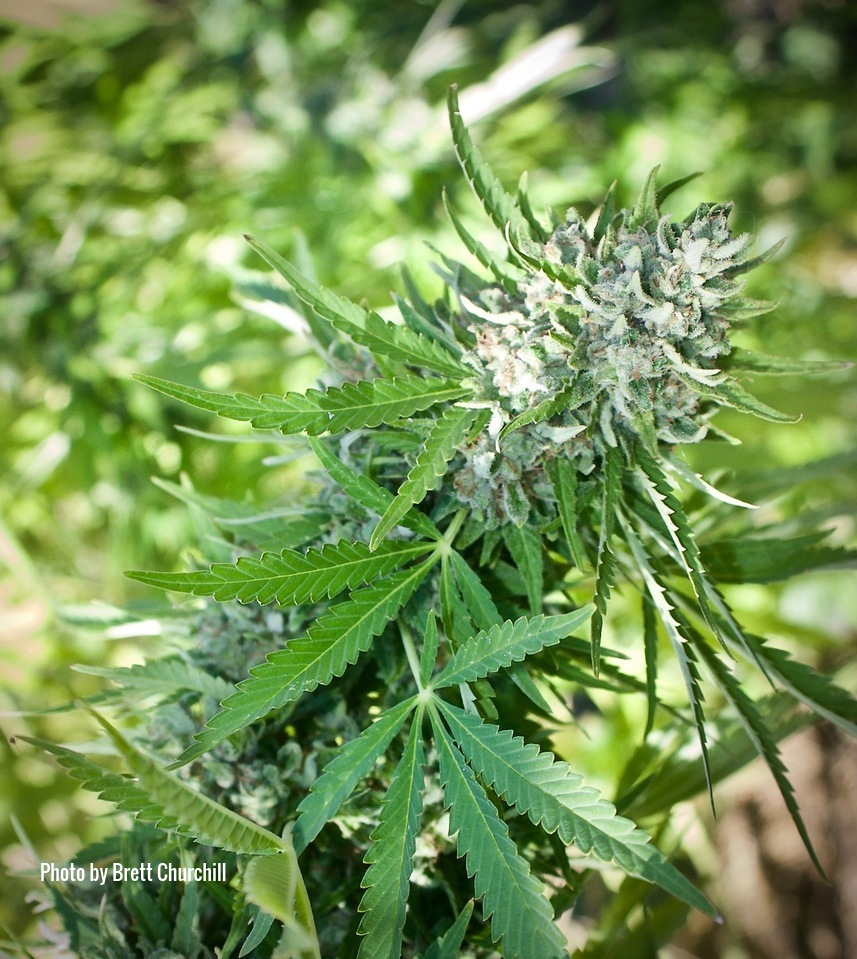
Culture to Craft
None of this is about disrespecting flower culture. Flower built this world.
But hashmaking is its own discipline, with its own standards. Growing to wash pushes that discipline to the front. It rewards certain traits, punishes others, and creates a whole new kind of selection pressure.
As markets mature, I think we’ll see more specialization, not less. Genetics bred for washing. Genetics bred for smoking. Genetics bred for a specific kind of resin expression.
Growing to wash doesn’t replace flower culture. It just reminds us cannabis is more than one thing.
This article is from an external, unpaid contributor. It does not represent High Times’ reporting and has not been edited for content or accuracy.
All photos courtesy of Brett Churchill