






You might see pre-rolls labeled with 28% THCA and assume that number tells you exactly how strong the joint will be. In reality, potency is a little more complicated than that.
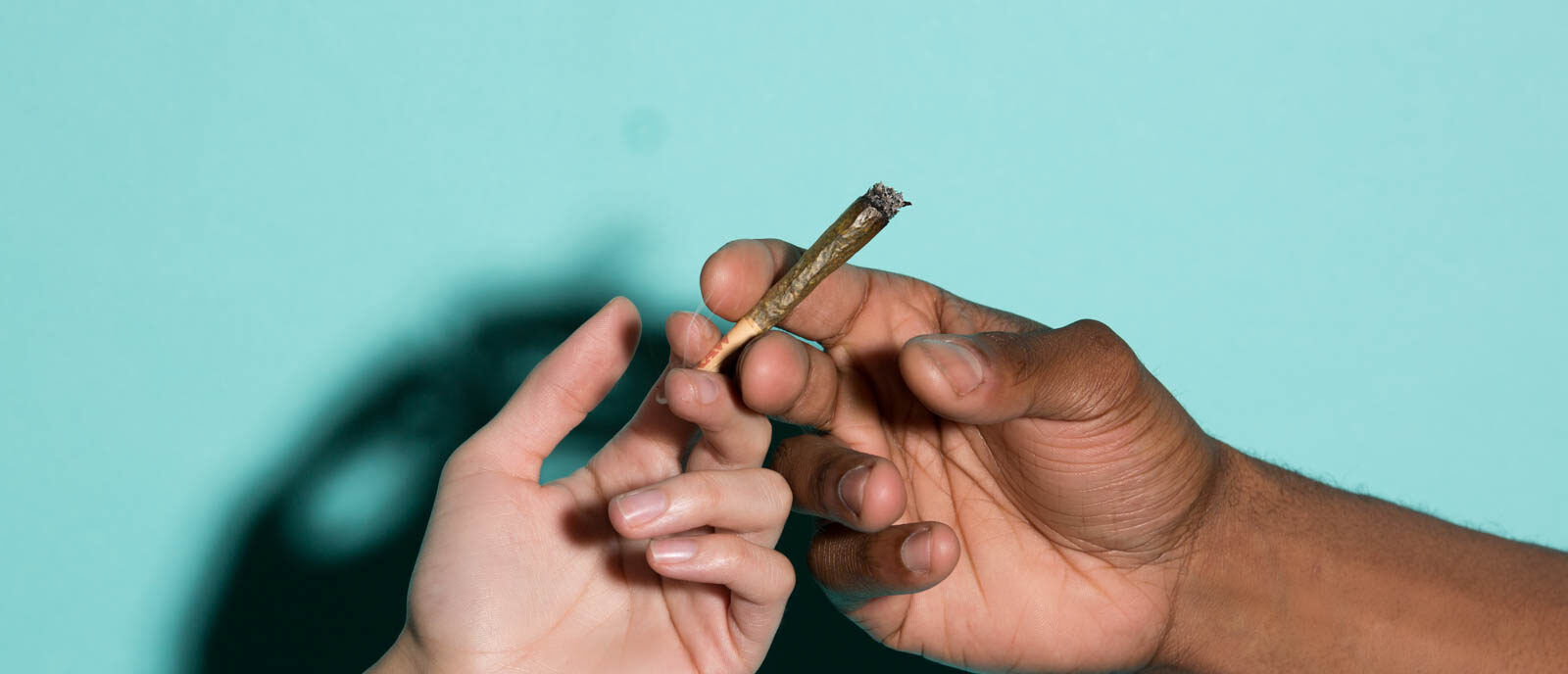
Photo by: Gina Coleman/Weedmaps
Image lightbox

The THCA percentage on a label reflects the cannabinoids present in the flower before heat is applied. When a joint burns, heat converts THCA into THC through a reaction called decarboxylation. That conversion isn’t perfectly efficient, and some cannabinoids are lost during combustion.
Storage conditions, freshness, and how evenly a pre-roll burns can also influence how much THC is ultimately delivered during a session.
Understanding potency in THCA pre-rolls means looking at more than just the number on the label. Cannabinoid stability, storage conditions, and combustion chemistry all play a role in how much THC actually reaches the inhale.
A cannabis label shows the cannabinoid levels measured during lab testing, typically before the product reaches a dispensary shelf. That number reflects the chemical makeup of the flower at a specific moment in time, not necessarily the potency you’ll experience when smoking the pre-roll.
Several real-world factors affect how much THC is actually delivered during a session, including:
- How efficiently THCA converts into THC during heating
- Losses during combustion and smoke
- Storage conditions between testing and consumption
- Freshness and terpene preservation
In other words, THCA percentage is a starting point, not a guarantee of the final experience. Understanding how conversion works helps explain why two pre-rolls with similar labels can feel different.
For consumers, this means a higher THCA percentage usually indicates greater potential potency, but it doesn’t guarantee a stronger smoking experience. How efficiently the joint burns, how well the cannabinoids convert during heating, and how fresh the flower is can all influence how strong a pre-roll ultimately feels.
The THCA percentage listed on a pre-roll describes the cannabinoids present in the cannabis flower before it’s exposed to heat.
In raw cannabis, THCA is the dominant cannabinoid. While chemically similar to THC, it doesn’t produce the same intoxicating effects on its own. The psychoactive compound most consumers associate with cannabis, delta-9 THC, forms only after heat removes a carboxyl group from THCA in a reaction called decarboxylation.
Because of this chemistry, lab reports often estimate “total THC” using a conversion formula that accounts for the weight difference between THCA and THC after decarboxylation.
However, this calculation assumes ideal conversion conditions, which rarely happen during real-world smoking. A pre-roll‘s labeled potency reflects the cannabis before it burns, not the exact amount of THC that ultimately reaches the consumer.

Photo by: Gina Coleman/Weedmaps
Image lightbox

When a THCA pre-roll burns, several chemical processes happen at once. Heat converts some THCA into THC, but combustion also destroys or disperses cannabinoids.
During smoking:
- Some THCA converts into THC in the heated zone behind the cherry
- Some cannabinoids degrade at very high temperatures
- Some THC escapes in sidestream smoke between puffs
- Some remains in the ash or unburned material
Because of these factors, not all cannabinoids in the pre-roll are inhaled or absorbed. Smoking is an inherently inefficient delivery method compared to controlled heating methods like vaporization.
That doesn’t mean pre-rolls are weak, only that the label reflects potential potency, while the real experience depends on how much THC survives the burn and reaches the inhale.
THCA is relatively stable when cannabis is stored properly, but it slowly changes over time when exposed to heat, oxygen, and light. Even before a pre-roll is opened, these environmental factors can influence cannabinoid levels and terpene quality.
Cannabis testing captures the cannabinoid profile at the time the product is analyzed. From that point forward, natural degradation begins, especially if storage conditions fluctuate during transport, retail display, or home storage.
As cannabis ages, terpene loss and gradual cannabinoid degradation can subtly change how a pre-roll feels. Older flower may still contain measurable THCA, but reduced terpene levels and chemical changes can make the experience feel flatter or less dynamic than when the product was freshly packaged.
To help preserve cannabinoid stability in pre-rolls:
- Store them in a cool, dark place
- Keep them sealed to limit oxygen exposure
- Avoid high temperatures, which accelerate chemical changes
When these conditions are controlled, THCA remains relatively stable for longer periods. Poor storage, however, can gradually reduce both freshness and potency potential.
Three environmental variables play the biggest role in how cannabinoids change over time: heat, light, and oxygen.
Heat speeds up chemical reactions in cannabis. Higher temperatures can cause cannabinoids and terpenes to degrade more quickly, especially during long storage periods.
Light, particularly ultraviolet (UV) light, can also break down cannabinoids. This is why many cannabis products are packaged in opaque or UV-resistant containers.
Oxygen exposure contributes to oxidation, which slowly alters cannabinoids and aromatic compounds in cannabis. Repeatedly opening containers or storing pre-rolls loosely can accelerate this process.
Together, these environmental factors explain why freshness matters. A well-stored pre-roll is more likely to preserve the cannabinoid profile measured during testing.

Terpenes, the aromatic compounds responsible for cannabis flavor and scent, can influence how strong a pre-roll feels.
Terpenes interact with cannabinoids in ways that can shape the overall experience, a concept commonly referred to as the entourage effect. When terpene levels are preserved, many consumers describe the effects as more balanced or full.
Over time, however, terpenes are often the first compounds to degrade. Exposure to heat, air, or repeated handling can cause them to evaporate or oxidize, leading to muted aroma and flavor.
When terpene levels drop, a pre-roll may still contain cannabinoids but feel less dynamic or flavorful than when it was freshly packaged. Freshness, storage, and terpene retention all contribute to the real-world experience of a THCA pre-roll.
When a THCA pre-roll is lit, heat triggers decarboxylation, the chemical reaction that converts tetrahydrocannabinolic acid (THCA) into delta-9 THC. This happens when heat removes a small carboxyl group from the THCA molecule, activating its psychoactive properties.
In a burning joint, this process occurs in a heating zone just behind the cherry, the glowing tip of the pre-roll. Cannabis in this area warms enough to decarboxylate cannabinoids before the material is fully combusted.
At the same time, the combustion zone itself can reach extremely high temperatures. While this heat helps drive decarboxylation, it can also destroy some cannabinoids and terpenes before they reach the inhale.
Because of these overlapping temperature zones, a pre-roll simultaneously produces THC, vaporizes cannabinoids, and burns plant material. The amount of THC that ultimately reaches the consumer depends on how much THCA converts before degradation occurs.
Even with identical THCA percentages, two smoking sessions can deliver different amounts of THC. That’s because conversion efficiency depends on how the pre-roll burns.
Several variables influence the process:
- Puff intensity: Stronger draws increase airflow and combustion temperature
- Burn speed: Faster burns can increase cannabinoid loss
- Relights: Repeated lighting exposes cannabinoids to additional heat
- Airflow through the joint: Packing density and paper type affect burn behavior
- Time between puffs: Cannabinoids can continue burning between inhales
Because of these factors, combustion is less controlled than other consumption methods. The conversion of THCA to THC during smoking is variable rather than perfectly predictable.
This variability helps explain why the same pre-roll can feel slightly different depending on how it’s smoked and how evenly it burns.

For consumers comparing products, the THCA percentage is still a useful starting point. But it’s best understood as potential potency rather than a guaranteed outcome.
A few practical indicators can help when evaluating THCA pre-rolls:
- Fresh packaging dates: fresher products are more likely to retain cannabinoids and terpenes
- Proper storage: products kept cool and protected from light preserve their chemistry longer
- Aroma and terpene presence: strong scent often signals better terpene retention
- Even burn quality: well-packed pre-rolls tend to convert cannabinoids more consistently
Together, these factors help determine how much of the labeled potency actually translates into the smoking experience.
Understanding how stability, storage, and combustion chemistry interact gives consumers a clearer picture of what potency numbers really mean.
Order pre-rolls for pickup or delivery from a dispensary near you on Weedmaps.