





Photo by: Gina Coleman/Weedmaps
Image lightbox
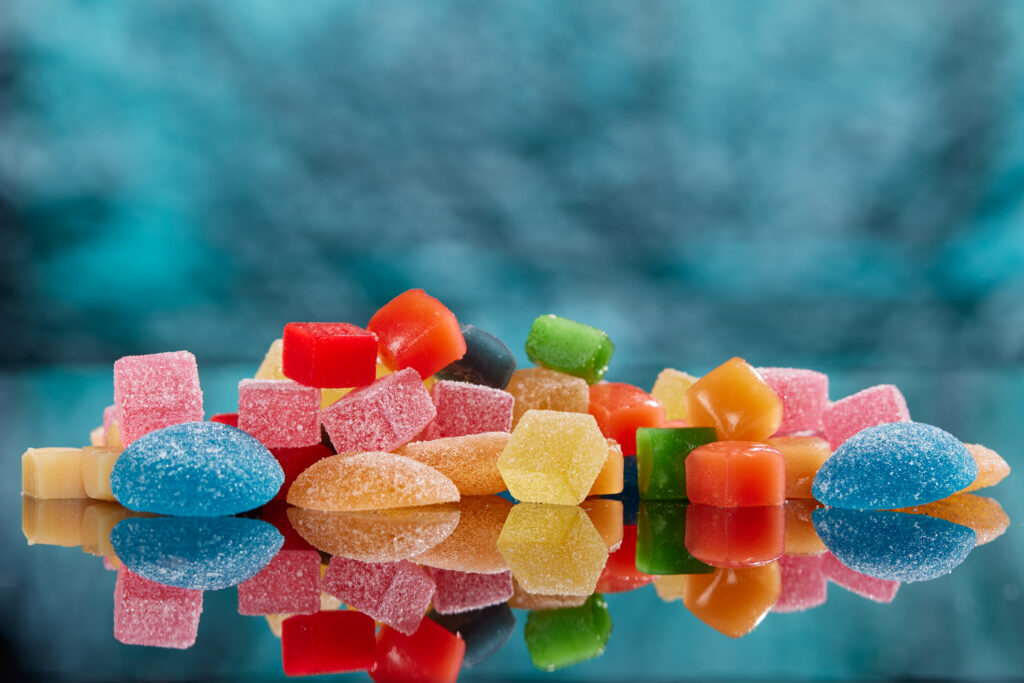
For many consumers, when dosing edibles the goal is something more subtle, improved mood, better focus, or a lighter sense of relaxation without feeling overwhelmed. That’s where microdosing edibles comes in. Instead of taking a full dose, microdosing involves consuming very small amounts of THC, typically in the 1–5 mg range, depending on tolerance.
Low doses of THC affect the body differently than higher doses. While larger amounts may produce stronger psychoactive effects, smaller doses are often used to create more controlled, functional experiences.
Because edibles are processed through the digestive system and converted into 11-hydroxy-THC in the liver, even small changes in dosage can lead to noticeable differences in how they feel.
Understanding how low-dose THC works, and how to adjust based on your tolerance and goals, can help you find a more consistent and manageable edible experience.
What microdosing edibles means
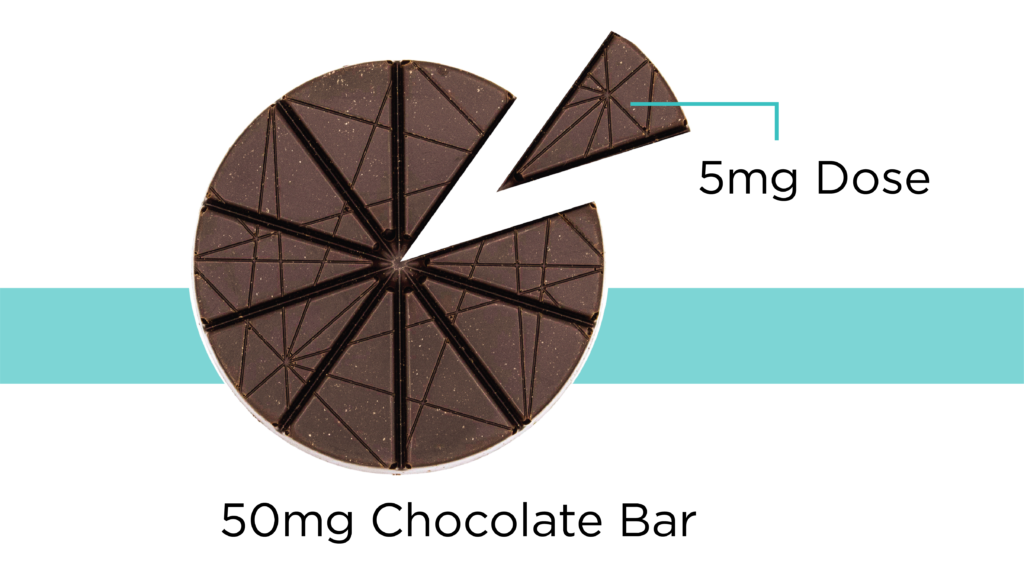
Image lightbox
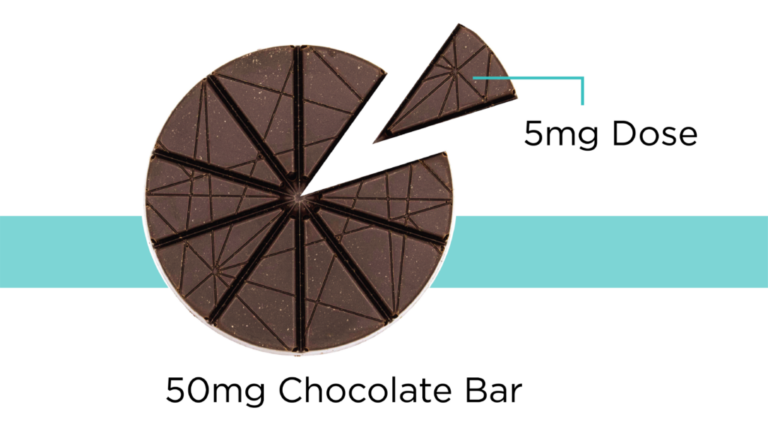
Microdosing edibles refers to taking very small amounts of THC to produce subtle, controlled effects rather than a full psychoactive experience.
Typical microdose ranges include:
- 1–2.5 mg THC: very mild effects, often barely noticeable
- 2.5–5 mg THC: light mood shift or relaxation
- 5–10 mg THC: stronger effects, often considered a standard dose
The goal isn’t to feel “high,” but to find a level where the effects remain manageable and functional.
How low THC doses affect mood
At lower doses, THC can interact with the endocannabinoid system in a more subtle way.
Some consumers report:
- Slight mood elevation
- Reduced stress or tension
- A general sense of ease
These effects tend to be less intense than higher doses, which can sometimes feel overwhelming or sedating depending on the individual.
Because responses vary, starting low and adjusting gradually helps maintain a predictable experience.
How microdosing can support focus
Low doses of THC may also influence focus differently than higher doses.
Instead of heavy cognitive effects, microdosing is often associated with:
- Improved task engagement
- Increased mental clarity (in some users)
- Reduced distractions linked to stress
Higher doses, by contrast, are more likely to impair concentration. This is why microdosing is often preferred for daytime or functional use.
Why edibles behave differently at low doses
Edibles go through digestion and are metabolized in the liver, where THC is converted into 11-hydroxy-THC.
This process:
- Takes longer to onset (typically 30–120 minutes)
- Consumers often report edibles feeling more intense than inhaled cannabis, even at similar doses
- Makes small dose changes more noticeable
Because of this delayed and amplified effect, precise dosing becomes more important when working with low amounts.
How to find your ideal microdose
Photo by: Gina Coleman/Weedmaps
Image lightbox
Finding the right dose takes some experimentation.
A simple approach:
- Start with 1–2.5 mg THC
- Wait at least 2 hours before taking more
- Increase gradually in small increments
Factors that influence your ideal dose include:
Tracking how different doses feel over time can help you identify a consistent “sweet spot.”
When to microdose vs take a standard dose
The right dose depends on what you’re trying to get out of the experience.
Microdosing tends to work best when the goal is subtle — mood support, staying functional during the day, or easing into edibles without committing to a stronger effect. It’s also the smarter starting point for anyone new to edibles or returning after a long break, since tolerance resets quickly and low doses leave room to adjust.
A standard dose makes more sense when you’re looking for something more pronounced — stronger relaxation, heavier recreational effects, or you’ve already established a tolerance baseline through lower doses over time.
- Microdose (1–5 mg): Subtle mood support, daytime use, low tolerance, new to edibles
- Standard dose (5–10 mg+): Stronger effects, higher tolerance, relaxed setting
The distinction isn’t just about potency — it’s about matching the dose to the context. What works for a focused afternoon looks different than what works for an evening wind-down.
The bottom line
Microdosing edibles is about finding a balance. Small amounts of THC can produce subtle effects that feel more controlled and manageable than higher doses.
Because edibles are metabolized differently, even low doses can have noticeable effects. Starting low, waiting long enough, and adjusting gradually makes it easier to find your ideal range.
Once you understand how your body responds, microdosing becomes a reliable way to tailor cannabis use to your needs.
Order low-dose edibles for pickup or delivery from a dispensary near you on Weedmaps.