





The first installment of a new High Times x Beard Bros x Ganja Traveler series heads to Trinity County, the overlooked edge of the Emerald Triangle where cannabis still feels rooted in land, culture, and connoisseur craft.
If you only know the Emerald Triangle through Humboldt and Mendocino, Trinity County can feel like the chapter people keep forgetting to read.
That is part of its appeal.
More rugged, less mythologized, and still deeply tied to the plant, Trinity offers a different kind of Northern California cannabis story. It is not the loudest county in the conversation, but it may be one of the most revealing. This is a place where geography still matters, where growers talk in terms of microclimates and mountain rhythms, and where cannabis culture feels less packaged for visitors and more woven into everyday life.
That is exactly why it makes sense as the starting point for Trippin’ With The Ganja Traveler, a new cannabis travel series developed by Brian Applegarth, founder of Applegarth Intelligence, in collaboration with Beard Bros Pharms and High Times. The idea is simple: travel through cannabis places with an eye for culture, terroir, and local character, aimed not at the merely curious, but at the cannabis connoisseur who wants to understand how a destination actually lives with the plant.
Trinity is the right place to begin.
Day One: Hayfork and the Craft Story
The trip starts in Hayfork, a small mountain town that still carries the rough edges and independence that shaped the Triangle in the first place. Here, cannabis is not just an industry talking point or a tourist-friendly identity layer. It is part of the economic and cultural fabric, tied to land, labor, weather, and survival.
The framing that makes Trinity interesting is not that it is trying to out-Humboldt Humboldt. It is that it sits slightly off to the side of that louder mythology, with its own cultivation story, its own pace, and its own growers. Applegarth describes it as “the side door to the Emerald Triangle,” and that phrase lands because Trinity feels exactly like that: adjacent to the legend, but not consumed by it.
Hayfork also gives you a first look at what makes Trinity distinct in cultivation terms. Local growers talk about the county’s climate with a kind of practical reverence. The air is drier than coastal Humboldt. The elevation shifts the conditions. The mountain environment creates different expressions in the plant. For people who care about connoisseur cannabis, that matters.
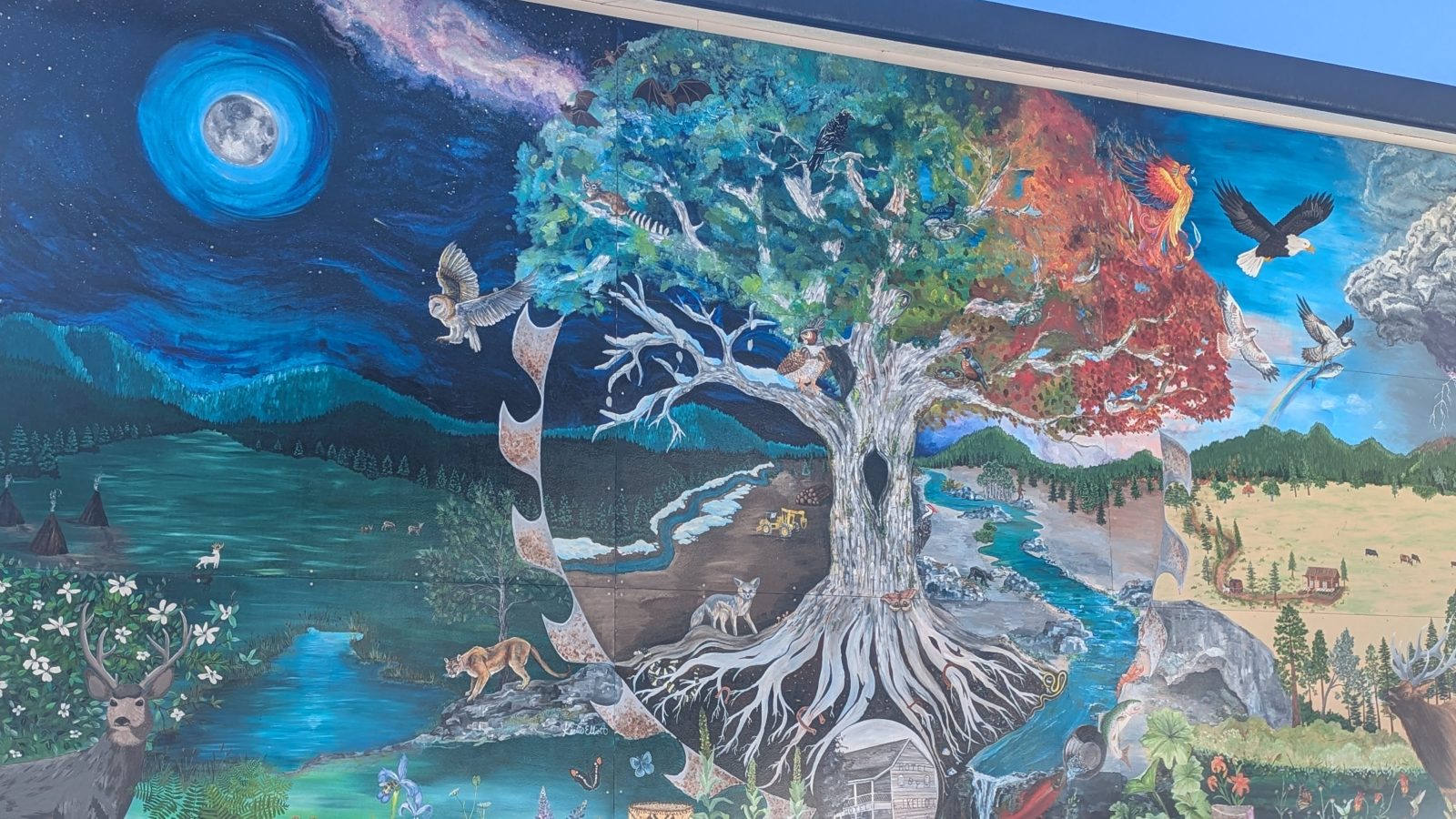
That is one of the bigger ideas behind the Ganja Traveler series. These trips are not just about “weed-friendly places.” They are about cannabis destinations as ecosystems, where geography, agriculture, hospitality, and culture intersect.
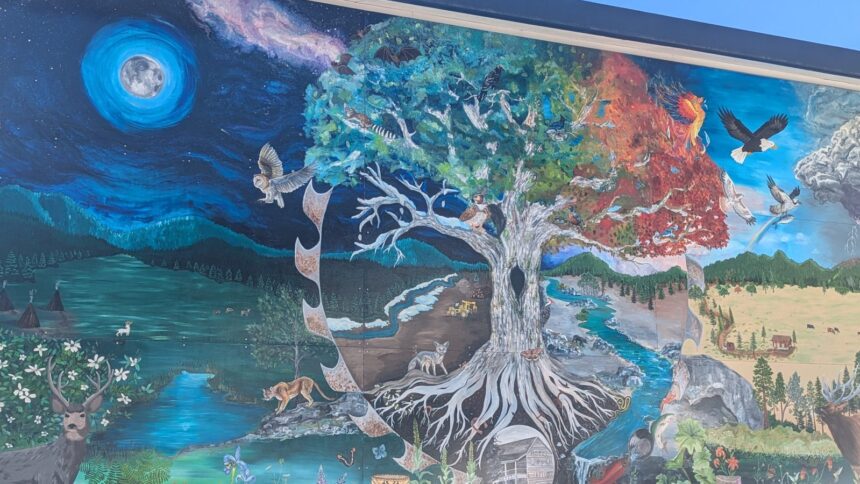
Day Two: Hyampom, Murals, and the Shape of Place
If Hayfork gives you one version of Trinity, Hyampom gives you another.
This is where the county starts to feel less like a stop on a route and more like a place with its own internal mythology. The roads narrow. The scenery turns cinematic. The distance from mainstream cannabis branding becomes part of the experience. You are not in a polished retail story here. You are in a landscape.
That distinction matters. Too much cannabis travel content tends to flatten destinations into dispensaries, products, and vibes. Trinity resists that. The appeal is not only what you can buy. It is what the place reveals about the long arc of cannabis culture in California.
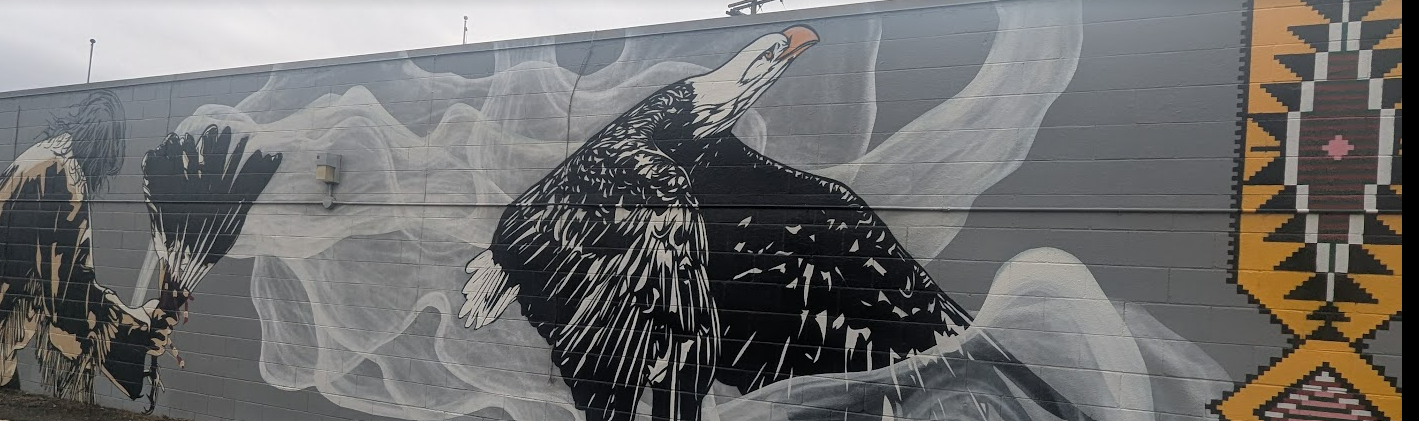
That is also why Trinity works as a first installment. It has enough cannabis history, regional identity, and cultivation credibility to make the format feel lived in from the start, while still offering the sense of discovery that cannabis travel pieces too often lose.
In other words, Trinity is not just a destination here. It is a pilot episode.
Day Three: Weaverville and the Larger Travel Thesis
By the time the route reaches Weaverville, the larger point comes into focus.
This is not a story about chasing the most obvious cannabis destinations. It is about identifying the places where cannabis still tells you something deeper about land, legacy, and the future of travel itself. Trinity gets left out of too many conversations because it is not as easy to summarize. That is exactly why it deserves attention.
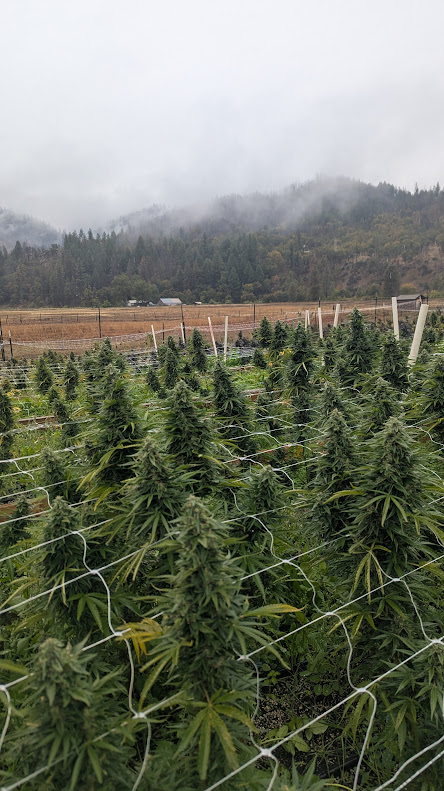
The broader project behind this story is betting on a bigger idea: that cannabis travel is not a niche novelty, but an emerging category with real cultural and commercial weight. What makes this first stop work is that Trinity County makes the case without trying too hard. It has cannabis history, regional identity, cultivation credibility, and just enough distance from the obvious routes to feel like discovery instead of recap.
That is the side door’s advantage.
For cannabis travelers who care less about polished consumption and more about origin stories, microclimates, and the local logic of the plant, Trinity may be one of the most interesting counties in California. Not because it shouts the loudest, but because it doesn’t.
And for High Times, Beard Bros Pharms, and Brian Applegarth’s Ganja Traveler project, that makes it a fitting place to start.
Editor’s note: This story is the first installment of Trippin’ With The Ganja Traveler, a new cannabis travel series from Brian Applegarth, in collaboration with Beard Bros Pharms and High Times. Future installments will explore cannabis destinations through the lens of culture, terroir, and the connoisseur travel experience.