




By Michael Krawitz with the assistance of the Veterans Action Council.
For many decades, those of us working at the intersection of Veteran healthcare, medical cannabis advocacy, and international drug policy have encountered the same response from the DEA that the international treaties allow the DEA, up until now, to block medical access to cannabis.
The 1961 Single Convention defines “cannabis” primarily as the flowering or fruiting tops of the cannabis plant from which the resin has not been extracted. Seeds and leaves without the flowering tops are explicitly excluded from that definition.¹ Governments around the world pointed to the treaty framework as justification for limiting access to medical cannabis, imposing restrictive monitoring systems on patients, and maintaining punitive approaches toward cannabis cultivation and possession, even in cases involving serious illness. For Veterans living with chronic pain, PTSI, or other service-related conditions, these policies often translated into a stark reality: legal obstacles standing between patients and a medicine that many found effective when other treatments had failed.
At the same time, the same treaty language was frequently used to justify the strict regulation of hemp-derived products, including cannabinoids with low abuse potential, such as cannabidiol (CBD). These compounds originate from the cannabis plant; many regulators assumed they must automatically fall under the same international narcotics controls as flowering tops and resins of the cannabis plant. That interpretation is now being challenged.
In 2018, the World Health Organization Expert Committee on Drug Dependence (ECDD) conducted a comprehensive review of CBD. It concluded: “Cannabidiol (CBD) exhibits no effects indicative of any abuse or dependence potential… CBD is generally well tolerated with a good safety profile.”² Based on this evaluation, the WHO recommended that preparations containing predominantly CBD and not more than trace levels of THC should not be placed under international drug control.
Over the past several years, we have witnessed a significant evolution in how the international drug control system is understood. The rigid prohibition framework that defined much of the twentieth century is gradually giving way to a more nuanced approach, one that places greater emphasis on public health, scientific evidence, and human rights.
Subsequent clarification from the International Narcotics Control Board (INCB) reinforced this interpretation. In its guidance on the treaty provisions relating to cannabis, the Board noted: “THC, its isomers and delta-9-THC are controlled under the 1971 Convention… CBD is not included in the Convention’s schedules and therefore is not subject to control.”³ This clarification matters. It means that under the current treaty framework, CBD itself is not an internationally controlled narcotic. Governments may regulate CBD products domestically, but the treaties do not require them to treat CBD as a controlled drug.
Crucially, these changes are not coming solely from advocacy organizations or reform-minded governments. They are also emerging from the institutions responsible for enacting and overseeing the international drug control treaties themselves. The International Narcotics Control Board (INCB), long considered the guardian of strict treaty compliance, has begun clarifying interpretations that recognize the need for flexibility when it comes to patient care, scientific research, and modern agricultural uses of the cannabis plant. These interpretive shifts represent more than technical adjustments. They signal a growing international consensus that drug policy must ultimately serve patients’ well-being and rights.
The CBD Breakthrough: Interpreting the Treaties by Their Purpose
One of the most important developments concerns the international treatment of cannabidiol (CBD). For years, treaty interpretation created a peculiar legal paradox. Because CBD is extracted from the cannabis plant, it was initially classified as a “cannabis extract.” Under a strict reading of the 1961 Convention, this classification placed CBD within the scope of Schedule I controls, even though the compound itself lacks potential for abuse or dependence.
This interpretation has created regulatory confusion worldwide. Products widely recognized as safe, used by patients seeking relief from inflammation, epilepsy, anxiety, and other conditions, were sometimes treated under the same legal framework as substances considered highly addictive or dangerous. The problem stemmed from an overly literal reading of treaty language written more than sixty years ago, at a time when modern cannabinoid science did not yet exist. Beginning in recent years, the INCB has moved toward a more sophisticated method known as teleological interpretation. In legal terms, this approach examines the purpose of a treaty rather than relying exclusively on the literal meaning of its words. The purpose of the international drug control conventions is not to prohibit plants or molecules simply because they exist. Rather, the system was designed to prevent the misuse of substances that can cause addiction, harm, or significant public health risks. CBD does not fit that profile.
Recognizing this, the INCB’s guidance and related treaty analysis support the view that CBD products lacking significant THC should not be treated as controlled drugs under the conventions.⁴ Governments remain free to establish reasonable thresholds of THC, but the international legal basis for treating CBD as a dangerous narcotic has effectively weakened. For patients and industry alike, this clarification removes a major obstacle that once constrained research, medical access, and economic development in hemp-derived products. This also highlights the fact that the INCB recognizes that a good CBD medicinal product necessarily has some THC in it.
The Industrial Evolution: Rethinking Hemp in the Modern Era
Another major interpretive shift concerns Article 28, paragraph 2 of the 1961 Convention, which provides an exemption for cannabis cultivation conducted for “industrial purposes (fiber and seed).” For decades, many governments interpreted this clause narrowly. Under that restrictive view, hemp could legally be grown only for traditional agricultural uses such as textile fiber production or seed-based food products. Any cultivation connected to cannabinoid extraction, even if the cannabinoids lack abuse potential, was often treated as falling under the same strict controls applied to drug-type cannabis.
Modern agricultural and industrial uses of hemp, however, have expanded dramatically. Today, hemp is used in construction materials, bioplastics, nutritional products, and cannabinoid extraction. The INCB has acknowledged the scope of this exemption: “Only cannabis cultivation for industrial purposes (fiber and seed) or horticulture is exempt from international control.”³ While the treaty text specifically mentions fiber and seed, many legal scholars and policymakers interpret those terms as examples reflecting the agricultural uses known in 1961 rather than a closed list of permissible activities.
Recent communications from the INCB to national authorities, including Circular Letter E/INCB/NAR/C.L.20/2024,7 further discuss how cannabis-related substances should be interpreted under the conventions. These private multilateral communications emphasize that only certain cannabinoids, primarily THC and its isomers, are internationally scheduled, reinforcing the distinction between drug and non-drug components of the plant.³
This interpretation created unnecessary regulatory barriers for farmers and innovators exploring the many modern applications of hemp. Advocates and legal scholars long argued that the phrase “fiber and seed” should be understood as illustrative rather than exhaustive. In other words, the treaty language was meant to provide examples of industrial uses, not a closed list of permissible activities.
Recent legal analysis and policy discussions, including remarks by Dr. Pavel Pachta, suggest this broader interpretation is gaining support. The Board’s publicly available language makes clear the exemption exists, though the full scope of that exemption remains a matter of interpretation.
This clarification has significant implications. Cultivation of hemp for the extraction of non-controlled cannabinoids, such as CBD, can reasonably be considered an industrial agricultural activity rather than drug production, so long as psychoactive components such as THC are appropriately regulated within existing frameworks.7
For farmers, researchers, and manufacturers, this recognition provides a pathway toward regulatory certainty. It also reflects a broader understanding that the cannabis plant is not a monolithic entity. Its industrial, nutritional, medicinal, and scientific applications are diverse, and international policy must be flexible enough to accommodate that reality.
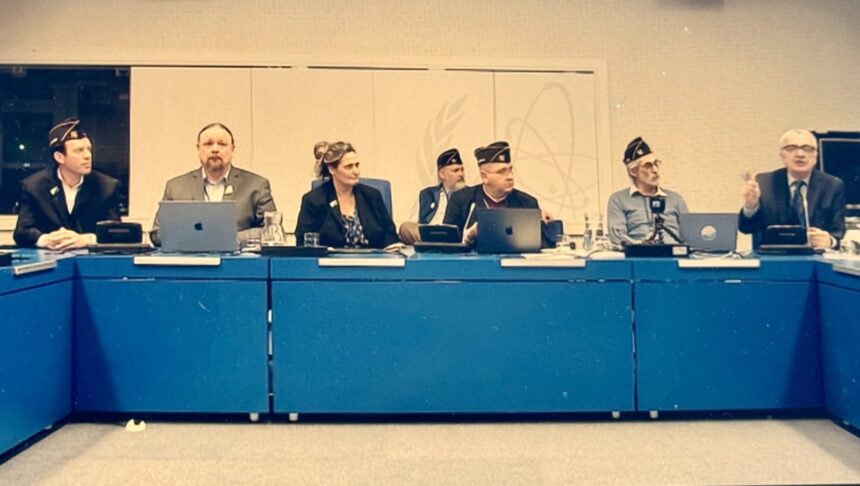
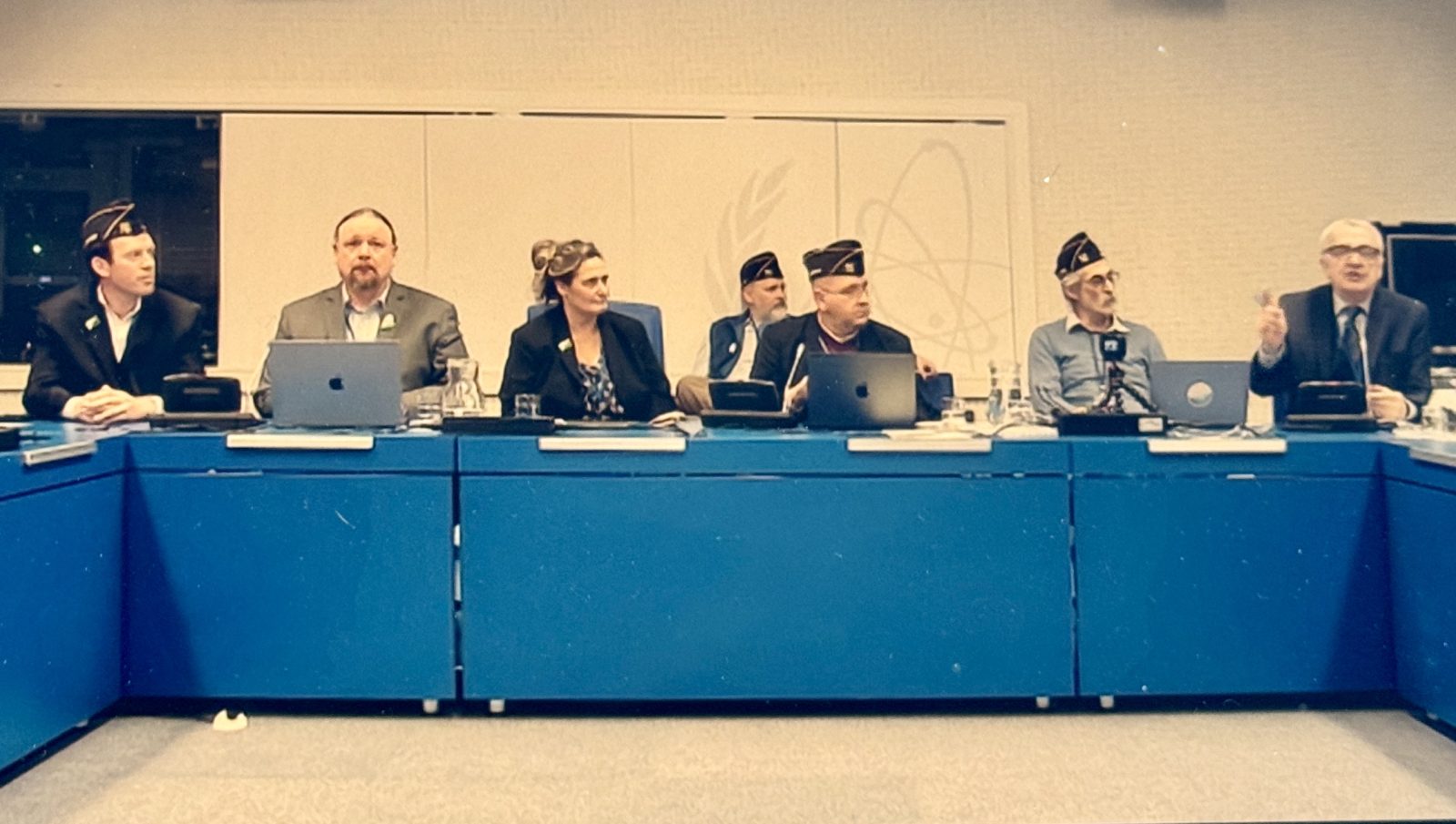
These clarifications are significant for modern hemp industries. They suggest that cultivation aimed at producing non-controlled cannabinoids such as CBD may reasonably be understood within the treaty framework as an industrial agricultural activity, provided psychoactive components remain regulated under domestic law. Discussion of these developments was also presented officially by Dr. Pavel Pachta during an international policy event held during the 2026 session of the United Nations Commission on Narcotic Drugs.⁴ Dr. Pachta served on the board of the INCB from January 2004 to June 2013, as its Secretariat, and rejoined the board as a member from Dec 2022 – May 2025.
Medical Access as a Human Rights Obligation
Perhaps the most profound transformation in international drug policy concerns the growing emphasis on human rights and patient access. Article 4(c) of the 1961 Single Convention states, “The parties shall take such legislative and administrative measures as may be necessary: Subject to the provisions of this Convention, to limit exclusively to medical and scientific purposes”.¹ In 2020, the United Nations Commission on Narcotic Drugs voted to remove cannabis from Schedule IV of the 1961 Convention, the category reserved for substances considered particularly dangerous and lacking therapeutic value. The vote represented an important symbolic and scientific acknowledgment that cannabis has legitimate medical uses. However, the evolving interpretation of the treaties goes beyond scheduling classifications.
The INCB has repeatedly stressed this responsibility in its annual reports, warning that overly restrictive regulations can result in serious public health consequences when patients are unable to obtain necessary medicines.⁵ This principle historically focused on opioid pain medications, which remain severely under-available in many parts of the world. But the same logic increasingly applies to cannabis-based medicines, particularly following the 2020 decision by the United Nations Commission on Narcotic Drugs to remove cannabis and cannabis resin from Schedule IV of the 1961 Convention.⁶
The international drug control system, in other words, is not meant to prevent patients from receiving treatment. It is meant to ensure that medicines are available while minimizing misuse. In recent years, the INCB has increasingly framed this obligation within the broader context of human rights, including the right to health. When patients are unable to obtain necessary medicines because of excessive regulation, bureaucratic barriers, or political hesitation, the system is not functioning as intended.
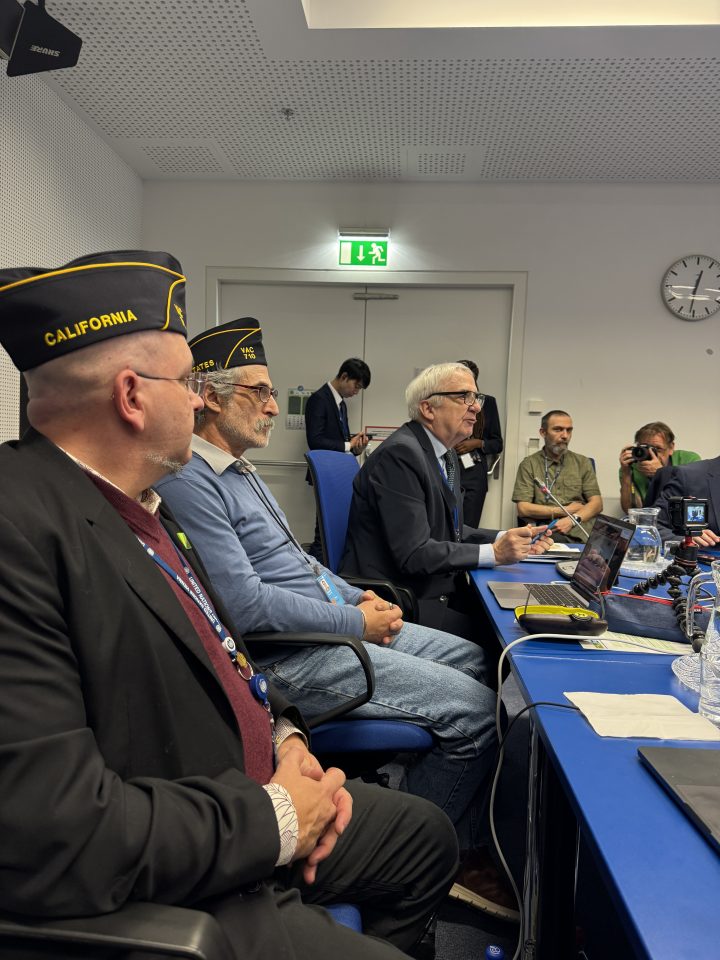
This perspective has important implications for medical cannabis. Governments are encouraged to develop regulatory frameworks that allow safe and controlled access for patients who may benefit from cannabis-based treatments. In some situations, especially where commercial distribution systems remain limited or inaccessible, alternative mechanisms may be appropriate. In this context, the Single Convention on Narcotic Drugs can be seen as a contract requiring member states to provide access to these important medicines to their people. Dr. Pavel Pachta stated,4 “In fact, it is an obligation of parties to the treaties to control these substances and, at the same time, to make them available for medical purposes, implementation at the national, federal, and state levels.” “When I was on the board, there was a discussion about home cultivation, and some people were, you know, this is a problematic issue.
This can be easily misused. The quality is not like what you would get from a medical practitioner and so on. But the final conclusion of the board, and it was also communicated to governments, that also home cultivation of cannabis is in line with treaty obligations, it is for medical purposes, is in line with the requirements of the treaties.”4 “a cultivation for medical purposes, and that should not be prevented. So the governments should consider that this exists, and it should also be considered as a legal activity for medical purposes.”4
Among these possibilities is home cultivation for personal medical use. As Dr. Pachta described it at the CND side event, home cultivation may be compatible with treaty obligations when it is necessary to ensure patient access.4 For disabled individuals, rural patients, or Veterans living with service-related injuries, this flexibility can make the difference between theoretical legality and real-world access.
Moving Beyond the Myth of International Barriers
For many years, the global drug control treaties were presented as immovable obstacles to cannabis reform. Today, that narrative is increasingly difficult to sustain. The treaties themselves contain significant flexibility, and the institutions responsible for interpreting them are demonstrating a growing willingness to apply that flexibility in ways that prioritize health, science, and human dignity.
Clarifications regarding CBD, industrial hemp, and medical access illustrate a broader transformation in international thinking. The goal is no longer simply to enforce prohibition. It is to balance legitimate concerns about misuse with the equally important need to protect patients’ access and support scientific progress.
The remaining barriers are now largely domestic. National governments must decide whether to continue relying on outdated interpretations or to embrace the evolving international consensus that places patients at the center of drug policy. For advocates, healthcare professionals, and policymakers alike, the challenge ahead is to translate these international developments into practical reforms at the national and local levels. Laws must be updated, regulations modernized, and stigma replaced with evidence-based policymaking.
The international framework is no longer the wall it once appeared to be. The wind is shifting in favor of patient rights, scientific progress, and humane policy. Now it is up to governments, and to all of us who care about patient access, to ensure that this momentum leads to meaningful change.
The wind is at our backs. It is time to finish the work.
In-article images provided by Veterans Action Council.
This article is from an external, unpaid contributor. It does not represent High Times’ reporting and has not been edited for content or accuracy.
References
Circular Letter E/INCB/NAR/C.L.20/2024 Private Multilateral Governmental “The Implementation of the provisions of the 1961 Single Convention on Narcotic Drugs as amended by the 1972 Protocol, and the 1971 Convention on Psychotropic Substances in relation to cannabis and cannabis-related substances.
United Nations. Single Convention on Narcotic Drugs (1961), Articles 1, 4, and 28.
https://www.unodc.org/pdf/convention_1961_en.pdf
World Health Organization. WHO Expert Committee on Drug Dependence: Critical Review Report – Cannabidiol (CBD) (2018), pp. 5–6.
International Narcotics Control Board. Implementation of the provisions of the 1961 Single Convention… in relation to cannabis and cannabis-related substances, paras. 4–5, pp. 1–2.
UN Commission on Narcotic Drugs side event, 13 March 2026, discussion of treaty interpretation and CBD.
https://youtu.be/W1mmnSyJqvg
International Narcotics Control Board. INCB Annual Report 2022, sections on availability of controlled medicines and public health obligations.
United Nations Commission on Narcotic Drugs. Decision 63/17 (2020) removing cannabis and cannabis resin from Schedule IV of the 1961 Convention.