






THC percentage does not define cannabis quality. Potency comes from cannabinoids, but experience is shaped by terpene content, trichome density, and how the flower was grown, cured, and stored. Evaluating these factors gives a more accurate picture of how a strain will actually perform.
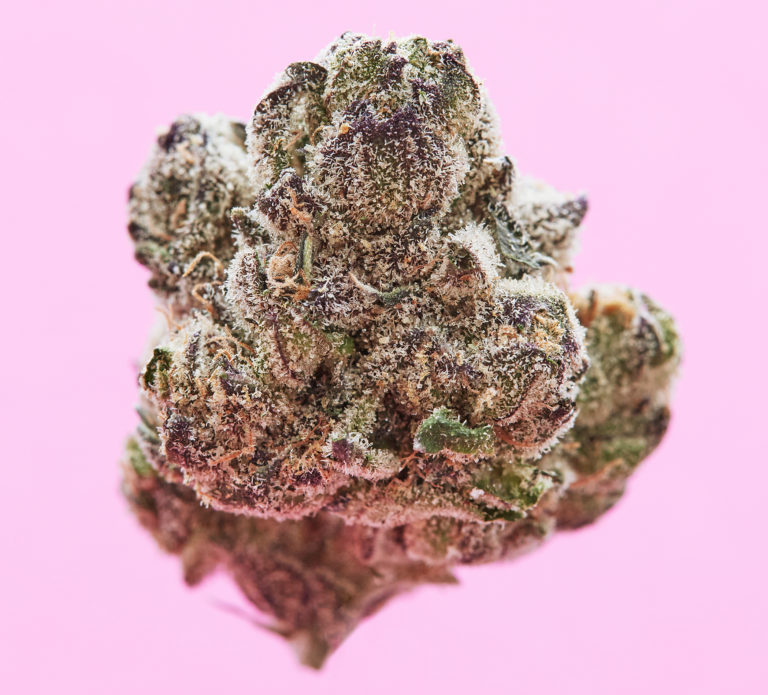
Image lightbox
High THC numbers dominate product labels, but they don’t tell the full story.
Two batches with the same THC percentage can produce completely different effects, flavors, and burn quality. This difference comes from terpene composition, trichome integrity, and overall plant health.
Buying flower like a connoisseur means reading beyond THC and understanding the signals that indicate quality.
Why THC percentage is incomplete
THC measures potential potency, not overall experience.
It does not account for terpene content, minor cannabinoids, or how efficiently the flower burns. It also does not reflect how well the flower was cured or stored.
A high THC percentage with poor terpene preservation or degraded trichomes often results in flat flavor and harsh smoke.
Potency alone does not guarantee quality.
Reading lab data (COAs) the right way
A certificate of analysis (COA) provides a breakdown of cannabinoid and terpene content.
Instead of focusing only on THC, look at:
- Total cannabinoid content — reflects overall chemical profile
- Terpene percentage — indicates aroma intensity and complexity
- Dominant terpene types — influence flavor and effect profile
Balanced profiles often perform better than isolated high THC numbers. A strain with moderate THC and strong terpene presence typically delivers a more defined and enjoyable experience.
Trichome coverage and integrity
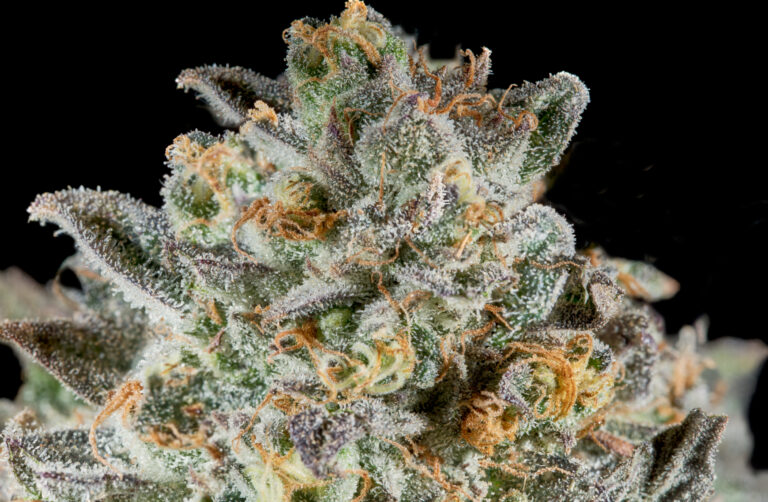
Image lightbox
Trichomes are where cannabinoids and terpenes are produced and stored.
Dense, intact trichome coverage indicates that the flower has retained its resin content. This directly affects potency, flavor, and overall quality.
Visual indicators of strong trichome presence include:
- Frosty or crystalline appearance
- Sticky texture
- Visible resin heads under light
Damaged or degraded trichomes reduce both potency and terpene expression.
Aroma complexity as a quality signal
Aroma reflects terpene composition and preservation.
Complex, layered scents indicate a well-developed terpene profile. Sharp, distinct notes — whether citrus, gas, earth, or fruit — suggest that volatile compounds are still intact.
Muted or hay-like smells point to terpene loss, often caused by poor curing or storage.
Aroma is one of the most immediate and reliable indicators of quality.
Structure, density, and moisture
Flower structure reveals how it was grown and handled.
Well-grown buds maintain structure without feeling overly dense or compressed. They should have slight give when pressed, indicating proper moisture content.
Overly dry flower breaks apart easily and burns too quickly. Excess moisture leads to uneven combustion and poor airflow.
Properly cured flower balances structure, density, and moisture for consistent performance.
Burn quality and ash behavior

Image lightbox

How flower burns reveals underlying quality.
Even combustion indicates consistent moisture and proper curing. Uneven burns or constant relighting point to poor structure or improper storage.
Ash color also provides signals. Lighter ash typically reflects cleaner combustion, while dark or uneven ash suggests residual moisture or incomplete curing.
Burn performance ties together all quality factors — structure, moisture, and chemical composition.
Storage and handling impact
Quality continues to change after harvest.
Exposure to air, light, and temperature fluctuations degrades cannabinoids and terpenes. Even high-quality flower loses potency and flavor if stored improperly.
Well-stored cannabis maintains aroma, stickiness, and structural integrity over time.
Putting it all together
Evaluating flower requires combining multiple signals.
- Lab data shows chemical potential
- Trichomes show resin preservation
- Aroma shows terpene integrity
- Structure and burn show how it performs
No single factor defines quality. The combination determines the experience.
The bottom line
THC percentage might get the attention, but it doesn’t decide the experience. Real quality shows up in what survives — intact trichomes, a terpene profile that still hits, proper moisture, and a burn that stays even from first light to last pull.
Read the label, then judge the flower.
Find top-shelf flower near you on Weedmaps.