






The European country of Georgia has a distinct landscape. The Svaneti province is evidence of this; its mountain peaks are always snow-capped, and its valleys so remote that for seven months each year, the region is completely snowbound. This is where the Svan people built defensive towers back in the 9th century that are now recognized and protected by UNESCO, this is where they preserved their pagan-inflected animist traditions and polyphonic folk music, and cultivated a relationship with cannabis so complete and integrated into every aspect of their daily life, that when Soviet authorities eliminated the crop, what they had really done was dismantle an entire culture.
Local people still say that somewhere in the highest settlements of the Caucasus, the ancient Svans make a fragrant, weed-filled version of khachapuri, Georgia’s beloved cheese bread. Some dismiss it as folklore, others logically speculate that the tradition died during Soviet narcotics crackdowns.
The truth is more complicated, and more tragic, than any of these theories suggest.
While dispensaries across America debate terpene profiles and Amsterdam’s coffee shops cater to tourists, few in the West know that one of the most sophisticated cannabis food cultures existed for thousands of years in the Caucasus Mountains. The Svans lived with it, cooked with it, celebrated with it, mourned with it, and integrated it deeply into their cuisine in ways that make modern edibles look like amateur hour.
An Ancient Intoxication
A 35-year-old man from the Jushi community has just died. His people drape 13 cannabis plants across his body—neck to waist—some over three feet tall. They lay him on a wooden cot, tuck a reed pillow under his head, then lower him into the ground.
This is a 2,500-year-old funeral in the Turpan Basin, in what’s now Xinjiang, China. This exceptionally well-preserved tomb, discovered in 2016, shows one of the oldest known examples of ritualized cannabis use. And it helps explain the Svans’ relationship with the plant: for thousands of years, across multiple cultures, cannabis wasn’t just medicine or rope or food. It was how communities honored their dead.
People have been spinning hemp fiber for 10,000 years, but here’s what matters: hemp and cannabis are technically the same plant, yet they’re as different as wolves and chihuahuas. The weed that makes rope won’t make you stoned, and vice versa.
Scientists finally proved what historians suspected all along—there are two distinct genetic groups. Southern Asia grew the psychoactive stuff. Meanwhile, everyone in temperate Europe and Asia was growing hemp that couldn’t get you high even if you smoked a whole field of it. Which explains why all those European farmers weren’t using it recreationally: they literally had the wrong plant.
The Medieval Cannabis Kitchen
Cannabis seeds were everywhere in the ancient world. Russians mixed them into peas. Poles made Christmas soup with them. Chinese cooks threw them into dishes as casually as we use sesame seeds today. The seeds had a sharp, nutty flavor, and their oil was loaded with nutrients. They wouldn’t get you stoned—barely any THC in them—but they tasted good, and people used them constantly.
The first printed cookbook in history proves it. Bartolomeo Platina’s De Honesta Voluptate from 1465 includes a recipe that basically says: crush hemp seeds with almonds and breadcrumbs, add broth, throw in sugar and spices, finish with saffron and rose water. Done. Medieval cooks treated cannabis seeds the way we treat pine nuts.
Meanwhile, the Scythians were doing something completely different with the plant. These nomadic steppe people used cannabis at funerals. Herodotus watched it happen in 440 B.C. and wrote it down: mourners crawled into sealed tents, threw cannabis seeds on hot stones, and sat in the smoke. When they finally emerged, they were “howling aloud,” completely transported. This wasn’t cooking. This was ritual.
Georgia sat right in the middle of all this. Trade routes crisscrossed the region—north to south, east to west—and cannabis had been growing there for at least 2,700 years. Most of it was the mild stuff, the kind you’d cook with. But some groups almost certainly had access to the stronger varieties. And they knew the trick: heat cannabis in milk, butter, or oil to pull out the THC, then drink it.
The Svans had both pieces. The plant grew in their valleys. And their diet ran on dairy—milk, butter, cheese. Everything they needed was already there.
Every Part of the Plant
Thanks to Svaneti’s impenetrable geography, the Svans eluded invasions that ravaged the rest of Georgia. They remained all but closed off from the outside world for centuries. In this isolation, they developed a cannabis culture that used every single part of the plant.
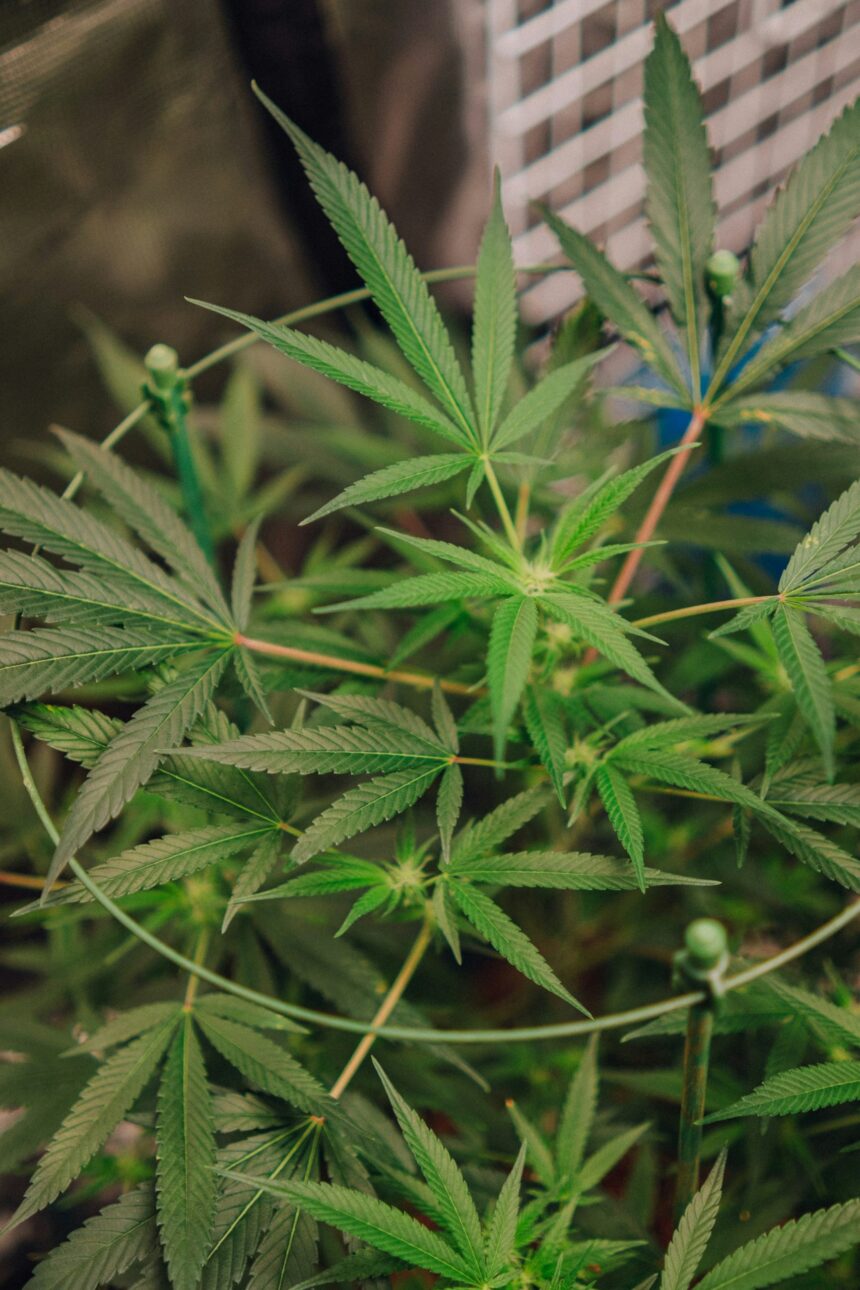
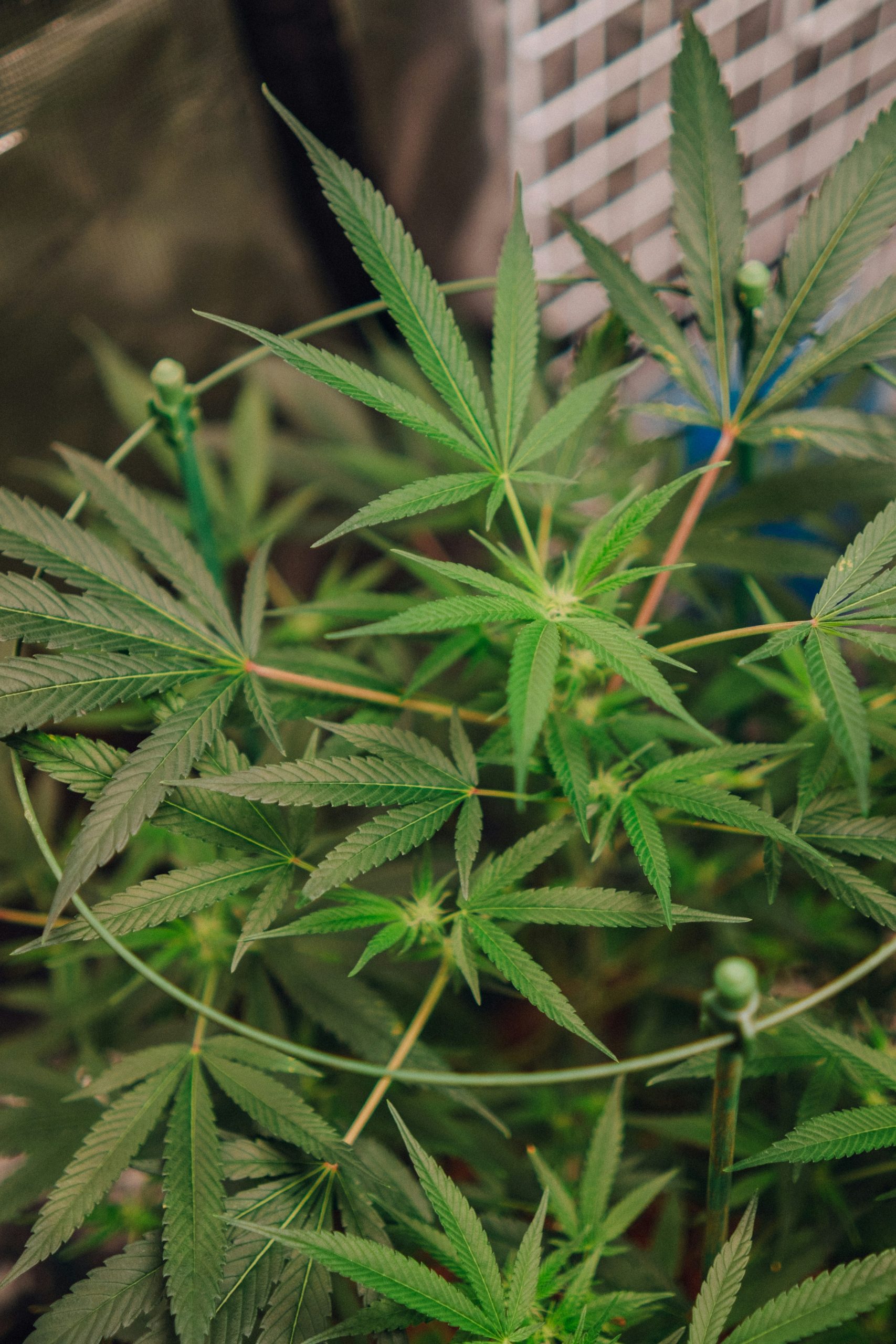
Mevluti Charqseliani, a 55-year-old local historian and owner of Ushguli’s Ethnographic Museum, told Atlas Obscura that until Soviet inspectors arrived in the 1970s, every Svan household grew meter-high cannabis plants. People plied the stem fibers into cloth and rope. They pressed the seeds for oil using five-ton machines. And the buds, flowers, and leaves, plus ground-up seeds, found their way into the entire Svan culinary repertoire.
Knash, the gooey cheese bread, incorporated finely ground cannabis leaves into the dough.
Pkhali, the vegetable-walnut spreads that appear at every Georgian feast, included cannabis leaves blended with traditional ingredients: garlic, coriander, and whatever vegetables were in season.
Kubdari, the juicy spiced meat pies of Svaneti, featured cannabis seeds mixed into the filling alongside cumin and garlic. The seeds added texture and a nutty flavor that cut through the richness of the lamb or beef.
The Sacred Role: Cannabis and Death
Like the Scythians and the Jushi, the Svans associated cannabis intimately with death. When a Svan died, the community gathered for funeral banquets where knash, the cannabis cheese bread, was the most important dish.
These weren’t somber affairs in the Western sense. They were celebrations of life, loud and often joyous, where the dead were honored through abundance. The cannabis preparations served at funerals helped mourners process grief, facilitated the spiritual transition of the deceased, and strengthened community bonds through shared ritual.
The question of whether Svans used cannabis to get stoned like the Jushi, add flavor like the Russians, or commemorate sacred rites like the Scythians may have a nuanced answer: all three, depending on the preparation and occasion. The observation that people would heat cannabis in milk, butter, or oil to extract THC suggests the possibility existed. The Svans’ dairy-heavy diet and sophisticated culinary knowledge indicate they understood these techniques.
But for the Svans, cannabis wasn’t just food or medicine or intoxicant. It was used in a form or another from birth celebration to coming-of-age ceremonies to weddings to funerals. It was identity.
The Soviet Erasure
Then came the crackdown.
Soviet authorities began arriving in Svaneti in the 1930s during Stalin’s collectivization campaigns, but the full force of narcotics enforcement didn’t reach these remote valleys until the 1970s. When it did, Georgian police ripped up cannabis plants from every household. Fields were burned. Seeds were confiscated. Families who resisted faced fines or worse.
By the early 1990s, the last of the for-domestic-use cannabis plants were gone. Most Svan families had gotten wind of the crackdowns and corresponding penalties, viewing growing weed as too risky. Within a single generation, a crop that had grown in these mountains for millennia vanished.
But the Soviets didn’t just destroy plants; they attacked culture itself. Traditional feast days were banned. Pagan-inflected religious practices were suppressed. The Georgian language was marginalized in favor of Russian. The Svan language, spoken by even fewer people, faced even greater pressure.
The cannabis cuisine disappeared along with the plants. Recipes that had been passed down through centuries were lost. The specific cultivars the Svans had developed; gone. The ritual knowledge, the preparation techniques, the cultural context that made cannabis cooking meaningful; scattered and fragmentary.
The Memory Remains (Barely)
In Ushguli, memories persist—barely. Before the drug laws were strengthened, it was totally normal to grow meter-high cannabis plants in this part of Georgia, but things are not the same anymore.
The waitress at a local tavern knows about it. The owner of a guest house knows about it. They all point toward Charqseliani, who knows the most. But even his knowledge is fragmentary and based on what was passed down to him from his parents and grandparents, not practices he participated in fully himself.
Young Svans today have no living memory of this tradition. They know cannabis as something forbidden that’s now legal, something associated with Western counterculture, not as an integral part of their own heritage. The recipes are mostly gone. The specific techniques for pressing five-ton machines worth of seed oil, lost. The ritual preparations for funeral feasts remembered only in outline.
Decriminalization Comes Too Late
In December 2017, after years of protests spearheaded by the liberal Girchi political party, Georgia decriminalized cannabis. Minor cannabis-related offenses that previously carried up to 14-year jail sentences would now be waived. The country’s Constitutional Court finalized the decision in 2018, making Georgia one of the few places in the former Soviet Union where you can legally consume marijuana.
The decision sparked international attention. Some proclaimed Georgia the potential “Amsterdam of the former Soviet Union.” Optimists suggested cannabis khachapuri might make its way from folklore to dinner fare once again.
But for Svaneti’s cannabis culture, decriminalization came nearly a century too late.
The current cannabis legalization debate in Svaneti is about far more than one’s right to smoke a joint; it’s about a community’s race to preserve a millennia-old tradition by recovering lost plant genetics, techniques, recipes, and cultural knowledge before the last people who remember them are gone.
And they’d need to do it fast, before Charqseliani and others like him, the last people who remember anything are gone.
What’s at Stake
Svaneti’s problems started long before cannabis disappeared. New roads brought tourists. Young people moved to cities. The Svan language started dying. Their ancient songs grew quiet. Cannabis was just another piece of a culture being swallowed by the modern world.
Here’s the bitter joke: all over the world, governments destroyed indigenous cannabis traditions. Rastafarians in Jamaica. Native Americans. The Svans. Then those same governments legalized weed and let corporations cash in. Western dispensaries now sell “exotic strains” and “ancient wisdom” while the actual ancient wisdom vanishes. Georgia’s 2017 decriminalization came nearly a century too late to save what the Svans had built over millennia.
The Mountains Remember
The ancient stone towers still watch over empty valleys. Soviet policy destroyed what seven months of annual snow couldn’t touch. But the knowledge isn’t completely dead. Charqseliani remembers his parents’ stories. A young woman remembers tasting cannabis khachapuri once as a child. Old-timers remember when meter-high marijuana plants were “totally normal.”
Think about what the Svans created. While most of Europe was still figuring out that hemp made good rope, the Svans were cooking with every part of the cannabis plant, pressing seeds with five-ton machines to make oil so valuable that ancient Greeks paid top dollar for it, and weaving the plant into every life ritual from birth to death. They built a cannabis gastronomy more sophisticated than anything in today’s dispensaries—complete cuisine, not just brownies. Each dish had its own purpose and preparation: knash cheese bread, pkhali vegetable spreads, kubdari meat pies, ritual oils.
Then it vanished almost overnight, leaving behind only fragments: a few memories, defensive towers, and mountains still snowbound seven months each year, remembering when every valley garden grew green with cannabis.
The cannabis legalization debate shouldn’t just be about personal freedom to smoke a joint. It must be about helping communities preserve millennia-old traditions before the last people who remember them die. The Svans are still here. Their towers still stand. Their endangered language is still spoken. Their fading music still echoes. But their cannabis cuisine; that sophisticated tradition of knash and pkhali and kubdari, of five-ton presses and Silk Road oils, of funeral feasts and generations of ritual knowledge, exists now mostly in fragmentary memories and stories about a fragrant, weed-filled cheese bread that may or may not still be made somewhere in the highest mountain settlements.
The quest for this ancient culture’s cannabis-filled cooking is ultimately a race against time; an attempt to preserve human heritage before globalization, prohibition, and time erase it completely.
This article is from an external, unpaid contributor. It does not represent High Times’ reporting and has not been edited for content or accuracy.