






Shake isn’t its own product — it’s what falls off the product. As flower moves through trimming, packaging, and transport, buds break down into smaller pieces. What holds its shape gets top-shelf pricing. What doesn’t ends up as shake.
Image lightbox
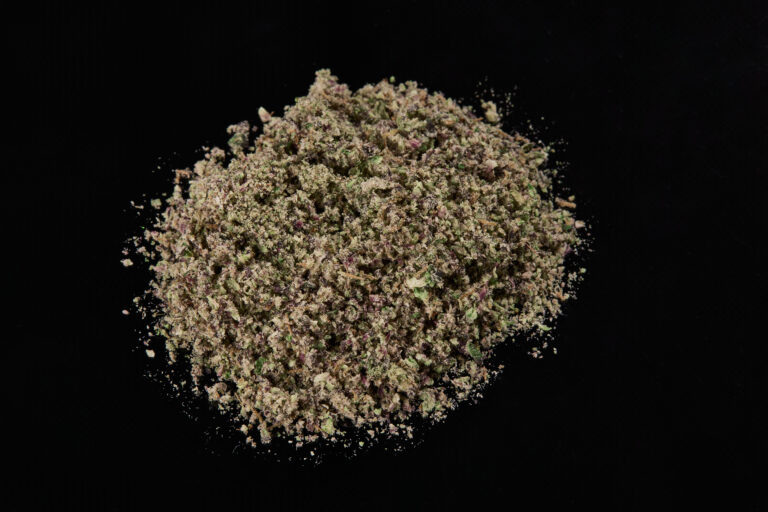
Some of it happens naturally. Some of it’s intentional. Either way, shake is just flower that didn’t stay intact, and it’s priced like it.
How shake is created
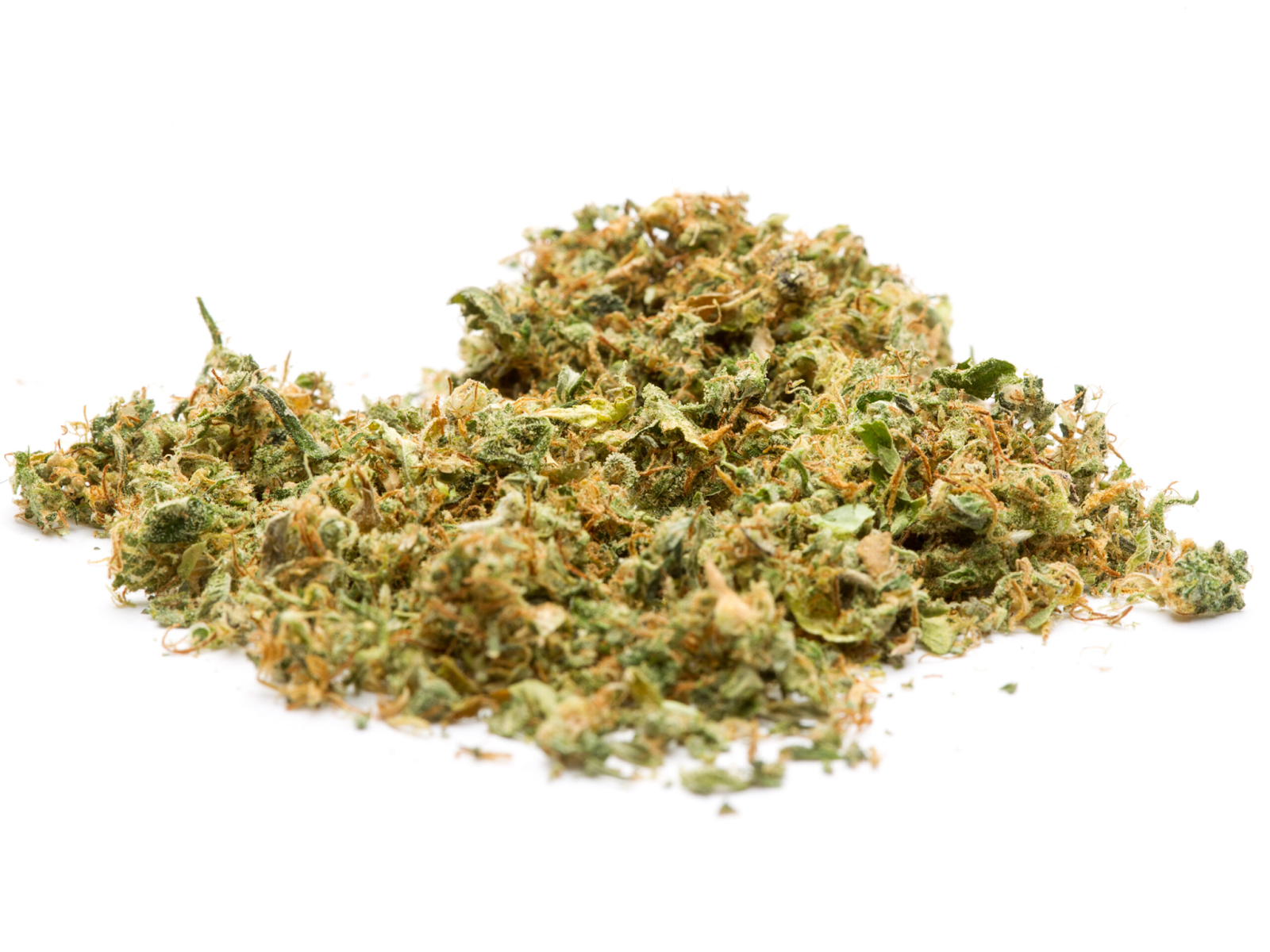
Image lightbox
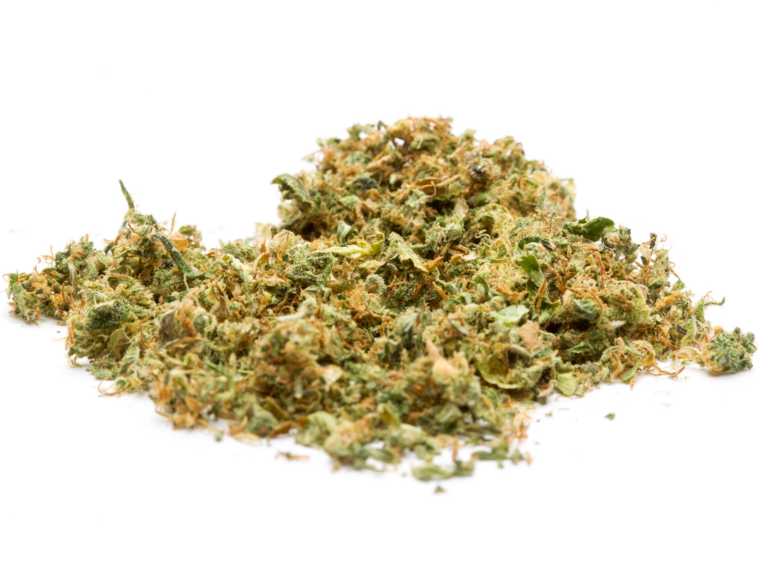
Shake comes from handling, but not only handling.
Trim it, bag it, ship it — every step knocks material loose and breaks buds down into smaller pieces. That’s the natural side of it.
But some shake is created on purpose. Older flower, overstock, or material that doesn’t meet shelf standards often gets broken down for pre-rolls or sold as shake.
By the time it hits retail, you’re looking at a mix of both—what fell apart and what got repurposed.
Yield loss and product segmentation
Cannabis is priced by how it looks before anything else.
Big, intact buds sell high. Smaller buds drop a tier. What’s left—fragments, loose material—gets sold as shake.
Nothing gets wasted. Everything gets priced.
Shake isn’t inherently different at the start, it’s the same material broken down, but composition can shift depending on how much leaf is mixed in and how it’s handled.
Why shake is cheaper
Shake is cheaper because it’s inconsistent.
You’re getting a mix: bits of flower, sugar leaf, loose trichomes. Some of it hits, some of it doesn’t.
That inconsistency is the discount.
Potency and variability

Image lightbox

Shake doesn’t hit the same every time.
Trichomes get knocked loose and spread unevenly, so potency shifts from one pack to the next. One bowl lands, the next feels thin.
That’s the tradeoff.
Impact on flavor and burn
Shake burns faster and less controlled.
Smaller fragments increase surface area, which speeds up combustion and makes airflow harder to manage. It can run hot, burn uneven, and finish quicker than expected.
At the same time, exposed trichomes degrade faster. More surface area means faster terpene loss, which flattens aroma and flavor.
Retail pricing models
Shake helps ensure nothing gets wasted, but it also functions as a lower-priced product tier and a key input for pre-roll production.
Retailers sell it cheaper to move material that can’t be sold as full buds. It keeps inventory moving and margins intact.
Shake isn’t cheap because it’s bad—it’s cheap because it’s unpredictable.
When shake offers real value
Shake works when you don’t need precision.
Roll it, pack it, cook with it—once it’s broken down, structure stops mattering.
Best use cases:
If the price is right, it does the job.
When shake falls short
Shake performs poorly when precision matters. If you care about a terpy hit, consistency, or control, you’ll notice it immediately.
This isn’t where you go for a truly dialed experience.
Comparing shake to whole flower
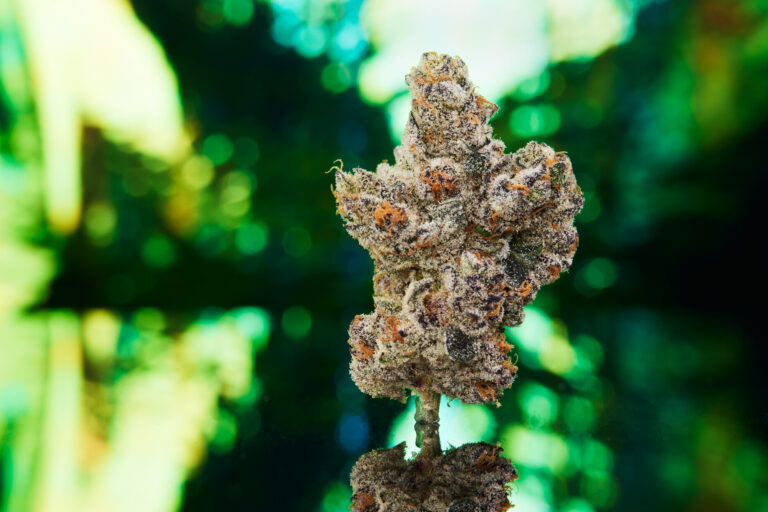
Image lightbox
The whole flower holds everything together. Trichomes stay intact. Moisture stays balanced. The burn stays even.
Shake trades that consistency for a lower price.
Shake weed economics:

Shake is what’s left when buds break down—or gets broken down on purpose. It’s cheaper because structure and consistency fall off, not because cannabinoids vanish.
If you just need something functional, it delivers. If you’re chasing control, flavor, or repeatability, this isn’t the lane.
Find cannabis flower or pre-rolls near you on Weedmaps.