






Dispensary deals aren’t random. They follow predictable retail patterns tied to timing, demand, and customer behavior; once you understand the system, you can stop guessing and start paying less.
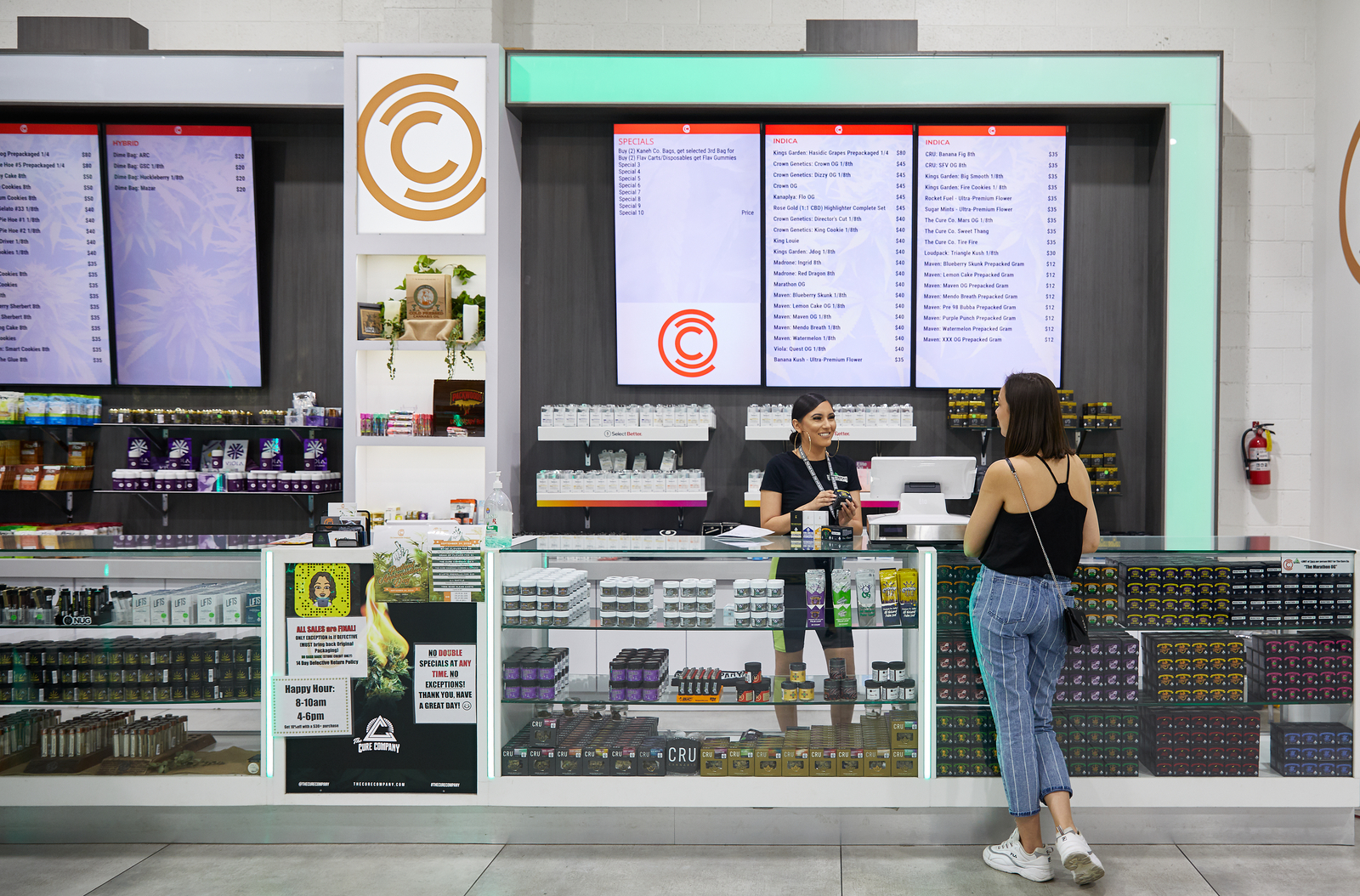
Photo by: Gina Coleman/Weedmaps
Image lightbox
Dispensaries run deals for the same reasons every retailer does: to move inventory, fill slow hours, and pull customers away from competitors. The difference is precision. Cannabis pricing isn’t flexible across the board, so discounts show up where they need to. Learn how that works, and deals stop feeling like luck.
The anatomy of a dispensary deal
On Weedmaps, deals typically fall into two buckets: in-store and online. In-store offers get redeemed at the register, usually without a code. Online deals apply through pickup or delivery menus, sometimes automatically, sometimes with a promo code.
That split matters. Some shops run digital-only pricing that never appears in-store, while others keep certain deals exclusive to walk-in traffic.
Most discounts follow three structures:
- Percentage off to move specific products
- BOGO to increase volume
- Spend thresholds to raise cart size
A BOGO on pre-rolls isn’t generosity — it’s strategy. Either something needs to sell faster, or a brand is backing the push. Deal terms are set by individual retailers, not Weedmaps, which means stacking rules and eligibility vary. Always check before assuming discounts combine.
Daily deals: reading the rotation
Themed weekday deals are nearly universal. Edibles early in the week, concentrates mid-week, flower toward the weekend. That pattern isn’t random — it reflects what’s selling and what isn’t.
In most markets, dispensaries see their heaviest traffic in the afternoon and early evening. That’s why early bird and happy hour deals exist: to pull traffic into slower windows.
Shop outside peak hours and you’ll usually find the most consistent pricing advantages. Many stores run two daily windows:
- Late morning to early afternoon
- Late afternoon before the evening rush
Miss the window, miss the deal. Timing matters more than people think.
Identity discounts: the ones that stick

Photo by: Gina Coleman/Weedmaps
Image lightbox

Senior, military, medical, student, and first responder discounts aren’t promotions — they’re policy. Most fall in the 10% to 25% range and apply every visit once verified.
Medical patients, especially in mixed-license markets, often get stronger pricing. Skip that at checkout, and you’re overpaying.
Stacking rules vary. Some shops allow identity discounts on top of daily deals or loyalty points, others don’t. The details are usually listed on Weedmaps — check before you assume.
Flash sales: why they happen and how to catch them
Flash deals show up without warning because that’s the point. They’re typically driven by one of three things:
- Brand-funded pushes on specific products — a manufacturer subsidizes a short window of aggressive pricing to drive trial or clear a SKU
- Inventory pressure — product that needs to move before it ages out or a newer batch arrives
- Competitive pricing moves from a nearby shop
The timeline creates urgency. If you’re not checking regularly, you won’t see them.
Treat Weedmaps like a live feed, not a static menu. The best deals move fast and don’t wait around.
Holiday deals: plan earlier than you think
Cannabis retail runs on a predictable promo calendar. 4/20 and 7/10 (July 10th, the concentrate holiday) get the headlines, but Green Wednesday — the day before Thanksgiving — and the stretch through New Year’s consistently deliver some of the deepest discounts on the calendar.
For 4/20, deals often start days early and inventory moves just as fast. By the time the date hits, selection is already thinning in many stores.
If you’re planning a larger purchase, earlier usually beats waiting for the peak day.
The first-timer deal
First-time customer discounts are easy to find on Weedmaps and easy to use. Most shops offer a percentage off or a small free add-on to get new customers in the door.
It’s a one-time deal per dispensary, not a one-time deal overall. Every shop tracks it separately.
If you’ve been sticking to one store, there’s real value in branching out. First-time offers alone can shift where you shop.
How to stop paying full price

Most shoppers still pay full price because they don’t check. The system isn’t complicated — it’s just ignored. Deals follow patterns. Timing is predictable. The information is already posted.
Check before you go. Pay attention to timing. Use the structure.
Most people won’t. That’s the advantage.
Browse local menus, compare prices, and stop paying full price.