






THC oil is a broad category used in vape carts, tinctures, and infused products, and how it’s made can vary more than most people expect.
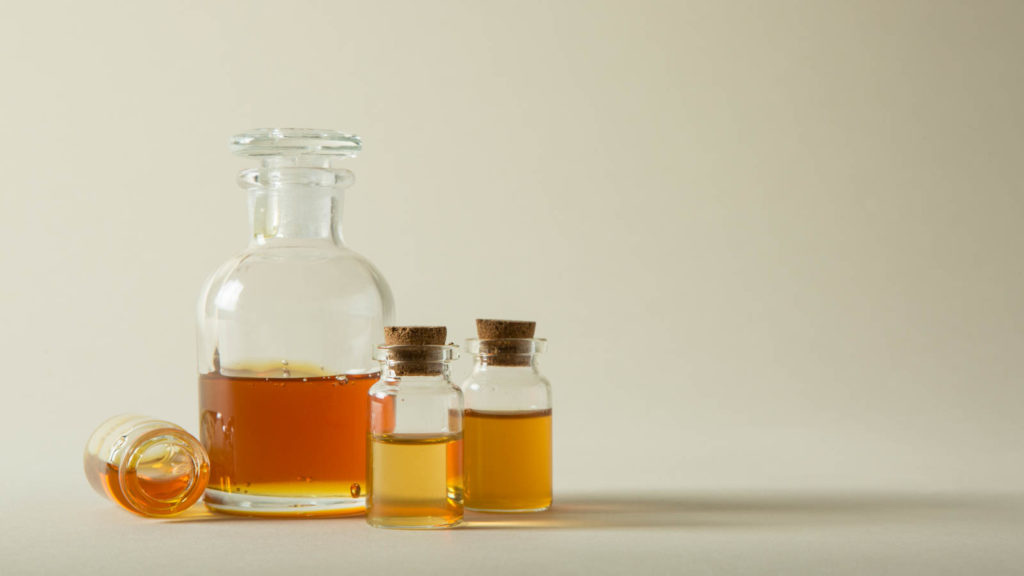
Image lightbox
Two products can show similar THC percentages and still feel different to use. That difference isn’t random, and it’s not explained by potency alone.
THC oil is shaped by how it’s produced and formulated, from how cannabinoids are refined to how the oil is adjusted for a specific use.
Same THC % doesn’t tell you:
- how the oil flows
- how it reacts to heat
- how consistently it delivers cannabinoids
What actually matters is how the oil was made, not just what’s printed on the label.
How THC oil is produced
THC goes through a series of steps that shape how it behaves in the final product.
At a basic level, production comes down to three stages: extraction, refinement, and formulation. Each step affects how the oil flows, how stable it is, and how it performs during use.
Distillation
Many THC oils are refined through distillation, where cannabinoids are isolated and concentrated into a high-potency, uniform base. The process removes most of the plant’s original compounds — terpenes, minor cannabinoids, plant waxes — which makes the oil easier to control across batches but strips away much of its original complexity.
Most producers reintroduce terpenes after distillation to restore flavor and adjust viscosity, which is why two distillate-based carts can taste and feel very different even at similar THC percentages.
Carrier oils and formulation bases
Once THC oil is refined, it’s adjusted based on how it will be used. The formulation looks very different depending on whether the product is meant to be inhaled or ingested.
For tinctures and infused products, carrier oils are used to dilute the extract and make it easier to dose and absorb.
Vape cartridges use a different approach. MCT, coconut, and similar oils aren’t formulated for inhalation — inhaling aerosolized lipids carries real health risks, which is why vape-specific formulations don’t include them. Instead, vape oils are balanced with terpenes to control flow and vapor behavior. That balance sets the oil’s viscosity, which determines how it performs inside the device.
How viscosity is adjusted for different devices
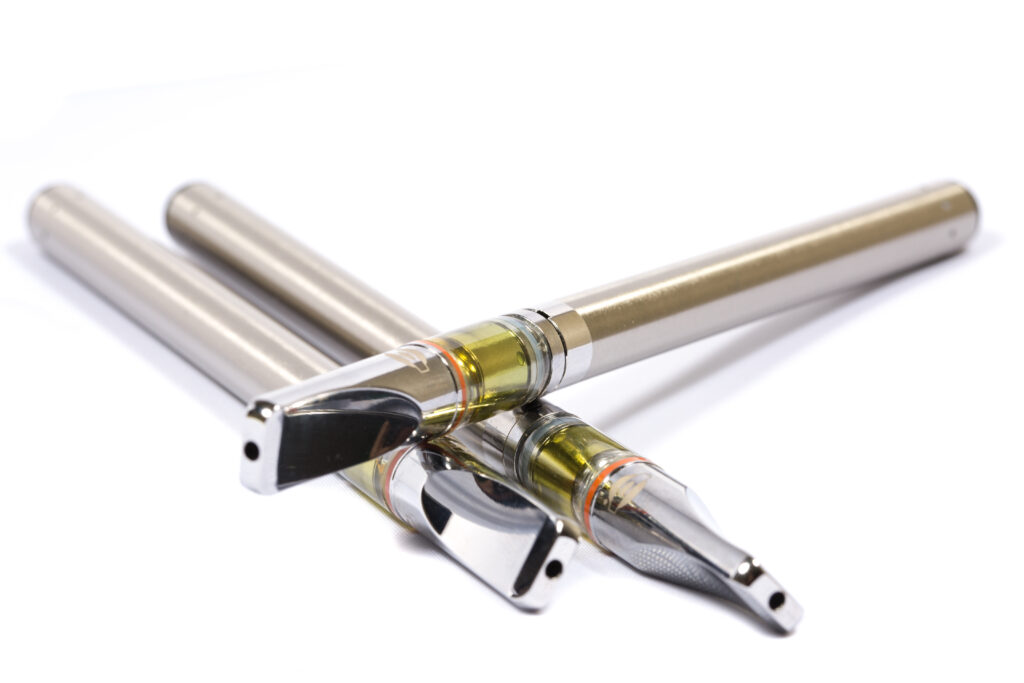
Image lightbox
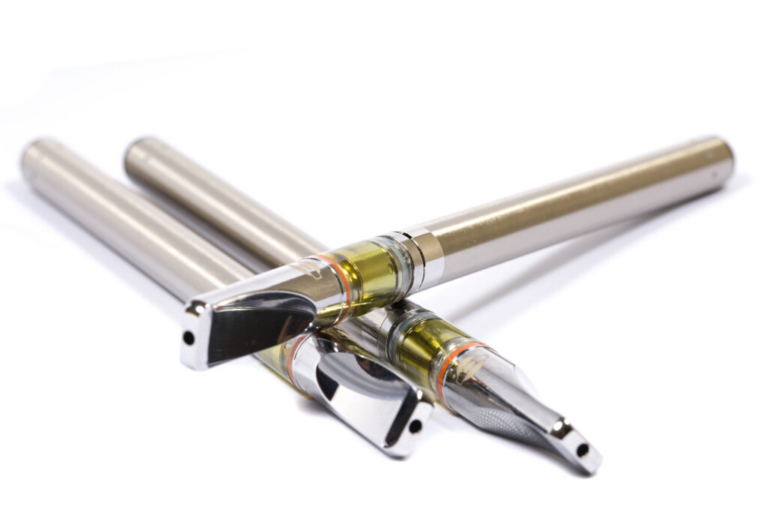
Viscosity isn’t just about the oil — it has to work with the hardware. Coil type, wick material, and draw resistance all affect how oil should flow. A formulation that performs well in a ceramic coil cart may flood or starve in a different setup.
Oil that moves too slowly starves the heating element — hits feel weak or cut off, and the coil can burn out faster. Oil that moves too quickly floods the chamber, producing light, uneven pulls that don’t improve with use. Producers target viscosity to specific hardware, which is why the same oil in different carts can perform differently.
The bottom line

The label tells you potency. It doesn’t tell you how the oil was refined, what was reintroduced after distillation, or whether the viscosity matches the hardware it’s running in. Those are the variables that actually determine how a cart feels across its entire life — not just the first few pulls.
You can shop THC products for pickup or delivery near you on Weedmaps.