






Cold cure rosin is where texture stabilizes and flavor locks in—after pressing, time, temperature, and sealed storage reshape how rosin melts, tastes, and holds up over time.
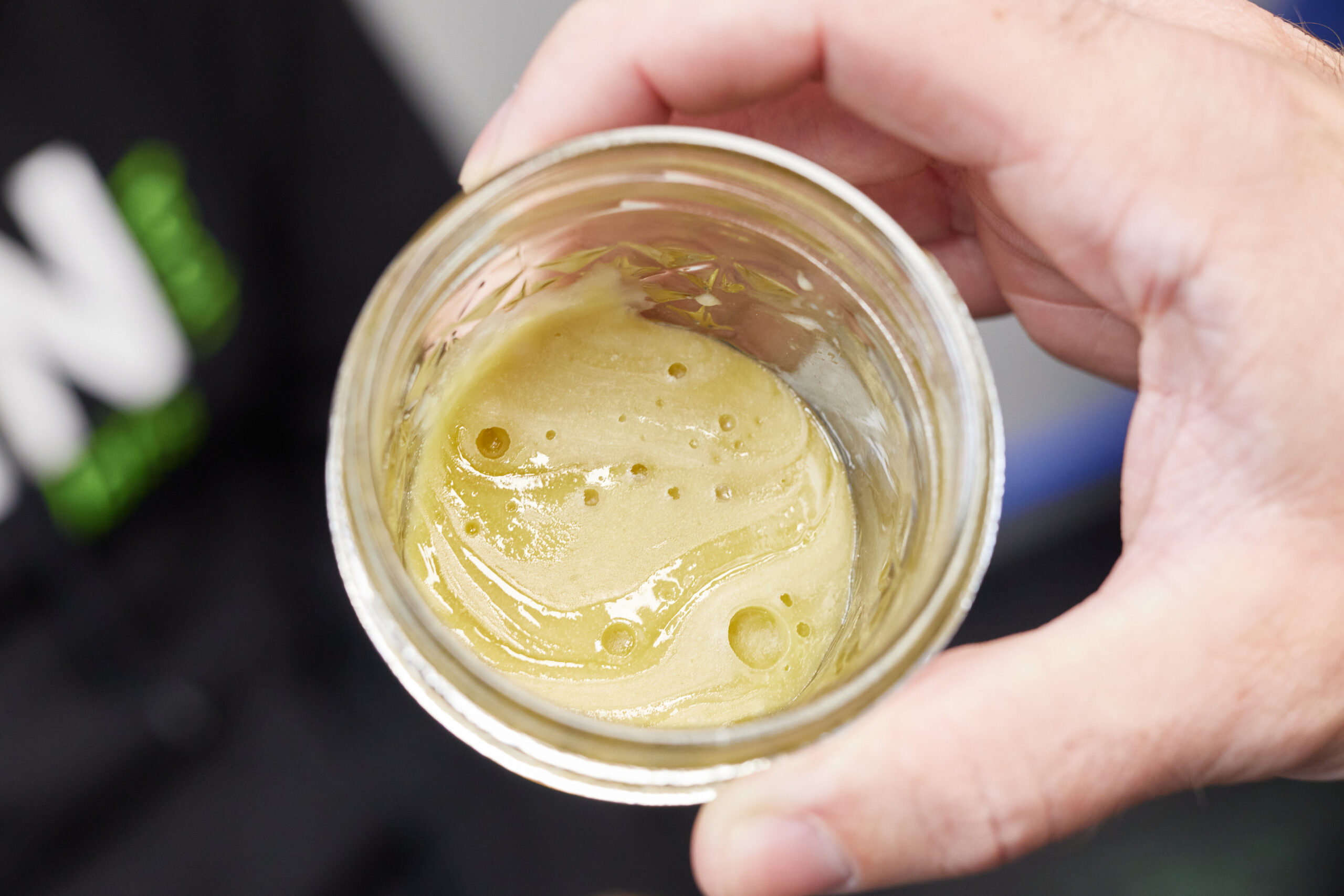
Image lightbox
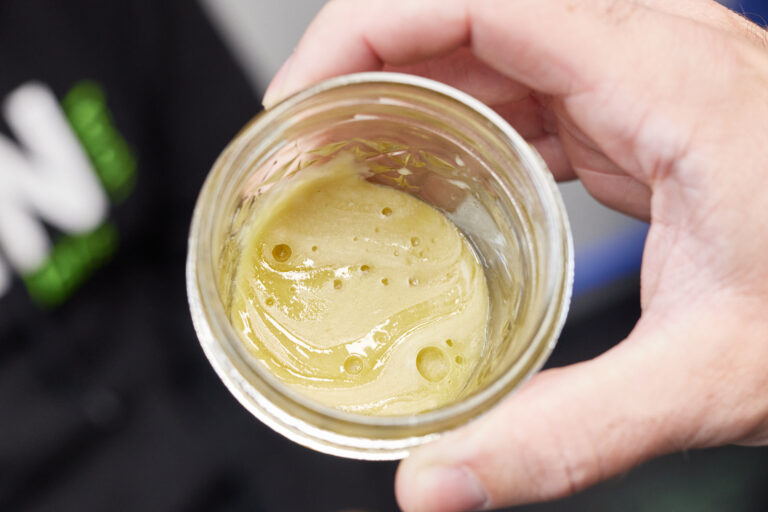
Rosin looks finished once it’s pressed, but that’s only the starting point. The real change happens during cold cure, where time, temperature, and storage reshape how it holds up.
Most content focuses on the press because that’s where extraction happens. But pressing only pulls the oil out. It doesn’t determine how it behaves.
Fresh press is unstable. It separates, runs unevenly, and breaks down under heat.
Cold cure stabilizes it. The rosin settles, reorganizes, and holds a more consistent structure. That’s what determines how it melts and how it feels from one dab to the next.
This phase is where physical structure forms—without it, rosin stays inconsistent no matter how well it was pressed.
What shapes rosin during cold cure
Cold cure comes down to three variables: time, temperature, and storage. These are what shape the rosin after pressing.
Time
Cold cure happens over hours to days. As the rosin sits, its structure shifts.
Terpenes move through the mixture and settle more evenly. THCA crystals begin to nucleate as terpenes redistribute, giving the rosin more body and resistance. What starts as a loose, uneven oil becomes thicker and more uniform. You see that in the dab — the melt spreads more evenly, vapor builds at a steady pace, and the rosin holds together through the hit.
Temperature
Temperature sets the pace and direction of that change.
Cold cure usually sits between 40 and 70°F. Lower temperatures slow nucleation and preserve more of the original terpene profile. Slightly higher temperatures accelerate crystallization and push texture to shift sooner. That rate — how fast THCA organizes relative to the terpene fraction — is what determines whether the final product lands as a soft badder or holds closer to a fluid consistency.
When temperature stays controlled, flavor stays fuller and the melt stays smooth and even.
Storage
Storage keeps the process contained.
Cold cure happens in sealed glass jars. Sealing the jar holds vapor pressure, which keeps volatile terpene compounds from off-gassing while internal redistribution continues. Structure tightens into a stable, uniform consistency — consistent texture in the jar, predictable melt under heat, and flavor that holds instead of fading early.
What cold cure changes in the dab
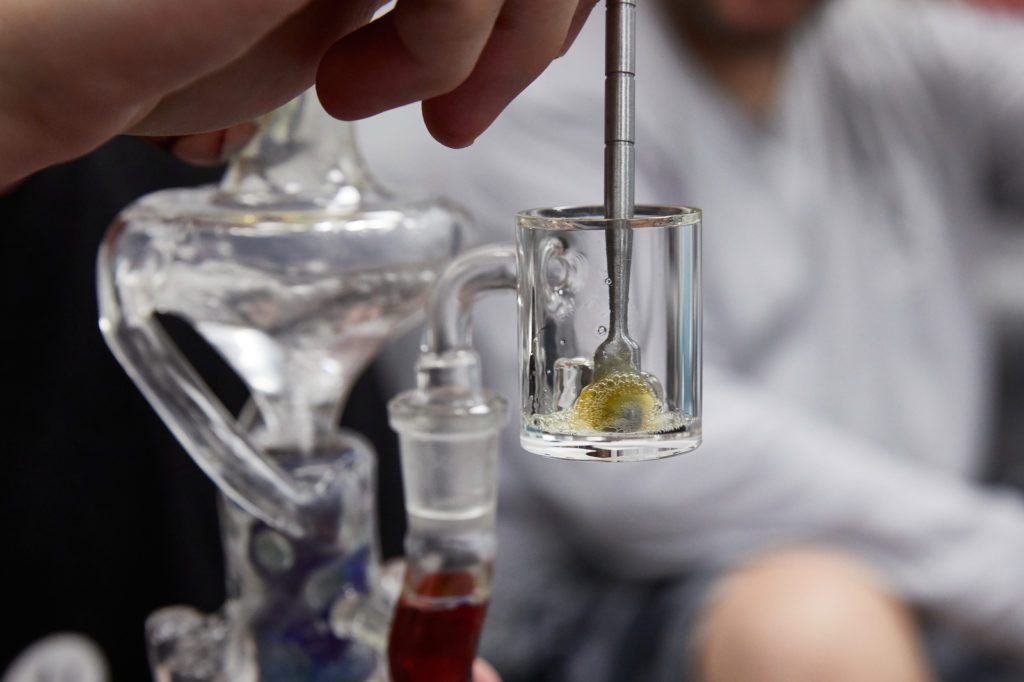
Image lightbox
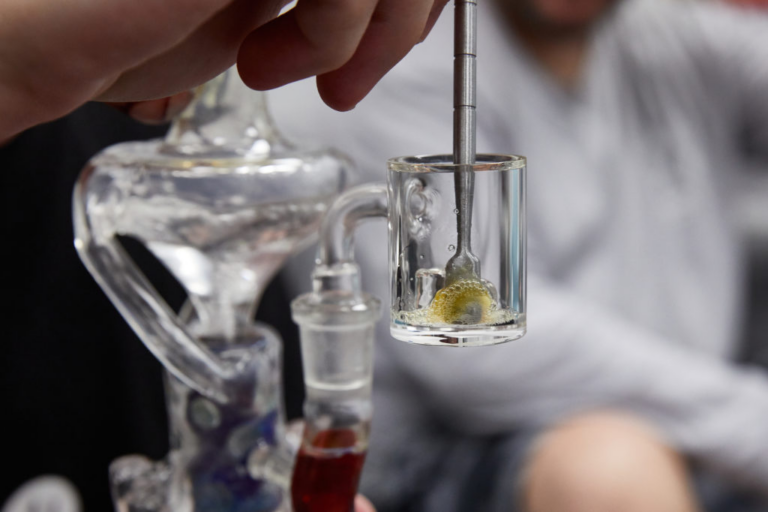
Four things shift noticeably:
- Flavor holds longer: It stays present as the rosin melts evenly across the surface instead of dropping off after the first pull.
- Vapor builds steadily: Each pull feels consistent, without spikes or drop-offs.
- The dab clears in one cycle: Heat moves through the material evenly, so there’s no need to chase leftover oil or reheat to finish it.
- Less material gets left behind: The rosin melts as a single layer and finishes clean instead of separating into thick spots and thin runoff.
Pressing extracts the resin. Cold cure determines how it behaves.

Time, temperature, and sealed storage are what stabilize structure, hold terpene content in place, and lock in a repeatable melt from one session to the next.
Find cold cure rosin available for pickup or delivery near you on Weedmaps.