



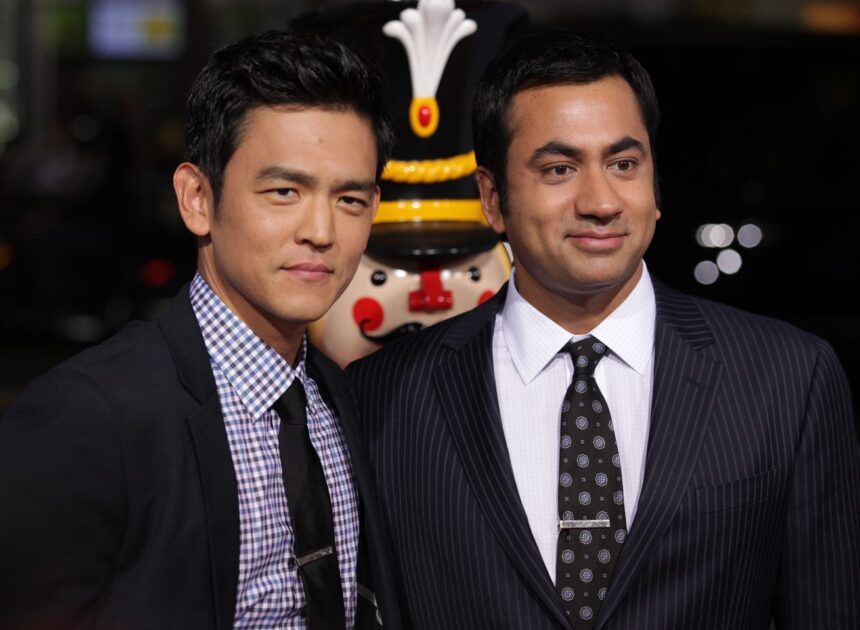
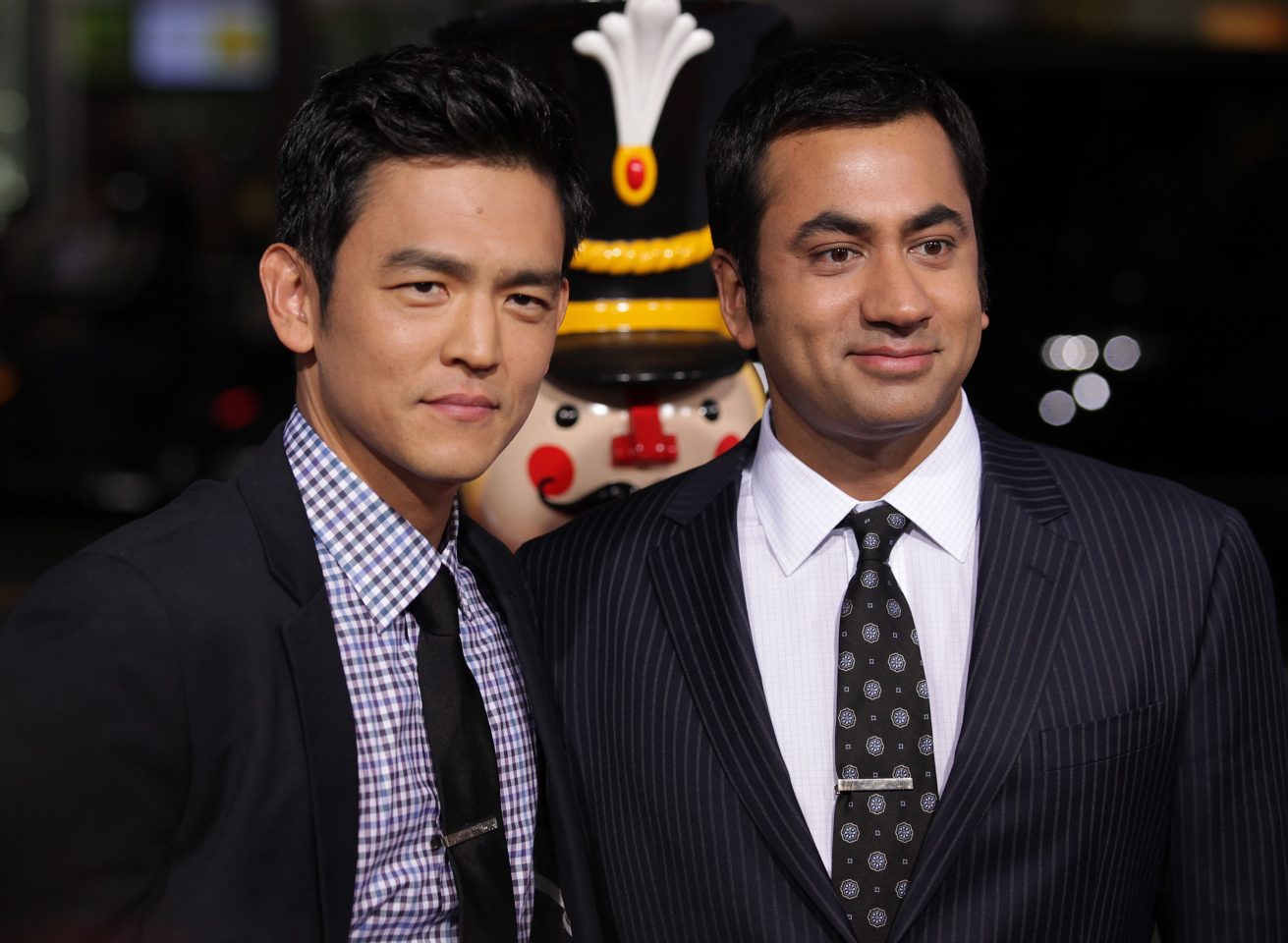
Twenty years after Harold & Kumar, the actor talks to High Times about meeting Cheech for the first time, the strain deal he never got and what a Jimmy John’s sandwich campaign says about where cannabis culture actually is right now.
Nobody offers Anthony Hopkins free meat.
“People aren’t like, ‘Oh, I saw Silence of the Lambs, here’s free meat,’” Kal Penn says. “We’re the ones who get our version of that.”
He means weed. Everywhere. Every city, every country, every situation where a stranger recognizes him and decides this is the moment. A friend once asked him, after watching someone offer him a joint on the street, whether that happened everywhere he went.
“Yes.”
There are worse occupational hazards.
“Were John Cho and I just that good that you believe that 20 years later I am high right now? I love that, by the way. I love all of that.”
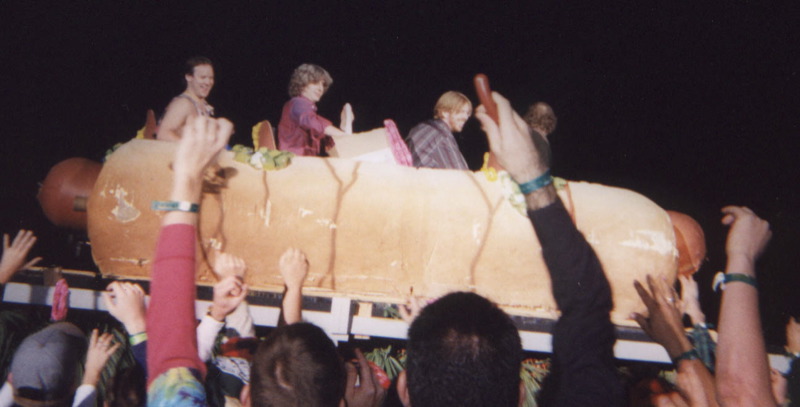
Five Kids Walk Into a Phish Concert
Penn grew up in suburban New Jersey in the ’90s, which explains more than you’d think about how Kumar happened.
“I think everybody’s relationship with cannabis starts with the five friends in your high school who went to Phish concerts,” he says. “That’s just always the starting point for it.”
When he and Harold & Kumar creators John Hurwitz and Hayden Schlossberg were figuring out what music Kumar would listen to, all three of them landed on Phish at the same time. They were drawing on the same five kids.
The films became the strongest overlap between his public life and the cannabis world. Looking back, he sees one real missed opportunity.
“I probably should have branded this the way Snoop did,” he says. “I wish I was more of a Snoop, because I think there was an opportunity to get that weed strain endorsement deal.”
The munchies deals are great, he adds. The strain deal is the next level.
This reporter suggested the obvious solution: a Kal Penn vaporizer. A Kal Pen, if you will. He did not hesitate.
“Let’s sell that. We can go in on that together. I’m not opposed.”
“I probably should have branded this the way Snoop did. I wish I was more of a Snoop, because I think there was an opportunity to get that weed strain endorsement deal.”
Kal Penn
What He Actually Thinks
Penn is careful about his policy credentials. He worked in the Obama White House on public engagement, not drug policy, and he makes that distinction quickly.
But he has views.
“Of course it should be legal on the federal level,” he says. “You have all these states that have legalized it for medicinal or recreational purposes, and if it’s not federally recognized, there are all sorts of challenges with the banking system and taxation. It would just be a lot easier.”
Cannabis, he points out, has something almost nothing else in American politics has right now. Consensus.
“We can’t even agree on getting healthcare,” he adds. “But there’s more agreement on cannabis.”
Why the U.S. still has no federal medical cannabis framework, despite more than 70 countries having one, is the sort of question that hangs differently when you’re asking someone who once worked inside the White House. Penn does not pretend to have some grand insider answer.
“Just as an average dude who has suspicions, sort of like everybody else,” he admits, “it’s probably a combination of stigma, Americans not being great at leaning into science all the time, and the role of big pharma.”
The state-level progress has been real, he says, and easy to underestimate when you’re focused on how slow everything else feels.
“I’m the last person to tell somebody to be patient about something they want and should have. But there’s been a lot of progress that it would be a shame if we didn’t celebrate too.”
On the racial inequities that have long shaped cannabis enforcement, he is just as direct about what he doesn’t know.
“I have absolutely no idea. I’m just not equipped.”
It is a more honest answer than most people who do claim to be equipped ever give.
He points to the organizations actually doing the work, with lawyers and policy teams who understand the terrain. The landscape has changed enough in 20 years, he says, to leave him genuinely hopeful. People in elected office who came up in a different era. Decriminalization. Recreational legalization. Progress that looked impossible not long ago.
“We can’t even agree on getting healthcare. But there’s more agreement on cannabis.”
Kal Penn
Cheech, Finally
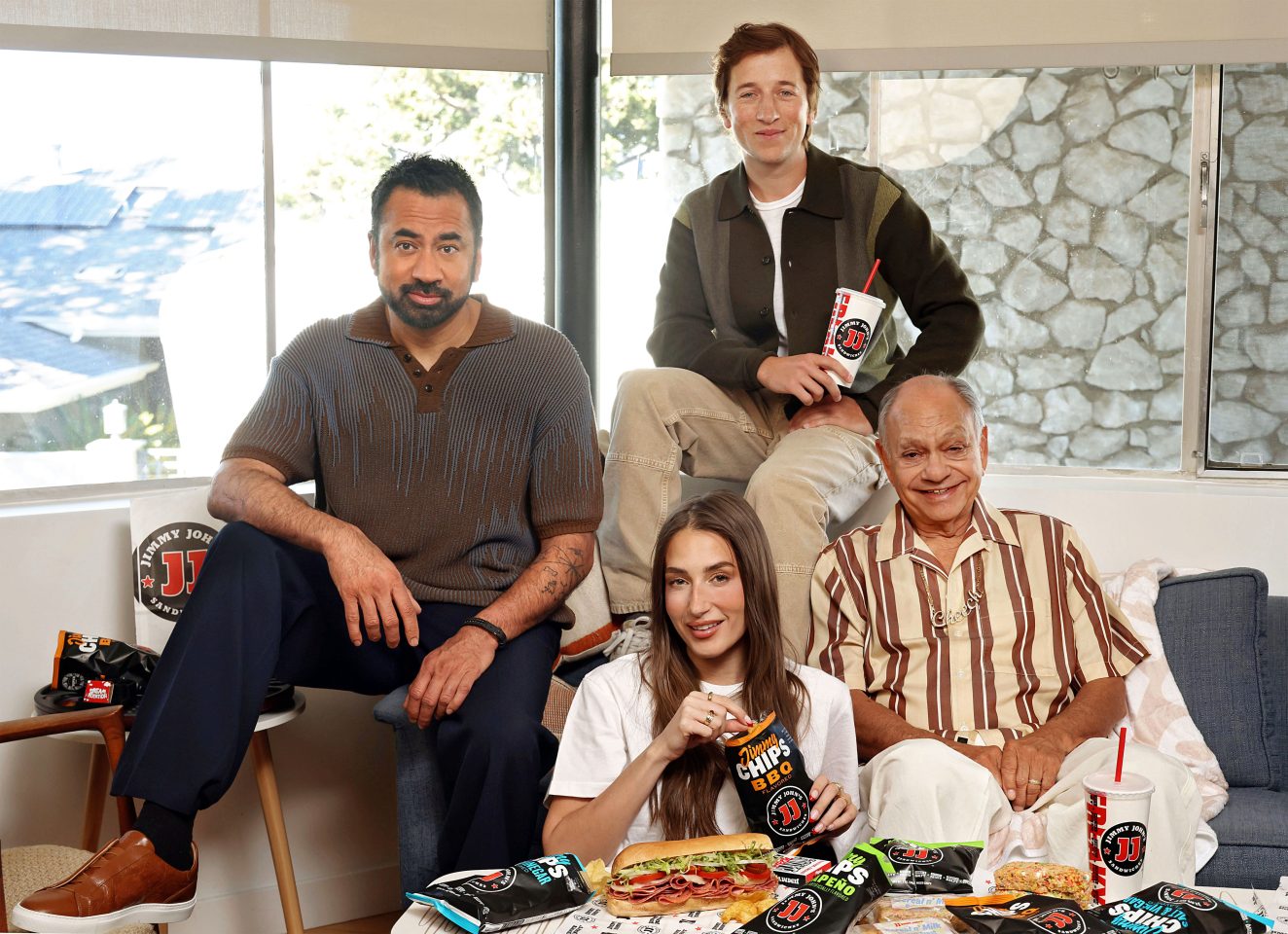
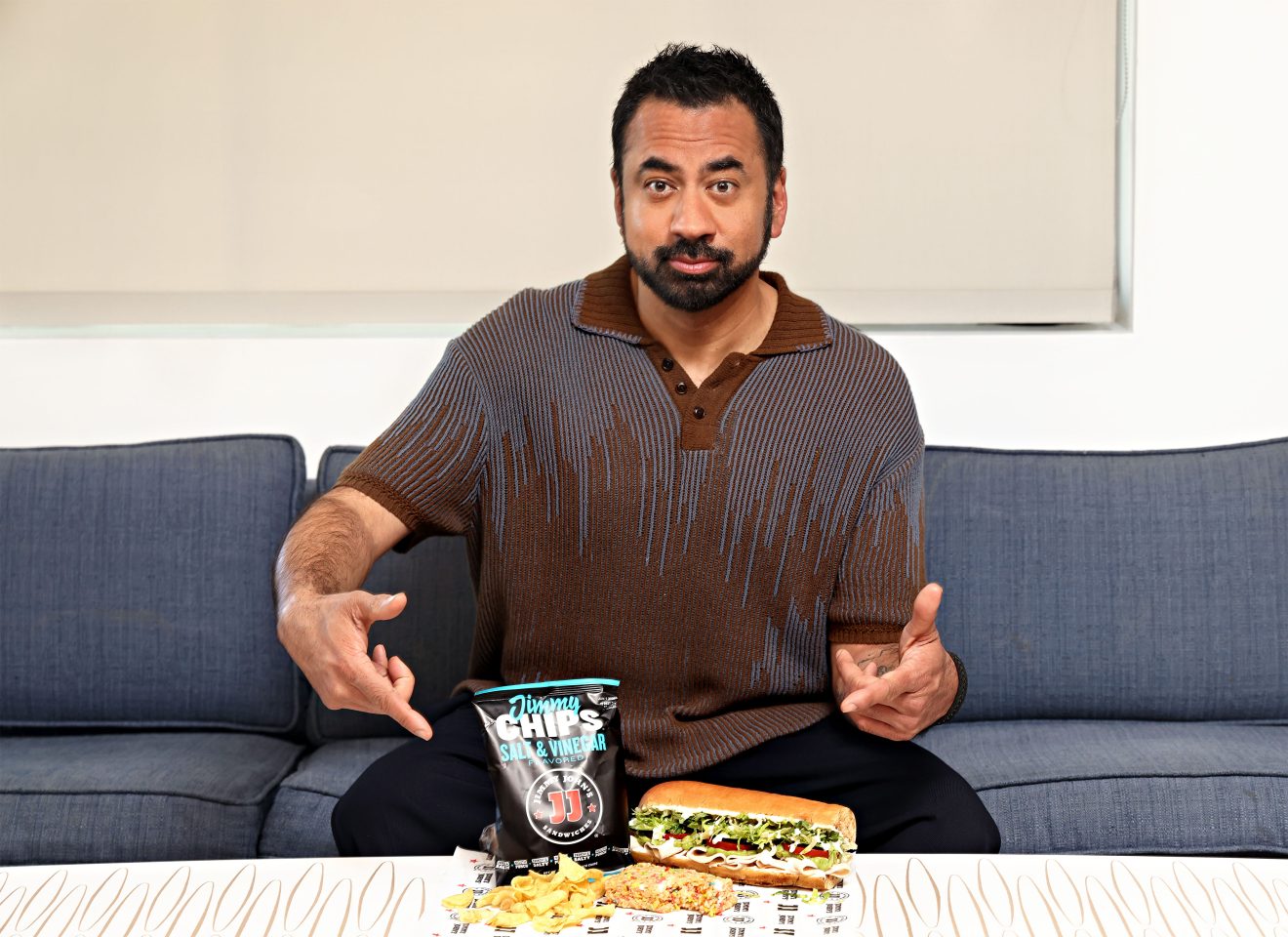
Jimmy John’s launched its Dream Rotation menu this month as a 4/20 campaign, tapping celebrities known to partake to design their ideal post-session meal. The lineup includes Cheech Marin, Amanda Batula and Skylar Gisondo. Penn got a toasted Beach Club, no cheese, horseradish sauce and salt and vinegar chips. Cheech got the Italian Night Club. The whole thing leans into the joke without flinching, which for a national sandwich chain in 2026 feels either overdue or perfectly timed, depending on how long you’ve been watching cannabis inch into the mainstream.
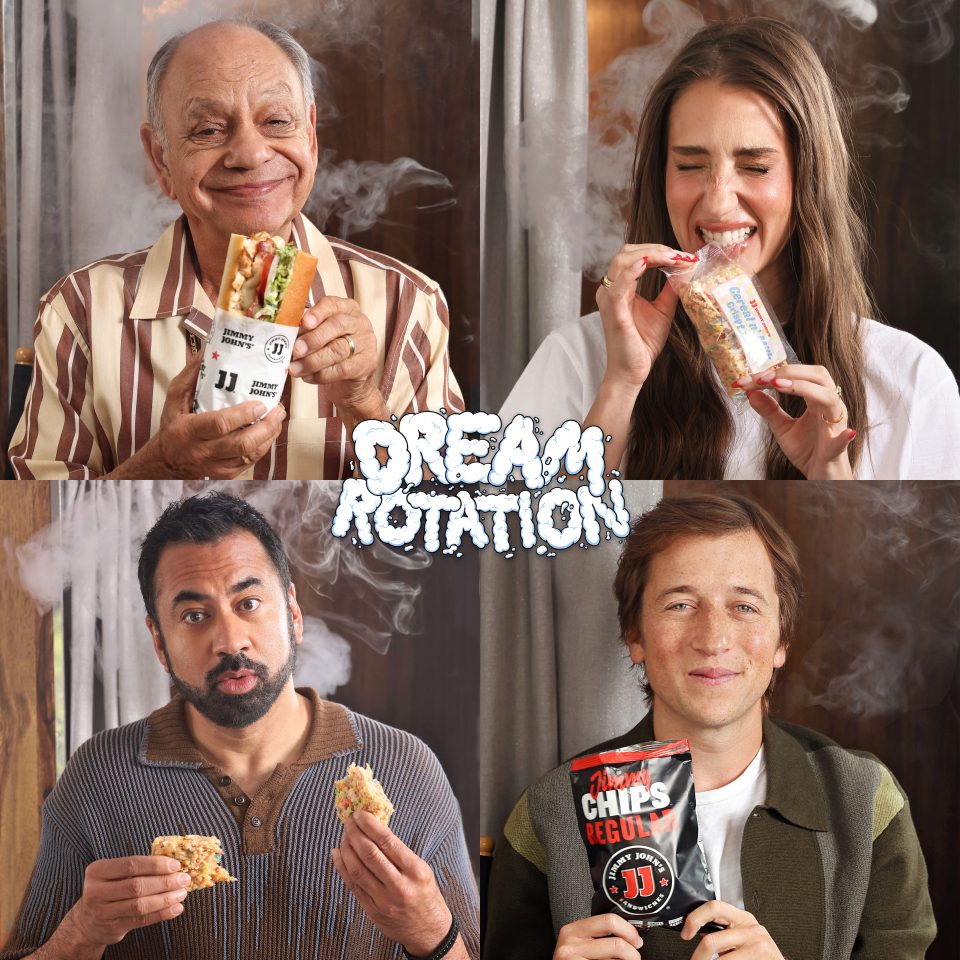
Penn joined for two reasons. He thought it was funny. And Cheech Marin was going to be in it.
“I saw that Cheech was going to be in it and I was like, oh man, we’ve never met,” he says. “Which is crazy because people have used our movie franchises in the same paragraph, the same sentence.”
They finally met on set shooting the commercial. Two of the most referenced names in cannabis cinema, meeting for the first time on the set of a sandwich commercial. It is both ridiculous and overdue.
“I cannot believe in all these years that our paths have never crossed. I’m also glad they crossed for something 4/20-related. We didn’t just run into each other at the grocery store.”
Kal Penn
A major national brand doing this openly, and this playfully, around 4/20 would have been harder to imagine 15 years ago. That was part of the appeal.
“What’s their munchie goal? What’s their journey?” he says, and means it. “I just thought that was so fun.”
It Was a Joke. Sort Of.
Penn’s contribution to the campaign video involves a gym session at 4:20 a.m., some light reading and a very specific sandwich ritual. He hates explaining jokes, he says, but here goes.
“I just thought it would be really funny, the idea that somebody gets up to celebrate 4/20 but then just makes it a normal day,” he says. “That was the first layer.”
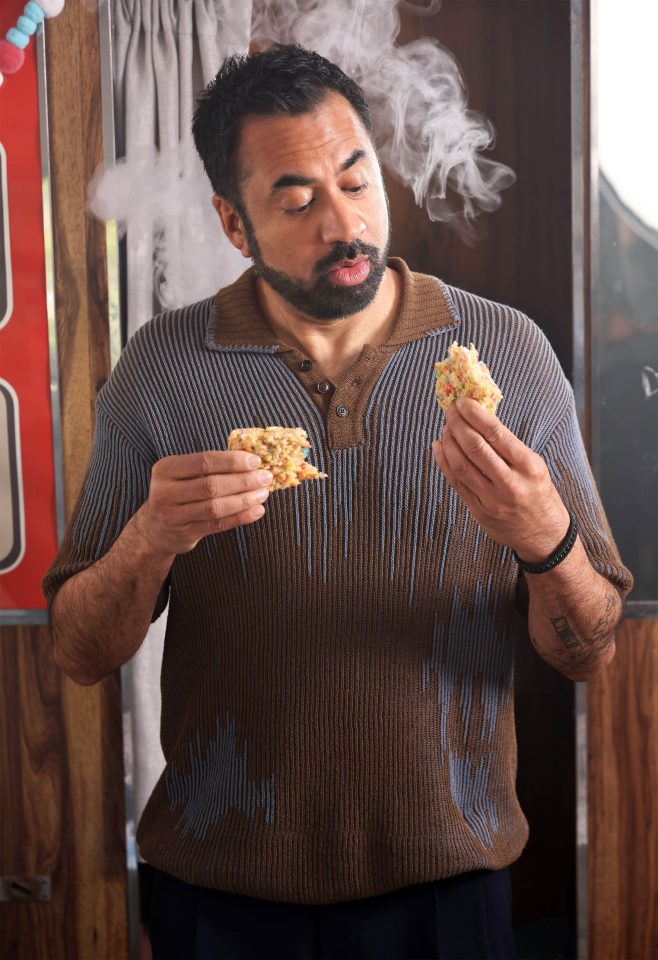
The second layer is the real one. Most people, he says, still go to work, go to the gym and live their lives. The lazy stoner stereotype was always simpler than the people inside it. And Harold & Kumar, whatever else it was, understood that.
“It’s stoners who come over and they’re like, ‘Thank you. Finally, a movie where the guy’s a banker and a doctor.’”
Getting Older, or Too Good at the Brand
At one point, the conversation drifted to the gap between public image and real-life habit. Penn, characteristically, turned the question into a better one.
“Do you think that means we’re just getting older or do you think we’re too good at our brands?”
He has thought about this. The Hopkins comparison is how he works it out. Hopkins does not get offered free meat. Penn gets offered joints in every corner of the world. Which probably means he and Cho were just that convincing.
As for cannabis and his creative process, he is clear: not connected. Some writers swear by it.
“Good for you,” he says, with zero condescension. “I feel like everybody has their process.”
Kindergarten Rules
The Dream Rotation eating sequence has its own logic, Penn says.
“You want the sweet and savory. You don’t just want them once. You want them repeatedly in an alternating order,” he says. “There’s a thing in a lot of cultures where when somebody leaves the house they’re given a small sweet as a good omen. Would it kill you to have a little bite of the sweet before dinner?”
On puff or pass, there is no hesitation.
“Your guest should come first,” he says. “If you have 20 people over and you’re offering somebody a joint, you better have enough for everybody. That’s just kindergarten.”
“Your guest should come first. If you have 20 people over and you’re offering somebody a joint, you better have enough for everybody. That’s just kindergarten.”
Kal Penn
Beyond Cheech, his ideal session would include Snoop Dogg. Snoop invited him to his 50th birthday party and the setup has clearly stayed with him.
“He had a regular bar where the signature cocktail was a gin and juice,” Penn says. “But then there was also a weed bar.”
“Knowing how to take care of your guests and knowing your brand. That was such a highlight.”
Anthony Hopkins never got the free meat. Kal Penn got Cheech, Snoop and a weed bar.
Not the worst version of typecasting.