





Baked edibles go through multiple heat cycles, bind THC to fat, and physically shift during baking. That stack changes how THC is activated, where it ends up in the product, and how your body processes it, which is why they don’t hit like gummies or other formats.
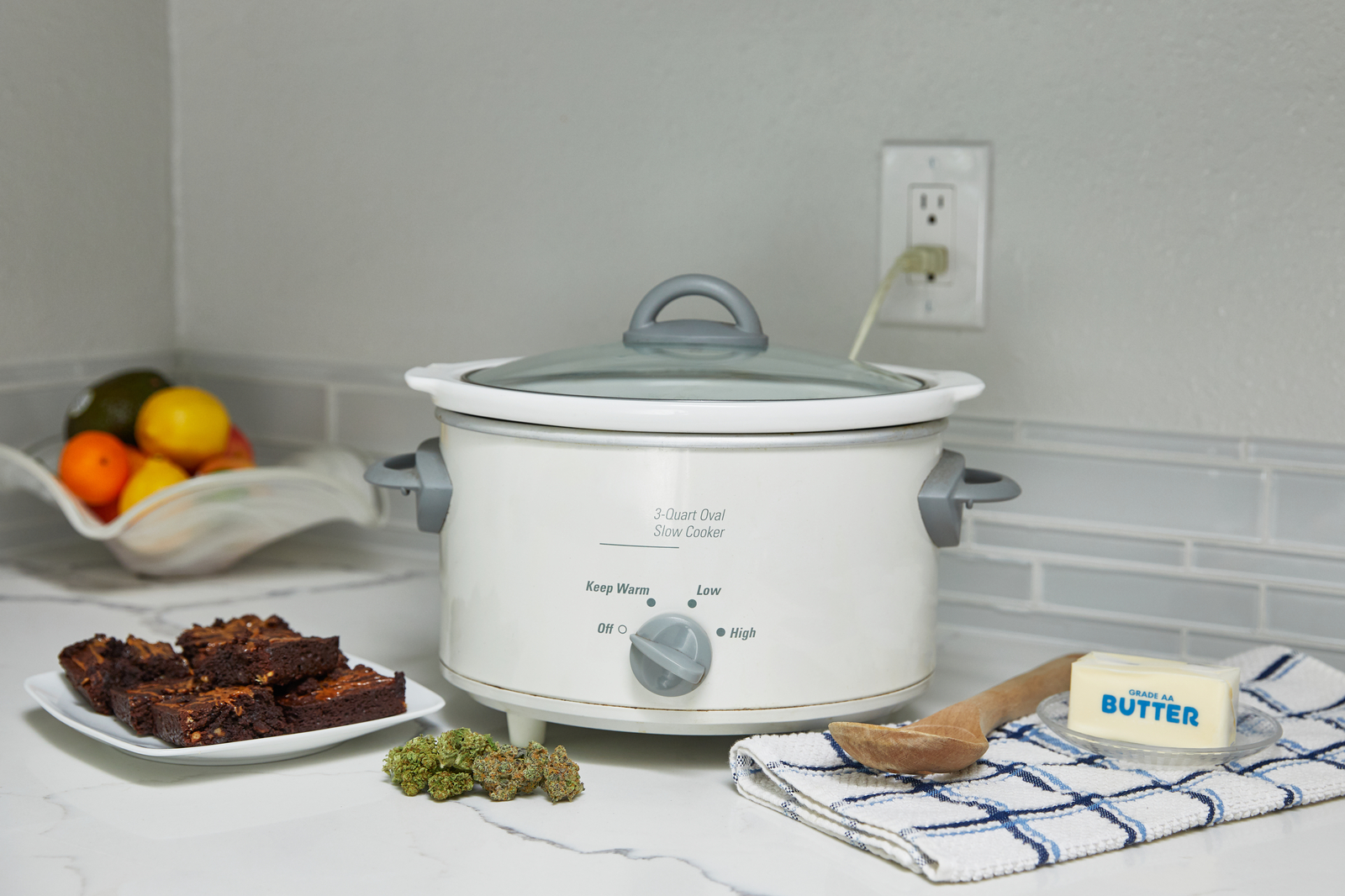
Photo by: Gina Coleman/Weedmaps
Image lightbox
Most people treat edibles like one category. Gummies, chocolates, brownies, same thing, just different flavors.
That’s not how it works.
Baked edibles go through multiple transformation steps before you even eat them. Other formats are usually controlled, single-process systems. Baked goods are not.
You’re dealing with:
- heat activation
- fat infusion
- a second round of heat during baking
- physical restructuring of the food itself
That stack is where things start to drift.
The three stages that define baked edibles
Everything comes down to three stages. Miss one, or mess one up, and the whole thing shifts.
- Decarboxylation → activates THC
- Infusion → binds THC to fat
- Baking → reheats and reshapes the product
Each stage does something different to THC. None of them are interchangeable.
Stage 1: heat activates THC (decarboxylation)
Raw cannabis doesn’t contain active THC. It contains THCA, its non-psychoactive precursor. Heat flips that switch. When cannabis is exposed to controlled heat:
- THCA converts into THC
- the compound becomes psychoactive
Too little heat, and that conversion doesn’t finish. You end up with weaker material going into the rest of the process.
This step sets the ceiling for everything that comes after.
Stage 2: THC binds to fat during infusion
THC doesn’t mix with water. It locks onto fat.
During infusion:
- THC dissolves into butter or oil
- The fat becomes the carrier
This is where THC gets packaged for both:
- Cooking
- Digestion later on
If the infusion isn’t done right, THC doesn’t distribute evenly in the fat, and that problem carries forward into the final product.
Stage 3: baking exposes THC to a second heat cycle
Now you take that infused fat and bake it.
This is where things start to break.
The oven might be set to a certain temperature, but inside the batter:
- Heat builds unevenly
- Some areas get hotter than others
- Exposure lasts longer than during infusion
THC is sensitive to heat over time. Extended exposure can reduce how much active THC remains.
So now you’ve got:
- Activated THC
- Infused into fat
- Partially altered again during baking
That second heat cycle is a major reason baked edibles don’t behave like simpler formats.
Why THC doesn’t stay evenly distributed in baked goods
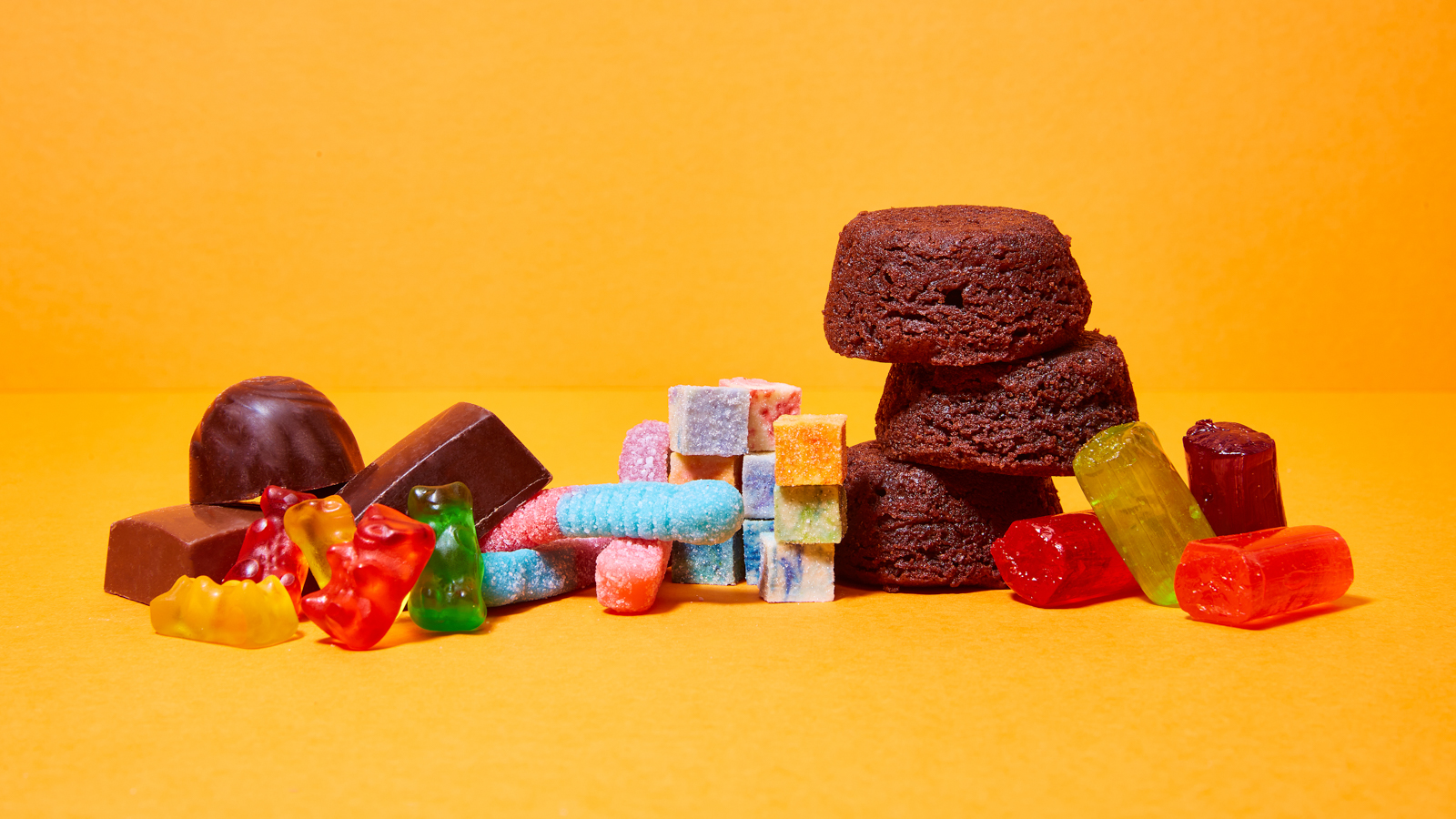
Image lightbox
Even if your infusion is solid, the batter is where things get messy. You’re mixing:
These don’t form a perfectly uniform system. As the batter bakes:
- Fat shifts
- Air pockets form
- Density changes across the structure
THC follows the fat.
So instead of even distribution, you get:
- Concentrated pockets
- Weaker areas
That’s how two pieces from the same batch can feel completely different.
Baked goods create a different structure than other edibles
This is where format really matters.
Baked goods:
- Irregular structure
- Multiple components (fat, starch, moisture)
- Uneven internal layout
Other edibles (like gummies):
- Uniform mixture
- Controlled production process
- Consistent cannabinoid spread
Gummies are engineered to be even.
Baked goods are not. They’re dynamic, they change shape, density, and distribution during cooking.
How the body processes baked edibles
Once you eat them, the differences keep going. Baked goods are heavier, more complex foods. They don’t break down fast.
Because they contain fat:
- digestion slows down
- gastric emptying takes longer
- THC stays tied to fat as it moves through your system
Instead of a quick release, THC enters your system over time.
That slower breakdown changes how the effects build.
How these mechanisms change potency and effects
Now everything stacks.
- Heat determines how much THC is activated
- Infusion determines how well it’s carried
- Baking changes how much survives
- Mixing determines where it ends up
- Digestion controls how it’s released
Put that together, and you get what users often report:
- Different potency between servings
- Slower onset compared to simpler edibles
- Effects that last longer and build in stages
None of that is random. It’s the system playing out.
Why baked edibles are less predictable than other formats
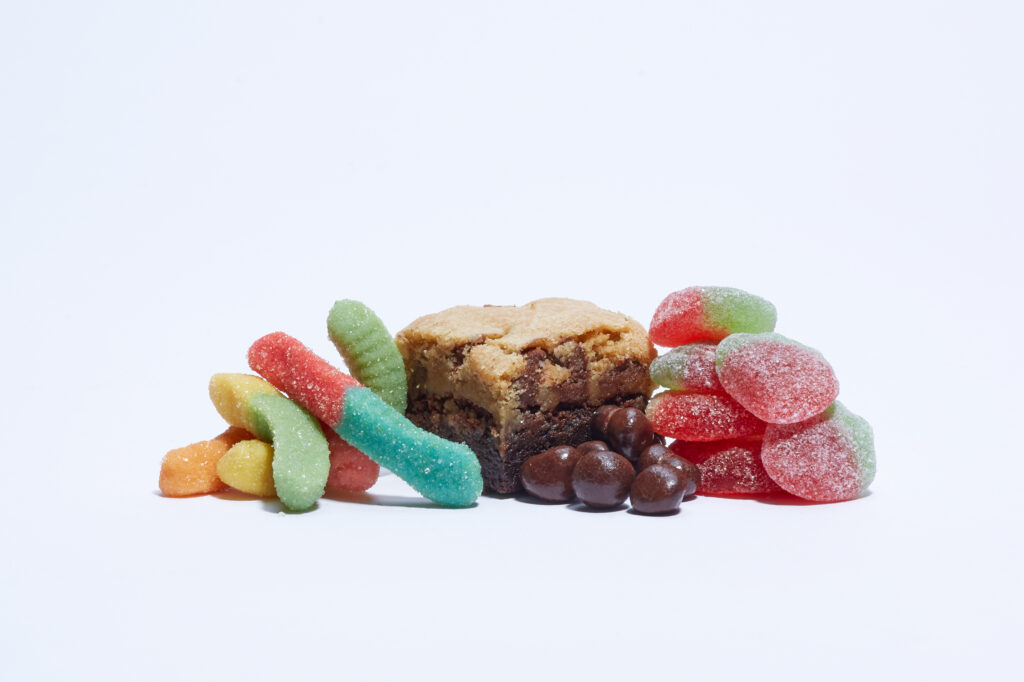
Image lightbox
There are more variables at every step:
- Multiple heat exposures
- Fat-dependent distribution
- physical changes during baking
- Slower, more complex digestion
Compare that to something like gummies:
- Controlled formulation
- Even cannabinoid distribution
- Simpler digestion path
Fewer variables = more consistency.
Baked goods don’t have that advantage.
Choosing between baked edibles and other formats
It comes down to how much control you want.
Baked edibles:
- More variability
- Longer, slower experience
- Less predictable from piece to piece
Other formats:
- Tighter dosing
- More consistent timing
- Easier to repeat the same experience
Different systems, different outcomes.
The bottom line

Baked edibles behave differently because THC goes through more steps:
- It’s activated with heat
- Bound to fat
- Exposed to heat again
- Redistributed during baking
- Then processed through a complex food matrix
Each step shifts the final result.
Once you understand that stack, the variability makes sense, it’s not random, it’s built into how baked edibles work.
Find chocolate edibles, gummies, and every format in between on Weedmaps — browse dispensaries near you for pickup or delivery.