





Dwight Diotte was 14 when he built his first grow at the end of his bed, lining a cardboard box with tinfoil and screwing in a blue 150-watt bulb. He had noticed the seeds in his teenage stash and decided, with adolescent certainty, that he would grow his own. When asked when he knew cannabis would be his life’s work, his answer was swift.
“Immediately, from the time I took the second drag.”
That conviction carried him west in the early 1980s, first to British Columbia, then down through Oregon and California, tracing the supply lines of the era in search of better genetics. By 1989, he was in Holland working for Nevil Schoenmakers, founder of The Seed Bank of Holland and one of the most influential breeders of the modern era. Diotte spent 14 years there, absorbing a philosophy rooted in selection, patience, and an uncompromising nose for quality.
“90% of what we’re seeing around now came from the genetics from those days,” he said. “Nevil especially had found the sweet spots.”
For the last decade and a half, Diotte has focused almost exclusively on haze lines, particularly a strain called Outback Haze that he considers a culmination of that legacy.
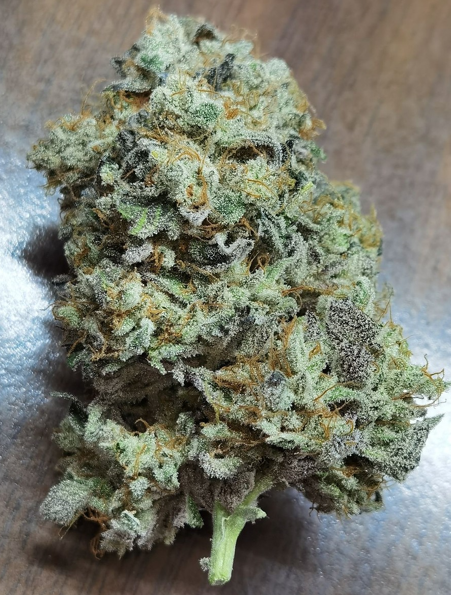
Outback Haze And The Question Of Time
Outback Haze was among the last seeds Schoenmakers made before his passing, a complex weave of Nevil’s Haze selections and an old Thai line from the 1970s. Diotte has spent more than a decade narrowing dozens of phenotypes down to four distinct expressions worth preserving.
The defining trait of a true haze, he argues, is time; namely fourteen to sixteen weeks of flowering, sometimes longer. The plant requires that span to develop layered cannabinoid ratios and the cerebral intensity that made haze famous.
“Anybody that says they have real haze that’s done in 50 days or 55 days, it doesn’t exist yet,” he said. “It takes that long for these plants to produce the complex cannabinoid ratios that they do.”
Modern commercial cultivation, optimized for speed and bag appeal, has little patience for a 120 day flower cycle. Dense buds that finish in eight or nine weeks dominate legal menus. The word haze survives as branding, often detached from the long flowering sativas that defined it.
Diotte draws a sharp contrast between traditional sativas and the afghan and kush lines that reshaped the market in the late 1980s. Hash plants, he explained, achieve complexity through aggregation. A block of hash may contain resin from hundreds of plants, its richness born of combination. A single long flowering sativa, by contrast, can generate that complexity on its own.
The industry chose speed—sea of green systems, quick turnovers, heavy yields.
“They’ve got to be done in 52 days or else,” he said, dismissing the timeline as “nothing to do with weed.”
Fear and Loathing In The Third Drag
Ask Diotte what separates authentic haze from its commercial imitators and the conversation shifts from agronomy to experience.
The best Nevil hazes, he said, produce a feeling of awe. Outback Haze pushes further, sharpened by its Thai ancestry. There is what he calls an electric edge.
“As far as I’m concerned, if you’re not getting a bit of fear and loathing after about the third and fourth drag, then it’s not haze.”
He laughs at the memory of new smokers putting the joint down after three hits, unsure whether to continue. That hesitation is the test.
“You’re scared about what’s coming next, otherwise you’re just smoking kush.”
The sensation is more confrontation than sedation, offering a wired intensity that challenges the mind before settling into clarity. Diotte has smoked these selections daily for 12 years and claims they still surprise him. Tolerance, in his view, is the enemy of quality. A great sativa should resist it.
This is where time reappears, not just in the flowering cycle but in the cure.
“These sativas cure like whiskeys and that kind of a thing sitting in a barrel,” he said.
Six months in a jar deepens the profile. Aromas do not simply fade. They peel away in layers, revealing incense, leather, and subtler notes beneath.
Read more: Claudia Della Mora Speaks on the Architecture of Trust in European Cannabis
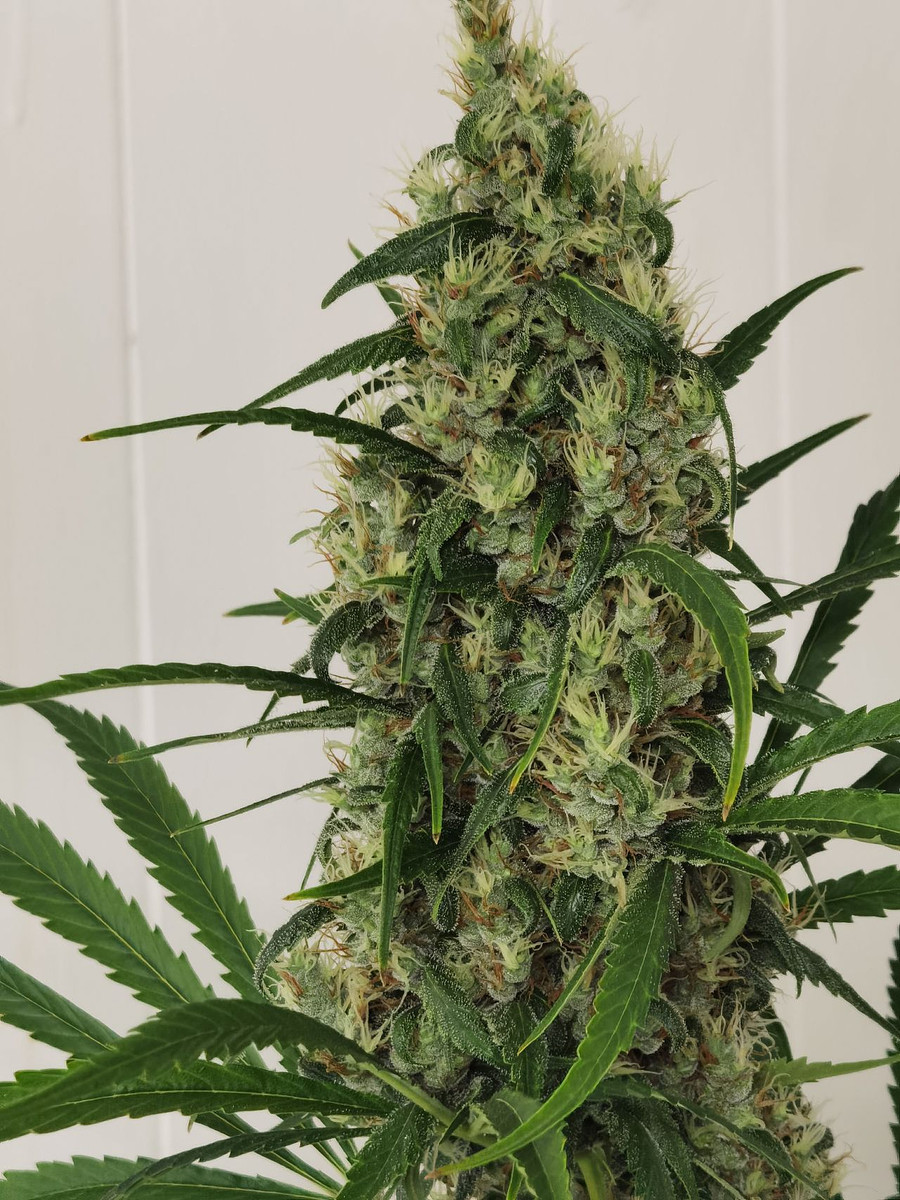
Terpenes As Clues
“I think terps tell a story of what lies beneath more than.”
He stops short of dismissing terpenes outright. Citrus and lime aromas often signal an energetic, high frequency experience. Greasy, hashy notes hint at heavier effects. But he sees terpenes primarily as indicators of underlying cannabinoid architecture rather than the principal driver of the high.
In traditional cannabis cultures, he noted, flower and resin are cured for months. Excessively fresh material, saturated with volatile oils, can be harsh on the lungs and nervous system. Over time, the sharpest notes dissipate and the essence remains.
The modern emphasis on terpene profiles and lab percentages, he suggested, risks flattening a multidimensional plant into a marketing shorthand. Predictable highs are difficult to engineer from polyhybrid lines composed of ten or fifteen mixed strains. By contrast, landrace varieties such as Colombian or Thai lines, selected over centuries for specific effects, deliver a more uniform experience across users.
Nine out of ten smokers, he said, will feel the same buzz from a well selected Colombian. That reliability is the product of lineage and time.
The Rarest Commodity
For Diotte, preserving haze is not a business strategy, it is a responsibility. For genetics preserved rather than diluted. For cultivation measured in seasons, not quarterly returns. He speaks about Outback Haze the way some men speak about endangered species or vanishing dialects, aware that once they are compromised, they rarely return in their original form.
In the end, his defense of haze is a defense of time itself. Time to flower. Time to cure. Time to feel the third drag and sit with the flicker of uncertainty before the light breaks through. That electric edge, that moment of fear before clarity, is more than a sensory effect. It is a symbol of what cannabis can be when it is allowed to fully express itself.
For growers and consumers alike, that patience may be the rarest commodity in the modern cannabis market.