



Therapeutic cannabis products are created by controlling cannabinoid ratios, compound interactions, delivery methods, and dosing so the effect is repeatable.
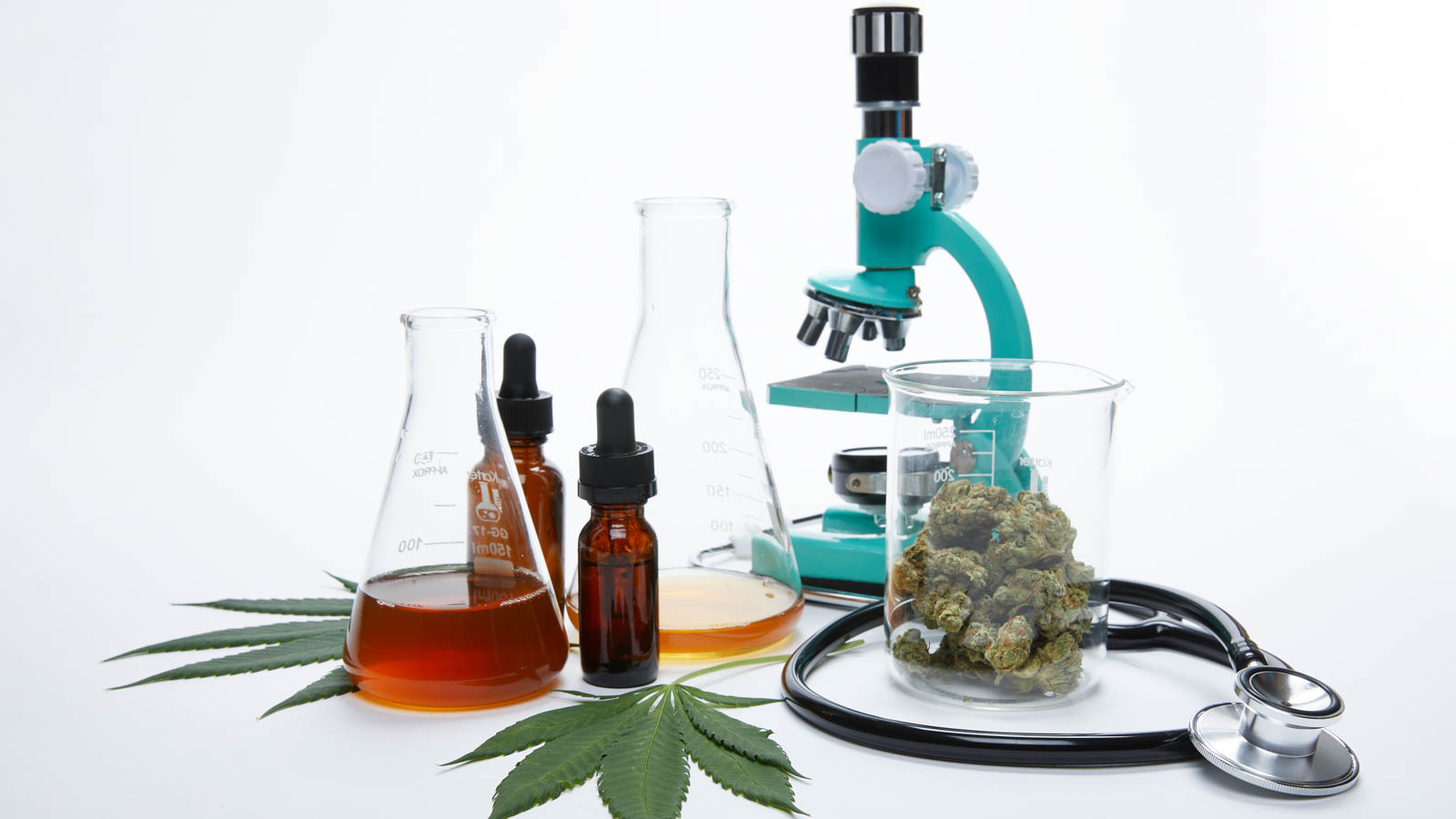
Photo by: Gina Coleman/Weedmaps
Image lightbox
That’s the real distinction between recreational and therapeutic formulation. One prioritizes intensity. The other prioritizes repeatable outcomes. Same plant — different engineering target.
Once consistency becomes the goal, every variable starts mattering: cannabinoid ratio, terpene profile, delivery method, absorption timeline, dose structure, and manufacturing consistency. Therapeutic cannabis products are built by controlling those variables tightly enough that the effect stays recognizable from one use to the next.
THC percentage stops mattering fast
THC content alone tells you very little about how a product will actually feel.
Once multiple cannabinoids enter the formula, ratios begin shaping the experience more than raw potency. A high-THC product can land sharp, foggy, physically heavy, mentally stimulating, or surprisingly balanced depending on what surrounds the THC and how the dose is structured.
CBD changes the equation immediately. THC binds strongly to CB1 receptors in the brain and central nervous system, which is why it drives pronounced psychoactive effects. CBD behaves differently. Instead of activating CB1 directly, it influences signaling across multiple pathways, including TRPV1 and GPR55.
That difference changes how formulations behave in practice. THC pushes harder toward intensity. CBD is often used to regulate the edges around it.
Minor cannabinoids complicate the picture even further. Research around compounds like CBN and CBG is still developing, but both already appear regularly in products targeting specific outcomes. CBN is commonly associated with more sedating formulations, while CBG frequently appears in products marketed around daytime use, focus, or clarity.
At that point, potency becomes only one part of the system.
Why similar products can produce completely different effects
Two products can carry nearly identical THC percentages and still feel nothing alike.
That disconnect is one of the biggest reasons therapeutic cannabis formulation has become more complex over the last few years. Cannabinoids influence each other’s activity, and researchers use the term “entourage effect” to describe the theory that cannabinoid and terpene combinations may behave differently than isolated compounds alone. The research is still evolving, but formulation patterns in the real world are difficult to ignore.
Terpenes add another variable entirely. Some combinations feel mentally brighter and more stimulating. Others lean heavier, slower, and more physically sedating. The cannabinoid percentage on the package may stay almost identical while the overall effect profile shifts dramatically because the surrounding chemistry changes how the experience unfolds.
Therapeutic products are built around that interaction layer instead of treating THC percentage like the entire story.
Delivery method changes the effect before the cannabinoids even arrive
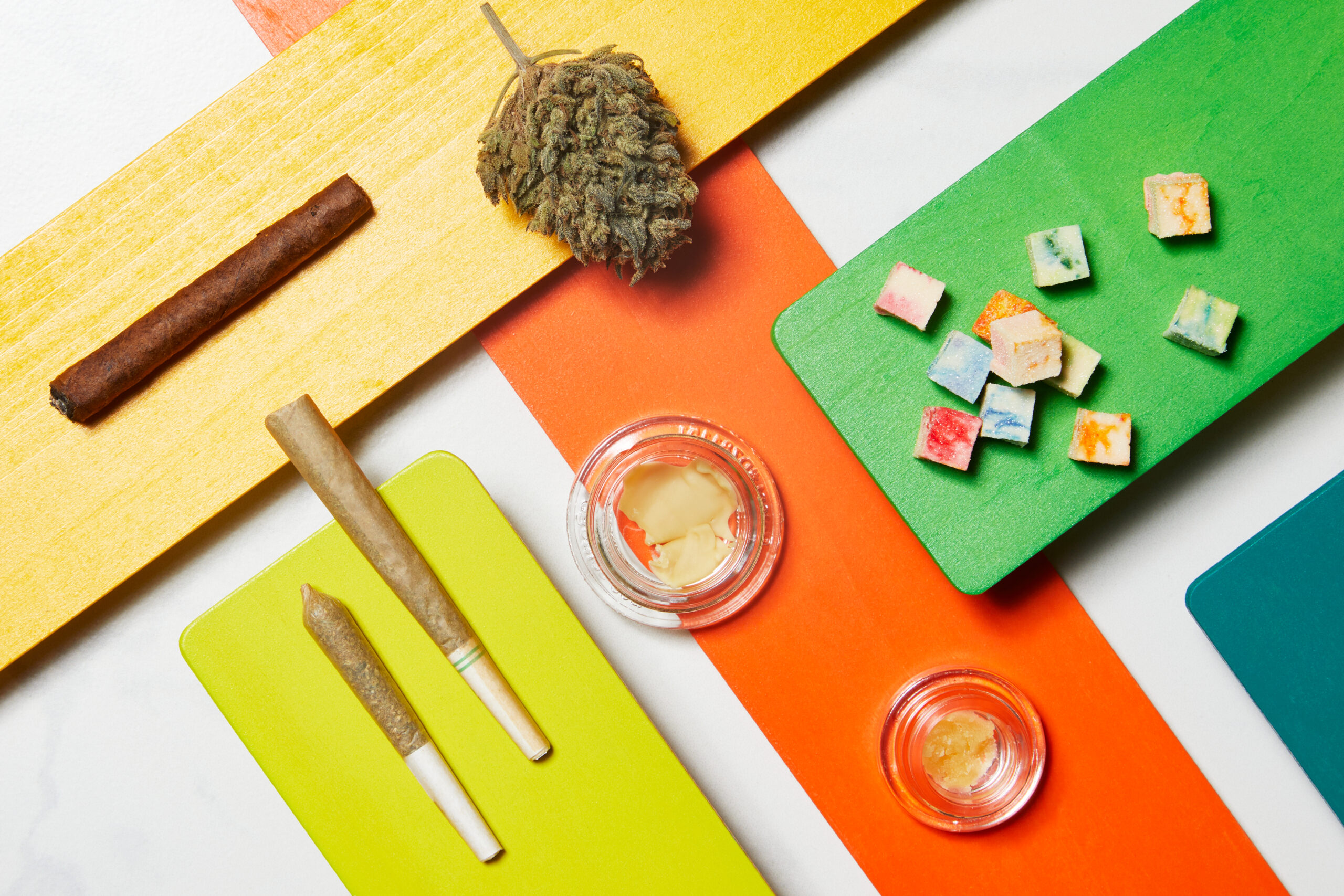
Photo by: Gina Coleman/Weedmaps
Image lightbox

The delivery system shapes onset, duration, intensity curve, and dose consistency before the formulation itself fully enters circulation.
Inhalation moves quickly because cannabinoids pass from the lungs into the bloodstream within minutes. The tradeoff is shorter duration and more variability from session to session depending on draw size, temperature, and technique.
Edibles behave differently because digestion reshapes the dose before much of it circulates. During first-pass liver metabolism, delta-9 THC converts into 11-hydroxy-THC, a metabolite associated with the heavier and longer-lasting effects people commonly associate with edibles.
Sublingual products land somewhere in the middle. Absorption through tissue under the tongue bypasses part of digestion, shortens onset time, and allows more controlled dose calibration without relying entirely on liver conversion.
Therapeutic formulation doesn’t separate cannabinoids from delivery method because the route into the body changes the experience too much.
Bioavailability is what determines the real dose
The labeled dose and the usable dose are not always the same thing.
Some cannabinoids degrade during heating. Digestion alters others before absorption. Some percentage never reaches circulation at all. A 10mg inhaled dose, a 10mg edible, and a 10mg tincture can produce dramatically different outcomes because bioavailability shifts across each pathway.
Therapeutic cannabis products are built around usable exposure, not just label numbers. What matters is how much of the formulation survives long enough to reach systemic circulation consistently.
That’s where a lot of low-quality products fall apart. The packaging may look precise while the delivery remains inconsistent.
Precision dosing is what makes repeatable outcomes possible
Therapeutic cannabis only works when the dose stays measurable.
Flower introduces variability constantly. Combustion temperature changes. Draw size changes. Inhalation depth changes. Even the same person using the same product can end up with noticeably different exposure from one session to the next.
Controlled formats reduce that instability.
Tinctures, capsules, tablets, metered inhalers, and precisely dosed edibles allow smaller adjustments and more reliable intake tracking over time. That consistency makes it easier to identify functional dose ranges instead of chasing effects through trial and error every session.
Consistency is the entire point

Precise dosing stops mattering if the formulation changes every batch.
Therapeutic cannabis products depend on repeatable cannabinoid profiles, stable terpene composition, verified potency, and standardized manufacturing processes. Lab testing and certificates of analysis exist to confirm that consistency so the product behaves predictably each time it’s used.
Without standardization, a “5mg dose” eventually stops meaning much of anything.
Therapeutic cannabis isn’t defined by softer effects or wellness branding. The defining feature is control — controlling formulation, controlling exposure, and controlling variability tightly enough that the outcome becomes more predictable than random.
Browse wellness-focused cannabis products online and compare cannabinoid ratios, dosing formats, and delivery methods designed around more controlled effects.