






Cannabis seed outcomes vary because each seed contains a different genetic combination, affecting how traits like THC levels, terpene profiles, and plant structure are expressed.
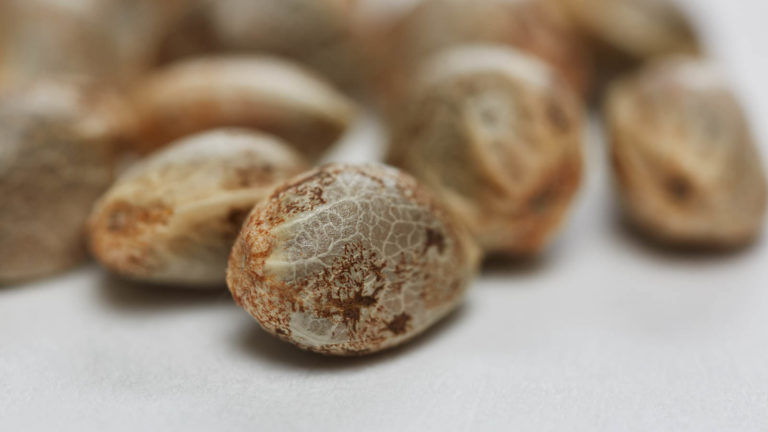
Photo by: Gina Coleman/Weedmaps
Image lightbox
Two cannabis seeds from the same strain can grow into completely different plants.
Different height. Different bud structure. Even different potency.
That’s not a mistake, that’s how seeds work.
Most guides focus on getting seeds to sprout. But what really matters is what’s already inside the seed, and how that plays out once it starts growing.
Why two seeds from the same strain don’t grow the same
When you grow from seed, you’re not copying a plant, you’re creating a new one.
Each seed carries a slightly different mix of traits. So even if they come from the same strain, they’re not identical.
That’s why one plant might grow tall and loose, while another stays short and dense.
Same label. Different expression.
Inside the seed: structure and viability
A cannabis seed is a small system built to start a plant.
Inside, you’ve got:
- an embryo (the future plant)
- endosperm (early energy supply stored in the cotyledons)
- a protective shell
For a seed to work, that system has to be intact.
That’s what viability means, the seed is alive and capable of sprouting.
Things that affect viability:
- age
- heat and moisture exposure
- physical damage
If the embryo isn’t healthy, nothing else matters. The genetics never get a chance to express.
How cannabis genetics are stored in a seed
Every viable seed carries a genetic blueprint.
That blueprint includes the potential for:
But it’s not a fixed result. It’s a mix of traits inherited from both parent plants.
So instead of one outcome, each seed carries a range of possibilities.
Why those genetics don’t express the same way every time
This is where variation comes in.
Each seed contains paired genes, and those get reshuffled during reproduction. Some traits are dominant, others stay hidden until the right combination shows up.
So even within the same strain:
- one seed might lean toward one parent
- another might express recessive traits
- another lands somewhere in between
That variation is built into the system, not random, just complex.
Genotype vs phenotype: where genetics turn into a real plant
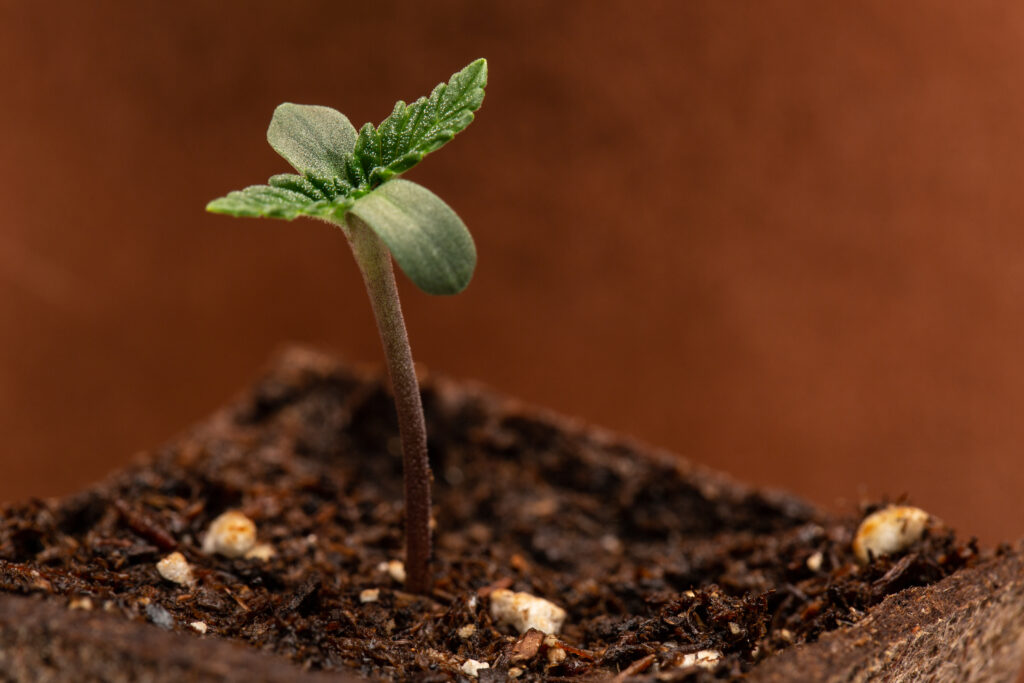
Image lightbox
Think of it like this:
- Genotype = what the seed could become
- Phenotype = what it actually becomes
The environment plays a role — light, nutrients, temperature — but it can only work with what’s already in the seed. Genetics set the range. The environment decides where in that range the plant lands.
Stability vs variation: why some seeds are more predictable
Some seeds are bred to be more consistent. Others aren’t.
- Stable genetics → similar plants across seeds
- Unstable genetics → wide variation
This comes down to breeding depth. First-generation hybrids (F1s) tend to be highly uniform — the cross is predictable, and hybrid vigor keeps expression tight. Push further into later generations without rigorous selection, and that uniformity breaks down. Plants start pulling from a wider genetic pool, and variation compounds.
That’s why seeds from the same pack can feel inconsistent — they’re expressing different parts of the same gene pool, and nobody locked anything down.
Seed vigor: why some plants take off and others stall
Even when seeds are viable, they don’t all perform the same.
Vigor is about:
- growth speed
- resilience
- early development strength
Two seeds can sprout, but one grows fast and strong while the other struggles. That difference comes from both genetic quality and how much energy the seed has stored.
Viability gets you started. Vigor determines how far you go.
How all of this affects potency, structure, and quality
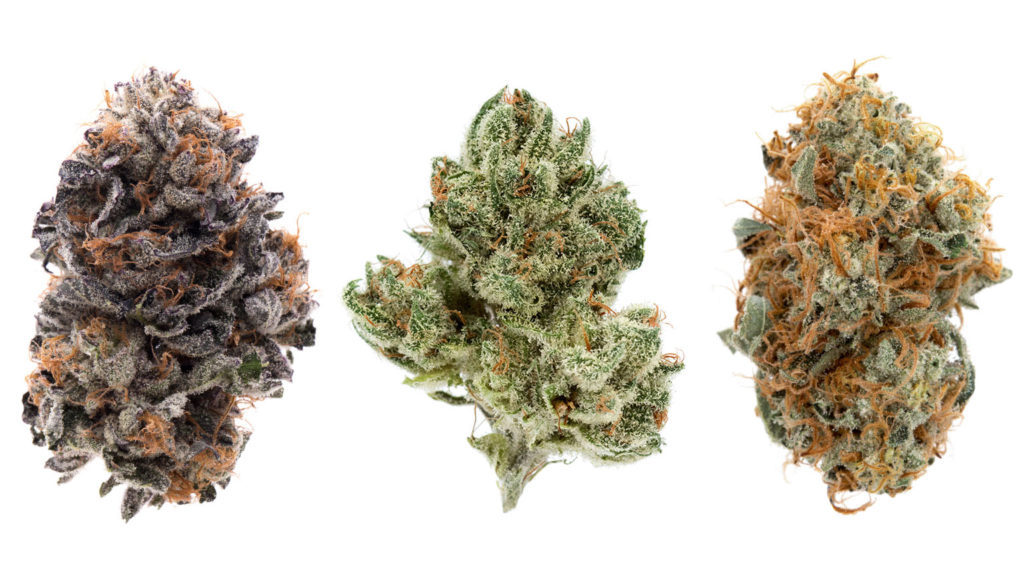
Image lightbox
Now you can connect it.
Different genetic combinations → different outcomes:
- Cannabinoids: Some plants express higher THC, others lower
- Terpenes: Flavor and aroma shift between phenotypes
- Structure: Height, density, and yield vary
That’s why cultivators pheno-hunt for standout plants — they’re selecting the best version of what those seeds can produce.
What this means for consistency
Seeds give you variation. That’s the tradeoff.
To control that:
- growers select specific phenotypes
- clones are used to lock in traits
- seed-grown plants stay less predictable
Same genetic pool, different results depending on what you select and what you keep.
The takeaway: seeds are potential, not promises

A cannabis seed doesn’t guarantee a result.
It gives you:
- a genetic range
- a starting point
- a set of possibilities
What you actually get depends on:
- which traits show up
- how they express
- how the plant develops
Once you understand that, the variation stops feeling random, and starts making sense.
Browse cannabis seeds for pickup or delivery near you.