






Weed doesn’t go stale overnight. Oxygen, light, and heat slowly strip away terpenes, reshape cannabinoids, and change how your flower smells, burns, and hits.
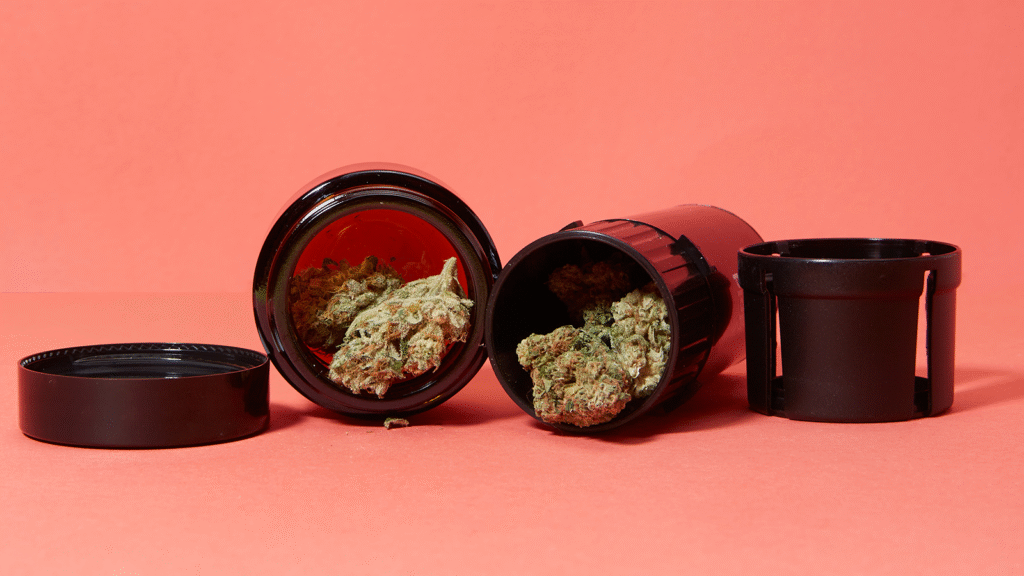
Image lightbox
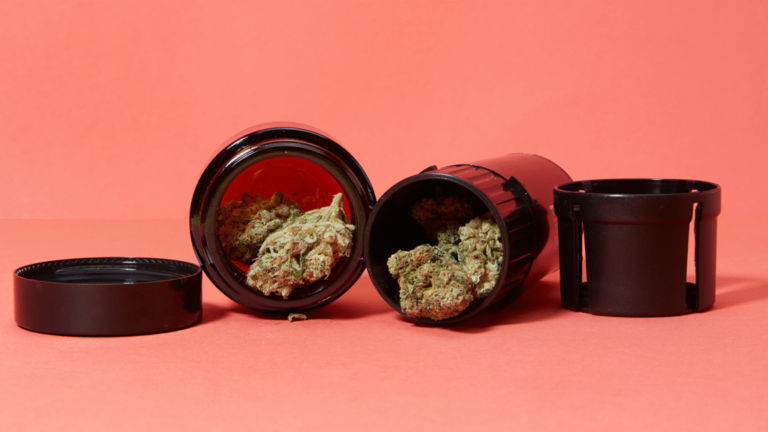
First the jar stops smelling loud when you crack it open. Then the flavor flattens out. Then the flower starts burning hotter, harsher, and faster than it used to. By the time most people notice potency loss, the chemistry changed weeks earlier.
That decline usually comes from the same three things: oxygen, light, and heat.
Why cannabis keeps changing after harvest
Harvest doesn’t freeze cannabis in place.
Even after curing, cannabinoids and terpenes keep reacting to the environment around them. THC is chemically reactive, and terpenes are volatile compounds that break down or evaporate easily once exposure starts stacking up.
That’s why storage matters so much. You’re not preserving cannabis forever, you’re slowing the speed of chemical change.
A fresh jar and a badly stored jar might start with the exact same flower. A few weeks later, they can smell, burn, and feel completely different.
Oxygen slowly changes the cannabinoid and terpene profile
Every time cannabis gets exposed to fresh air, oxidation starts pushing the profile in a different direction.
For THC, oxygen slowly drives degradation reactions that reduce the original cannabinoid content over time. That shift doesn’t happen overnight, and it’s not a clean one-step conversion either. THC can gradually degrade into compounds like CBN while other cannabinoids and volatile compounds continue breaking down along the way.
Terpenes usually show signs first.
That’s why older flower often loses its loudness before it loses all its potency. The aroma compounds oxidize and destabilize faster than most cannabinoids do, especially once oxygen keeps cycling into the container repeatedly.
Half-empty jars speed this up even more.
More empty space inside the jar means more trapped oxygen surrounding the flower. Every time the lid comes off, that air gets replaced with fresh oxygen and the process keeps rolling forward.
Light exposure accelerates cannabinoid breakdown
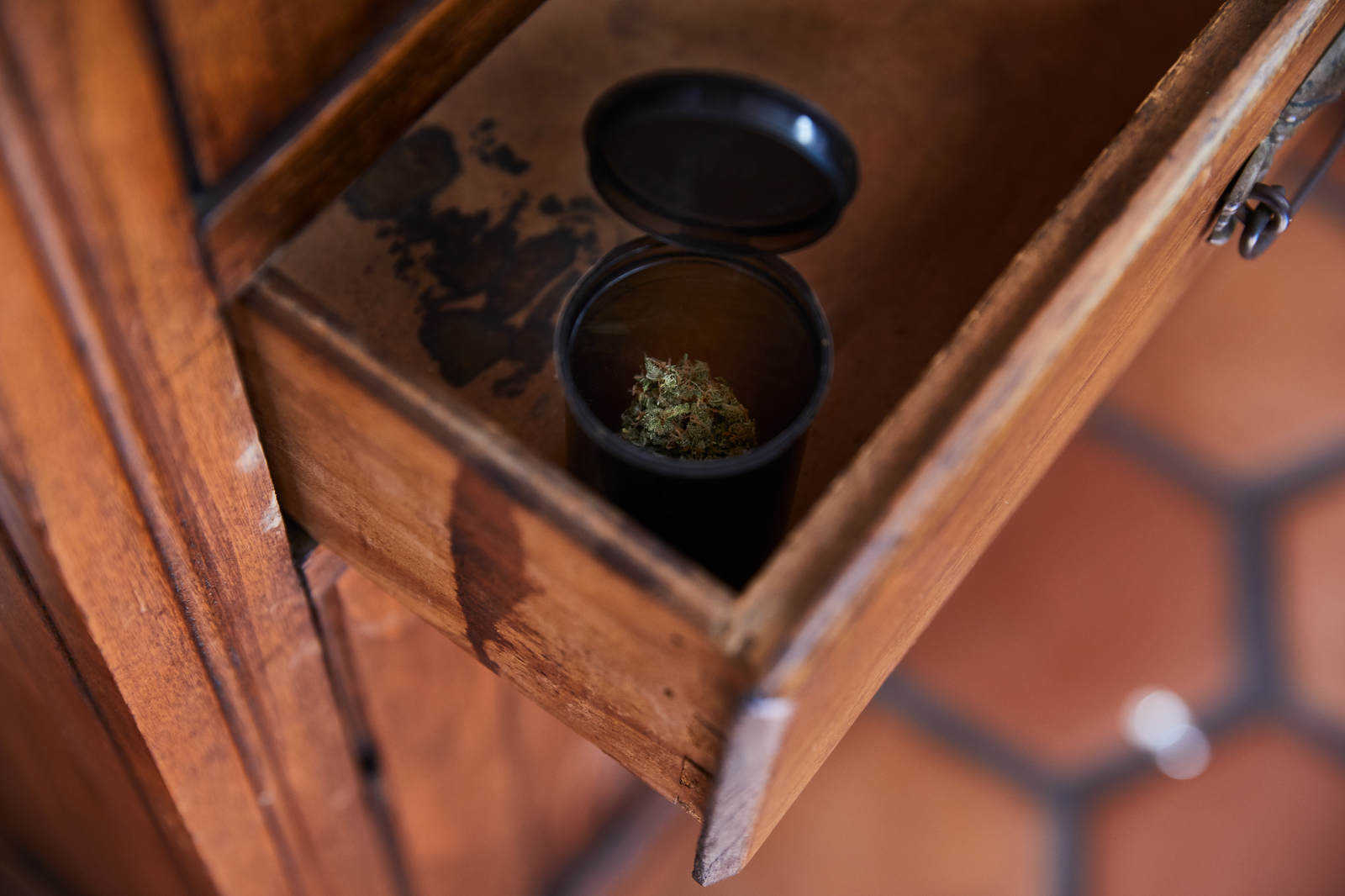
Photo by: Gina Coleman/Weedmaps
Image lightbox
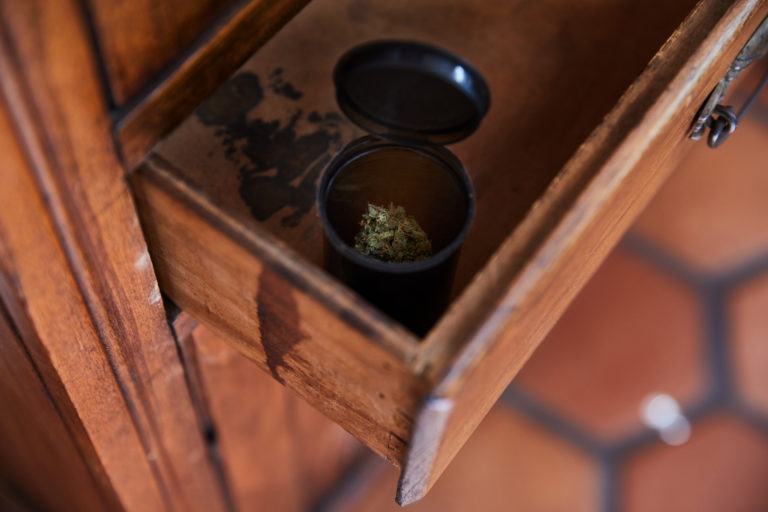
Light exposure doesn’t just warm cannabis up. UV radiation actively destabilizes cannabinoids and terpenes at a chemical level.
That’s why flower sitting in a clear jar near sunlight ages faster even when the temperature feels normal.
The damage compounds slowly. Cannabinoids lose stability, terpene profiles flatten out, and the flower gradually loses the sharpness it had when it was fresh.
Clear jars look good on shelves. They’re terrible for long-term storage.
Direct sunlight is the fastest way to age flower early, but even sustained indoor light exposure slowly chips away at the profile over time.
Heat speeds every degradation reaction up
Heat makes every storage problem worse.
Higher temperatures increase molecular movement, which speeds up oxidation and accelerates terpene evaporation at the same time.
That’s why warm-stored flower usually loses flavor first.
The terpenes responsible for citrus, gas, pine, fruit, or funk start escaping long before cannabinoid degradation becomes obvious. A flower jar left in a hot car might still test relatively strong afterward, but the experience usually feels flatter because the terpene profile already took a hit.
Heat also changes how flower burns.
Dry, overheated flower combusts faster and rougher because moisture levels drop while volatile compounds disappear. That slow, oily burn turns into something thinner and harsher.
Why ground flower degrades faster than whole buds
Grinding flower changes the exposure geometry completely.
Whole buds protect a large amount of their cannabinoid and terpene content inside tightly packed plant structure. Once flower gets ground up, all that internal material gets exposed directly to oxygen and environmental contact.
That’s why pre-ground flower loses aroma so fast.
More exposed surface area speeds everything up. Oxygen reaches deeper into the flower, terpenes escape faster, and degradation starts compounding much earlier than it does in intact buds.
Loose storage makes it worse too.
A jar packed with whole buds limits oxygen movement better than a container full of fluffy ground flower with tons of empty air pockets between particles.
Freshly ground flower smells louder for a reason, terpenes are escaping into the air immediately.
How cannabis changes as degradation compounds over time
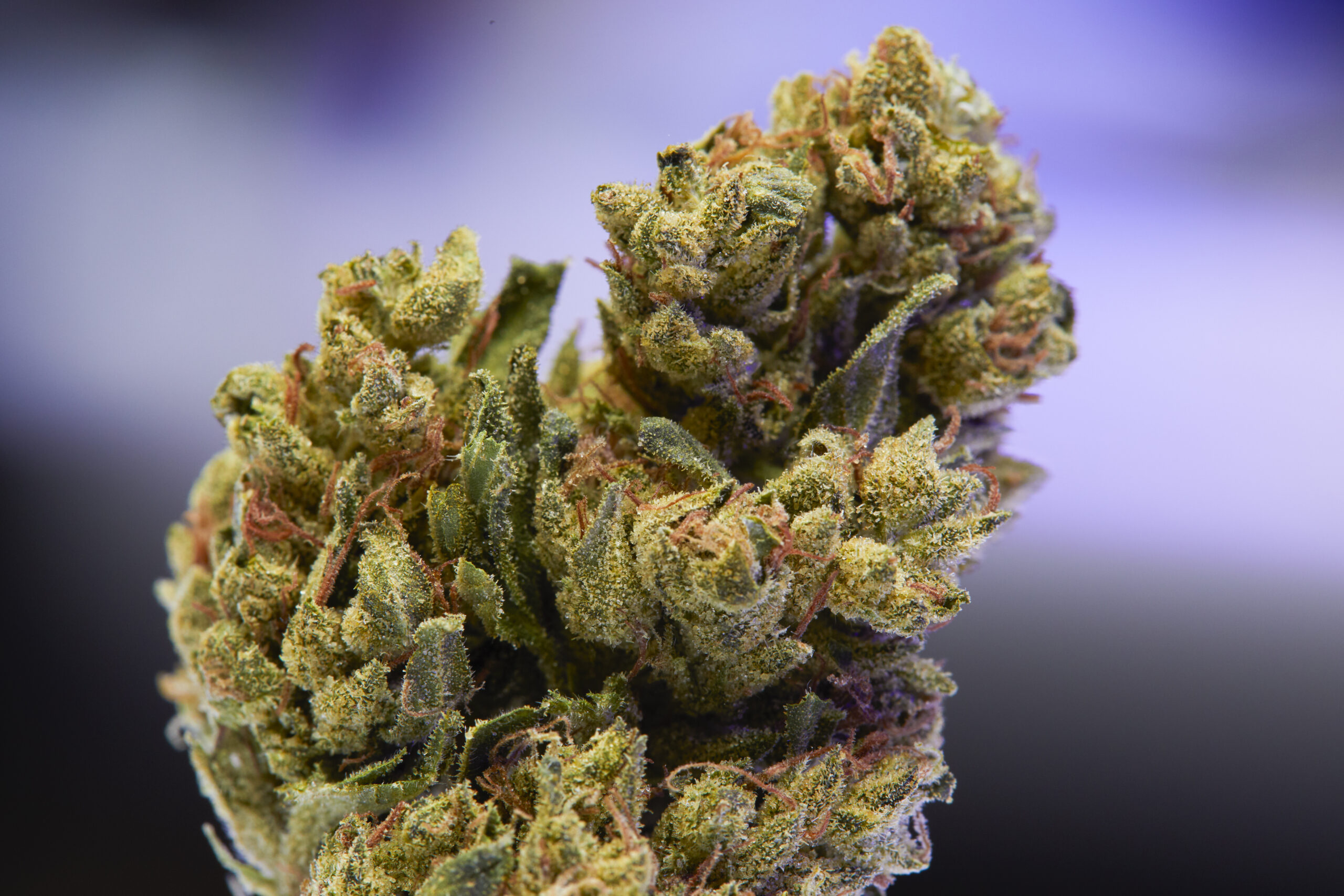
Photo by: Gina Coleman/Weedmaps
Image lightbox
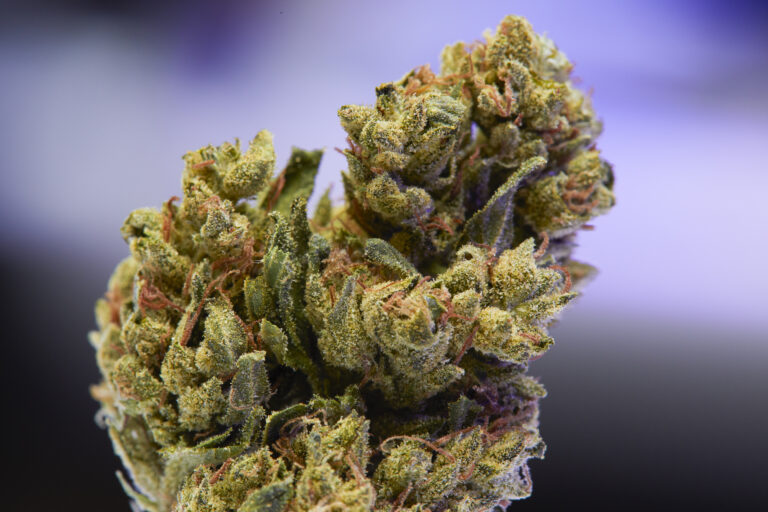
As exposure stacks up, the entire profile starts drifting.
THC levels decline gradually. Terpenes flatten out. The flower loses complexity and starts smelling dull, dry, or hay-like instead of distinct and layered.
The burn changes too.
Fresh flower usually burns more evenly because the moisture balance and resin content still hold together properly. Degraded flower tends to burn hotter and less consistently once dryness and oxidation start shifting the structure.
That’s why old weed often feels “off” even when it still technically works.
The chemistry underneath the experience already changed.
Why older cannabis feels flatter even when THC is still present
A lot of people expect degraded cannabis to feel dramatically weaker.
Usually it just feels less defined.
The cannabinoid balance shifts slowly while terpene loss strips away flavor, aroma, and part of the overall character of the flower. Instead of a terp-forward profile with clear texture and nuance, the experience starts feeling muted and compressed.
That’s why older flower usually feels duller, harsher, and less expressive even when the THC content hasn’t completely fallen off yet. The cannabinoid profile shifts slowly while terpene loss strips away the flavor, texture, and character that made the flower feel alive in the first place.
Not because THC disappeared completely, but because the surrounding chemistry changed first.
Dryness changes the session too. Overdried flower burns quicker, pulls hotter, and loses some of the resin content that helps regulate combustion. Everything starts feeling thinner.
Degraded cannabis and contaminated cannabis are different problems
Stale flower and unsafe flower are not the same thing.
Oxidized cannabis might smell flat, burn rough, and lose potency, but that doesn’t automatically make it contaminated.
Overdried flower is usually a quality issue.
Mold-contaminated flower is a different category entirely.
That comes from excess moisture, poor airflow, and microbial growth, not simple oxidation or terpene loss. If flower shows visible mold, unusual fuzz, or strong mildew smells, that’s not “aged weed.” That’s failed storage conditions.
Most badly stored cannabis isn’t dangerous. It just performs worse.
What actually preserves cannabis quality longer
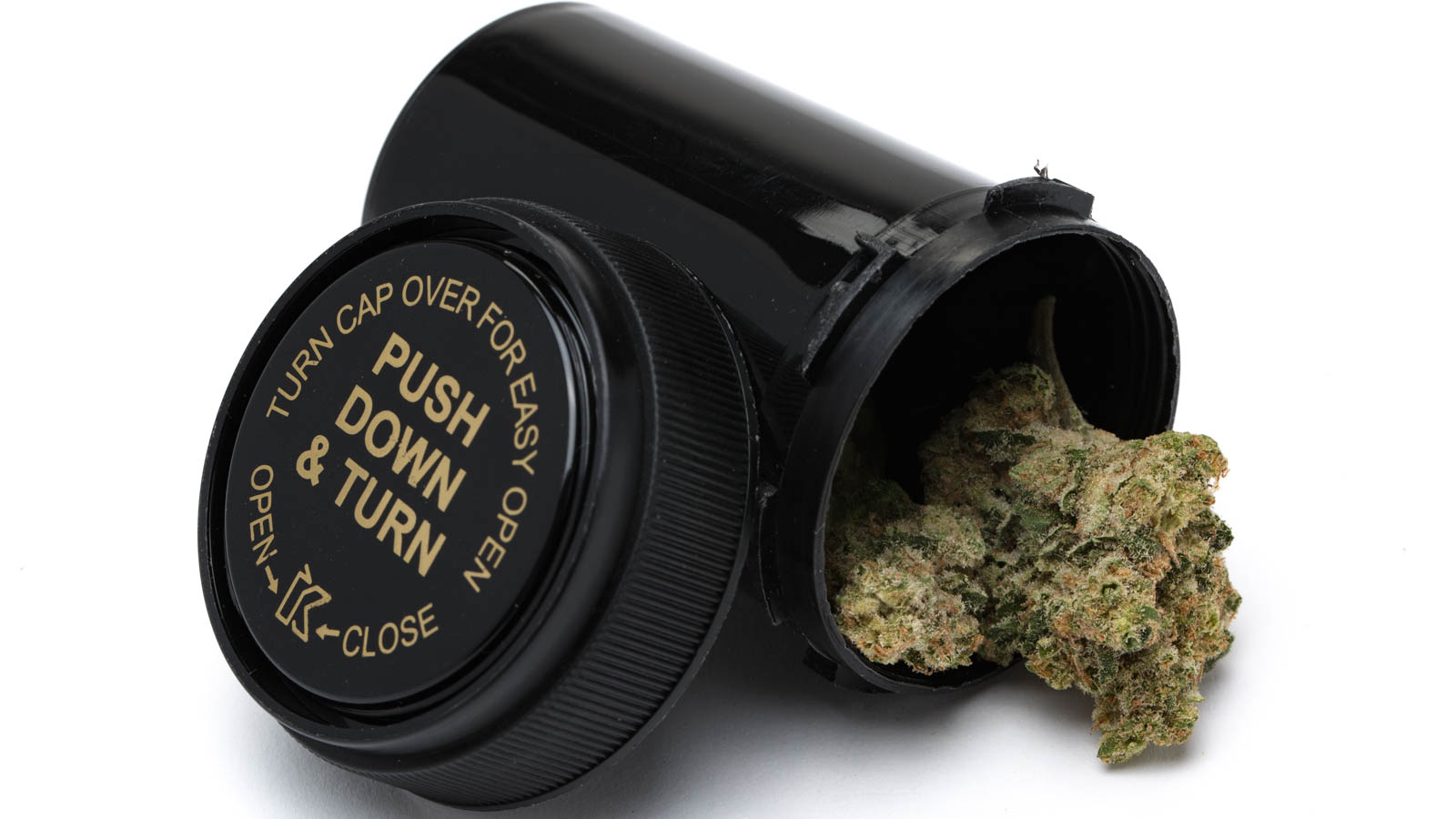
Photo by: Gina Coleman/Weedmaps
Image lightbox
Good storage slows exposure down.
Less oxygen exchange means slower oxidation. Less UV exposure means slower cannabinoid breakdown. Stable temperatures slow reaction speed and preserve volatile terpenes longer.
Whole flower also holds up better than pre-ground flower because less surface area stays exposed.
That’s why airtight jars stored away from heat and light consistently outperform loose bags, windowsill jars, hot glove compartments, or constantly opened containers.
Cannabis quality usually doesn’t disappear in one bad moment.
It fades through repeated exposure.
Weed ages one exposure at a time

Weed rarely dies instantly. It ages through thousands of small reactions happening every time oxygen enters the jar, light hits the flower, or heat speeds the chemistry up.
That’s why poorly stored flower doesn’t just lose potency. It loses texture, flavor, burn quality, and the layered profile that made it worth smoking in the first place.
If you’re comparing flower near you, pay attention to packaging, freshness, and storage conditions. That usually tells you more about quality than THC percentage alone.
Find fresh, terpene-rich cannabis online for pick up or delivery.
The post Killing your stash slowly: the science behind weed storage mistakes appeared first on Weedmaps.