






Limonene-heavy cannabis often feels brighter because the terpene profile changes how THC lands. The citrus aroma is the signal. The bigger difference comes from how limonene shifts the overall feel of the high once THC enters the picture.
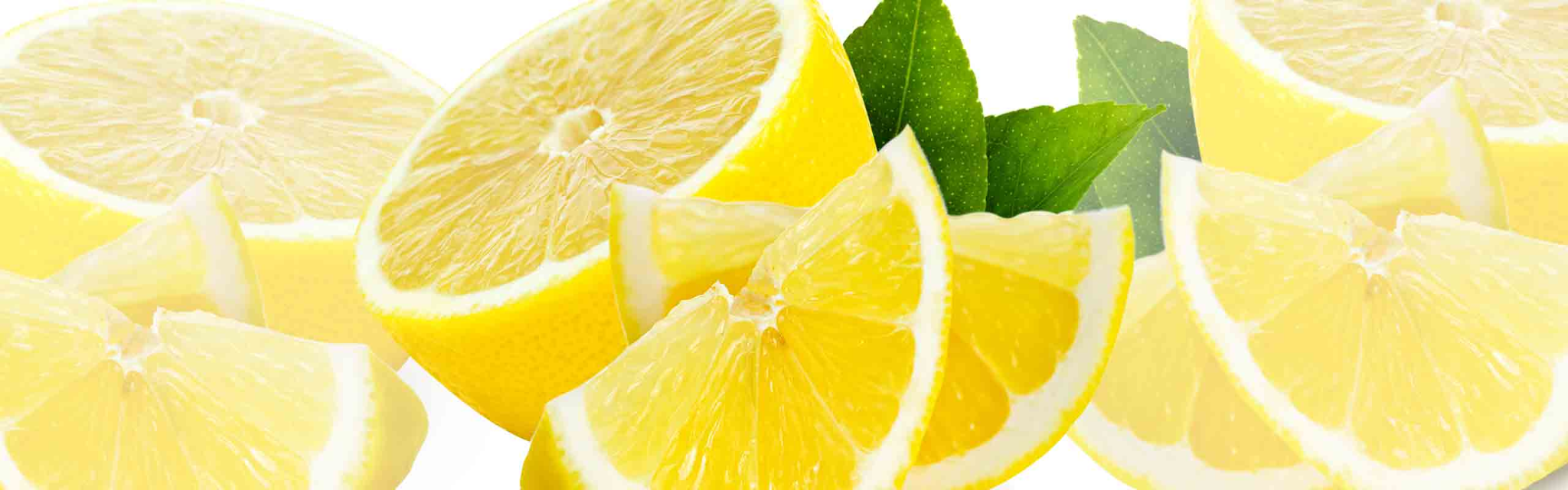
Photo by: Gina Coleman/Weedmaps
Image lightbox
That’s why two strains with similar THC percentages can feel completely different once you smoke them. One lands heavy and body-forward. The other stays sharper, lighter, and more mentally active.
In a lot of cases, terpene balance explains that difference better than THC percentage alone.
Why citrus-smelling cannabis tends to feel different
Some flower smells heavy the second you crack the jar. Other cultivars hit with sharp citrus right away and feel completely different once you smoke them.
That difference usually starts with terpenes. Limonene is usually the reason citrus-forward flower lands the way it does — brighter, sharper, and less likely to sit heavy once the effects settle in.
That’s where limonene shows up most clearly. Citrus-leaning flower is commonly associated with terpene profiles that feel brighter, sharper, and less foggy than heavier combinations.
The smell is the first clue. The terpene profile is what changes the experience.
What limonene actually does inside a terpene profile
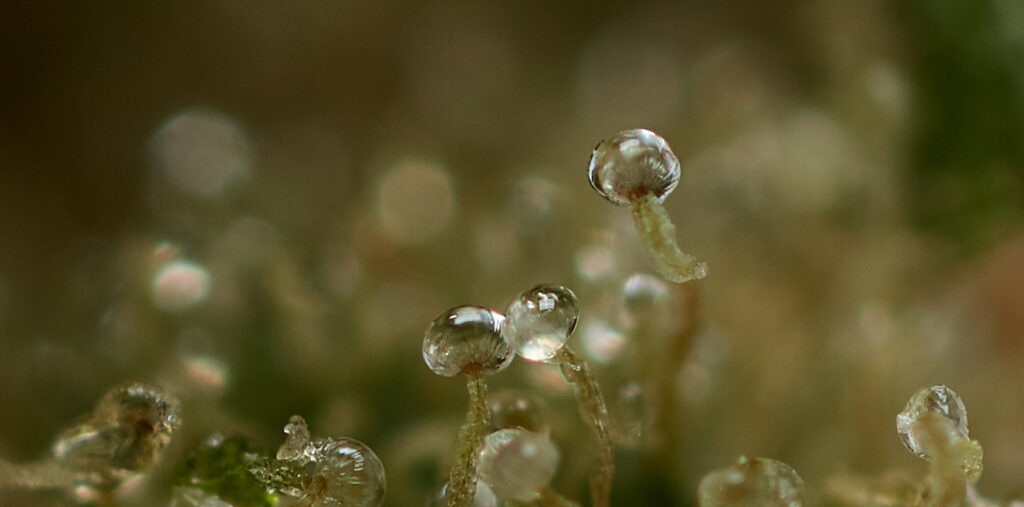
Image lightbox
Limonene is a terpene found in cannabis and citrus peels. It’s responsible for the sharp lemon, orange, and citrus top notes that jump out of fresh flower.
It’s also highly volatile.
Limonene degrades quickly when it’s exposed to heat, oxygen, or poor storage conditions. That’s why older flower loses that bright citrus edge first. The terpene profile starts flattening out before the cannabinoids even change much.
Fresh limonene-heavy flower usually smells loud immediately after opening because those volatile compounds are still intact.
That matters because terpenes do more than affect aroma. They influence how the cannabinoid profile comes across once the product hits.
Limonene-heavy flower tends to feel more mentally active and less physically dense because the terpene profile pushes the experience in that direction from the start.
How limonene changes how THC lands
THC controls intensity. Terpenes shape the texture of that intensity.
That’s why the same THC percentage doesn’t guarantee the same experience across different cultivars.
Limonene-heavy products are often described as mentally active, sharp, and functional. The high still hits, but it usually doesn’t settle into the same dense body sensation you get from more myrcene-heavy or sedating terpene combinations.
That difference is commonly tied to the entourage effect, the way cannabinoids and terpenes influence the overall experience together.
The important part is that limonene doesn’t “create energy” by itself. It changes how the THC experience comes across.
The high often lands sharper and less physically heavy for a lot of users.
Why limonene feels different from myrcene-heavy cannabis
The fastest way to understand limonene is to compare it to myrcene.
Myrcene-heavy flower usually feels slower and heavier. The high settles deeper into the body and tends to carry more couch-lock-style effects, especially at higher doses.
Limonene-heavy flower moves differently.
The experience usually stays brighter and more mentally active instead of fully sinking into the body. Even with similar THC levels, the terpene balance shifts where the high sits and how long it stays functional.
That’s why two eighths with nearly identical potency can hit completely differently in real use.
The THC percentage tells you how hard it might hit. The terpene profile tells you where that high is likely to land — mentally active, physically heavy, or somewhere in between.
Why some citrus strains still feel heavy
Citrus aroma alone doesn’t guarantee a bright high.
Some cultivars smell strongly of lemon or orange while still carrying terpene combinations that feel dense once the effects settle in. High THC levels can push things heavier too, especially when limonene sits alongside myrcene or linalool-dominant profiles.
That’s where people get confused shopping by smell alone.
A flower can open with sharp citrus and still smoke heavy later because the full terpene profile matters more than one dominant note.
That’s why terpene balance matters more than terpene presence.
Why limonene disappears faster than heavier terpenes
Limonene is one of the first things to disappear when flower gets old or overheated.
Its high volatility means combustion temperatures burn through those bright citrus compounds faster than heavier terpenes. Once that happens, the profile starts feeling flatter and less defined.
That’s why low-temp vaporization usually preserves limonene-heavy flower better than blasting it with heat.
Storage matters too.
Dry flower loses volatile top-note terpenes first. Leave a limonene-heavy eighth sitting too long in bad conditions and the citrus signal drops off hard. The flower may still carry THC, but the experience won’t land the same.
That’s usually where the “this strain used to hit better” feeling comes from.
How to identify limonene-heavy cannabis before you buy
Fresh citrus aroma is usually the first sign.
Sharp lemon, orange peel, grapefruit, or candy-citrus notes often point toward limonene-forward terpene profiles. But smell alone only gets you part of the way there.
Lab-tested terpene panels tell the real story.
COAs and lab-tested terpene profiles confirm whether limonene is actually dominant or just sitting underneath other heavier compounds. That matters because some flower smells citrus-forward at first but still carries terpene ratios that land much heavier once smoked.
Cultivars commonly associated with limonene-heavy profiles include Tangie, Lemon Haze, Durban Poison, and Jack Herer.
Freshness matters just as much as genetics. Old flower loses limonene fast.
When limonene-heavy cannabis makes the most sense
Image lightbox
A lot of users reach for limonene-forward flower during the day because it tends to stay more functional.
It’s commonly associated with social sessions, creative work, daytime smoking, and situations where a heavy body load kills the mood.
That doesn’t mean it feels weak.
Some limonene-heavy cultivars still hit hard. They just tend to stay mentally active longer instead of fully flattening into the couch.
Dose still matters. THC still matters. But terpene balance changes the direction of the experience in a way potency numbers alone can’t explain.
The bottom line

Limonene changes more than aroma.
It helps shape how the THC experience actually lands, which is why citrus-forward flower often lands brighter and less body-heavy than denser terpene profiles. Focus only on THC percentage, and you’re missing the variable that determines where the high actually goes.
Explore limonene-rich flower and lab-tested cannabis products online.