





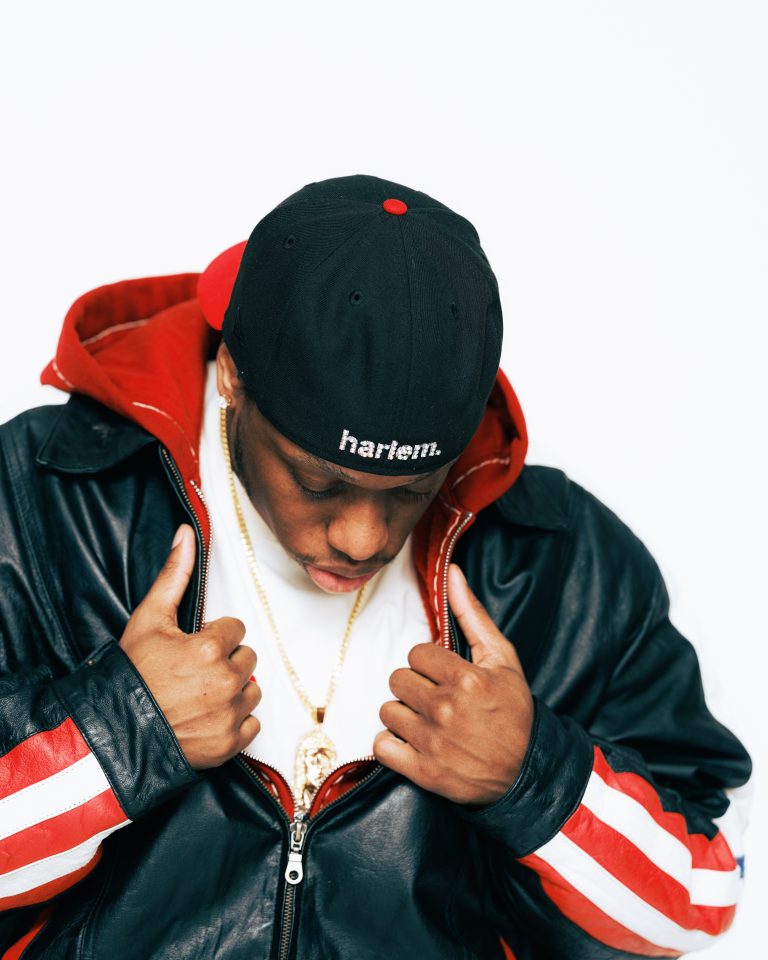
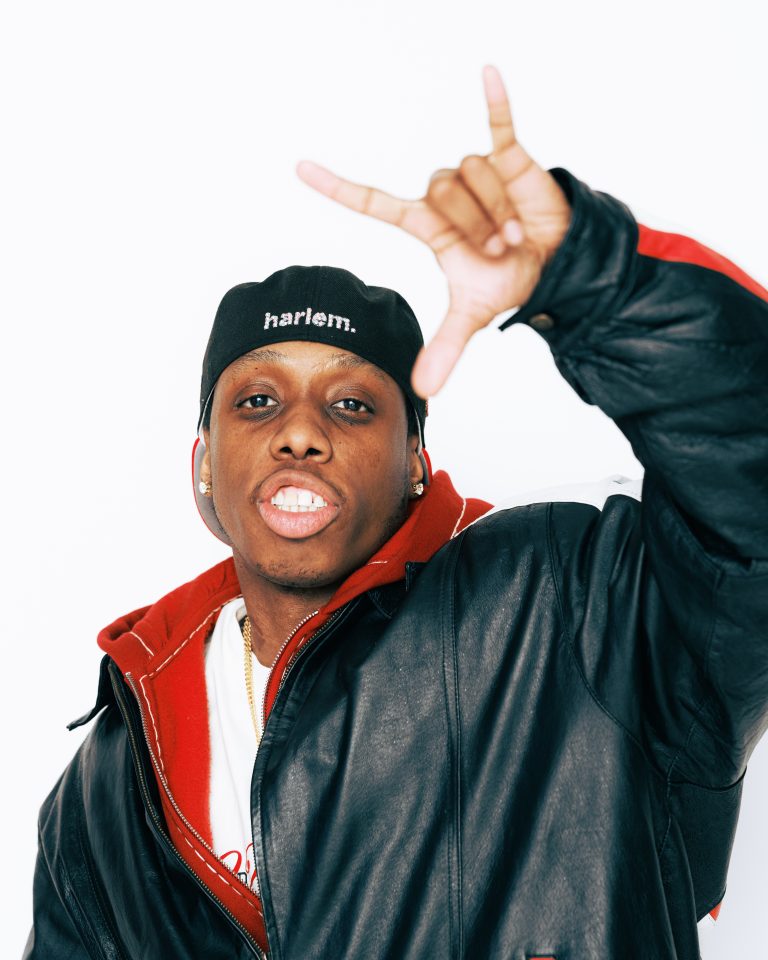
After getting fired from multiple legal-sector jobs, Fergie Baby started secretly filming music videos inside Empire’s offices. Instead of firing him, the label signed him.
Fergie Baby’s signing story sounds less like a polished industry tale and more like the kind of Harlem legend that gets better every time somebody tells it outside the studio at 2 a.m. He was working at Empire as a studio assistant after getting fired from three legal-sector jobs, sneaking music videos into office hours when nobody was around, and betting on himself because the 9-to-5 life felt like a cage.
Then the cameras caught up with him. Instead of getting fired, Fergie Baby says the label boss found out he worked there and had a different reaction: sign him.
That is the Fergie Baby formula in miniature. Break the rule, make it undeniable, and let Harlem do the talking. Now, with music featuring A$AP Ferg and Cam’ron and a debut album called God Is From Harlem on the way, Fergie Baby is trying to turn his own story into another chapter in Harlem’s long, loud, beautifully stubborn cultural history.

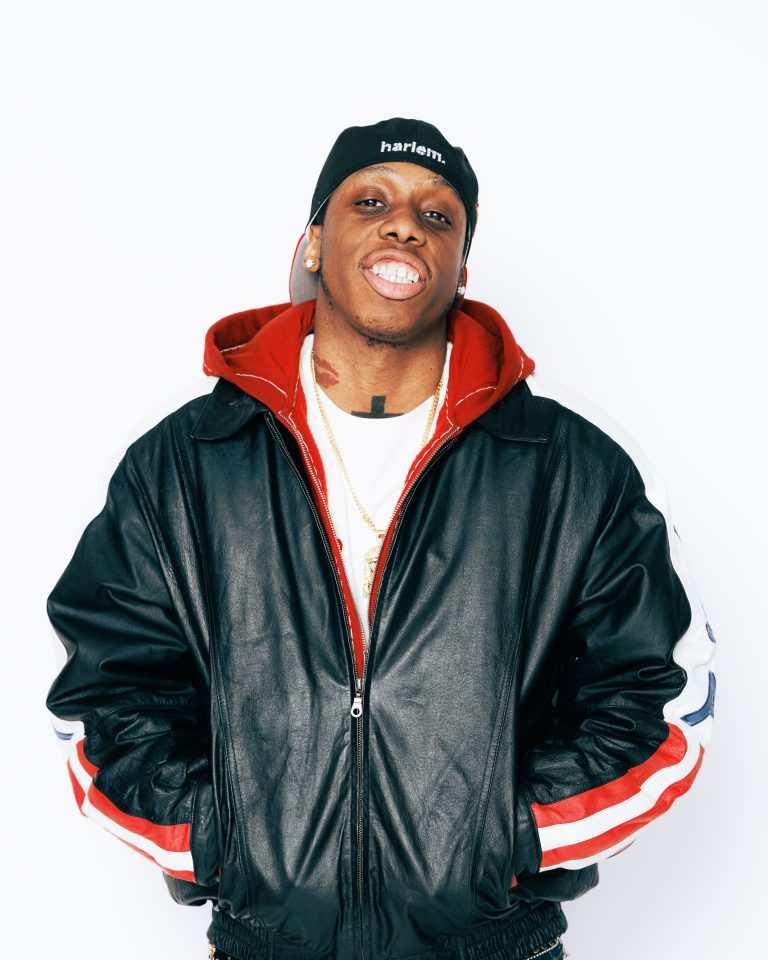
Fergie Baby’s Empire Story Starts With Breaking the Rules
Before Empire, before the co-signs, and before the Harlem torch talk, Fergie Baby was trying to make a degree make sense. He went to Penn State, earned a bachelor’s degree in criminal justice, and came home thinking the legal field might be the path.
It was not.
“I kept getting fired from everything,” Fergie Baby said. “So I told myself, nah, I got to create and move as my own boss and have my things the way I want to run.”
The pivot came through his brother and exclusive producer, Kajun Waters, who was engineering at an Empire-owned studio. Fergie Baby got hired as his assistant. The plan was simple: handle the work, then use the empty hours to record.
“We going to use this as an opportunity,” Fergie Baby said.
They did more than record. When the office cleared out, Fergie Baby started shooting music videos inside the building. The video for “Drive The Boat,” from his Harlem River Drive mixtape and featuring his artist Aala, started moving online. Empire noticed, checked the cameras, and the situation went upstairs.
By his account, HR had a choice: write him up or fire him. Instead, Fergie Baby says Nima Etminan, Empire’s co-founder and COO, heard the story and asked why the company was punishing an artist who had been hiding in plain sight.
“He was like yeah nah we not writing him up we not fi sign him right now,” Fergie Baby said. “This whole time he’s been working for us and it’s been under our radar. Sign him.”
That is not a corporate development strategy. That is chaos with a hook.
“And just from me breaking the rules and just being good at what I do and just going with my gut instinct,” Fergie Baby said, “That was my rags to riches signing story.”
Harlem Is the Sound, the Muscle, and the Mission
Fergie Baby’s music is not just from Harlem. It is trying to bottle the neighborhood’s contradictions: swagger and grief, hustler confidence and spiritual armor, old ghosts and new pressure.
He points to Dipset as one of the obvious foundations. He grew up hearing 50 Cent, Jay-Z, Nas, and the Harlem acts that taught a generation how to talk with their shoulders. But the deeper influence is place.
“Being in Harlem just hearing that 50 and Nas I had different elements in my household, so I was always musically inclined,” he said. “What shaped my music and how I am today was obviously Dipset for the culture and the inspiration and just how you move as a Harlem dude.”
Harlem, in Fergie Baby’s telling, is not only a zip code. It is a posture. It is also a history that refuses to get washed out, even as gentrification presses in from every direction.
“You will never overthrow the Black excellence in Harlem. You will never overthrow a Black culture.”
Fergie Baby
He talks about Harlem in eras: the Harlem Renaissance, Duke Ellington, Billie Holiday, Rich Porter, Ma$e, Dipset, A$AP Mob, Teyana Taylor, Dave East. To him, each wave reintroduces Harlem to the world without letting the older version disappear.
“I just feel like we had different time zones to recreate this Harlem Renaissance,” Fergie Baby said. “We going to keep the torch lit.”
That line could have sounded heavy-handed from somebody else. From Fergie Baby, it lands as both responsibility and flex. He is not begging to be included in the lineage. He is naming the lane he plans to run in.
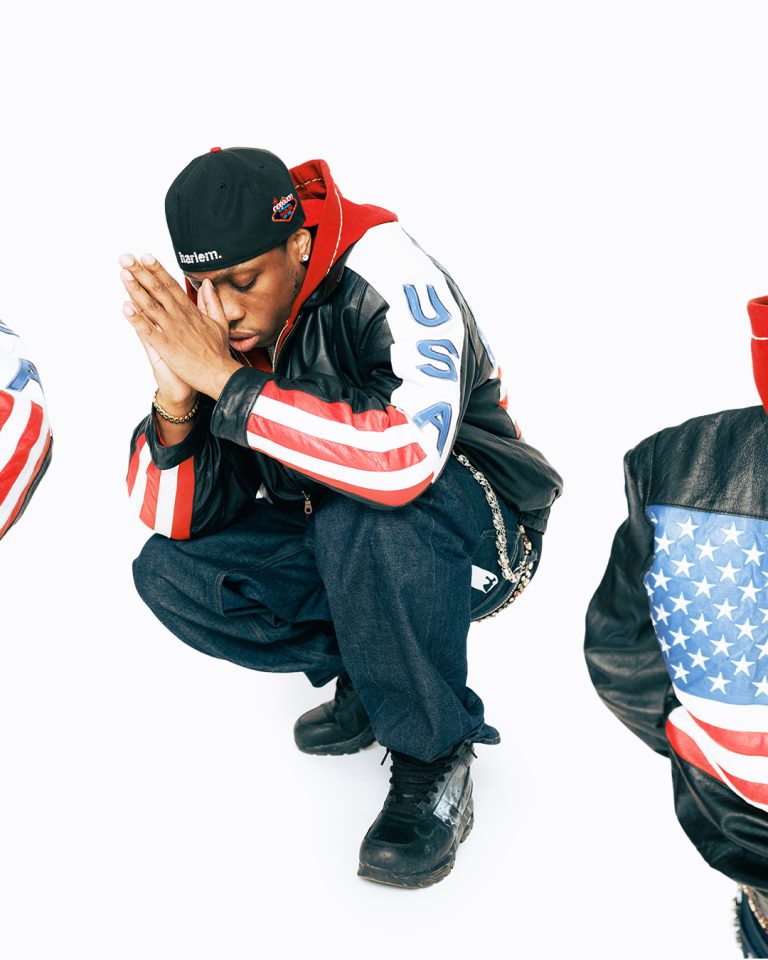
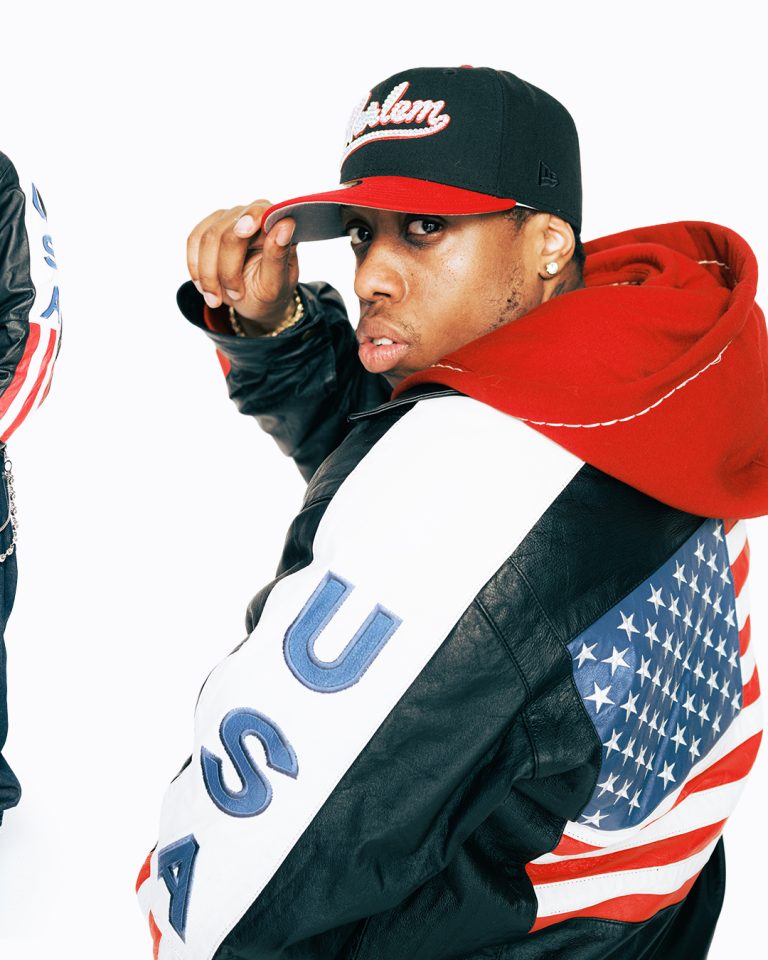
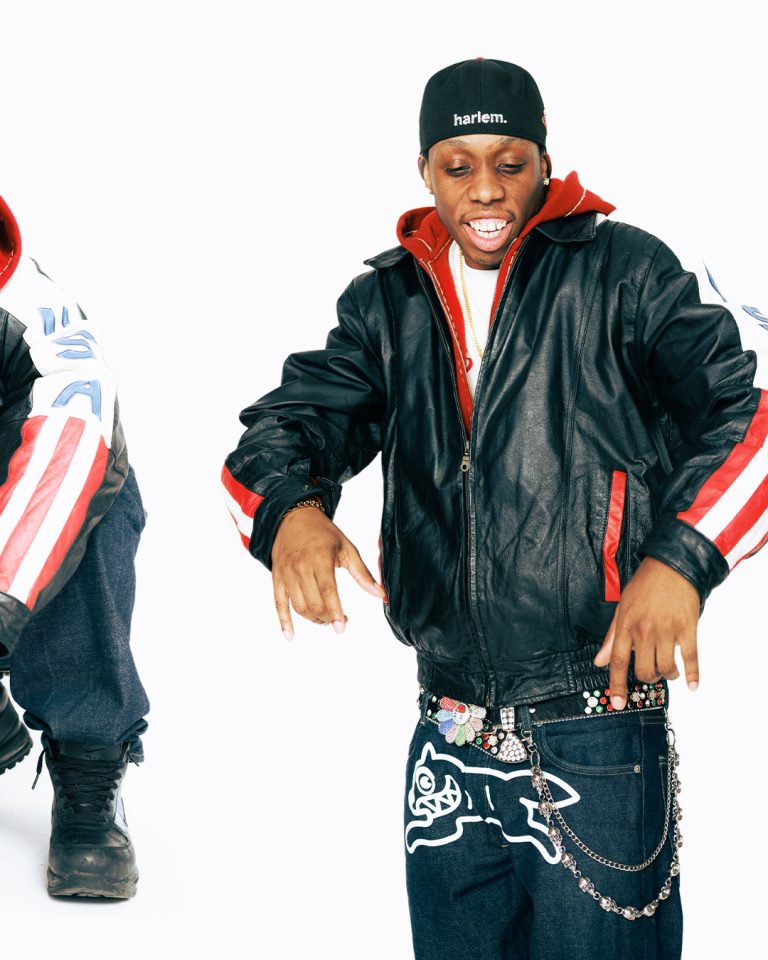
Fergie Baby on Weed, Studio Rituals, and the 4/20 Stage
This is High Times, so the weed question was not optional.
Fergie Baby is clear that cannabis has always been around New York music culture, even if he does not paint himself as the biggest smoker in the room.
“Weed has always been a thing, especially in New York in general,” he said. “Years ago we used to have the Dime purple bags and the green bags and the Winter Haze and Kush.”
He sees cannabis as part of the environment around artistry, not necessarily the engine for his own pen. Some artists need it to create. He does not put himself in that category.
“Personally, I’m not a big weed smoker but I’m always around it,” he said. “It’s a part of what I do as far as being an artist.”
His studio rituals are more about setting the room than forcing the magic. Beats first. Friends in the room. Hennessy nearby. Somebody rolling up. Old records playing back so the crew can catch the feeling before they chase the next one.
“We have to set a vibe,” Fergie Baby said. “The lighting got to be right. I got to get some Hennessy on deck.”
Live performance, though, is where Fergie Baby sounds most alive. For him, making records is the hard part. Performing them is the payoff.
“When you perform, it’s like a party,” he said. “It’s like the aftermath celebrating what you already put on wax.”
He is also blunt about the skill involved. Streaming flattens everything into devices and feeds. A stage gives the artist nowhere to hide.
“A lot of people cannot perform, let alone crowd control,” he said. “And I think that’s what’s important.”
The Catalog Is the Story
Fergie Baby’s advice to younger artists is not romantic. It is practical. Stay true to yourself. Build a real team. Work hard. Stay consistent. Make good music.
“The music got to sell itself,” he said. “Not just about one song, it’s about a catalog to show your story and your truth.”
That catalog is starting to stack. He points to “Bleaches” as the first video that set things off in 2018. He calls Don’t Tell Me one of his most truthful records because it explains the whole rebellion against becoming a robot for a paycheck.
He also has bigger Harlem stones in hand. “Good Day To Be In Harlem,” featuring A$AP Ferg, flipped the spirit of Ice Cube’s “It Was A Good Day” into an East Coast celebration. Then came “Harlem Drive,” featuring Cam’ron.
“Basically my man Kajun had this beat for two years,” Fergie Baby said of “Good Day To Be In Harlem.” “I always thought it was a hit but I didn’t know what to do with it.”
The answer eventually revealed itself: make Harlem’s version of a good day. No tragedy. No funeral. No bad news. Just the city giving somebody a clean one.
“It’s a good day to be in Harlem,” he said.
His debut album, God Is From Harlem, is being made in partnership with Empire. Fergie Baby says the project is expected to include Cam’ron, A$AP Ferg, Meek Bucks, R2R Moe, Dave East, and potentially Max B, with a deluxe edition planned after that.
He is also thinking bigger than releases. A headline show at Gramercy Theatre is on his radar, along with a potential tour.
Stay True
Fergie Baby’s story works because it does not arrive polished. It has the messy truth of a real come-up: failed jobs, late-night sessions, office cameras, Harlem pride, and the stubborn belief that the thing you are not supposed to do might be the thing that saves you.
He is building from a neighborhood that has never needed permission to matter. Harlem has survived reinvention, displacement, imitation, and every industry attempt to extract the flavor without respecting the source. Fergie Baby knows that history. More importantly, he wants to add to it.
“We manifested, we planned and we stayed true to ourselves,” he said.
That may be the whole playbook. Stay true. Break the right rules. Keep the torch lit.
Photography by Kaushik Kalidindi