





A huge THC percentage can make weed look strong on paper, but numbers alone can’t predict flavor, smoothness, or how the high actually feels. The experience comes from the full profile behind the flower.
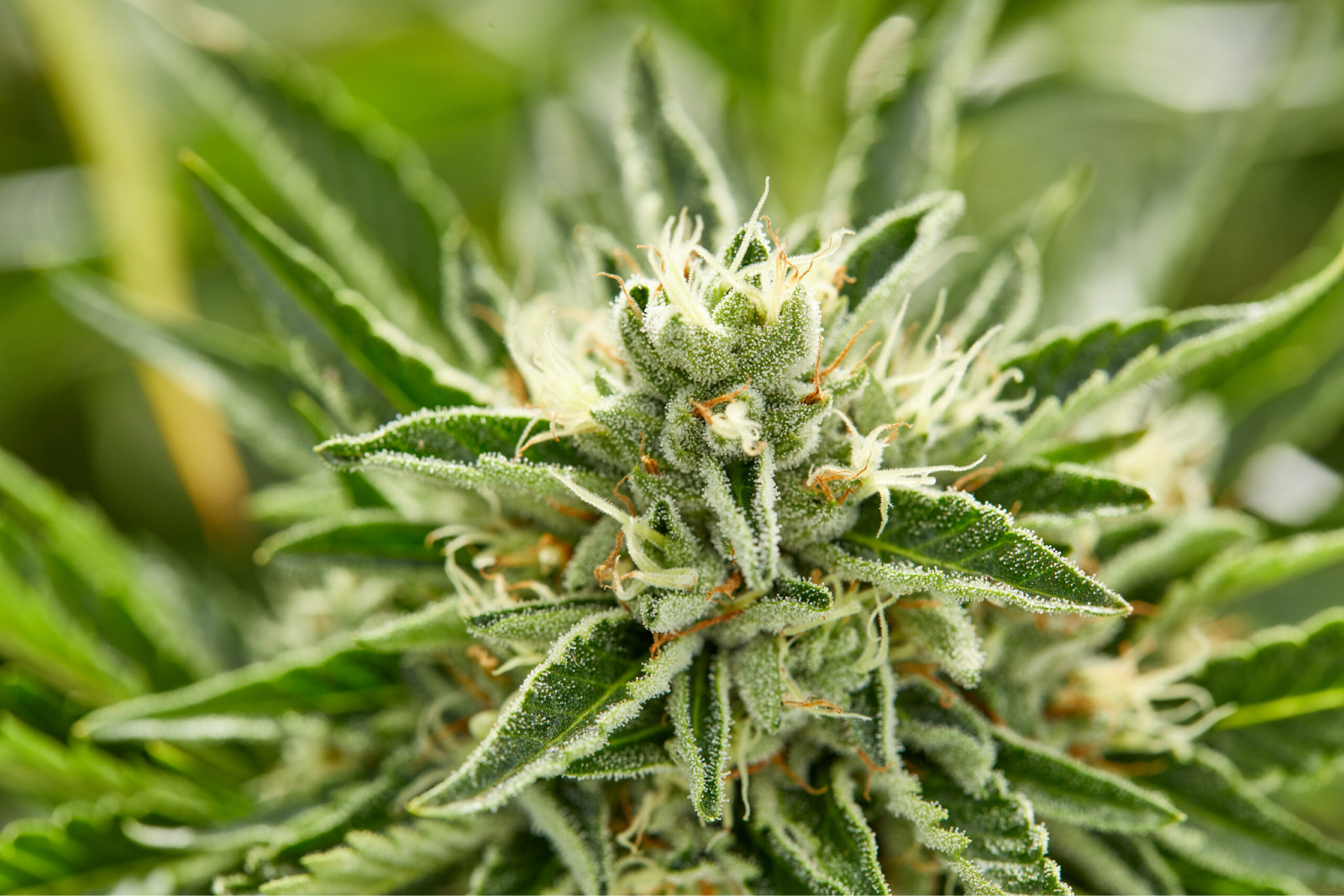
Image lightbox
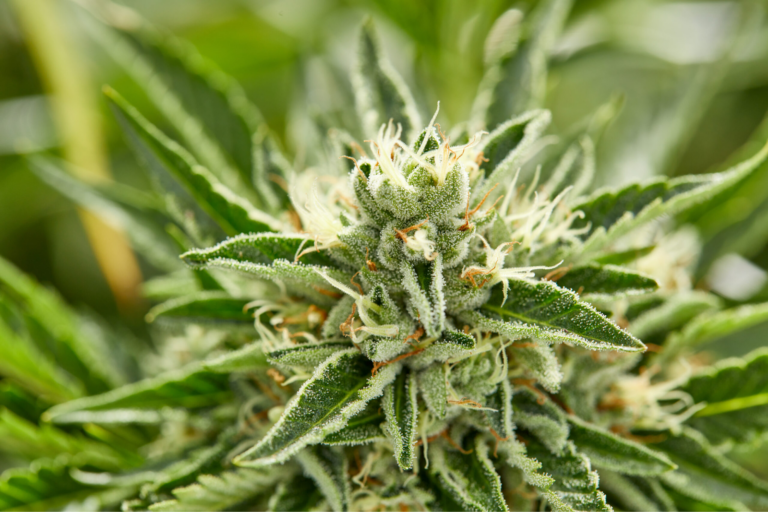
A lot of modern weed shopping starts the same way: somebody sorting the menu from highest THC to lowest like they’re checking fantasy football stats.
31%? Must be fire.
18%? Probably weak.
That logic falls apart fast once the jar actually opens.
Some ultra-high-THC flower feels loud for ten minutes and then completely flat afterward. Meanwhile, some lower-THC flower smells richer, burns cleaner, and delivers a way more layered experience from start to finish.
That difference usually has nothing to do with the giant number on the label.
Why high THC doesn’t automatically mean better weed
THC measures potency potential. It does not measure overall cannabis quality.
That distinction matters because people often confuse intensity with experience.
A strain can contain a massive amount of THC and still feel harsh, flavorless, dry, or one-dimensional if the rest of the profile isn’t preserved properly. Meanwhile, another strain testing much lower can smell louder, burn cleaner, and deliver a far more layered session because the terpenes, trichomes, moisture balance, and cure all stayed intact.
That’s why two jars with completely different THC percentages can completely flip your expectations the second you crack them open.
One smells loud and sticky. The other smells like dry grass despite the massive number on the label.
The chemistry underneath those experiences is completely different.
What THC percentages actually measure
THC percentages measure cannabinoid concentration inside the flower.
That’s useful information. THC absolutely contributes to the psychoactive intensity of cannabis. The problem is that THC became the easiest thing to market because it’s simple, measurable, and easy to compare quickly across menus.
Flavor complexity isn’t printed as a giant number.
Neither is curing quality. Neither is terpene preservation. Neither is combustion behavior.
So THC became the shortcut.
A lot of dispensary shoppers now treat THC the same way people treat alcohol percentage, even though cannabis works through a much more complicated chemical profile than alcohol does.
That’s part of why high-THC flower became such a flex across the industry. Some brands started chasing test results harder than overall smoke quality.
The issue is that maximizing THC alone can sometimes flatten the rest of the experience.
How profiles shape the experience beyond THC alone
Image lightbox
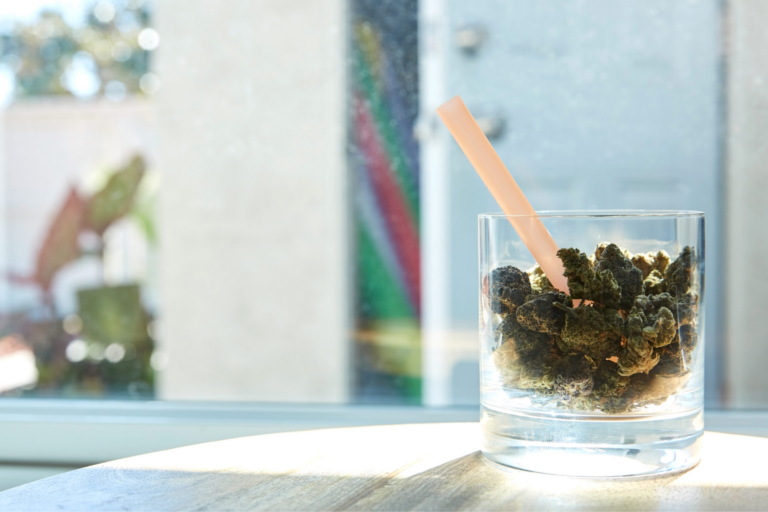
Flower contains a broader profile made up of cannabinoids, terpenes, flavonoids, moisture content, resin structure, and volatile aromatic compounds that all influence how the session feels.
THC might drive the core psychoactive intensity, but the surrounding profile shapes the texture and personality of the experience.
That’s why two strains testing at the exact same THC percentage can feel completely different once smoked or vaporized.
One might feel bright and citrusy while another feels heavier, louder, or more textured even when the THC percentages look nearly identical on paper.
The high isn’t just coming from THC in isolation.
It’s coming from the interaction between the entire chemical profile inside the flower.
How terpenes shape the character of the high
Terpenes are aromatic compounds responsible for the smell and flavor of cannabis.
They’re also one of the biggest reasons different strains feel distinct from each other even when THC levels stay similar.
A citrus-heavy flower rich in limonene can feel very different from a gas-heavy strain loaded with myrcene or caryophyllene. The THC may still be present at similar concentrations, but the terpene profile changes how the experience gets perceived.
That difference starts before the high even fully kicks in.
Smell and flavor already shape expectation, perception, and vapor texture during the session itself. Loud terpene expression creates more dimension because the flower carries stronger aromatic compounds through combustion or vaporization.
That’s also why degraded flower feels flatter.
Once terpene concentration drops through poor storage, rough handling, or rushed curing, the experience starts losing complexity even if THC levels remain relatively high.
The flower still works. It just stops feeling expressive.
Why trichome integrity matters more than raw THC numbers
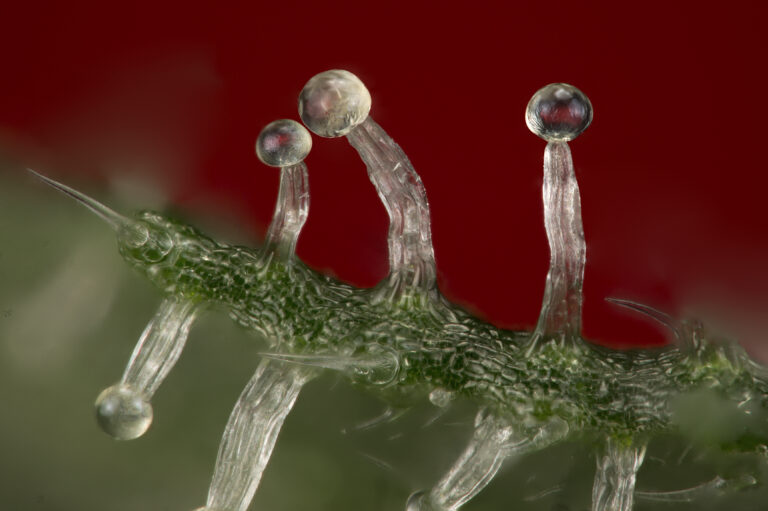
Image lightbox
Trichomes are the tiny resin glands covering cannabis flower.
They store most of the cannabinoids and terpenes responsible for the smell, flavor, and psychoactive profile people actually care about.
When trichomes stay intact, the flower preserves more of its original chemical complexity. When those resin heads get crushed, dried out, oxidized, or knocked off through rough handling, the profile starts breaking down fast.
That’s why sticky, resin-rich flower often feels louder than dry flower with a higher THC percentage.
The cannabinoids may technically still test high, but damaged trichomes reduce how much of the broader profile survives the journey from harvest to consumption.
A lot of lower-quality flower looks impressive in lab numbers while quietly losing terpene content and resin integrity underneath.
The result is weed that tests strong but feels weirdly hollow.
Proper curing changes how weed burns, tastes, and feels
Curing is where a huge amount of quality either gets preserved or lost.
Freshly harvested cannabis still contains excess moisture, chlorophyll, and unstable compounds that can create harsh smoke if the flower gets dried too aggressively.
A proper cure slows that process down.
Moisture stabilizes gradually, chlorophyll breaks down more evenly, and terpenes stay protected longer inside the flower. That slower process helps preserve flavor while improving how the flower combusts.
That’s why well-cured weed usually burns smoother and tastes more layered.
Rushed flower often burns hot, dry, and harsh because the internal chemistry never stabilized properly before packaging.
And once terpenes start evaporating during bad curing, the flower can lose a huge amount of personality regardless of how high the THC percentage looks on paper.
Why some lower-THC flower feels better than ultra-high-THC weed
Image lightbox
A lot of experienced smokers eventually realize something weird.
Some of the best flower they’ve had didn’t test the highest.
That’s because balanced cannabis profiles often feel more complete than flower optimized around one single metric. Strong terpene expression, preserved resin, proper moisture balance, and good curing can completely change how enjoyable the session feels.
High THC alone can sometimes feel blunt.
The flower hits hard upfront but lacks flavor depth, smoothness, or nuance afterward. Meanwhile, terp-heavy flower with slightly lower potency can feel richer because the entire profile stayed intact instead of just the THC concentration getting pushed higher and higher.
That’s why some 18% flower absolutely smokes over dry 34% hype weed.
The number doesn’t always match the experience.
The bottom line
THC matters. It’s just not the entire story.
The flower people remember most usually isn’t memorable because of one giant number on a label. It’s memorable because the terpene profile stayed loud, the resin stayed intact, the cure stayed clean, and the whole experience felt balanced from the first pull to the last one.
That’s the difference between weed that simply tests high and weed that actually smokes beautifully.
When comparing flower near you, terpene expression, freshness, cure quality, and verified reviews usually tell you far more than THC percentage alone. Explore live dispensary menus online today.
The post More than a number: how potency vs quality weed shapes the high appeared first on Weedmaps.