





Pale gold and deep amber concentrates come from the same plant chemistry reacting differently to heat, oxygen, filtration, and processing conditions. Lighter oil typically means less oxidation and pigment pickup, not automatically “better” extract.

Image lightbox
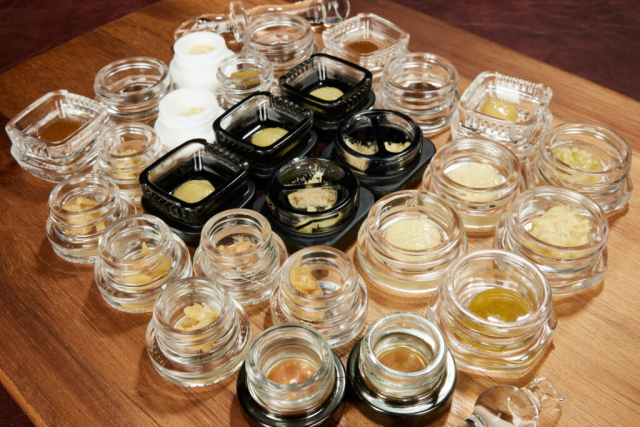
People judge concentrate color fast. But concentrate color is not just a quality score.
Color mainly reflects how much oxidation, plant pigment, particulate matter, and heat exposure made it into the final extract during processing and storage. Two oils can come from the same cultivar and still land at completely different shades depending on how the material was handled from harvest through packaging.
That’s why color alone never tells the whole story.
A darker extract is not automatically contaminated, weak, or low quality. In many cases, it simply means the oil experienced more oxidation, more plant contact, warmer processing, or longer exposure to oxygen after extraction.
Once you understand where concentrate color actually comes from, pale gold and deep amber start looking less like grades and more like process clues.
Why concentrate color changes in the first place
Cannabis extracts naturally contain pigments, waxes, cannabinoids, terpenes, and microscopic plant compounds that all influence how the oil reflects light.
As extraction conditions change, the amount of those compounds entering the final oil changes too.
Colder extraction limits pigment pickup and oxidation, which helps concentrates stay visually lighter. Warmer temperatures, longer contact time with plant material, and heavier agitation tend to pull more color bodies into the oil while accelerating oxidation at the same time.
That’s why concentrate color exists on a spectrum instead of falling into simple “good” or “bad” categories.
The oil is basically recording how much plant chemistry and environmental exposure followed it through processing.
Why a consistent color baseline matters
A lot of concentrate color confusion comes from inconsistent comparison conditions. One cart gets viewed under harsh dispensary LEDs. Another gets photographed near a window at sunset. One jar sits fresh-filled while another has already oxidized slightly during storage.
Suddenly two similar extracts look completely different.
That’s why processors use controlled baselines when tracking color shifts. Lighting, container type, photo timing, and storage conditions all influence how amber or gold the oil appears visually.
Even glass thickness can shift the perceived tone.
Without a stable comparison setup, it becomes almost impossible to tell whether a process actually changed the oil or whether the environment simply changed how the oil looked.
Starting material controls the best-case color outcome

Image lightbox
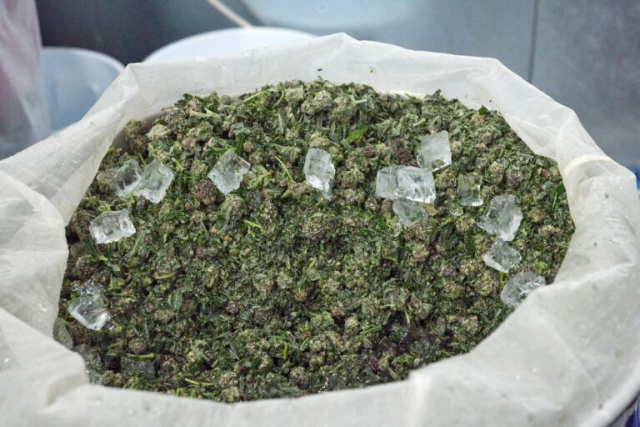
The biggest color variable enters the process before extraction even starts.
Fresh frozen cannabis produces lighter-looking concentrate because the material experiences less oxidation before processing. The plant chemistry stays closer to its original harvested state, which limits darker pigment formation early on.
Cured material behaves differently.
As flower dries and ages, oxidation gradually increases while pigments and degraded compounds accumulate inside the plant tissue. That darker baseline follows the extraction into the final oil.
This is why fresh frozen live resin lands closer to bright gold while cured-input extracts naturally drift deeper into amber territory. The starting material already set the color range before any processing decisions happened.
Why mature flower creates darker oil
Harvest maturity changes concentrate color too.
More mature cannabis plants tend to contain older resin chemistry, darker pistils, and trichomes that have progressed further into oxidation-prone stages. As those compounds move through extraction, the resulting oil skews richer amber instead of bright yellow-gold.
That shift is predictable. The extract is carrying more aged plant chemistry into the final product. Even perfectly controlled extraction cannot completely erase that baseline.
This is one reason two runs from the same cultivar can still produce noticeably different color outcomes. The processing may be identical while the harvest maturity was not.
Why darker oil does not automatically mean contamination
A lot of consumers mistake darker concentrate for contamination.
Most of the time, though, darker oil simply contains more plant-derived compounds, microscopic particulates, or oxidized pigments that naturally shift the color deeper over time.
True contamination behaves differently.
Instead of smooth uniform darkening, contamination tends to create irregular particles, strange texture changes, or visible separation that looks physically disconnected from the rest of the oil.
Normal plant load stays visually integrated into the extract.
The oil may look darker, richer, or more amber overall, but the consistency remains uniform throughout the cartridge or jar.
That distinction matters because color alone cannot confirm purity problems.
Extraction temperature changes how much pigment enters the oil
Temperature is one of the biggest levers controlling concentrate color.
Warmer extraction conditions lower viscosity and increase molecular movement inside the plant material. That allows cannabinoids to move more easily into the extract, but it also pulls more pigments, waxes, and microscopic plant compounds along with them.
Longer contact time intensifies the effect.
The longer solvent or oil interacts with plant material, the more opportunity there is for darker compounds to diffuse into the extract. That’s why warmer and slower processing creates richer amber tones.
Colder extraction limits that transfer. By reducing molecular activity and shortening contact efficiency, colder systems pull cleaner-looking oil with less visible pigment load.
This is why cold extraction became closely associated with lighter live resin presentation.
Why agitation and pressure darken concentrates

Image lightbox
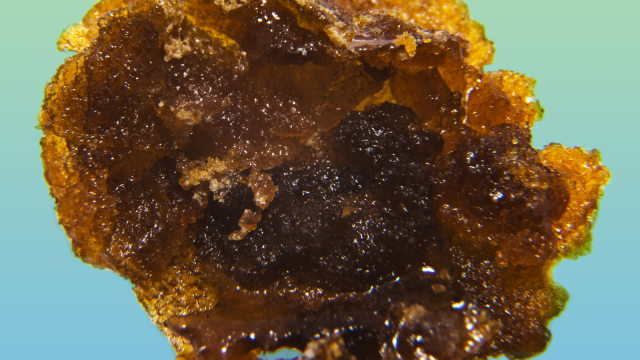
Mechanical handling affects color more than people realize.
Heavy agitation, aggressive recirculation, and higher extraction pressure can shear microscopic plant material into the oil stream. Those tiny suspended particles scatter light differently and push the final extract visually darker even when the chemistry itself remains similar.
That’s why highly turbulent extraction creates deeper amber appearance. The oil is carrying more ultra-fine plant solids through the system. Gentler handling produces cleaner visual clarity because fewer suspended particles survive the trip into the finished extract.
The difference is small, but visually it becomes very noticeable inside a transparent cartridge chamber.
Filtration changes clarity, color, and yield at the same time
Filtration is one of the cleanest ways to influence concentrate appearance.
Tighter filtration removes more fine particulate matter, which creates lighter and clearer-looking oil. But stronger filtration also slows throughput and can reduce total recovery if too much oil gets trapped in the filter system itself.
That creates a tradeoff. Cleaner appearance costs either speed, yield, or both.
Looser filtration protects recovery and throughput more efficiently, but more microscopic solids remain suspended in the extract, pushing the oil visually darker over time.
This is why processors rarely chase “lightest possible color” blindly. Every filtration decision affects both presentation and production efficiency simultaneously.
Oxygen exposure darkens concentrates after extraction
Even perfectly extracted oil can darken later during storage.
Once concentrates encounter oxygen, cannabinoids and terpenes slowly begin oxidizing. That chemical change gradually shifts the oil from pale gold toward richer amber tones while also flattening parts of the aroma profile.
Headspace matters a lot here.
The more air trapped inside a jar or cartridge, the more oxygen remains available for oxidation reactions to continue over time. Repeated opening and closing accelerates the process even further.
That’s why concentrates darken noticeably during long-term storage even when the original extraction stayed relatively clean.
The oxidation continues after packaging.
Light and heat accelerate the shift from gold to amber
Light and heat dramatically speed oxidation. UV exposure destabilizes cannabinoids and terpenes while higher temperatures increase reaction speed throughout the extract.
Together, they accelerate the same chemical pathways responsible for darkening concentrate color over time. This is especially noticeable in terpene-rich live resin products because volatile aroma compounds degrade relatively easily under heat and light stress.
A cart left in a hot car or bright window darkens faster while simultaneously losing freshness and aromatic sharpness. That’s why proper storage matters so much for shelf appearance.
Cool, dark, sealed storage slows the reactions responsible for both color drift and terpene degradation.
Why color should be treated as a clue, not a scorecard
Concentrate color tells a story, but not a complete one. Pale gold oil can still lose terpene complexity through aggressive processing. Deep amber oil can still contain rich cannabinoid and terpene expression depending on how the extract was handled and stored.
The smarter approach is treating color like context instead of a final verdict.
A lighter cart may suggest colder processing, lower oxidation, and tighter particulate control. A darker cart may point toward cured inputs, warmer extraction, richer plant load, or more post-processing oxidation.
But none of those automatically confirm quality on their own. The chemistry behind the oil matters more than the shade alone.
The bottom line

Pale gold and deep amber concentrates reflect differences in oxidation, plant pigments, filtration, extraction temperature, and storage conditions rather than simple “good versus bad” quality tiers.
Fresh frozen material, colder extraction, tighter filtration, and lower oxygen exposure tend to preserve lighter presentation. Warmer processing, heavier plant load, oxidation, and longer storage generally push concentrates deeper into amber territory.
Once you understand those mechanics, color becomes a much more useful process signal instead of a misleading shortcut.
Find live resin carts and lab-tested concentrates near you on Weedmaps.