






Cannabis culture has long been flattened into a narrow set of images, often focused on burnout stoners, frat-house humor, and the same recycled narratives about excess and escape. But across Los Angeles and beyond, a different kind of cannabis culture is quietly flourishing.
For Christina Wong and Chef Wendy Zeng of Mogu Magu, cannabis is not simply a product or lifestyle accessory, it is a portal into storytelling, hospitality, mythology, and collective care.
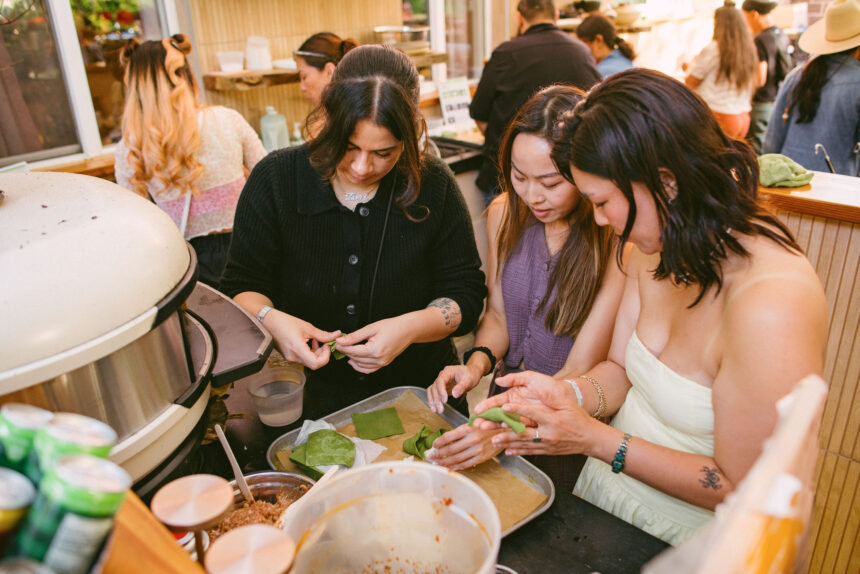
Inspired by Magu, the Taoist hemp goddess of longevity, Wong and Zeng have built Mogu Magu into an immersive cultural experience blending infused dining, mythology, food, wellness, travel, and community gatherings. Their events and upcoming docuseries In Search of Magu explore cannabis through a deeply feminine and diasporic lens, honoring Asian histories and creating community.
Cannabis & Tech Today spoke with Wong about reclaiming erased histories, experiential medicine, the importance of diverse storytelling, and why Magu still matters today.
Q&A
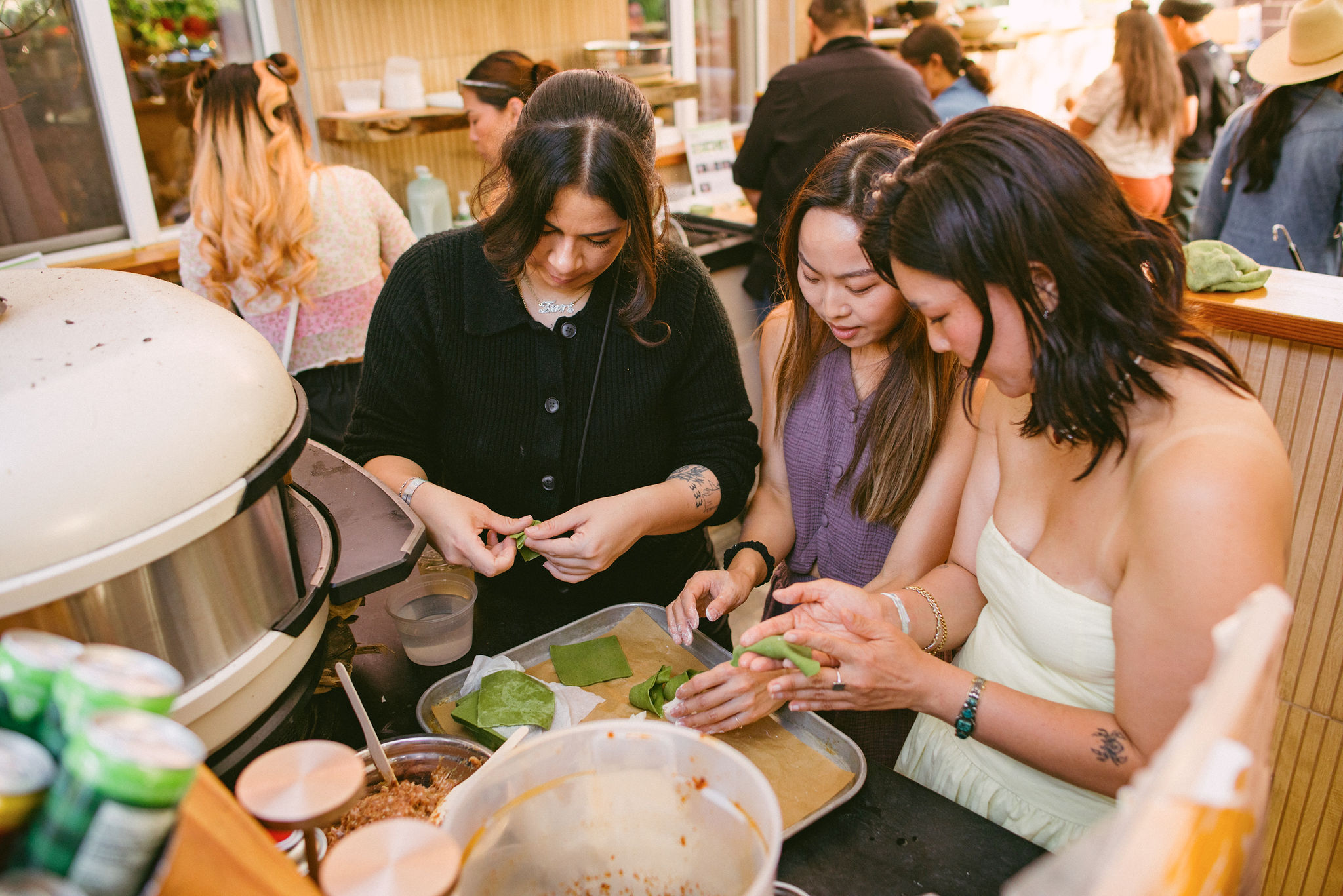
Cannabis & Tech Today: You’ve talked about creating alternative narratives around cannabis culture instead of repeating the same tired scripts around excess, burnout, and escapism. What stories do you still feel are missing from the mainstream conversation around weed, healing, and community?
Christina Wong: I think we need more diverse narratives and stories because what we’ve seen discussed about cannabis in pop culture is the stoner trope. When I look up and see who is talking about cannabis in mainstream media, it’s a lot of the same male white-dominated faces talking about the same things.
I don’t want to see that being a stoner means you’re lazy or dumb because that’s not how I feel when I’m smoking. I feel wildly inspired and creative. I want to see the perspective of moms. There’s so much stigma around moms and cannabis use. I want to see different voices and perspectives and the different ways cannabis benefits people.
Cannabis has always been part of medicine and culture, but those stories were erased. So now we need to tell them again. That’s what we’re doing with Mogu Magu. We’re uniquely interested in the story of Magu, the Taoist hemp goddess of longevity, because cannabis started in ancient Asia. Following those stories and tracing how cannabis traveled through the world is fascinating to me because I’m tired of only seeing this one U.S. War on Drugs perspective of cannabis.
C&T Today: Your use of Magu as a framing device feels incredibly intentional. Why her specifically? What does she allow you to explore that a more conventional cannabis show never could?
CW: Chef Wendy and I are focusing this year on a food-and-travel docuseries called In Search of Magu. We filmed a summer road trip from Los Angeles up to Humboldt. It’s really a love letter to weed country. In each episode we stop at a different farm and show how that farm grows from their own unique perspective. Then we cook a meal that’s very farm-to-table, but make it Asian and fabulous.
We did a lot of research into other cannabis travel shows and found that when it comes only from a cannabis perspective, it can become inaccessible. If you don’t already care about weed, it’s hard to connect with. So we really wanted this to feel like a food-and-travel show first. More Anthony Bourdain, but make it Mogu Magu. We wanted to show people interested in food, travel, wine, and culture that cannabis can exist in that same beautiful way.
And Magu became the perfect guide for that. She’s this independent female deity who lives in the mountains foraging for hemp flowers and fungus to brew the elixir of life, which she uses to heal people. The stories about her generosity and care really resonated with me. She wasn’t healing people because she was trying to save the world or because of a man. She did it from kindness and care for her community. That’s how she became elevated to deity status. That really inspires me for how I want to move through the world.
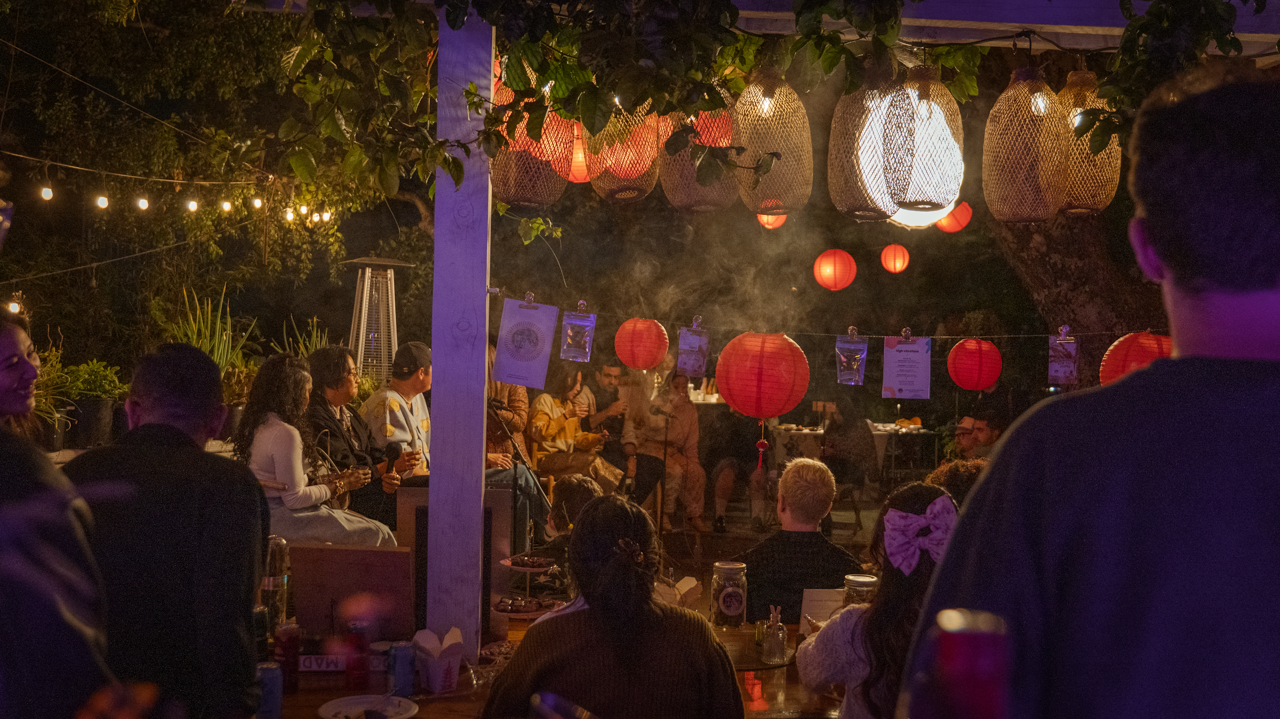
C&T Today: There’s a kind of worldbuilding happening through Mogu Magu that feels artistic, spiritual, entrepreneurial, and communal all at once.
CW: One hundred percent. Sometimes our events feel like we’ve created a portal into a celestial kitchen where we get to play and experiment. And what’s really important to us is that we don’t use a traditional sponsorship model. We’re not trying to get as many sponsors as possible. We want the right brands and partners who genuinely fit our narrative and values.
So when you see a brand at one of our events, it means something. Moon Made Farms is a great example. Tina from Moon Made is Magu to me. She’s become such a fixture at our events and people connect with her so deeply. That type of loyalty and emotional connection, you can’t replicate that.
Wendy and I both came from corporate backgrounds. She worked in media analytics and I worked in PR, so we understand marketing really well. But we’re trying to create something beyond performance metrics and ROI tracking. How do you measure loyalty? How do you measure changed hearts?
Read more: Why Every State Needs a Cannabis Ombudsman – Cannabis & Tech Today
C&T Today: Someone recently described your gatherings as “experiential medicine.” That feels deeply connected to the moment we’re in culturally.
CW: I loved hearing that because it really is what we’re trying to do. What I’ve noticed is that cannabis is often a very solitary experience. People consume alone. Grow alone. Hide it. Even a lot of consumption lounges still feel transactional. But consuming cannabis with other people can be incredibly joyful and healing. There’s something magical that happens. I think people are craving more human connection right now. They want spaces that feel intentional and alive. That’s what we’re trying to create.
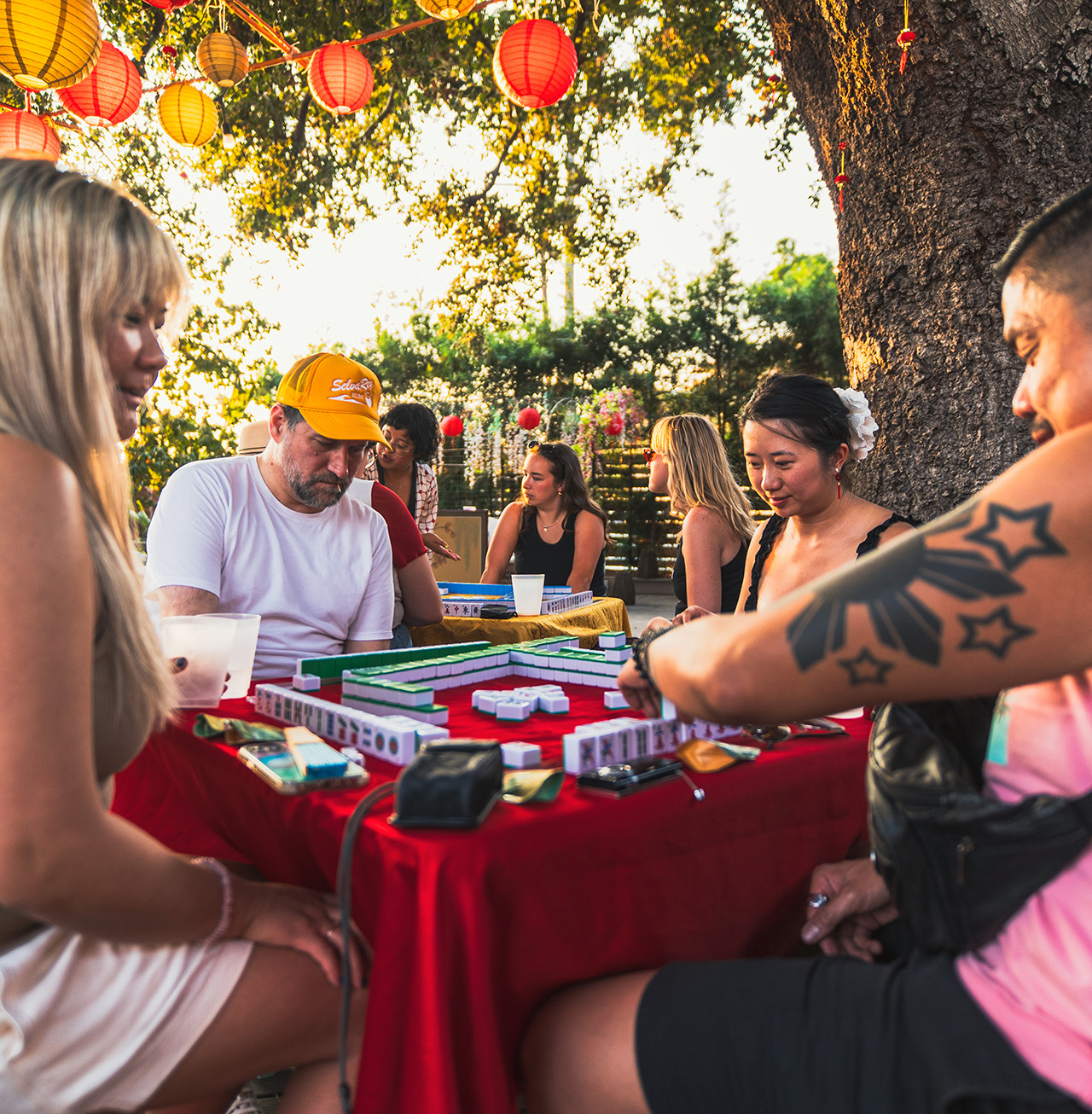
C&T Today: You’ve also spoken about how women consumers, especially women of color, are often overlooked in cannabis culture despite being such a major part of the audience.
CW: Absolutely. Women are making so many purchasing decisions in cannabis, but so much of the marketing still feels geared toward men. And I think there’s also this huge missing gap around cultural space. Mogu Magu originally started with Wendy, myself, and a handful of our Asian American friends in cannabis. We focused on East Asian holidays because that’s who we are.
But over time we started expanding and collaborating more with other communities. We’ve done events honoring Día de los Muertos, collaborations with Latinas in Cannabis, and gatherings that explore the overlap between Asian and Latino culture in Los Angeles. That’s been incredibly fulfilling because these intersectional spaces help us become more empathetic people. I hope our work encourages others to explore their own cultural stories and communities too.
C&T Today: When you imagine the future of cannabis ten years from now, what do you hope survives and what do you hope we collectively leave behind?
Christina Wong: I hope craft sungrown cannabis survives. It’s becoming harder and harder to find. The farmers are getting squeezed out. So many dispensaries still don’t carry the best sungrown cannabis in the world. That knowledge and expertise, you can’t replace it.
I also hope we leave behind the reefer madness and misinformation. I hope we can finally move beyond the demonization of this plant and the lies created during the War on Drugs. People are still in prison over this plant. People have died because of those policies. I hope we move toward more education, more research, and a healthier relationship with cannabis overall.
C&T Today: If Magu herself attended one of your gatherings today, what do you think she’d recognize immediately about modern people? And what would completely confuse her?
CW: I think she’d be delighted that people are still searching for healing and still resonating with her story. I think she’s already there at every event. Maybe she’d be surprised by all the technology around cannabis now, the vape devices, dabs, all these modern ways of consuming. Or maybe not. She’s a goddess. Maybe she already knows. But I do love thinking about how, in the stories, Magu brews this elixir of life in her celestial kitchen and it’s too powerful for mortals unless it’s diluted. So I always joke that maybe Magu made the first cannabis drink.