





During the Philadelphia leg of Kicking Back, Ethan Zohn follows soccer and cannabis from Massachusetts to the Jersey Shore and into the city, finding the people who turn a road trip into a squad.
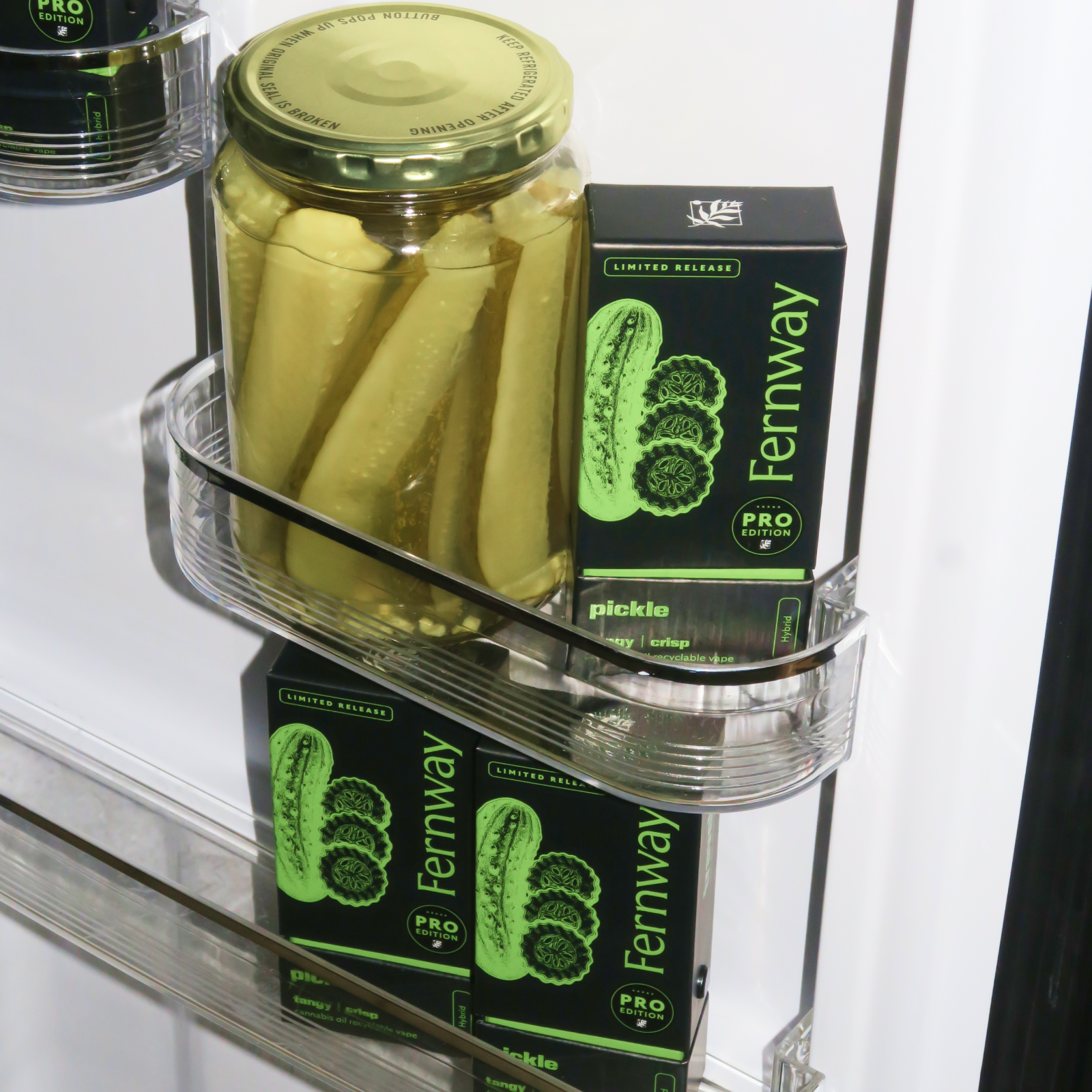
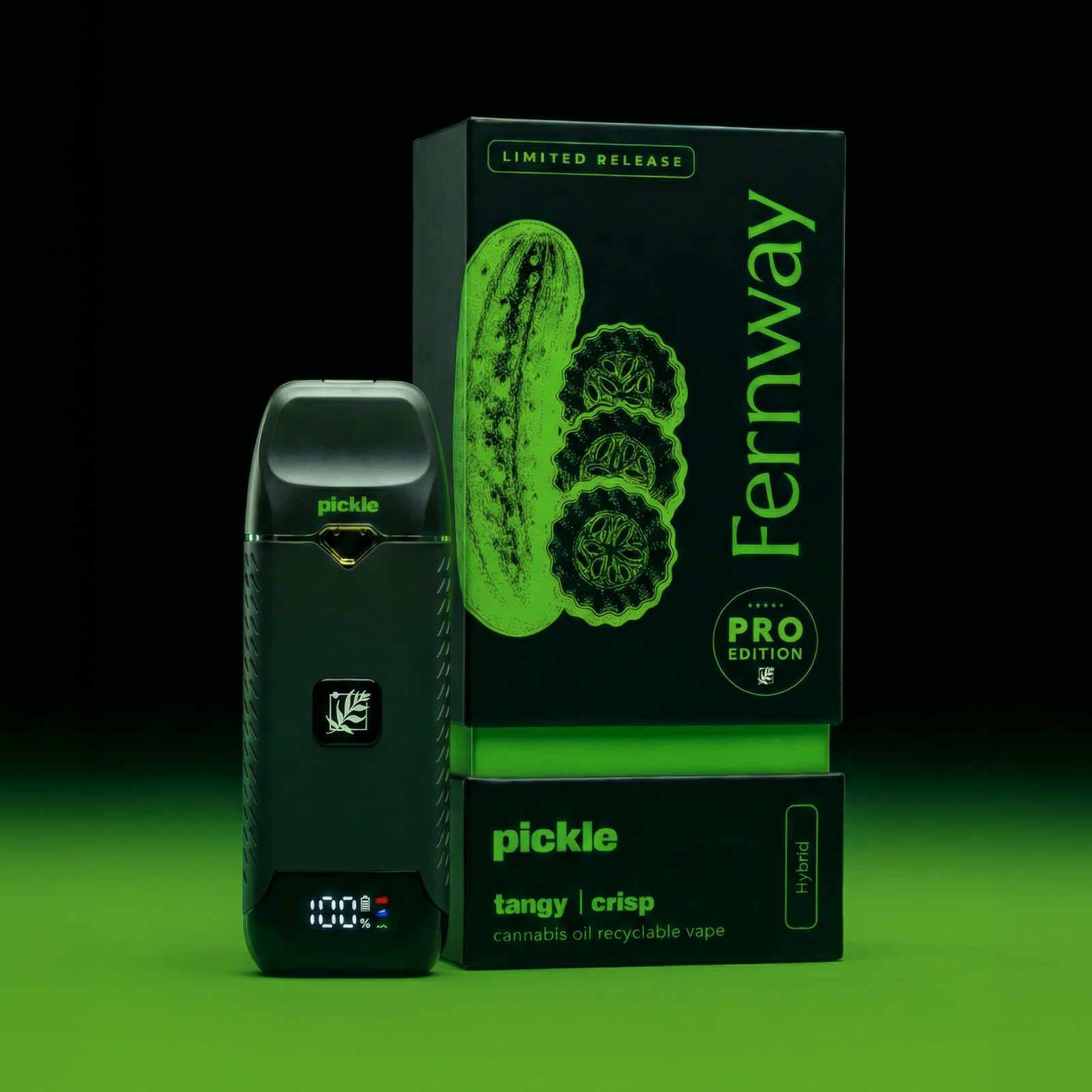
Ethan Zohn loves pickles enough that he had a pickle bar at his wedding. So when he walks into Shore House Canna in West Cape May, New Jersey, and spots Fernway’s Pickle Traveler PRO Vape on the shelf, the reaction is immediate.
This is not polite sponsor enthusiasm. The man is genuinely thrilled.
It is a brief, funny moment in the second episode of Kicking Back, High Times’ World Cup road series, but it also captures what makes the show work. Soccer provides a destination. Cannabis opens doors. The people and unexpected discoveries along the way turn the drive into a story.
The series began in Massachusetts, familiar ground for both Zohn and Fernway. Zohn grew up there, while Fernway built its identity around the idea that good food, music, scenery, and company are better when they are shared. Then Kicking Back left home and headed south, following the energy surrounding the tournament from Cape May to Philadelphia.
The pickle vape is one stop on the road. The squad forming around it is the larger point.
The Road Leaves Massachusetts
Fernway’s Squad Goals campaign begins with a simple idea: summer is better when people make time to gather. The brand describes it through watch parties, cookouts, soccer, and the collective energy that turns an ordinary afternoon into something people remember.
Kicking Back gives that idea somewhere to go. Rather than staying inside stadiums or treating the World Cup as a string of scores and fixtures, the series follows Zohn through the places where soccer culture actually takes shape. That means neighborhood fields, local businesses, crowded bars, beaches, food, and conversations with people who may not have started the day expecting to end up on camera.
Massachusetts provides the starting point in episode 1. The next episode stretches the map.
Before reaching Philadelphia, Zohn heads to Cape May to reconnect with Dave Christian, an old friend whose path has crossed Zohn’s through adventure racing, hemp farming, and now legal cannabis. Christian helped build Shore House Canna, a veteran- and women-owned dispensary that feels less like a polished chain than a surf shop that happens to sell weed.
That distinction matters. The store reflects where it is. Surfboards hang overhead. Local references run through the menu. A roll-up window lets customers make a purchase without losing the rhythm of a day spent near the beach. Then Zohn sees the pickle vape.
The Pickle Vape Finds Its Person
Fernway describes its Pickle Traveler PRO as bright, briny, tangy, and herbaceous. Zohn requires less analysis. He is a pickle guy, and he knows what he wants.
The scene lands because it is personal. Fernway does not need to interrupt the episode with a long product explanation. The flavor catches Zohn’s attention, the wedding story comes out, and the vape becomes another odd, memorable discovery collected along the route.
It also fits the larger Fernway idea better than a formal product showcase would. Squad Goals is built around shared experiences, and Kicking Back keeps finding them in places where sports, cannabis, and local identity overlap.
At Shore House, the conversation quickly widens beyond what is on the shelf. Zohn meets operators, veterans, and a former West Cape May mayor who supported bringing legal cannabis to the area. West Cape May does not collect the beach-tag revenue that helps fund nearby shore towns, she explains in the episode, which made cannabis tax revenue more than an abstract policy question. It offered a practical way for the borough to bring in money.
That is where legalization becomes local. Not in a press release or an industry panel, but in a small town deciding what kind of business belongs there and what it can contribute.
The veterans Zohn meets add another layer. One Shore House co-owner describes spending decades on the other side of the drug war, boarding boats and helping seize cannabis by the ton before eventually becoming part of the legal industry himself. His story is not presented as a clean conversion narrative. It is a reminder that legalization has forced plenty of people to reconsider what they were taught, what they enforced, and what they now believe.
Then everybody heads to the sand. Beach soccer turns the dispensary visit into something participatory. Portable goals go up, teams form, and the line between host, guest, business owner, customer, and local starts to blur. It is exactly the kind of scene Squad Goals is built for: the game matters, but mostly because it gives people a reason to show up.
The City Is Bigger Than the Match
From the Jersey Shore, Kicking Back continues into Philadelphia, where the episode picks up another Survivor winner, Wendell Holland, and finds a city with no shortage of opinions about food, sports, or how either should be done.
The local delicacy arrives in the form of an infused cheesesteak. The serving catches up with Zohn on camera, adding an unscripted lesson about respecting edible potency and giving THC time before consuming more. Adults using cannabis should always follow labeled serving guidance, wait before taking more, and never drive while impaired.
But the food is only another stop. The episode keeps moving toward the people behind it.
By the time Zohn reaches Odunde, the annual Philadelphia celebration of African and African diasporic culture, soccer has become less about a single national team and more like a common language. He speaks with fans connected to Nigeria, Ecuador, and Ivory Coast, trading stories, names, and the different words people use for cannabis around the world.
“Put a ball down anywhere on earth,” Zohn says, “and you have friends instantly.”
That line carries the episode. Soccer creates the opening. Cannabis gives the show another way into conversations about community, policy, health, culture, and how people relate to one another. Neither needs to dominate every scene for the connection to work.

Fernway’s role follows the same logic. The brand does not need to sit at the center of each encounter. Its Squad Goals campaign works best when the people remain in focus and the product appears naturally inside the experience.
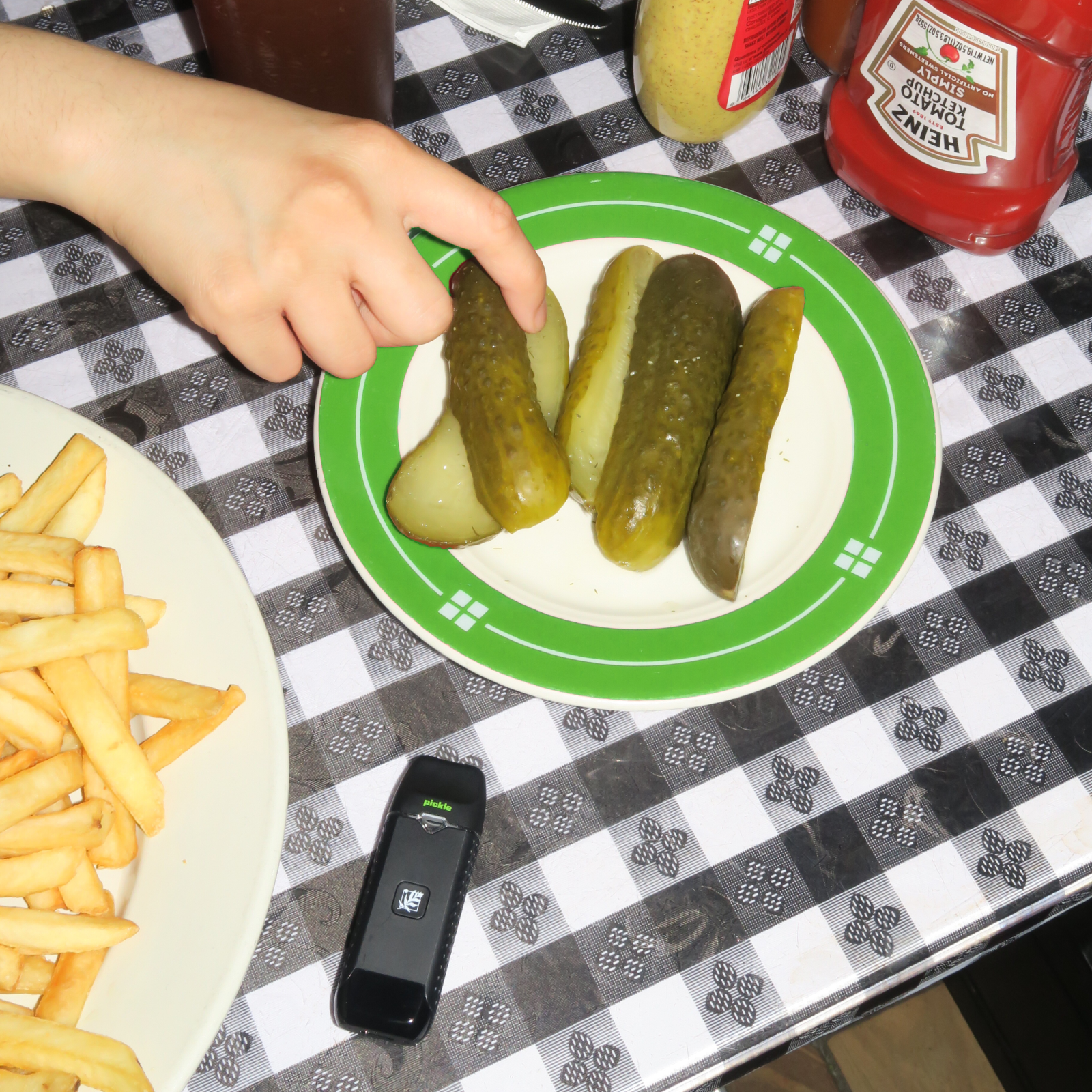
Sometimes that means a watch party. Sometimes it means a pickup game on the beach. Sometimes it means finding a pickle vape in a West Cape May dispensary and reacting as though the road trip has finally understood you.
The Squad Forms Along the Way
Kicking Back may use World Cup cities as its route, but the series is interested in everything surrounding the tournament: the places people gather, the businesses they build, the food they insist you try, and the stories that come out when somebody takes the time to ask.
The Philadelphia episode begins before Philadelphia. That is part of what makes it work. Communities do not stop at city limits, and neither do soccer culture or cannabis culture. They travel down highways, across bridges, onto beaches, and into whatever room has space for one more person.
Fernway started from a belief in good company. On this leg of the trip, good company includes dispensary operators, veterans, local leaders, beach players, chefs, festivalgoers, soccer fans, and one host whose commitment to pickles finally pays off.
The match may be the reason to set out. The vape may be the souvenir. The squad is everyone met in between.
All photos courtesy of Fernway
Sponsored Content Disclosure: This article was published as part of a paid commercial arrangement with Fernway. It is not independent editorial content. References to products, formulations, consumer use cases, or company claims reflect the sponsor’s perspective unless otherwise noted and have not been independently verified by High Times.