






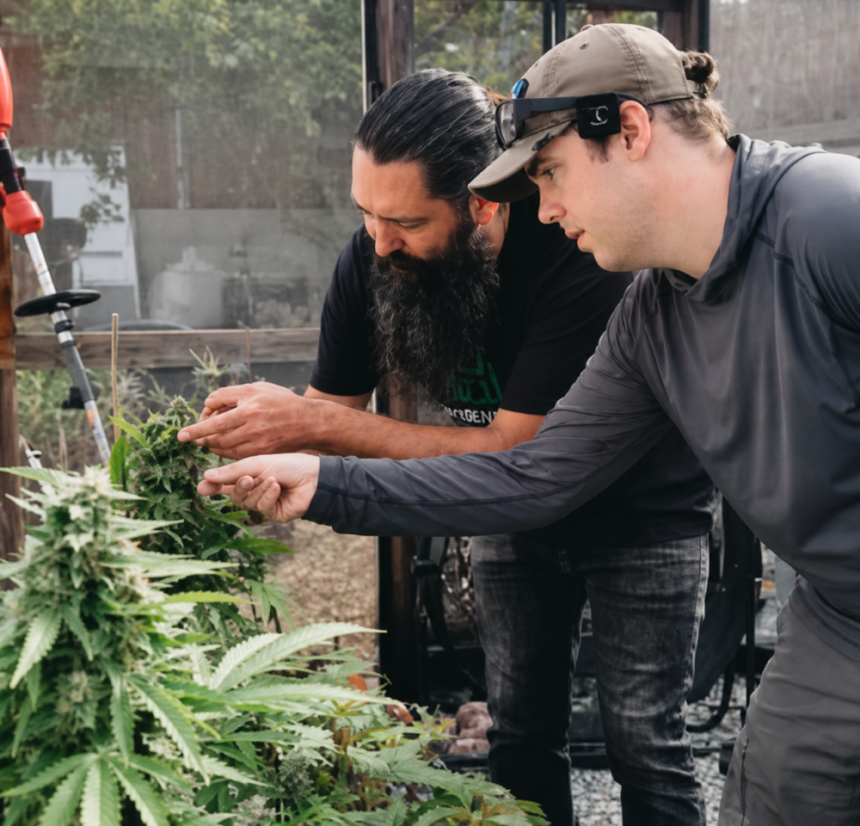
Pests are not static enemies. They are evolving armies—adapting to your sprays, outrunning your biocontrols, and reshaping your soil. Here is what the latest science says you should do about it.
By Jorge Cervantes in collaboration with Matthew Gates, Zenthanol Consulting & Stefan Meyer.
TL;DR
Across U.S. cannabis operations, fungal pathogens dominate the disease landscape—over 70% of reported pathogens on average, and as high as 83% in the northcentral region—with bud rot and powdery mildew at the very top. Meanwhile, the corn earworm moth—recently classified in the research literature as a “megapest”—has evolved resistance to plant toxins, synthetic insecticides, and even microbial biocontrols, helped along by its gut bacteria and by interspecies hybridization. Powdery mildews as a group have been co-evolving with plants for tens of millions of years and can break through resistant cultivars within a single growing season. The solution is not a bigger spray bottle and not a generic microbe blend. It is a fundamentally holistic mindset—what IPM specialist Matthew Gates calls the “Everswarm”—and it starts with understanding that every pest population in your garden is a current accelerant in an evolutionary arms race against the global environment, plant hosts, and growers like you. This article gives you the science, the threat map, and the practical playbook to stay ahead.
Key Stats at a Glance
| The number | What it means for you |
|---|---|
| 70%+ of reported U.S. cannabis pathogens are fungal (83% in the northcentral region) | Mold and mildew—not insects—are the statistical front line. Bud rot (Botrytis) and powdery mildew lead. |
| ~1,000 eggs per female budworm moth; 750–2,000 km migratory range | One moth can seed an outbreak, and resistance traveling in from other regions is now part of your local picture. |
| >100-fold Cry1Ac (Bt) resistance documented in selected Helicoverpa lab lines | “Spray Bt and hope” is a losing strategy. Rotation across control types is mandatory. |
| ~17× fewer cannabis aphids on high-CBDVA genotypes | Your genetics may already carry a built-in pest deterrent. Cultivar choice is a control method. |
| ~300% more fresh biomass with one seed-borne beneficial bacterium | A curated microbiome is immune-system support, not a luxury. |
| 100+ million years of plant–powdery mildew co-evolution | You will never fight the same spore twice. Plan for adaptation, not eradication. |
The War You Don’t Know You’re Losing
I have spent the better part of forty years walking through cannabis gardens. From the hidden guerrilla patches of Northern California to the sun-drenched greenhouses of Andalucía, and finally to the sterile, climate-controlled research facilities of the Netherlands and North America. In all that time, across every continent and every era of prohibition and legalization, there has been one enemy more persistent, more adaptive, and more destructive than any law enforcement agency on the planet:
Bugs. Mold. Disease.
I have lost more harvests to pests than I have to cops. And if you have been growing for any length of time, you know exactly what I mean. That sinking feeling when you flip a leaf and find the telltale webbing of spider mites. The heartbreak of pulling back a beautiful, frosty cola only to discover gray mold eating it alive from the inside. The slow horror of watching an aphid colony explode overnight, turning your pristine canopy into a sticky, honeydew-coated mess.
Most growers treat pest management the way most people treat their health—they only go to the emergency room when something is already catastrophically wrong. A spray here, a predator release there, and a whole lot of crossed fingers in between.
Matthew Gates thinks that approach is insane. And after reviewing seventeen years of his research—spanning cannabis, roses, gerbera, lilies, peppers, and tea across three continents—I am inclined to agree with him.
Over the past two years, the grower who keeps pulling me back to first principles on this is Matthew Gates of Zenthanol Consulting—the only IPM specialist I have met who thinks about pest populations the way a military strategist thinks about an adversary.
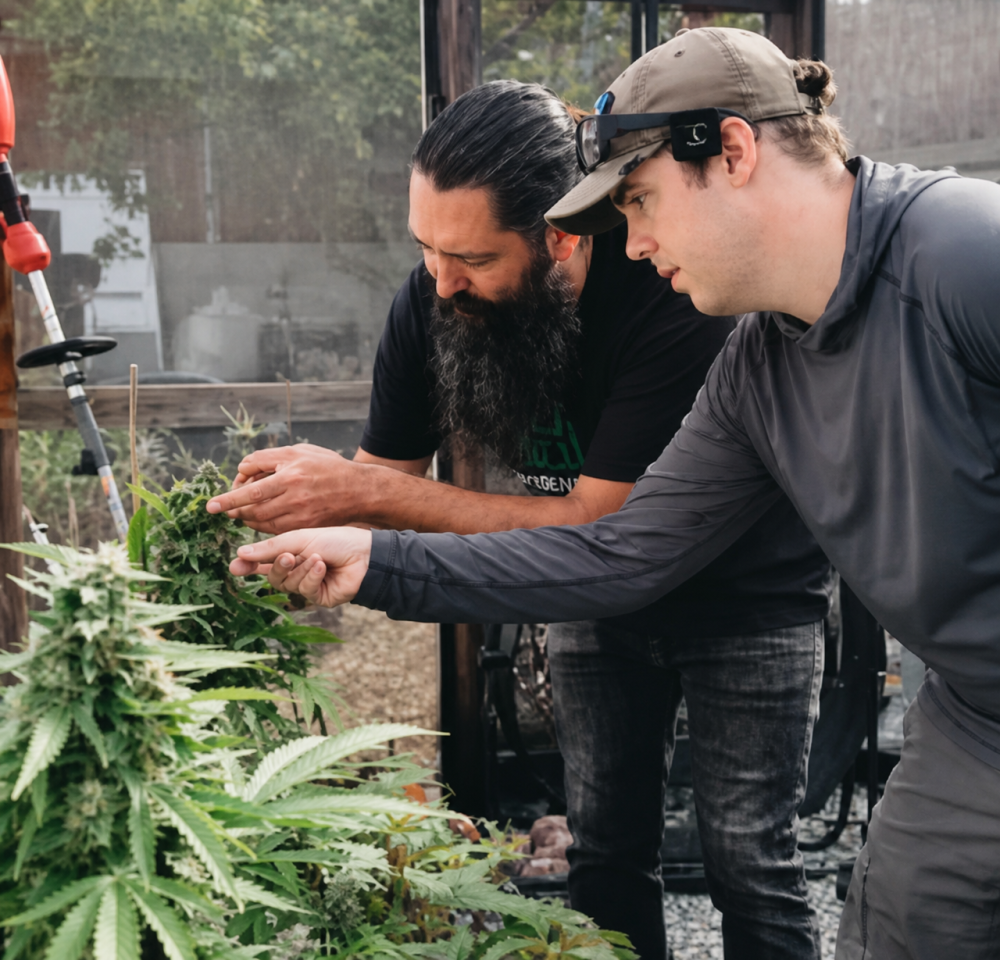
Figure 2. Matthew Gates of Zenthanol Consulting has spent 17 years developing IPM strategies across six crop types and multiple continents.
Photo: Zenthanol Consulting.
Matt is an Integrated Pest Management specialist and the founder of Zenthanol Consulting. He has published chapters in academic textbooks for Taylor & Francis, Elsevier, and CABI. He contributed to Cornell Cooperative Extension’s New York State cannabis production manual. He has been featured in the upcoming Brazilian cannabis documentary Ver de Perto, picked up by HBO and Netflix, as well as in High Times, SKUNK Magazine, and Terpenes and Testing. He maintains a YouTube channel where he goes deeper on individual pests than most PhD students go in their dissertations.
But here is what makes Matt different from the typical IPM consultant who shows up, sells you a box of ladybugs, and disappears: he thinks about pests the way a military strategist thinks about an adversary. He studies their capabilities, their vulnerabilities, their evolutionary history, and their capacity to adapt. He calls his framework the “Everswarm”—the idea that pest populations are always evolving, always adapting, always finding new ways around whatever you throw at them.
“Anyone saying ‘there’s no resistance to being eaten by biocontrol agents’ is incorrect. Decades of research support the very real ability of insect, mite, and microbial pests to adapt to every selection pressure—chemical, biological, and physical.”
Matthew Gates, Zenthanol Consulting
That is a sobering statement. It means the arms race never ends. But it also means that if you understand the arms race, growers and researchers can stay one or more steps ahead. And that is exactly what this article is for.
Know Your Enemy: The Cannabis Pest Landscape in 2026
Before you can build a defense, you need to understand the threat. There are three big categories to keep in view: fungi, sap-feeding insects, and caterpillars. In 2023, a landmark survey published in Plant Health Progress cataloged the occurrence and distribution of common diseases and pests across U.S. cannabis operations—the most comprehensive picture we have ever had of what growers are actually facing in the field. The results were eye-opening, and for some growers, terrifying.
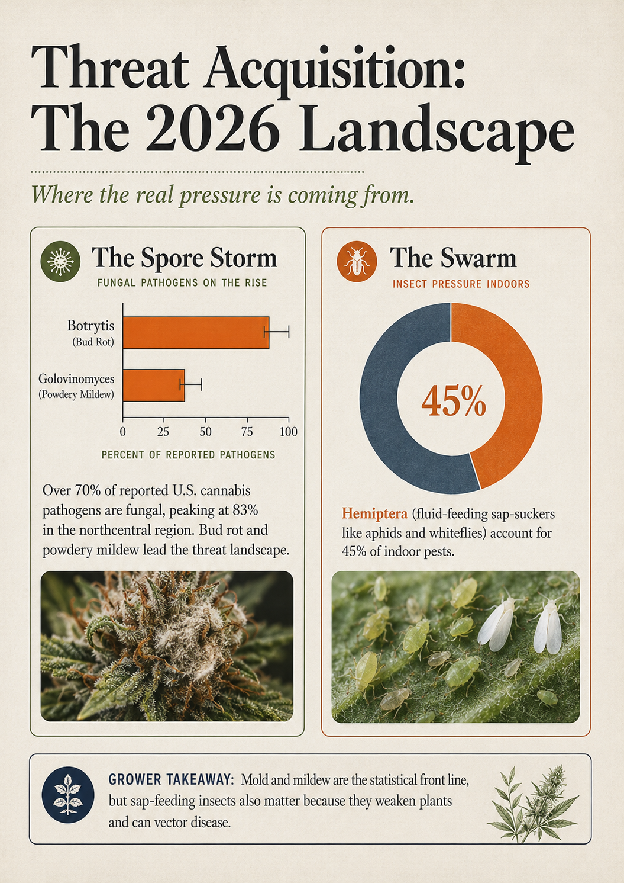
Figure 3. Intelligence Gathering: the 2024 threat landscape. Fungi dominate the disease reports; sap-feeding Hemiptera dominate the arthropods—and they don’t just bite, they vector viruses.
Infographic: Zenthanol Consulting / Everswarm. Data: Munir et al. (2023) and Ahmed et al. (2024).
Spore Storm — Colonies From Root to Shoot
Fungi dominate the disease landscape. In the United States, a recent field survey found over 70% of reported pathogens were fungal on average—the northcentral region spanning from Missouri to Minnesota to Ohio registered fungal pathogens at 83%, highest across all regions. The top threats will be familiar to any experienced grower: bud rot (e.g., Botrytis), powdery mildew (e.g., Golovinomyces), and various root rot species (e.g., Fusarium, Rhizoctonia). Leaf-blight fungi (e.g., Septoria, Cercospora, Bipolaris) have more than a century of history in U.S. cannabis crops and are making a strident resurgence today, with few options validated for effective management. The fungus-like oomycete pathogens Pythium and Phytophthora together accounted for 12% of microbial pest reports.
Bud rot caused by Botrytis was reported at the highest occurrence rate of any single pathogen across all five U.S. regions surveyed, and powdery mildew was a close second. These two diseases alone account for more crop loss than everything else combined in many cannabis operations—just as they cause billions in food-crop damage annually.
Source: Munir et al. (2023), “Occurrence and Distribution of Common Diseases and Pests of U.S. Cannabis: A Survey,” Plant Health Progress.
Bug Report — Identifying the Swarm
A separate 2024 study published in the Journal of Integrated Pest Management documented 105 arthropod and mollusk species on indoor cannabis grows in Florida, a region known for new pest records and optimal conditions for their development and dispersal. Fluid-feeding insects in the order Hemiptera—aphids, whiteflies, scale insects, mealybugs, and stink bugs—made up 45% of all pest diversity.
Indoor grows can benefit greatly from high biosecurity—keeping pests from entering in the first place. Pest threat is also contextual: caterpillars that feed on leaves are not directly problematic to harvest yield and quality, but budworms, which bore into the flower, have a much more direct impact—which is why species identification matters. Oddly, moths are not usually considered a common indoor pest, so their presence is noteworthy. Much more reliably threatening, per the survey, are mites, along with aphids, scale, and whiteflies at the top of the list, followed by beetles, thrips, grasshoppers, flies, wasps and ants, earwigs, and finally snails.
While it is important not to over-extrapolate from regional surveys, two trends are worth considering from these pioneering reports. First, fluid-feeding insects were well represented—and they do not just suck sap, they are disease vectors. The silverleaf whitefly (Bemisia tabaci), common across dozens of crops, transmits Lettuce Chlorosis Virus. Like many plant viruses, its host range is broader than its name suggests, and it has no conventional treatment—often wiping out fields of crops while existing with few or no symptoms in nearby plants that serve as reservoirs. As the Everswarm concept states, understanding these pest–plant connections informs context from the individual grower to the global cultivation community. Lettuce Chlorosis Virus was identified in California decades ago but was first documented in cannabis in Israel in 2019, and is currently expanding into other regions.
Aphids in particular host many microbial symbionts that help them blunt plant defenses and natural enemies, and they are among the most prolific plant-virus vectors of any insect; similar sap-adapted bugs can suppress the plant’s immune system and stunt growth while infecting it. Several viruses from other crops have been found in cannabis and require vectors—such as Beet Curly Top Virus—while Hop Latent Viroid (HLVd) is a smaller, more insidious pathogen that recent research suggests can be spread through physical contact, water, and possibly other organisms such as fungi or insects.
Second, caterpillar pests are increasing, driven by climatic change and agricultural intensification, including global trade. In the northcentral U.S., moths—including the corn earworm, European corn borer, fall armyworm, and hemp borer—accounted for 23% of all arthropod pest reports, the highest of any region.
Source: Ahmed et al. (2024), “Arthropod and mollusk pests of hemp,” Journal of Integrated Pest Management.
Watch — Zenthanol IPM Series: Cannabis Aphids
Matt Gates breaks down identification, lifecycle, damage, and biocontrol options for cannabis aphids—a foundation for any IPM strategy.

Megapests — Adapting to the Future
Matt’s Everswarm presentation at Innexo’s Acceleration Day in the Netherlands went deep on dozens of organisms. But two stood out as the most vivid illustrations of why static pest management is doomed to fail. One is an insect. The other is a fungus. Together, they represent the two biggest threat categories facing cannabis growers worldwide—and both tell evolutionary stories that should change the way you think about your garden.
Budworm Breakout — Worm Eat World
If you grow outdoors anywhere in the Americas, you have probably encountered the corn earworm, Helicoverpa zea—or, in most other parts of the world, its relative the cotton bollworm, Helicoverpa armigera. If you have not, count yourself lucky, and start checking your colas.
These budworms are not specific to cannabis. As a group they are already recognized as a global agricultural threat with a host range of over 300 plant species. A single female can lay approximately 1,000 eggs and fly 750–2,000 kilometers in a single migratory journey. The larva bores directly into the flower, feeding from the inside where practical management can hardly reach, leaving behind frass and a perfect incubation chamber for bud rot.
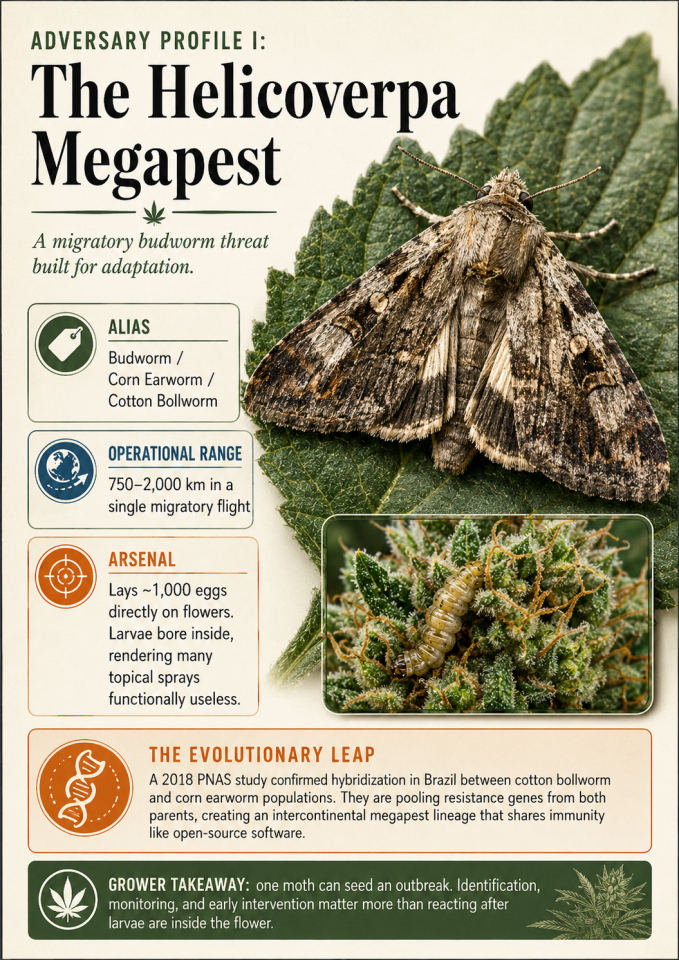
Figure 4. Adversary profile: the Helicoverpa “megapest.” Corn earworm and cotton bollworm are hybridizing across the Americas, pooling resistance genes and sharing immunity “like open-source software.”
Infographic: Zenthanol Consulting / Everswarm.
But what elevates budworms from a nuisance to a nightmare is an arsenal of gut microbes that suppress plant defenses and biocontrols alike, plus a recent hybridization between specially adapted populations carrying capabilities such as resistance to DDT and similarly noxious compounds banned in many places—where exposure still selects for strong toxin neutralization that then migrates across the world. The corn earworm diverged less than two million years ago from cotton bollworm populations. Cotton bollworm spans Africa, Asia, and southern Europe and is, by some metrics, the most destructive insect pest on Earth for the world’s most important food crops. In 2018, a landmark study in the Proceedings of the National Academy of Sciences confirmed what entomologists had thought possible: nine Brazilian individuals were identified as hybrids—eight were largely H. armigera with some H. zea introgression, while the ninth resembled an F1 cross. The authors classified the lineage as a “mega-pest.” Since then, movement throughout an American corridor—from the U.S. Midwestern corn belt, through the Caribbean and Gulf, to Brazil’s productive zones—is considered an active dispersal vector and incubation area for new adaptations.
The array of resistances in this hybrid lineage is staggering:
- Pyrethroid resistance: A chimeric P450 enzyme called CYP337B3, created by unequal crossing-over between two genes, confers roughly 40-fold resistance to fenvalerate, related pyrethroids, and even the natural pyrethrins used as “safer” alternatives. This gene sits at high frequency in South American, Chinese, and Australian populations and at low frequency in North America—and it has already been detected in South American hybrids and even in Texas.
- Bt resistance: Multiple genetic mechanisms—including mutations in cadherin and ABC-transporter genes—have independently evolved across global populations. In field and laboratory lines, combined mutations can confer over 100-fold resistance to Cry1Ac, one of the most common proteins of the microbial biocontrol Bacillus thuringiensis (“Bt”). The caterpillar midgut is also naturally highly alkaline, and certain gut microbes (such as Enterococcus) can push it even higher, interfering with how Bt toxins are activated. Other microbes considered part of the core cannabis microbiome, such as some Pseudomonas and Bacillus, may also be co-opted by budworms to their own benefit, as seen in other crops.
- Cold tolerance: Populations from cold, high-elevation regions store large amounts of the sugar trehalose, which acts like an antifreeze, enabling survival at extreme subzero temperatures (reported supercooling points around −17 to −19 °C).
- Plant-defense resistance: Compared with specialist moths, the Helicoverpa genome carries an unusually expanded set of detoxification and digestive gene families—the molecular toolkit that lets larvae overcome the chemical defenses of hundreds of host plants.
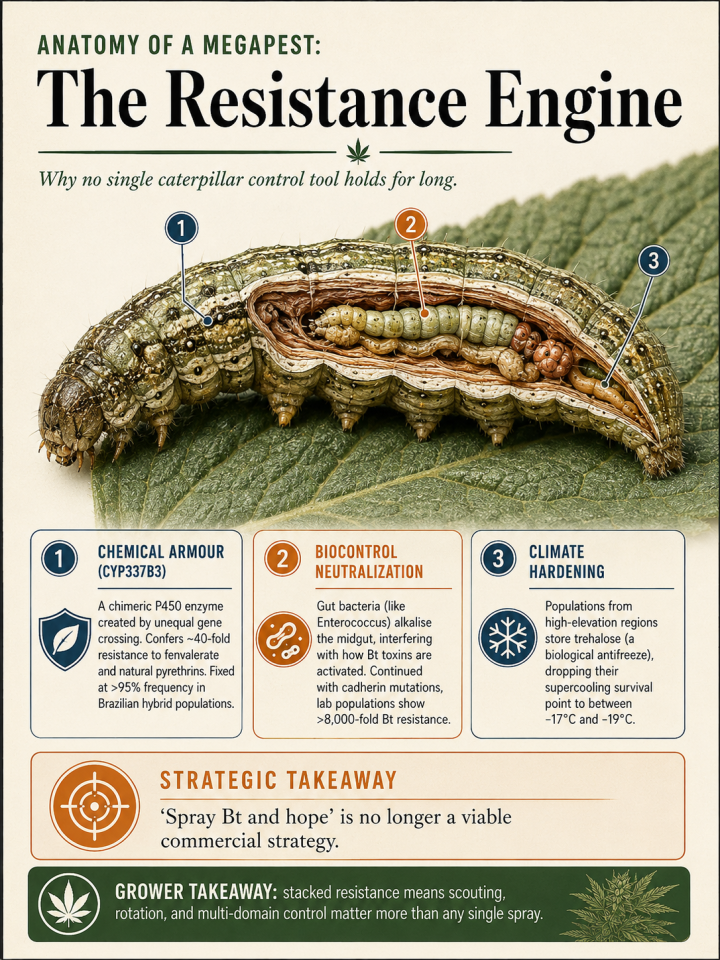
Figure 5. Anatomy of a megapest: the resistance engine. Multiple, independent resistance mechanisms stack into a single lineage—which is why no single tool holds for long.
Infographic: Zenthanol Consulting / Everswarm.

What this means for growers: If your entire caterpillar strategy is “spray Bt and hope,” you are playing a losing game. The Everswarm approach considers the cultivation context and applies a multi-domain defense: diligent scouting of flowers during late bloom to catch direct damage as early as possible; physical barriers (insect netting, greenhouse screens, natural cover) as one layer; seasonal moth trapping to monitor population timing; Trichogramma wasp releases for egg parasitism before larvae ever hatch; and other biocontrols, including different microbes or a cocktail of Bt strains. No single tool works forever. Rotate everything.
Watch — Zenthanol IPM Series: Budworm (Helicoverpa)
Matt Gates goes deep on the biology, lifecycle, and control strategies for the budworm moth—the single biggest caterpillar threat to cannabis.
Mildew Mayhem — Every Spore a Die Roll
In the garden, we like to sort organisms into two boxes—the good guys and the bad guys. Predators good, pests bad. Beneficial fungi good, pathogens bad. Powdery mildew laughs at those boxes. The relationship between a plant and its fungus is a spectrum, and powdery mildew has spent roughly 100 million years finding new positions on it. It is older than every flowering plant you grow. It predates cannabis itself. And it has been training the whole time on roughly 10,000 different host species. When you fight it with a single fungicide or a single resistant cultivar, you are bringing a knife to a war that started in the Cretaceous.
Cannabis and powdery mildew share a relationship that stretches back tens of millions of years. The family Erysiphaceae—the powdery mildews—originated in what are now temperate Eurasian regions where cannabis also evolved, and they have been locked in an evolutionary arms race ever since. The genus Golovinomyces contains two species that colonize cannabis and has the largest host range among all powdery mildew genera, parasitizing some 335 plant genera, primarily fast-spreading herbaceous hosts. A third species, Podosphaera macularis, causes powdery mildew in cannabis’s closest relative, hop.
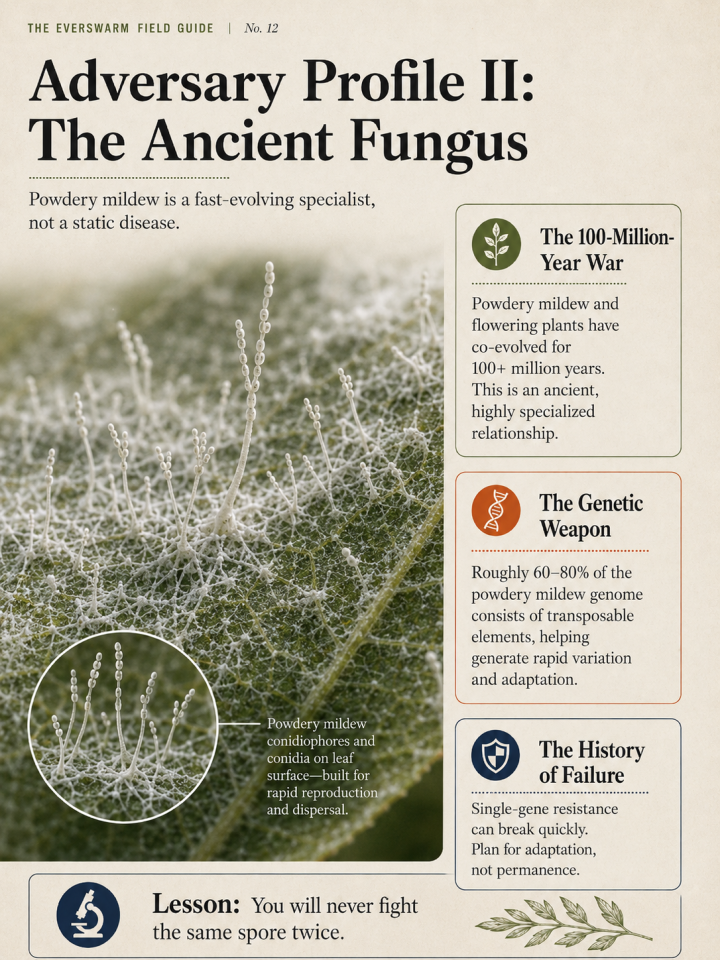
Figure 6. Adversary profile: the ancient fungus. Powdery mildews evolved from plant-symbiont lineages before flowering plants existed—giving them intimate control of plant cell function.
Infographic: Zenthanol Consulting / Everswarm.
The chances that a powdery mildew species can colonize a given plant rise with genetic relatedness—but there are many examples of jumps between unrelated hosts. That means powdery mildews now found on other members of the cannabis family, Cannabaceae—such as pigeon wood (Trema orientale) or hackberry (Celtis australis)—may one day develop the traits to colonize cannabis. This is speculative, and a good reason for continued research into cannabis ecology and its specific pest dynamics.
What makes powdery mildew so formidable is its mutation-prone genome. The powdery mildew genome is often 60–80% transposable elements—chunks of DNA that copy and paste themselves around the genome, generating constant variation in the “effector” genes the fungus uses to colonize plants. These effectors suppress the plant’s immune responses and shuttle nutrients to the fungal body. Unsuccessful variants are more than offset by every successful colony, which produces thousands of spores per day, each a slightly different iteration honed by millions of years of selection. Even where good solutions exist, defenses based on resistance genes or biological interactions can degrade within one or a few seasons—demanding the kind of fast detection and response that some institutions already provide to farmers worldwide, and that could benefit cannabis tremendously.
The practical consequence is sobering for resistance breeding. A century of melon farming shows the pattern: since 1926, new races of Podosphaera xanthii (melon powdery mildew) have broken through resistant cultivars nearly every year. The first resistant melon variety, PMR 45, was released in 1937—and melon PM Race 2 was identified just one year later. Over the next century, nearly every new resistant cultivar was overcome within a few growing seasons, and a similar dynamic may exist across the diversity of cannabis. Synthetic fungicide resistance, meanwhile, can develop within one to three years of first field use despite efforts to prevent it.
In hemp fields, resistance screening in 2023 and 2024 across 70 to 98 accessions showed a wide spectrum of susceptibility to powdery mildew. Cultivars like ‘White CBG’ and ‘PhotoCBD’ ranked among the most susceptible, while ‘FL 58,’ ‘Fibror 79,’ and ‘Otto II’ showed strong resistance. Cornell researchers identified a loss-of-function mutation in a susceptibility gene (CsMLO) in ‘FL 58’ that powdery mildew relies on for successful colonization. Losing the susceptibility gene—rather than gaining a resistance gene—can have side effects, such as interfering with beneficial microbial signaling that uses the same pathway. A similar, durable mlo resistance has protected barley from powdery mildew since the 1940s. A second resistance locus, PM1, was mapped in cannabis in 2021, and a third, PM2, was reported in 2025. These map to three different chromosomes—PM1 on chromosome 2 (2021), the CsMLO knockout on chromosome 1 (2024), and PM2 on chromosome 9 (2025). Three independent genetic defenses now give breeders validated natural resources—but the lesson from melons is clear: no single resistance gene is forever.
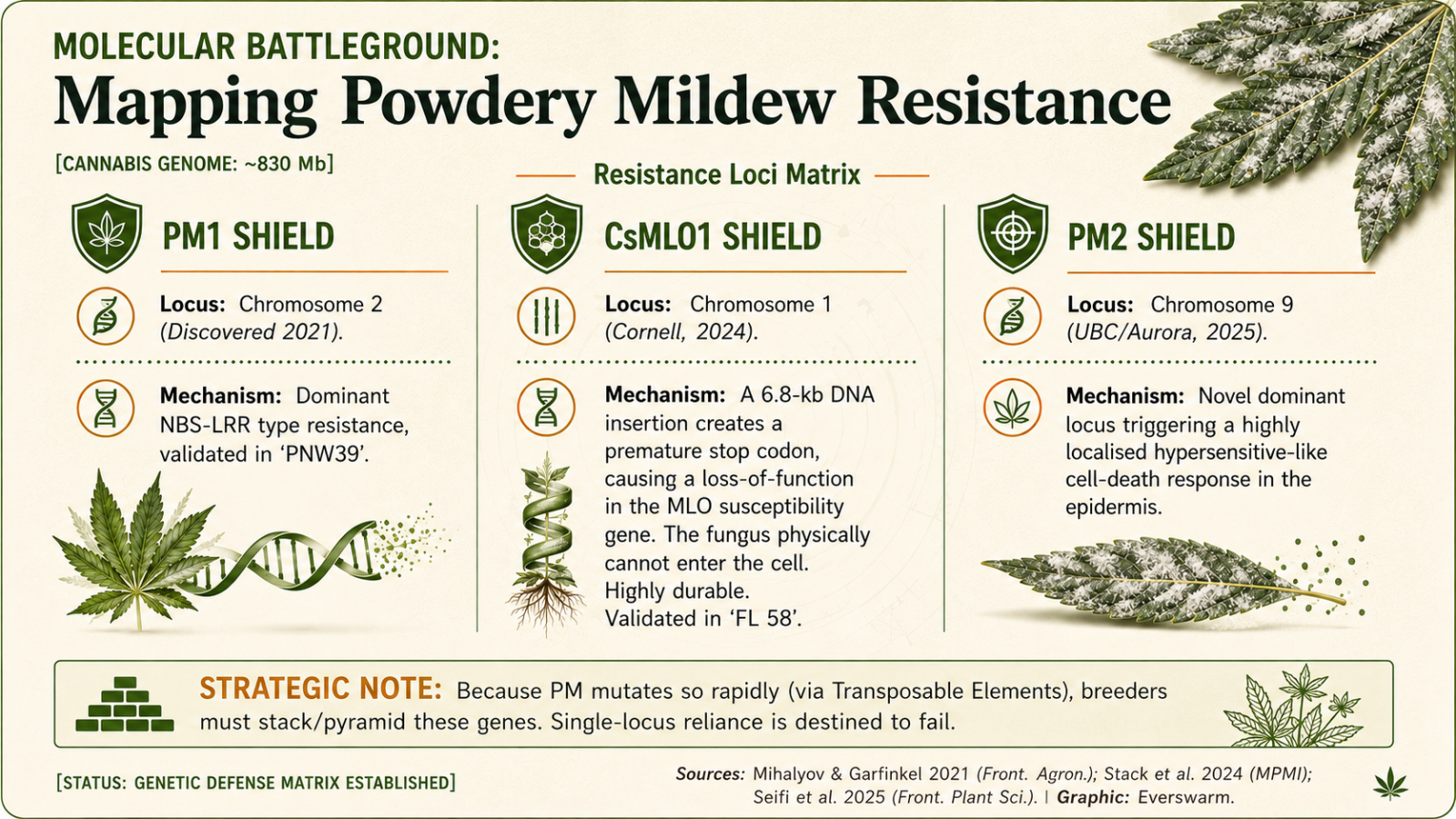
Figure 7. Molecular battleground: mapping powdery mildew resistance. CsMLO susceptibility, PM1, and PM2 give breeders three independent defenses—but each can erode over time.
Infographic: Zenthanol Consulting / Everswarm.
| Jorge’s Tip. When a seed catalog tells you a strain is “PM-resistant,” ask which gene. If they can name CsMLO, the FL-58 lineage, PM1, or PM2—and explain how they confirmed it is expressed—you are talking to someone serious. If they cannot, you are talking to marketing. Pay accordingly. |
What this means for growers: Cultivar selection is your first line of defense. If powdery mildew is a chronic problem in your facility, seek out genetic stock with known resistance (mlo-type lines, PM1- or PM2-carrying genetics), and be wary of vague resistance claims—verifying resistance genes is complicated, and there is no recourse if the results aren’t better than normal. Beyond genetics, environmental control is paramount: powdery mildew thrives at moderate humidity (40–70% RH) and temperatures of 20–25 °C (68–77 °F), while free water on the leaf surface actually inhibits spore germination, drowning them. Uniquely among fungi, powdery mildew spores carry their own water and survive very low humidity. Because colonies use strong airflow to spread spores, any proactive product needs thorough coverage to work. And remember Matt’s principle: you will never fight the same spore twice. Every generation is a new iteration, optimized against whatever you used last time.
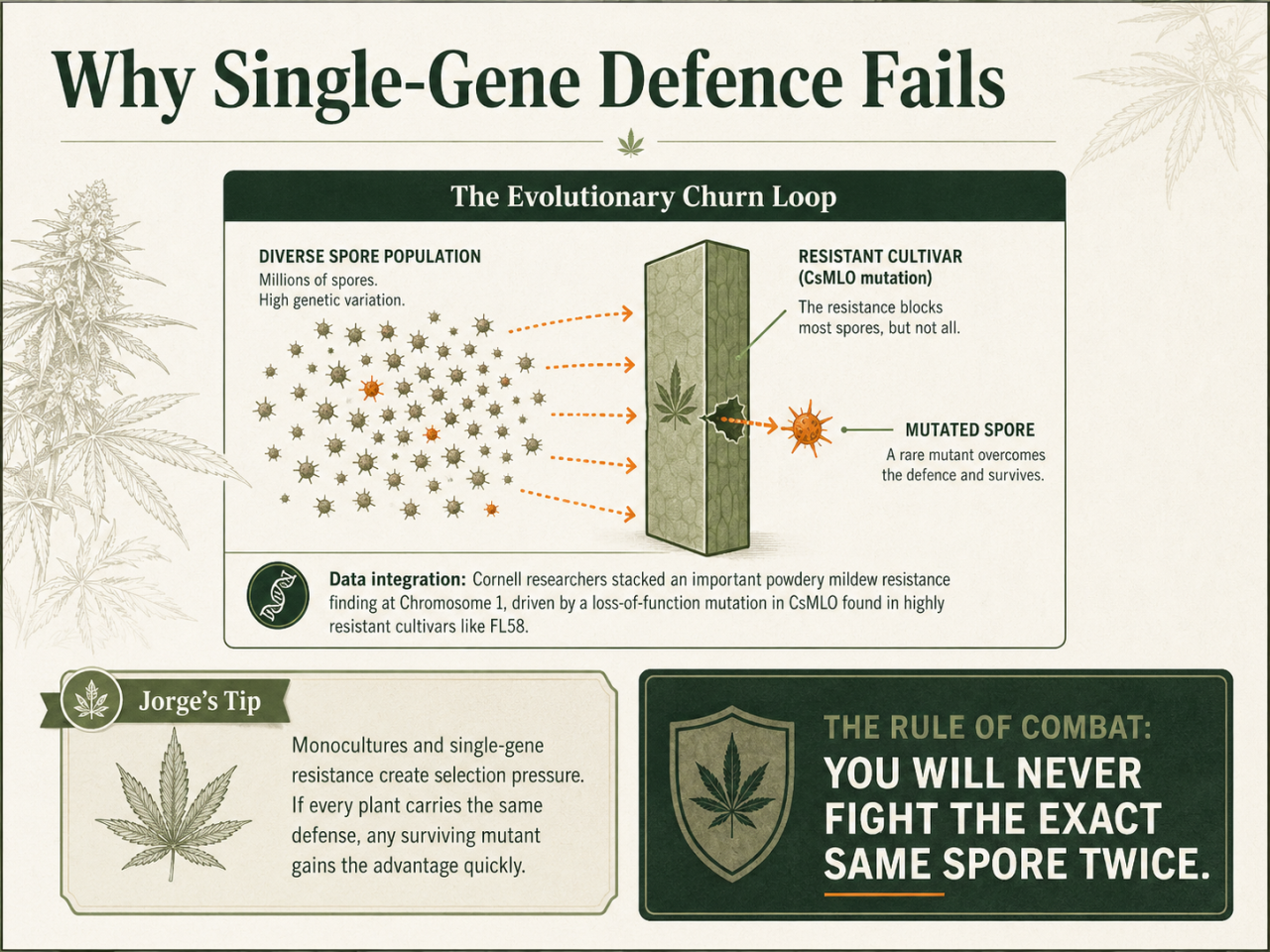
Figure 8. Why single-gene defense fails: the evolutionary churn loop. Selection pressure plus a hypermutator genome means resistance you trust today can be obsolete next season.
Infographic: Zenthanol Consulting / Everswarm.
| Watch — Zenthanol IPM Series: Powdery Mildew Deep Dive (https://youtu.be/vVyZtO6039Q?si=nc16G3sMnK79ev_L) Matt’s most comprehensive PestPrimer: 30+ papers synthesized into a deep dive on PM biology, evolution, infection dynamics, and mitigation. |
Allies and Armor — Biocontrols, Microbes, and the Plant Defense Network
If all of that sounds bleak, here is the good news. Your plants are not defenseless. They have been fighting this war for far longer than humans have been growing cannabis—longer than humans have been growing anything. Their immune systems already know how to recruit allies, signal danger to neighbors, and reprogram their own metabolism under attack. Your job is not to fight the pests for them. Your job is to set the table so the plant’s own defenses can do their work.
The Cannabis Microbiome — An Invisible Skirmish
A groundbreaking 2024 study published in Microbiome by researchers at Graz University of Technology recovered a bacterial species from cannabis seeds with outsized influence on plant growth. The organism—Peribacillus frigoritolerans C1141—is a seed endophyte, meaning it lives inside the seed itself and colonizes the plant from germination onward.
In field trials, cannabis plants inoculated with P. frigoritolerans C1141 showed roughly 300% higher fresh biomass at harvest, 96% greater stalk diameter, and 43% greater height compared to controls. Growth like this has many implications for how and when a plant matures, tolerates pest damage, and holds up under stress. Genomic analysis revealed over a thousand growth-promoting genes spanning 22 direct-effect categories (phosphate and potassium solubilization, xenobiotic biodegradation, metabolite production) and 19 indirect-effect categories (abiotic-stress neutralization, systemic acquired resistance, spore production for persistence).

Figure 9. The microbiome multiplier: one bacterium, 1,000+ genes. A single seed-borne strain drove ~300% more fresh biomass, +96% stalk diameter, and +43% height in trials. Infographic: Zenthanol Consulting / Everswarm. Source: Lobato et al. (2024), Microbiome.
The study also mapped the core cannabis microbiome across domestication grades—from wild accessions to highly bred commercial cultivars. The dominant bacterial genera were Bacillus, Ralstonia, Pantoea, and Pseudomonas—famous groups that contain both pathogens and mutualists, and a clue to which microbes may have greater affinity for cannabis in the inputs we source. Critically, microbiome diversity was higher in less domesticated genotypes, suggesting that intensive breeding has inadvertently stripped away beneficial microbial partners, as in other domesticated crops.
The implication for growers is profound: an intentionally curated microbiome is not a luxury for nature enthusiasts—it is immune-system support. Inoculate substrate with the right microbial consortium and you prime your plants to endure and counter biological and environmental stress. Some contexts suit certain microbial applications better than others, which is why increasingly accessible tools—from lab sampling to in-house sequencing—matter: measuring plant–pest–microbe interactions in real grow conditions lets you optimize, rather than simply trusting that hundreds of unseen factors are fine forever.
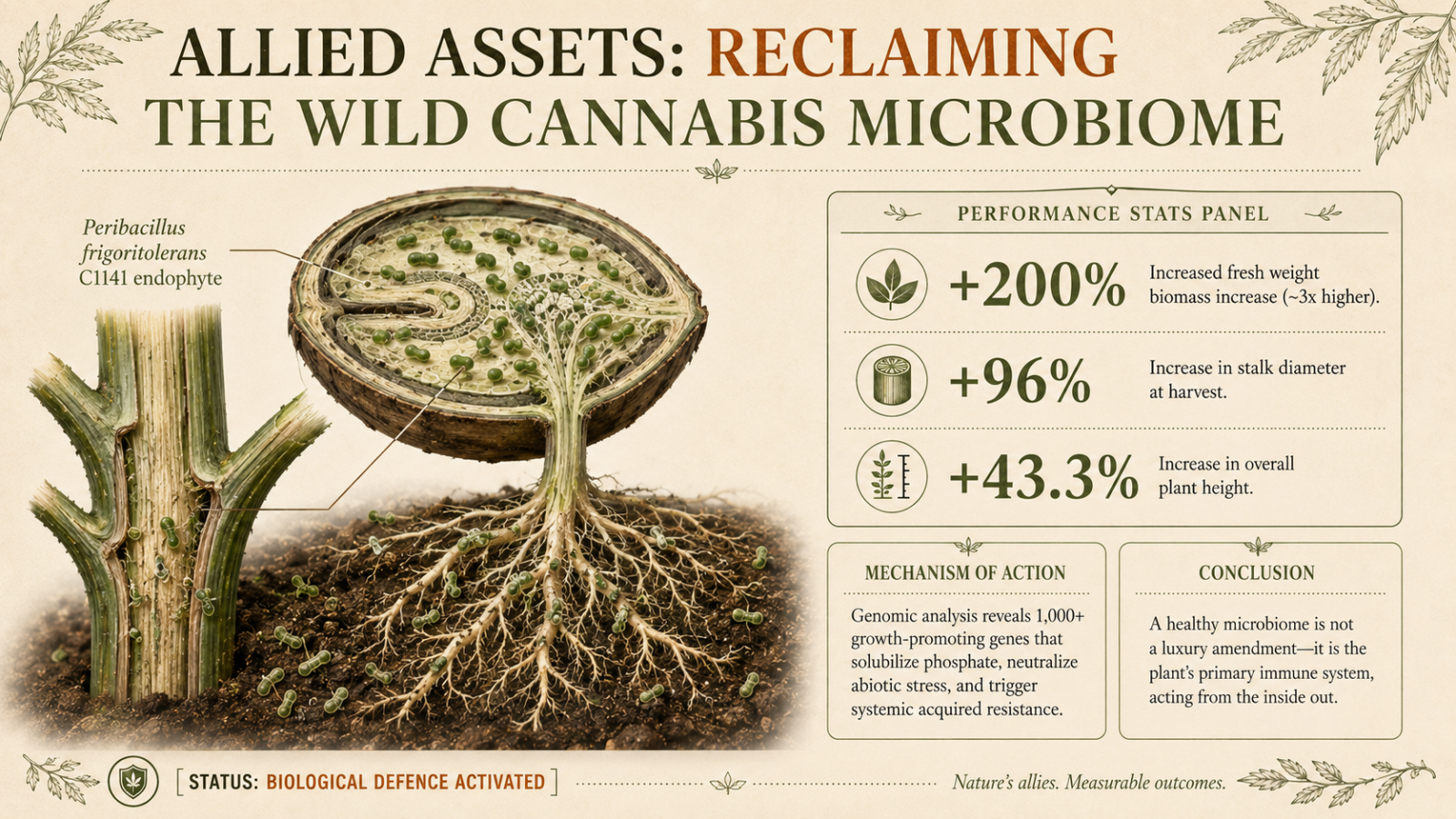
Figure 10. Allied assets: reclaiming the wild cannabis microbiome. Domestication traded away microbial diversity that wild lines still carry—diversity you can deliberately reintroduce.
Infographic: Zenthanol Consulting / Everswarm.
Biocontrol Agents — Guards for Every Option
Biological control is not magic. It is ecology—applied deliberately, with holistic consideration. Biocontrols can be extremely efficient or an expensive burden depending on pest identification, sourcing, timing, application rate, and integration with other treatments. Because flower production is delicate and demands careful handling, the standard use case often needs modifying for specific grow styles. While cannabis-specific research is ongoing, many predatory insects and mites—along with various microbes that act directly and indirectly on pests—have proven themselves in empirical and field conditions.
- Phytoseiulus, Amblyseius cucumeris (predatory mites): One of the most famous biocontrols is Phytoseiulus persimilis, which hunts spider mites almost exclusively. New species are evaluated regularly in research, and commercial species range from specialists to generalists—so accurate pest identification is essential for choosing the right one.
- Amblyseius swirskii (predatory mite): A predatory mite that doesn’t get the press it deserves. Originally from the eastern Mediterranean, A. swirskii feeds on the pests that plague indoor growers most—western flower thrips, two-spotted spider mites, whiteflies, and broad mites—and, unlike most predators, it survives between meals by eating pollen. That detail matters: it means you can establish a population before you have a pest problem. Distribute sachets early in the cycle (about one per square meter is a reasonable start), keep canopy humidity above 60%, and check sachets every two to three weeks. It will not save you from a full thrips blowout, but it will keep most early pressure from ever becoming one.
- Parasitoid wasps (Aphelinus, Aphidius, Trichogramma): These tiny wasps are among the most effective biocontrols available. Trichogramma species parasitize moth eggs before caterpillars ever hatch—the ideal time to intervene. While Trichogramma wasps have been trialed in cannabis research crops and can impact budworm egg stages, models are still being refined and cultivation context are important for considerations. One fascinating detail from Matt’s research: parasitoid wasp longevity increases roughly fivefold when the wasps have access to both water and honeydew—meaning a small, tolerable level of pest presence can actually sustain your beneficial population. Perfect eradication of the pest kills the predator too.
- Beauveria bassiana (entomopathogenic fungus): This fungus infects caterpillars and other soft-bodied insects on contact. Lab assays show high mortality against Helicoverpa armigera larvae. Field efficacy is lower due to UV degradation and humidity requirements, so indoor growers see the best results. Virginia Tech trials found that Beauveria alone underperformed against corn earworm in outdoor hemp—but combined with Bt products or viral insecticides (HzNPV), the synergy is significantly better. Apply at least twice weekly during active outbreaks.
Nature’s Edge Optimization — CBDVA, VOCs, and Plant–Soil Feedback
Cannabiculture changes as we better understand the plant and its natural capabilities. A resistance claim is only as strong as the evidence behind it—evidence that can melt away the observational and personal biases that leave even decades-experienced growers vulnerable to misreading what they see. In a dynamic world, it is not enough to know that a strategy can work; you also need to know why it works and how it can be improved. Wherever possible, lean on cannabis-specific research, and assess products and services skeptically as commercial interest outpaces independent study. Three recent findings point to natural resistance worth building on:
CBDVA: the anti-aphid cannabinoid you may already have. If you grow high-CBDV or high-CBD genetics, you may already be carrying a built-in aphid deterrent. In a 2025 study from Colorado State, Cornell, and the USDA, cannabis genotypes high in CBDVA (cannabidivarinic acid—the acid form of CBDV) supported about 17 times fewer cannabis aphids (Phorodon cannabis) than low-CBDVA genotypes after just 14 days. In feeding assays, 1 mM CBDVA cut aphid fecundity by roughly 83%. The catch: it has to be the acid form—only CBDVA shows the deterrent effect; the neutral cannabinoid CBD did not. For breeders, this is a genuine target. For commercial CBD/CBDV growers, it is a free line of defense.
VOCs: your plants are already talking to each other. When a plant is attacked, it doesn’t suffer in silence—it releases volatile organic compounds that travel through the air and prime its neighbors to defend themselves before the attack arrives. A 2024 barley study showed that powdery-mildew-infected plants emit altered profiles of β-caryophyllene, linalool, and methyl salicylate—the very molecules that give cannabis terpene profiles their character. Cannabis VOC defense priming against PM hasn’t been directly tested, but the building blocks are there. The practical question is whether canopy spacing and the timing of natural botanical inputs are doing more defensive work than we have been crediting—and whether growers could deliberately shape a “field immune network.”
Caterpillar-induced plant–soil feedback: there is no free lunch in the rhizosphere. The newest finding here is the most uncomfortable. A 2026 study in Plant and Soil showed that caterpillars feeding on cabbage can hijack the rhizosphere—within about two and a half hours, the plant’s roots alter the soil microbial community in ways that actually suppress its own caterpillar defenses, and the effect can persist for months across new plants and different soil types. Wild-type cabbage does the opposite: its soil reprogramming supports resistance, though that benefit degrades as caterpillar pressure rises. The lesson for cannabis growers is that a well-fed microbial substrate is not a magic shield. There is no free lunch in physics: resources spent on defense are not spent on growth, so resistance of any kind has a cost—and pests can commandeer microbes skillfully enough to turn the plant into an instrument of their own ends. Regenerative, ecologically minded strategies are more holistic, but even with curated substrate microbiota, domesticated plants often lack genetic resources their ancestors retained. The Everswarm concept applies to your soil, not just your canopy.
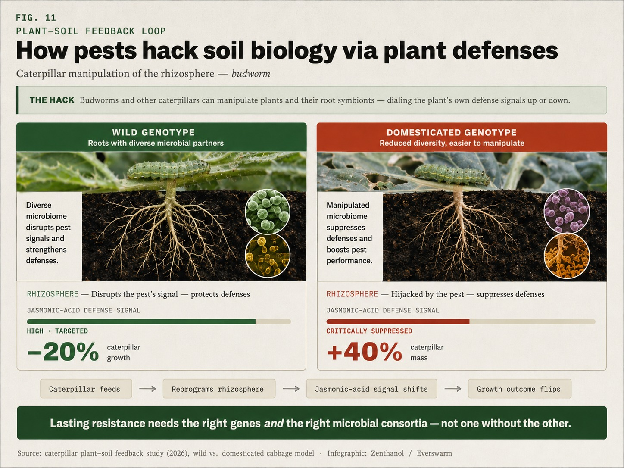
Figure 11. The invisible war: pests actively hack your soil biology. Caterpillar feeding can reprogram the rhizosphere to switch off the plant’s own defenses—more easily in domesticated lines. Infographic: Zenthanol Consulting / Everswarm. Source: caterpillar plant–soil feedback study (2026).
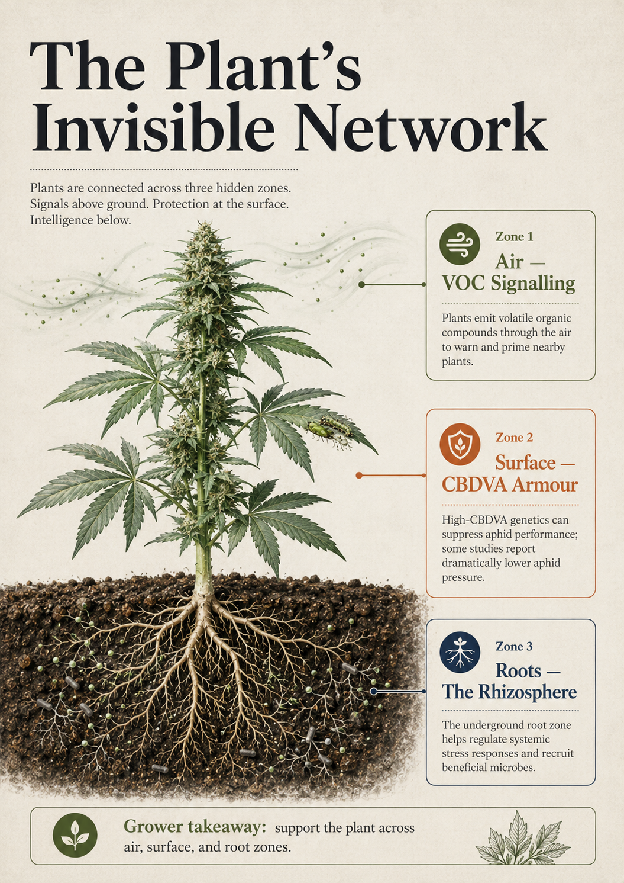
Figure 12. The plant’s invisible network. Volatile signals and the root microbiome let plants warn neighbors and recruit allies—an immune network you can support or disrupt.
Infographic: Zenthanol Consulting / Everswarm.
The Everswarm IPM Strategy — A Practical Framework
Theory is useless without practice. Here is the Everswarm principle distilled into five steps you can start using in your garden today.
Step 1 — Know your landscape. What region are you in? Indoor, outdoor, or greenhouse? What are the dominant pests and diseases where you grow? Use the 2023 survey data and your state’s extension service to build a threat profile. An indoor grower in Florida faces a fundamentally different pest complex than an outdoor farmer in Oregon. Strategy without context is guesswork.
Step 2 — Be proactive and reactive. Prevention is the foundation: sanitation, physical screening, cultivar selection for resistance, and microbial inoculation from day one. But prevention alone isn’t enough. You also need reactive tools—targeted biocontrol releases, rotated biorational products, and a scouting protocol that catches problems before they become emergencies. Robust IPM is both shield and spear.
Step 3 — Rotate everything to maximize disruption. Chemical resistance, biological resistance, and behavioral adaptation are all real. Pests evolve around every selection pressure you apply. Rotate your control methods—different Bt strains, different biocontrol species, different spray chemistries—on a planned schedule, not just when something stops working. The moment resistance develops somewhere is the moment everywhere else starts lagging behind.
Step 4 — Monitor, record, and report honestly. Sensors, regular scouting, and rapid, honest reporting. Don’t filter out bad news. If you find thrips on three plants, record it—ideally in a form that makes seasonal patterns easy to track. If a Beauveria application didn’t knock back root aphids the way it usually does, document it and ask what changed. The data you collect this season is the intelligence that informs next season.
Step 5 — Trust, but verify. Not all information is equal. A forum post claiming neem oil controls everything is not the same as a peer-reviewed field trial. A product label promising high efficacy under ideal lab conditions may not perform the same in your room. Seek out primary literature, attend IPM workshops, and follow researchers and practitioners who cite their sources. Matt’s YouTube channel and publications are excellent places to start.
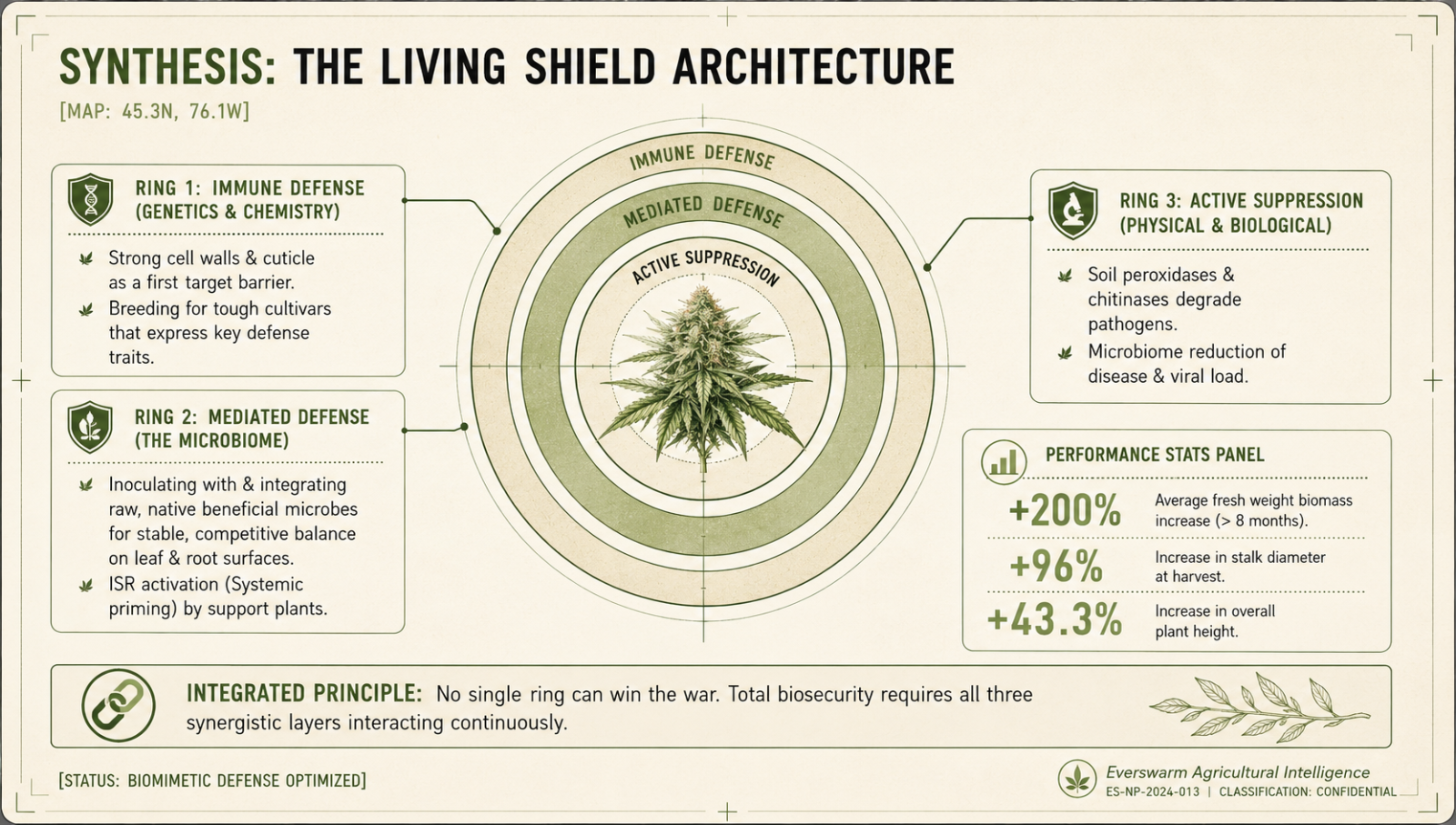
Figure 13. Synthesis: the living shield architecture. A continuous cycle—prevent, identify, intervene across domains, rotate, monitor—rather than a one-time fix.
Infographic: Zenthanol Consulting / Everswarm.
A Note for European Growers
As cannabis cultivation intensifies across Europe—Germany alone cultivated roughly 7,000 hectares of hemp in 2022, with new home-grow legislation driving further expansion—the pest landscape is shifting. A 2025 study from Germany’s Julius Kühn-Institut warned that crop intensification is bringing new pathogens into European greenhouses, including virus threats carried on imported seed stock and whitefly-vectored diseases like Lettuce Chlorosis Virus.
The European hemp borer (Grapholita delineana), historically a major pest in southeastern Europe (Romania, Hungary, Ukraine), poses an increasing threat as hemp acreage expands; related tortricid moths are also pests of hops in some regions. European growers should monitor for it and weigh appropriate options for both large- and small-scale cultivation.
The EU regulatory framework for biocontrol agents remains complex—approval of a new organism can take 7–9 years and cost €2–5 million under current rules—but the direction of research is clear: biological and biorational controls can displace pests more efficiently given the right support, and the growers who master them now will hold a decisive advantage against an evolving threat profile.
None of this happens in isolation. The same budworm lineages that hybridize in the Americas, the same hazardous-pesticide gaps that select for resistance, and the same cannabis and hemp acreage now expanding across Europe are all part of one connected system. A pest selected for resistance on a Brazilian cotton field or a Chinese corn crop is only a shipment away from a European greenhouse.
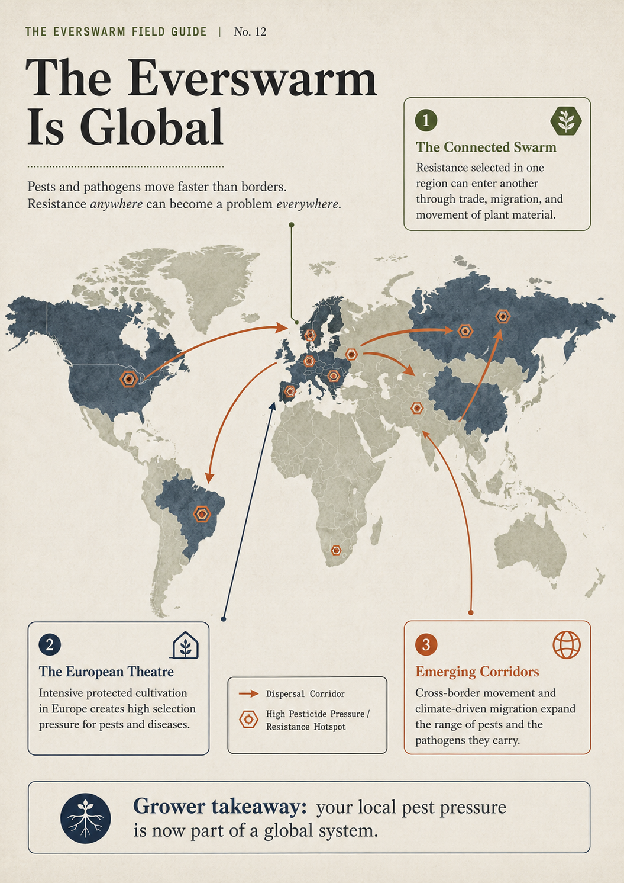
Figure 14. The Everswarm is global. Budworm dispersal corridors, highly-hazardous-pesticide pressure, and cannabis/hemp commercial zones link the Americas and Europe into a single connected battlefield—which is why resistance that appears in one region rarely stays there.
Map: Everswarm / Zenthanol Consulting. Basemap: Natural Earth. Data: Gates deck (slides 15–18), Anderson et al. 2018, and Munir 2023.
Winning the War Before It Starts
Matt closed his Everswarm presentation in the Netherlands with a line from Sun Tzu’s Art of War: “Victorious warriors win first and then go to war, while defeated warriors go to war first and then seek to win.”
I love that, but I would put it in grower terms: the best pest management happens before you ever see a pest. It happens when you choose your genetics. When you set up your screens. When you inoculate your soil. When you plan your scouting schedule. When you build your toolkit not around a single product but around a strategy that expects the enemy to adapt—because it will.
The Everswarm never rests. New resistance genes appear in the field within seasons. New hybridization events redraw the global pest map. New molecules emerge from research labs every year. None of that is something to fear. It is something to plan for. The growers who will still be standing in five years are the ones who built their strategy around adaptation, not around any one product.
Matt brings the science—a precise understanding of pest capabilities paired with a scientist’s respect for evidence. I bring four decades of watching growers fight these battles in the field, often with inadequate tools and incomplete information. Stefan Meyer brought us together and helped translate one to the other. Take what you can use, share what works, ignore the rest, and—always—grow smart, grow informed, and stay one step ahead of the swarm.
— Jorge Cervantes, Matthew Gates, and Stefan Meyer
Sources & Key References
- Munir et al. (2023). “Occurrence and Distribution of Common Diseases and Pests of U.S. Cannabis: A Survey.” Plant Health Progress.
- Kyle M. Benowitz, Carson W. Allan, Benjamin A. Degain, Xianchun Li, Jeffrey A. Fabrick, Bruce E. Tabashnik, Yves Carrière, Luciano M. Matzkin bioRxiv 2021.11.09.467966; doi: https://doi.org/10.1101/2021.11.09.467966
- Ahmed et al. (2024). “Arthropod and mollusk pests of hemp.” Journal of Integrated Pest Management.
- Anderson et al. (2018). “Hybridization and gene flow in the mega-pest lineage of moth, Helicoverpa.” PNAS 115(19):5034–5039. doi:10.1073/pnas.1718831115.
- Jin M, North HL, Peng Y, Liu H, Liu B, Pan R, Zhou Y, Zheng W, Liu K, Yang B, Zhang L, Xu Q, Elfekih S, Valencia-Montoya WA, Walsh T, Cui P, Zhou Y, Wilson K, Jiggins C, Wu K, Xiao Y. Adaptive evolution to the natural and anthropogenic environment in a global invasive crop pest, the cotton bollworm. Innovation (Camb). 2023 May 30;4(4):100454. doi: 10.1016/j.xinn.2023.100454. PMID: 37388193; PMCID: PMC10300404.
- Frantzeskakis et al. (2018). Transposon-rich genome architecture of powdery mildews. BMC Genomics.
- Stack et al. (2024). CsMLO loss-of-function and powdery mildew resistance in hemp ‘FL 58’. Molecular Plant-Microbe Interactions. doi:10.1094/MPMI-04-23-0043-R.
- Lobato C, de Freitas JM, Habich D, Kögl I, Berg G, Cernava T (2024). “Wild again: recovery of a beneficial Cannabis seed endophyte from low domestication genotypes.” Microbiome 12:239. doi:10.1186/s40168-024-01951-5.
- MacWilliams et al. (2025). CBDVA as a cannabis aphid deterrent. Journal of Cannabis Research. doi:10.1186/s42238-025-00291-x.
- Hadad et al. (2019). First report of Lettuce Chlorosis Virus in cannabis (Israel). Plant Disease.
Additional primary citations (CBDVA full text, the 2024 barley VOC priming study, and the 2026 Plant and Soil plant–soil feedback paper) are being finalized for the editor.
About Matthew Gates
Matthew Gates is an Integrated Pest Management specialist and the founder of Zenthanol Consulting (Zenthanol.com), providing global grower support since 2010. He has contributed chapters to academic publications from Taylor & Francis, Elsevier, and CABI, and is a staff writer for SKUNK Magazine. His Zenthanol YouTube channel (youtube.com/@zenthanol) features in-depth PestPrimer presentations on cannabis pests and pathogens. Follow him on Instagram @Synchangel.
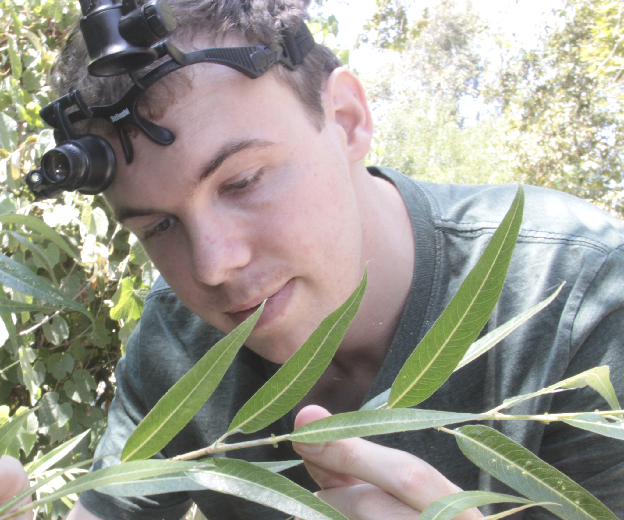
Matthew Gates, Zenthanol Consulting.
Photo: Zenthanol Consulting.