



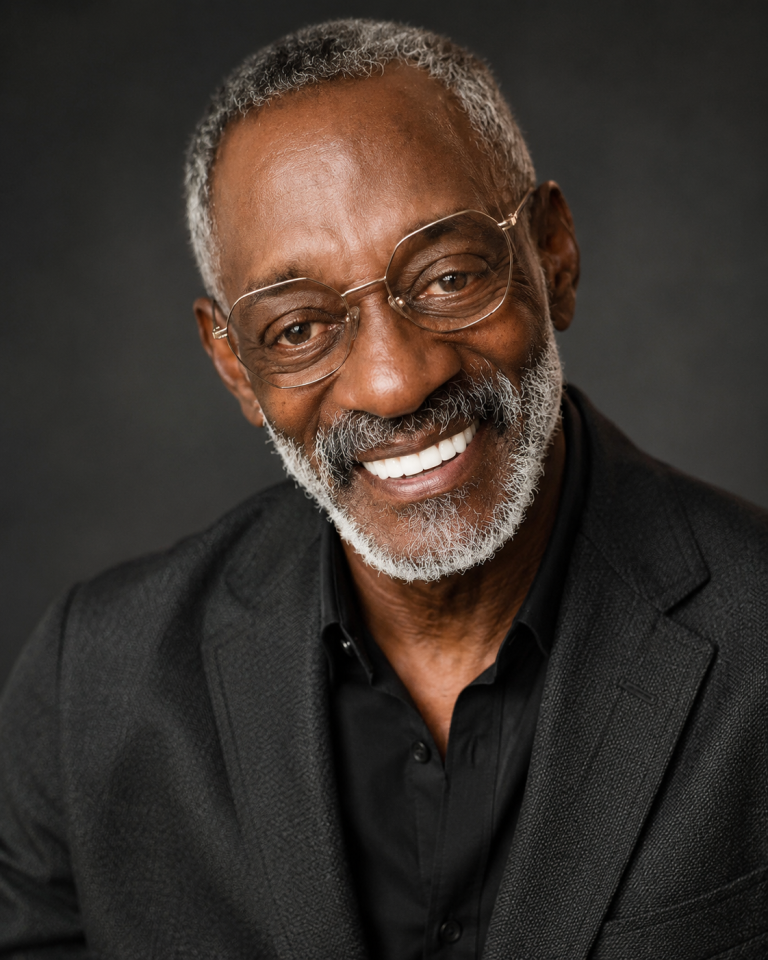
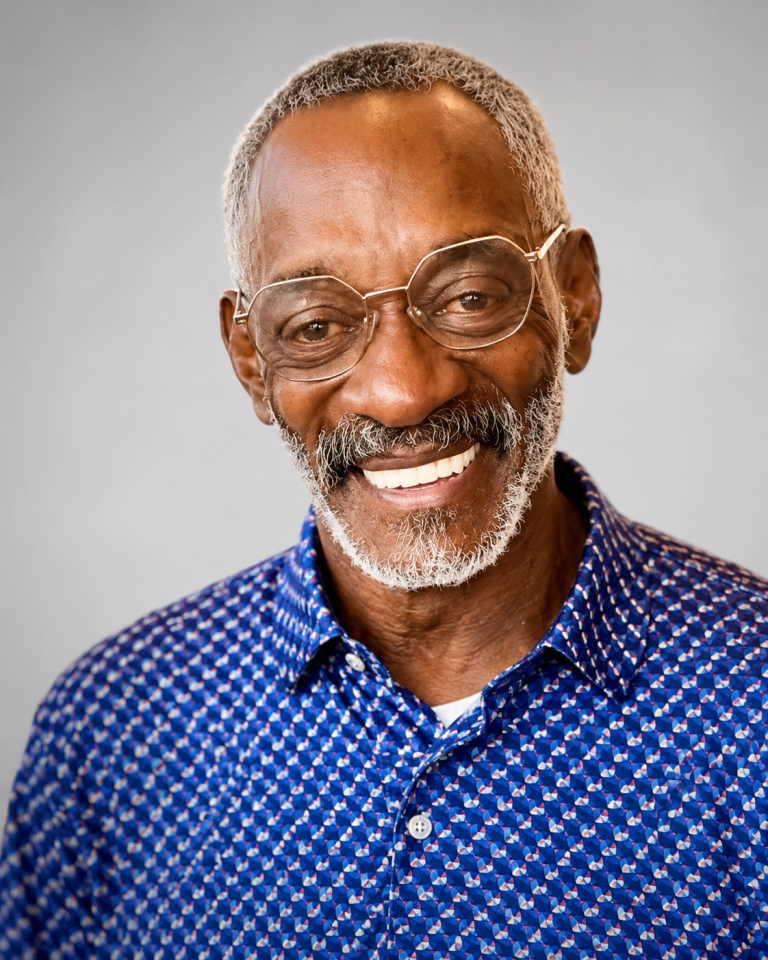
From his first joint overlooking San Francisco to “happy smoke” in Vietnam, backyard plants in Inglewood, postal routes, Amsterdam coffeeshops and today’s legal dispensaries, Vernell “Pop Snoop” Varnado has lived through nearly every era of modern American cannabis culture.
Vernell Varnado remembers the date he arrived in California.
“August 28, 1966,” he says.
He had left Mississippi for San Francisco, trading the small Southern town where he grew up for a city on the verge of becoming the center of a cultural upheaval. The Human Be-In was still months away, the Summer of Love had not yet been named, and Haight-Ashbury had not fully entered the national imagination. Muhammad Ali was the world heavyweight champion, and the Berlin Wall was five years old.
Varnado did not know much about cannabis at the time. Until some friends picked him up one night.
“They took me across the Golden Gate Bridge,” Varnado recalls.
Someone had cannabis packed inside one of the red-topped matchboxes commonly used to hold flower at the time. A box cost $10. The choices included Acapulco Gold and Panama Red.
“That’s really the best weed I ever had, man, to be honest with you,” he says.
The instruction was simple: take two hits and pass. The weed was strong enough that nobody needed to hold onto the joint.
“You take two hits, and if you’ve got two or three guys in the room, you pass it to the next guy,” Varnado says. “You were blessed, man.”
Varnado is better known to much of the world as “Pop Snoop,” the father of Snoop Dogg. But when he tells the story of his life, celebrity is rarely the organizing principle.
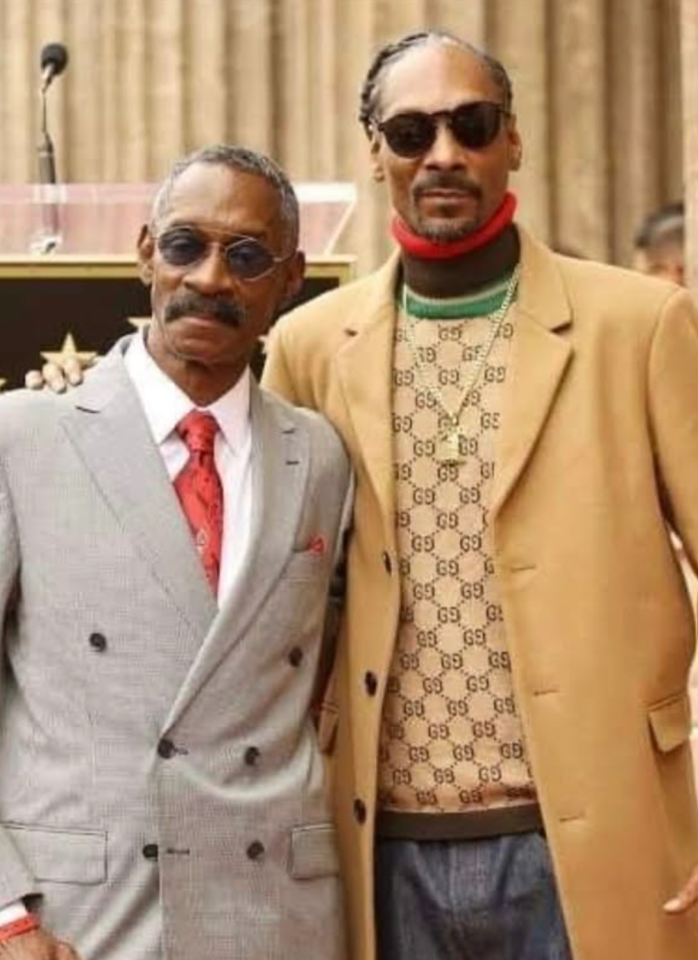
Cannabis is a more consistent thread.
It was there in San Francisco before the Summer of Love. It was waiting in Southeast Asia when Varnado arrived in Vietnam. It followed him through military service, homeownership, postal work, Detroit, Amsterdam, retirement, and the rise of the regulated dispensary economy.
He has watched cannabis move from matchboxes exchanged between friends to branded jars displayed beneath bright retail lights. He has seen it treated as contraband, soldiers’ comfort, backyard agriculture, counterculture, medicine and investment opportunity.
Yet the way Varnado judges cannabis has barely changed. He does not begin with THC percentages, laboratory results or terpene profiles. He remembers how the flower smelled, how little of it people needed, and how it made them feel.
‘Happy Smoke’ in Vietnam
Varnado arrived in Vietnam in June 1968.
The men already stationed there had a name for newly arrived soldiers: FNGs, or “fucking new guys.”
Before long, Varnado and the other newcomers were asking the soldiers preparing to leave where they could find cannabis. They were directed to a local woman he remembers as “Mommy-san.”
The soldiers found her and bought a large bag of cannabis for $15 in colorful South Vietnamese piastres. It was not an insignificant amount of money in 1968, but the bag was large enough to keep the squad smoking for a month.
The soldiers came from different parts of the United States, New York, Chicago, Baltimore, and cities across the South and West. They carried different cultures, accents and habits with them, but many found common ground in cannabis. Far from home, the plant offered a shared ritual and a few hours of laughter.
In Vietnam, Varnado says, cannabis was called “happy smoke.”
“It ended up being so high, I forgot I was in Vietnam. That’s how high it was.”
Vernell “Pop Snoop” Varnado
“Vietnam was a drug war,” he says. “Everybody was getting high.” He says some soldiers from the East Coast favored heroin or cocaine. Men from the South were more likely to drink. Soldiers from the West Coast tended toward cannabis, pills or psychedelics.
“My preference was weed,” he says.
Rolling papers were not always available, so Varnado improvised with what the environment provided. Vietnam had bamboo, and the men turned it into homemade bongs.
“The guys who had been there for a while, they made their own bongs,” Varnado says.
He also remembers soldiers using gas masks to concentrate smoke, a cousin of the shotgun scene Oliver Stone would put on screen years later in Platoon.
“You put the gas mask on and tighten it up,” he says. “The guy blows smoke through the vents. All of a sudden, you can’t see your face. You take it off, and you’re blasted.”
“Once you got wounded, you could smoke all the time,” he says.
Varnado was wounded three times during his single tour.
And among all his memories of Vietnam, one cultivar remains distinct: Cambodian Red.
“Cambodian Red is the best weed I’ve had there,” Varnado says.
None of these memories are expressed in percentages. He does not know, or care, how the flower would have scored on a modern potency label. He remembers the experience.
“Cambodian Red,” he says. “That’s the only thing I miss about Vietnam.”
Coming Home
Varnado returned to the United States in June 1969 and spent roughly six more months stationed at Fort Bliss in Texas, near the Mexican border. On weekends, he and other soldiers crossed into Juárez.
“We smoked a lot of weed in Juárez,” he says. “Back then, there wasn’t any drug testing.”
Cannabis remained part of his life after the military, but the country around him was changing. The counterculture that had been concentrated in places like San Francisco was spreading, and use was becoming more visible even as arrests and enforcement continued.
Varnado did what many veterans and working-class Americans of his generation were expected to do after returning home. He found stable employment, established a household and bought property.
In 1975, he purchased his first home in Inglewood, California, for $32,500.
And then he planted cannabis in the backyard.
His father had run a landscaping business for 48 years, and Varnado grew up learning how to work with plants.
“I’ve got a green thumb,” he says. Back then there were no branded nutrient schedules, climate-control systems or cultivation dashboards. He planted directly in the soil, added fertilizer and made sure the plants got enough California sun.
“My weed was bomb. I didn’t have to buy any weed.”
Vernell “Pop Snoop” Varnado
Today, he no longer grows. “My thing now is just buy enough for me and keep stuff at home,” he says. “I use it for my own personal use.”
The Mailman
Before touring the world with his son, appearing in films or building his own public platform, Vernell Varnado carried mail.
He began working for the United States Postal Service at a time when a government job could change the course of a Black family’s life. Private employers still closed many doors to Black men, and well-paying urban jobs were increasingly moving beyond the neighborhoods where they were permitted or able to live.
The Post Office offered something comparatively rare: hiring through civil-service examinations, dependable wages, benefits and a potential route into the middle class. A stable, documented income could also make it easier to qualify for loans and purchase a home, even as discriminatory lending and housing practices continued to restrict where many Black families could live.
By 1967, the postmaster general was describing the Post Office Department as the country’s leading employer of Black workers in twelve major cities. In Detroit, Chicago, Washington and Los Angeles, Black employees made up 70 to 80 percent of the postal workforce.
“When I first came to the post office, I was making $3.25 an hour,” he says. “Minimum wage was $1.10. In my first apartment, I was paying $110 a month for rent.”
The work gave him a route, a uniform and a place in the daily life of a neighborhood. Once a mail carrier had an established route, Varnado says, everybody knew him.
“Once I left the post office, I was out there by myself,” he says. “All I did was deliver my mail, make sure everybody got their mail on time.”
His route included people who sold cannabis.
“A lot of guys on my route were weed dealers. I would stop by and smoke with them after I finished my route.”
Vernell “Pop Snoop” Varnado
“As long as you delivered your mail and people weren’t calling in saying, ‘The mailman is late,’” he says.
Varnado’s postal memories are not all about cannabis. They include friendships, girlfriends, long walks, and more than a few women who, he says with a laugh, appreciated a mailman with a steady paycheck. Beneath the stories sits a portrait of a form of working life that has become increasingly difficult to imagine.
He could work a stable job, rent an apartment, purchase a house and build a future without extraordinary wealth.
“You could leave one job and go to another job,” he says. “Jobs were all over the place.”
The Inglewood house he bought for $32,500, he says, would now be worth roughly $850,000.
“To me, it doesn’t make sense,” Varnado says.
Years later, he bought a home in Georgia with a basement, three bedrooms, a three-car garage and two acres of land for $186,000. That is what he measures opportunity against.
To him, a legal cannabis industry should create the kind of stable jobs that let ordinary people buy homes, raise families and build a future.
When he visits dispensaries today, he sees young employees working in a business open seven days a week.
“They’re all young people,” he says. “They make decent money because people come to those dispensaries every single day. It’s nonstop.”
Weed Before the Numbers
The cannabis sold in modern dispensaries is measured, tested, named and divided into product categories that would have been unrecognizable when Varnado first crossed the Golden Gate Bridge.
He has visited contemporary grow facilities and seen the lighting systems, the fans, the stacked pots, air filters, HVAC units and schedules used to supply the legal market. And yet he is not particularly impressed by the abundance of names.
“Birthday Cake, orange this, orange that,” he says. “I’ve never seen so many different names for weed in my life.”
The names change. Prices change. Potency levels rise and fall. Varnado returns to a simpler judgment.
“We called it skunk back in the day,” he says. “You know good weed by the way it smells.”
After retiring from the Postal Service in 1996, while traveling with Snoop, he walked into a coffeeshop in Amsterdam’s Red Light District. The menu listed a name he had not seen in decades: Panama Red.
“That’s the first thing I bought,” he says.
“I smoked it, and it was the same thing I smoked back in 1966. I wish they could bring it back.”
Vernell “Pop Snoop” Varnado
Legal Weed
Varnado now lives in Arizona, where adult-use cannabis is legal. He sees legalization as one of the most consequential changes in the plant’s modern history, particularly for older consumers.
“People don’t have to duck and hide and worry about getting pulled over,” he says.
When he visits Arizona dispensaries, he notices how many customers are his age. Some use cannabis for relaxation. Others seek relief from medical conditions. Some have moved away from alcohol.
The common experience, Varnado says, is the ability to enter a store and purchase cannabis without fear.
“One of the best feelings in the world is getting up in the morning and saying, ‘Hey, man, I’m going to buy some weed.’ I can buy it with no problem. I can buy as much as I want with no problem.”
Vernell “Pop Snoop” Varnado
He smokes every day, although not at the pace he attributes to his son.
“I don’t smoke like my son,” Varnado says. “They smoke 24/7, 365.”
The people who once bought matchboxes of imported flower, smoked through the counterculture years and risked arrest under prohibition are now walking into licensed stores as senior citizens.
“We love it, man,” Varnado says. “We’ve got money. We ain’t broke. The weed is cheap, and it’s good.”
Good, however, is not the same as unforgettable. He still wants Panama Red.
Three Generations
Varnado’s grandchildren call him, check on him and keep him connected to the world around them. Several have entered cannabis or cannabis-adjacent businesses of their own. He speaks about them with more pride than he expresses about any personal venture.
“I’ve got the best grandkids in the world,” he says. “I took all of them to school on how to make money and what to do with it.”
He emphasized homeownership, business ownership and long-term financial security. His grandchildren, he says, run their own businesses. “Rather than pushing a clock, they’re all homeowners.”
“I let them know where I came from,” Varnado says. “All my dad’s people had their own businesses in Mississippi during the civil rights movement.”
For Varnado, that history established expectations. His grandchildren were supposed to understand that entrepreneurship, discipline and self-determination were part of the family before celebrity arrived.
“They have young minds,” he says. “I’m constantly getting educated.”
‘That’s His Platform’
Varnado has been beside Snoop for more than three decades, watching him grow from a young Long Beach rapper into a global icon. Yet he rarely appeared in public.
“I’ve been with Snoop through his whole career since ’92,” Varnado says. “People never see me.”
“I’m not the type of father that looks for the spotlight,” he says. “That’s his platform.”
Now, at 76, Varnado is stepping into one of his own. He has appeared in films, including All Eyez on Me, is pursuing additional acting projects, and regularly takes speaking engagements and public events.
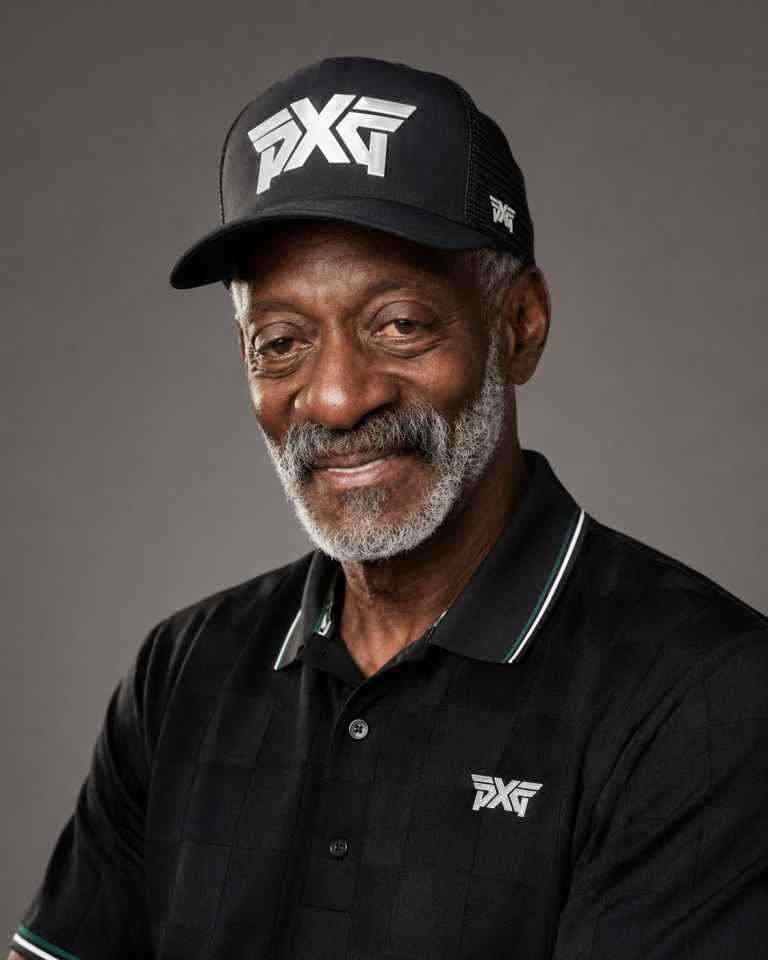
“When you become famous, you pay a price for it,” he says. “Everybody wants to be around you.”
If success comes, he already knows what he’ll do.
“If I become famous, I’m going to film my movie, take my ass home, close my doors, go on my back porch, carve me a piece of meat, and smoke some weed.”
The Memory of Good Weed
“Don’t forget to put Panama Red in there,” he says before we hang up.
People his age will recognize the name immediately, he explains. Acapulco Gold. Cambodian Red. Younger readers may not know any of them at all.
That’s the point. Sixty years of cannabis history sit between that matchbox on the far side of the Golden Gate Bridge and the dispensary he walks into on a Tuesday in Arizona. He can buy as much as he wants now, legally, and he still cannot buy the thing he remembers.