






There is no registry, no copyright and no authority. Six breeders on how a plant gets its name, who has the right to give it one, and why the market is drowning in names that mean nothing.
Among a seed bank’s spreadsheets, life finds its way through a succession of cold codes: F2, BX1, phenotype #4… Numbers that correspond to Mendel’s laws, humidity percentages, and weeks of flowering. But outside, on the street, at the club counter, or in the intimacy of the indoor grow, the plant needs a soul. And that soul, in the modern market, begins to be built from its very inception, starting with a name.
That’s why naming a cannabis strain is an act that oscillates between the brilliance of the alchemist and guerrilla marketing. There’s no civil registry office for plants that smell like diesel or tropical fruits, but there are unwritten rules that separate an ordinary cross from a legendary strain.
Who Gets to Name It
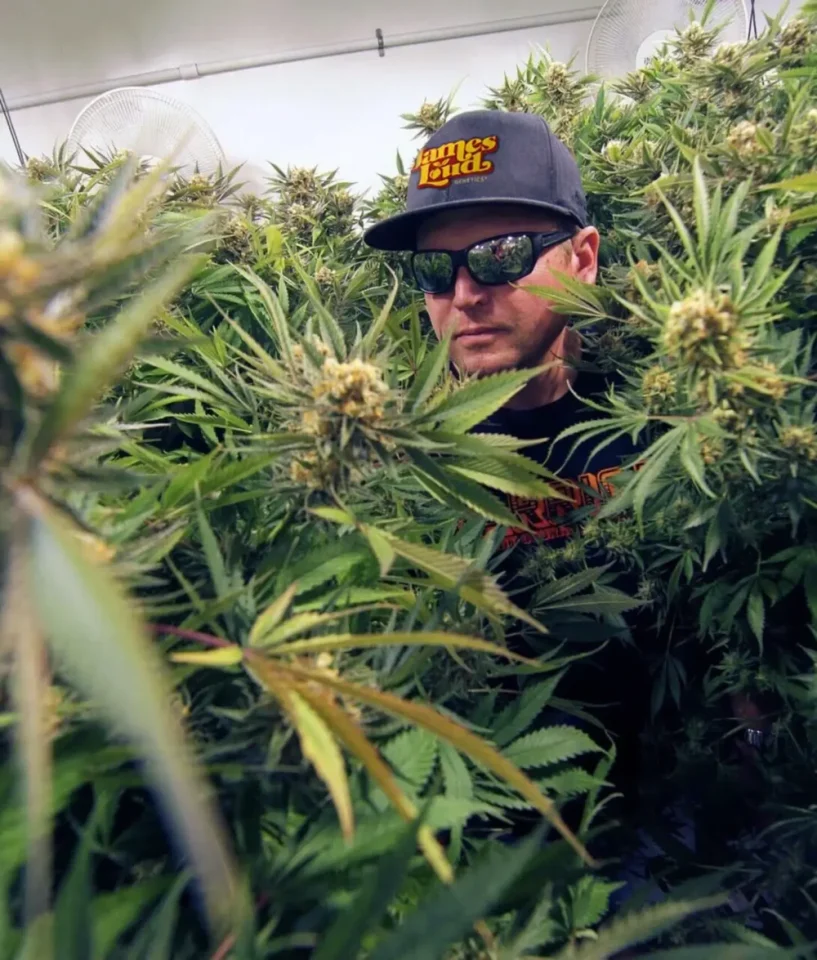
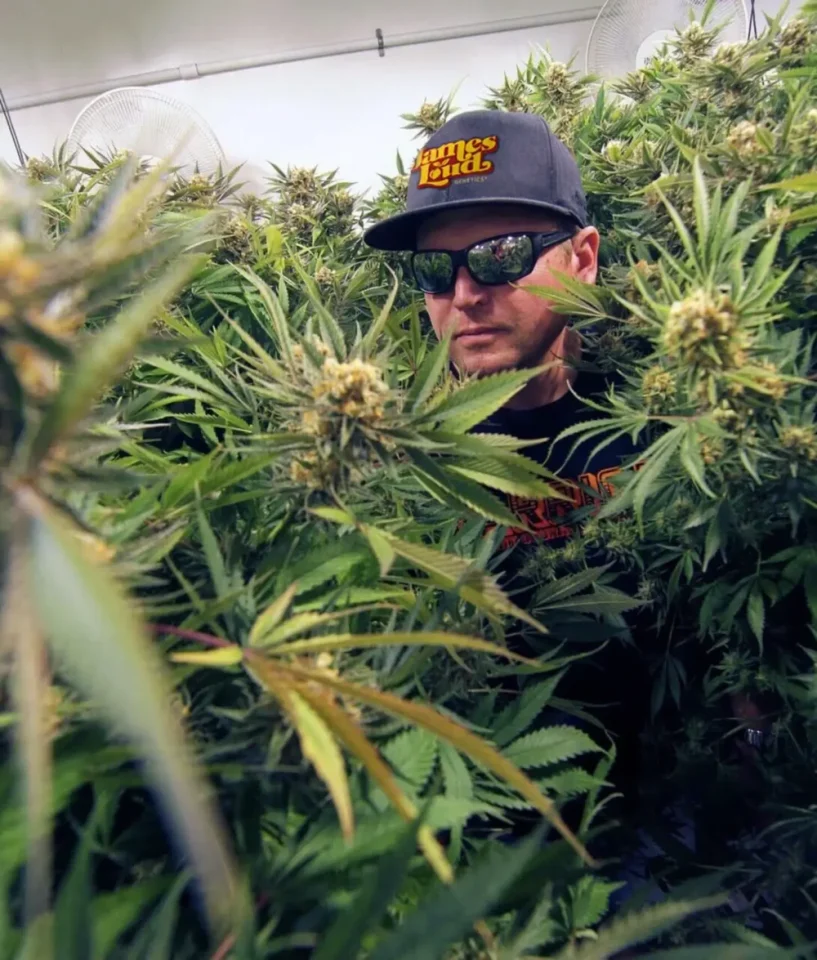
So, who names the strains? Short answer: the breeders. And more often than not, those names are derived from the parent strains and the crosses that came before them, which provide clues about tastes, aromas, potency, or growth. James Loud, of James Loud Genetics, maintains that “the breeder who creates the cross should name the variety, because they defined the genetic intent and direction.” On the other hand, he acknowledges that if a grower selects a unique phenotype, they have the right to name it as long as they credit the original breeder, because “breeding establishes the framework, but selection is where expression becomes reality.”
In truth, since there is no global regulatory framework, there is no international system available for registering names, nor are there strict guidelines in this regard. Legendary grower Jorge Cervantes recalls that there are cases where the naming responds purely to marketing: “In the case of Jack Herer from Sensi Seeds, it was previously called Four Way. It was an exceptional plant, and they wanted to give it a boost. They changed the name, and everyone was growing it.” Many strains are, let’s say, effectively christened. Their names end up recorded in available public registries or simply on the front lines of the marketplace.


For Denise Yacar, breeder at Mamuaseeds, the name is the tool that fixes identity in a legal nebula that is only now beginning to clear. “Historically, the only thing that could last was precisely the name, almost like a brand,” she explains. Before the explosion of social media, genetics traveled almost exclusively through oral tradition. The name was the brand. Names like AK-47 or Skunk became totems of the 420 universe. Cervantes adds that Skunk #1 was named by David Watson (Sam the Skunkman), but that other names are born from geography. For example, “Williams Wonder comes from Williams, Oregon.” There, technical traceability mattered little if the name managed to colonize the collective memory. If it sticks, it sticks.
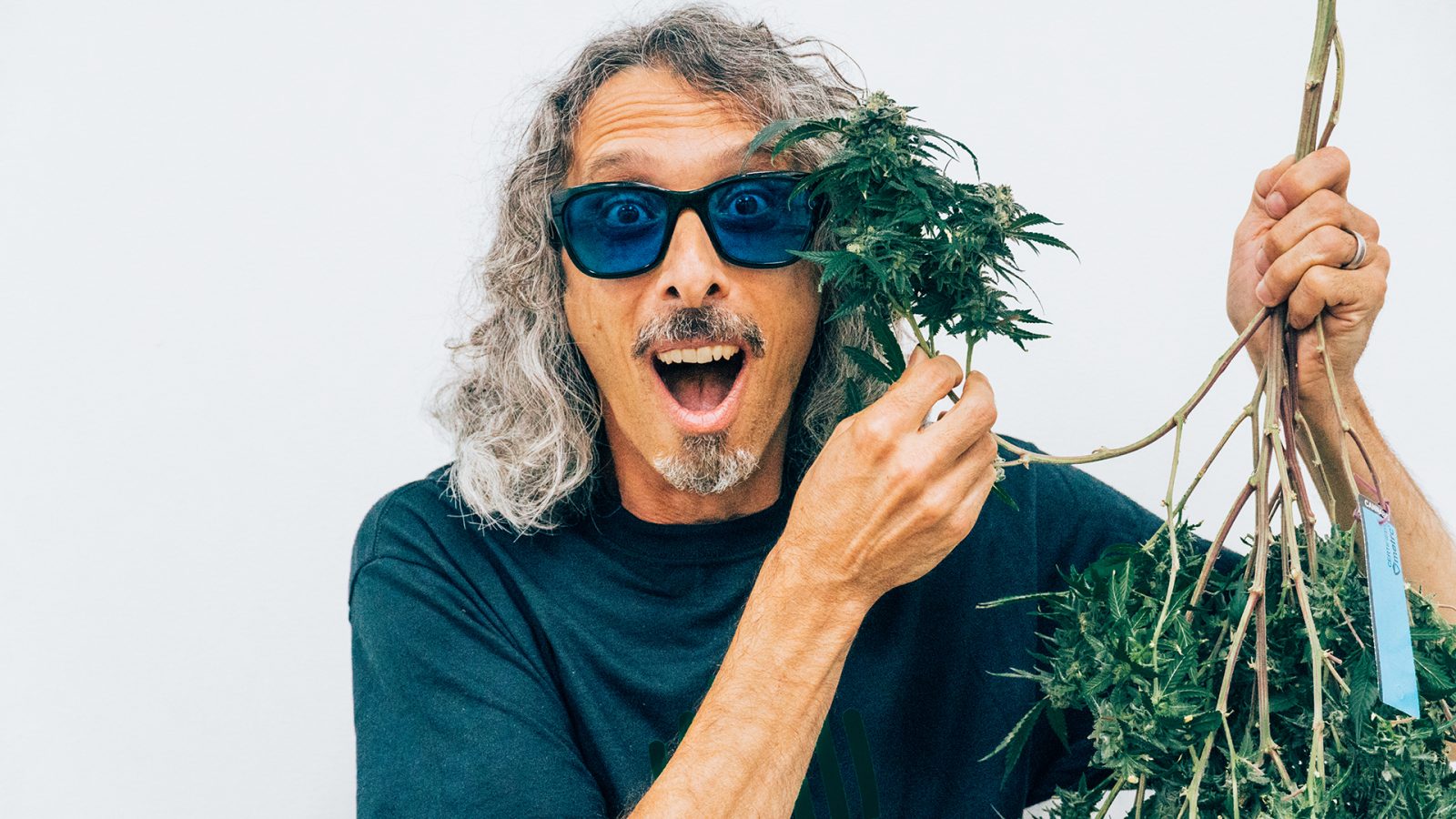
However, the creative process is often the inverse of commercial urgency. First comes the clay, then the words. “In the actual practice of plant breeding, plants don’t have names: they’re codes, acronyms, phenotype numbers,” says Yacar. But there’s always a plant that breaks the mold. “That’s when the possibility of giving it a proper name begins to emerge,” she continues. For Kyle Kushman, breeder and journalist, this process is intuitive: “Many times, the name comes after trying the new strain. The flavor, color, or smell leads to a name that just suits the characteristics.”

Breeder Ramiro Gopar understands this same ritual: for him, the right to name belongs to those who get their hands dirty. “The one who does the fine work of selection and stabilization is the one lucky enough to name it,” he affirms. For him, the circle is completed with the “tasters” in his inner circle, the first to try to put into words what the resin evokes. Kushman agrees that if you find an exceptional female in a bag of seeds, even if you didn’t create it yourself, you can distinguish it with a proper name: “You used your own intuition and tastes to select a ‘keeper.’”
“Breeding establishes the framework, but selection is where expression becomes reality.”
James Loud, James Loud Genetics
Mother First, Father Second
So how is that label chosen? There’s a kind of cannabis heraldry. A widespread convention dictates that the mother’s name comes first, followed by the father’s. A tacit weed matriarchy. It’s a matter of lineage and transparency. Yacar exemplifies this with her Phantom Ice strain: a cross between a Phantom Cookies (mother) and a Jamaican Ice (father). Loud notes that this depends on the breeder’s style: “Some breeders prefer to clearly reflect the parentage in the name to preserve lineage transparency, while others take a more creative or brand-driven approach.”
But not everyone seeks explicit genealogy. Sometimes the goal is impact, synesthesia. For instance, Sergio Puerta of Black Tuna Seeds understands naming as a moment of creative epiphany. In his view, the name should act as a bridge to the flavor. Loud analyzes the duality: “A name like Blue Lobster says nothing about the plant itself, but it reflects the identity of the selector and the brand behind it. The plant defines the experience, but the name often defines the narrative.”
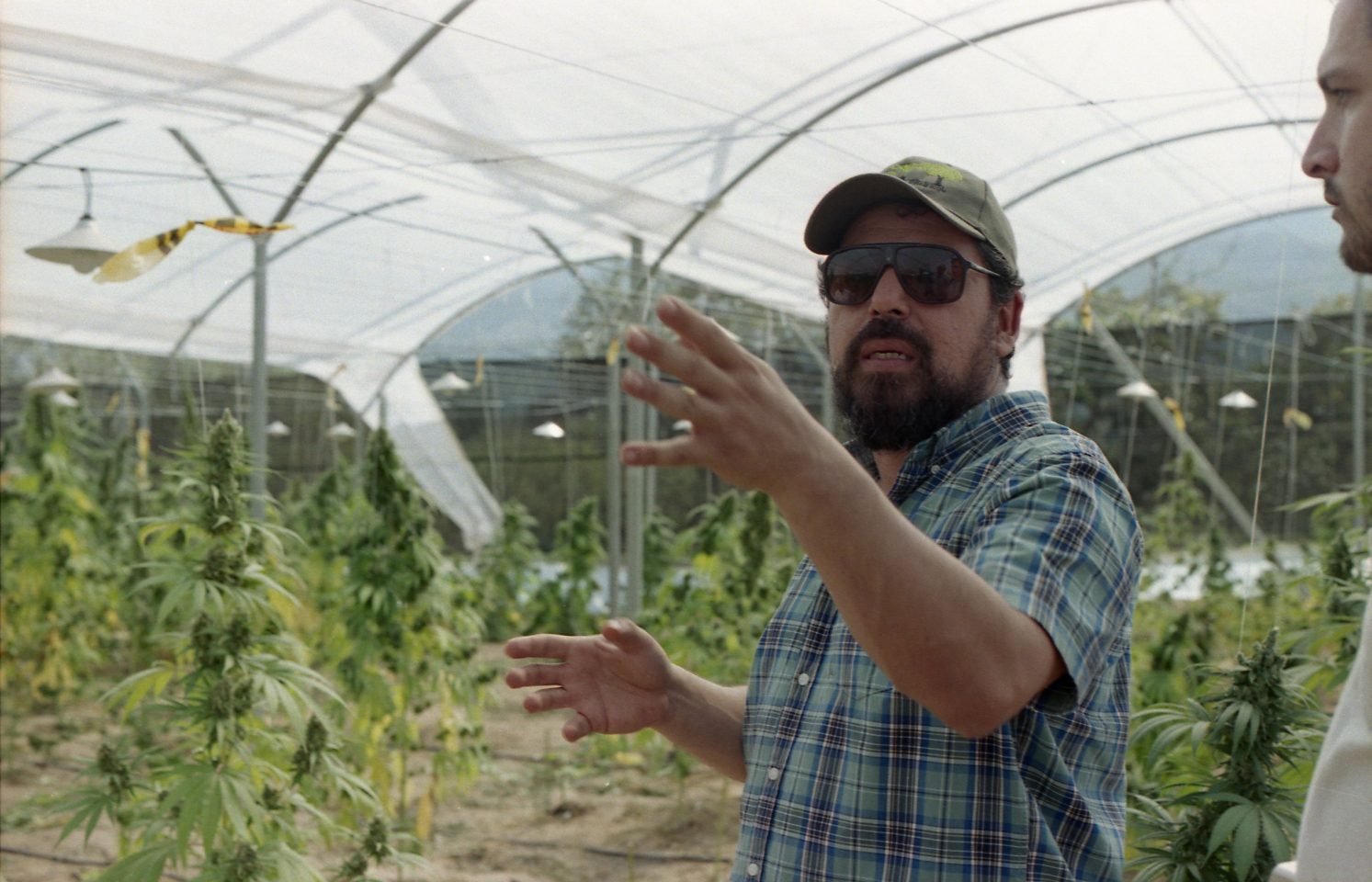
Meanwhile, as a branding tool, Black Tuna plays in the Spanglish and Latin identity league with names like Merengón, after the Colombian meringue dessert, or Kid Pambelé, after the Colombian boxer who became his country’s first world champion. In short: naming a strain Kid Pambelé isn’t just a tribute. It’s infusing the genetics with the force of a knockout punch. Ultimately, this twist gives the plant a biography, a direction, some DNA coordinates, and even a touch of pop culture magic.
Nobody Owns a Strain Name
In an industry that still has one foot in the underground and the other in the official registry, the name can also become a legal battleground. Yacar has encountered bureaucracies where the name must be a “commercial novelty.” On this point, Cervantes clarifies the technical difference: “An illegal plant cannot be patented in the United States, but the name can be trademarked. That doesn’t protect the genetics, only the name.”
Gopar warns that the cannabis world remains a gray area. “In practice, names are copied, reinterpreted, and trampled on.” And Loud is emphatic on this point: “There is no true copyright protection. Names get reused, repurposed, and sometimes outright taken, with little consequence.” In the end, the true “rights” are ultimately determined by the breeder’s reputation. The name is a promise, but if what’s inside the jar doesn’t live up to expectations, the label falls away on its own. Kushman adds that, in the absence of laws, “the strong ethical base of the Cannabis Community does a pretty good job of policing those who would take credit for the accomplishments of others.”
Name Inflation
The uncomfortable truth: the market is suffering from name inflation. Marketing often moves faster than genetic stability. “Today, the trend is very much driven by marketing. Everything indicates that it will continue moving towards trendy names rather than products with real genetic identity,” laments Yacar. Kushman views this commercialization with concern: “A lot of the ‘give credit’ kumbaya is being swept aside for Pokémon style in flashy mylar packaging. It’s going to get harder for enthusiasts to know where the strain they’re smoking really comes from.”
“A lot of the ‘give credit’ kumbaya is being swept aside for Pokémon style in flashy mylar packaging.”
Kyle Kushman
However, Gopar is optimistic and believes that growers are no longer so easily fooled. “I think a more honest era is coming: less empty marketing, more real identity.” Loud agrees that “the names that last will be attached to varieties that consistently deliver a high-quality experience.”
Thus, the success of a strain is not strictly measured by the audacity of its name, but by its ability to survive and spark a sense of wonder. For the future, Cervantes foresees a more scientific and controlled system, where “the difference between patented plants and those that are not will be significant.” Meanwhile, as Sergio Puerta says, it’s about “following the creative process.” When a plant adapts and the user chooses it again, the initial introduction has been successful. That’s when the plant ceases to be merely a symbol and becomes someone’s favorite, which is what truly matters in this whole story.