




It’s a great time to be an old-school hash lover. Award-winning journalist David Downs, a contributor to the “Beyond Buds” book and organizer of the 3rd annual SF Hash Week, rounds up 2026’s top traditional hashes in the world’s biggest legal market, California.
The small Solful retail store on Irving Street was packed and roaring with hash heads for day three of the third annual SF Hash Week on July 9. Inside, a longtime local smoker was giving me shit.
“For the first time, SF Hash Week has actual hash,” he shouted over the crowd.
Not vape pens, not dabs, not rosin, nor live rosin, BHO, shatter, batter, budder, sauce, or jam—straight-up old-school, clay-like, exotically fragrant, mind-melting hash. Temple balls. Tiny hard bricks. Little cosmetic jars of sand. Stuff an Arabian sheik from 900 A.D. would recognize.
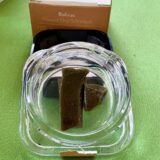
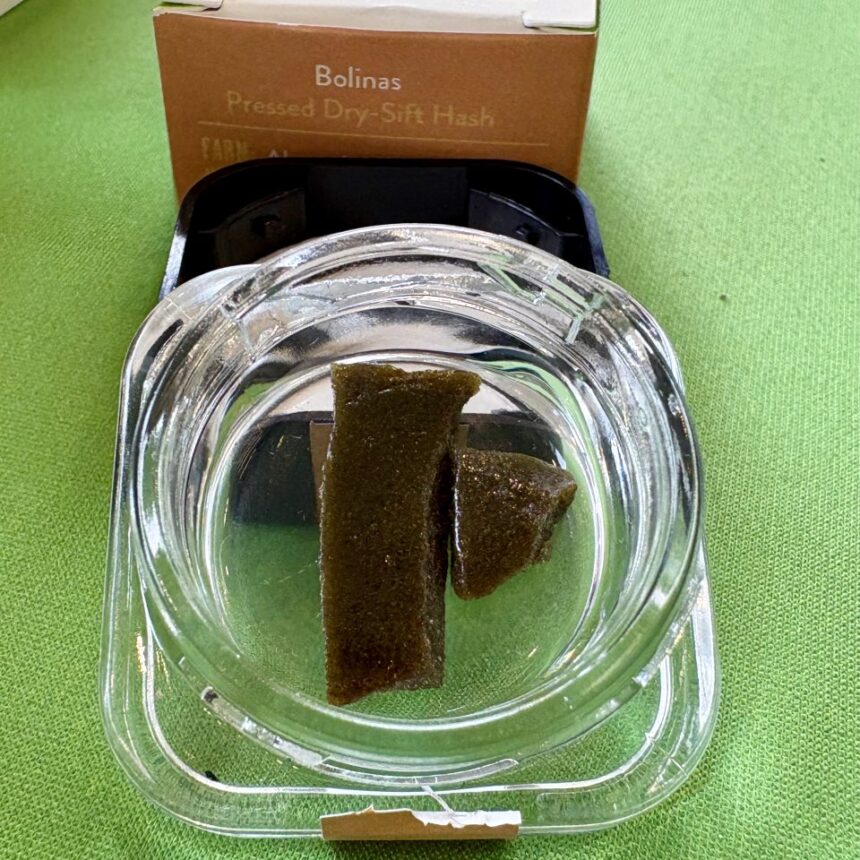
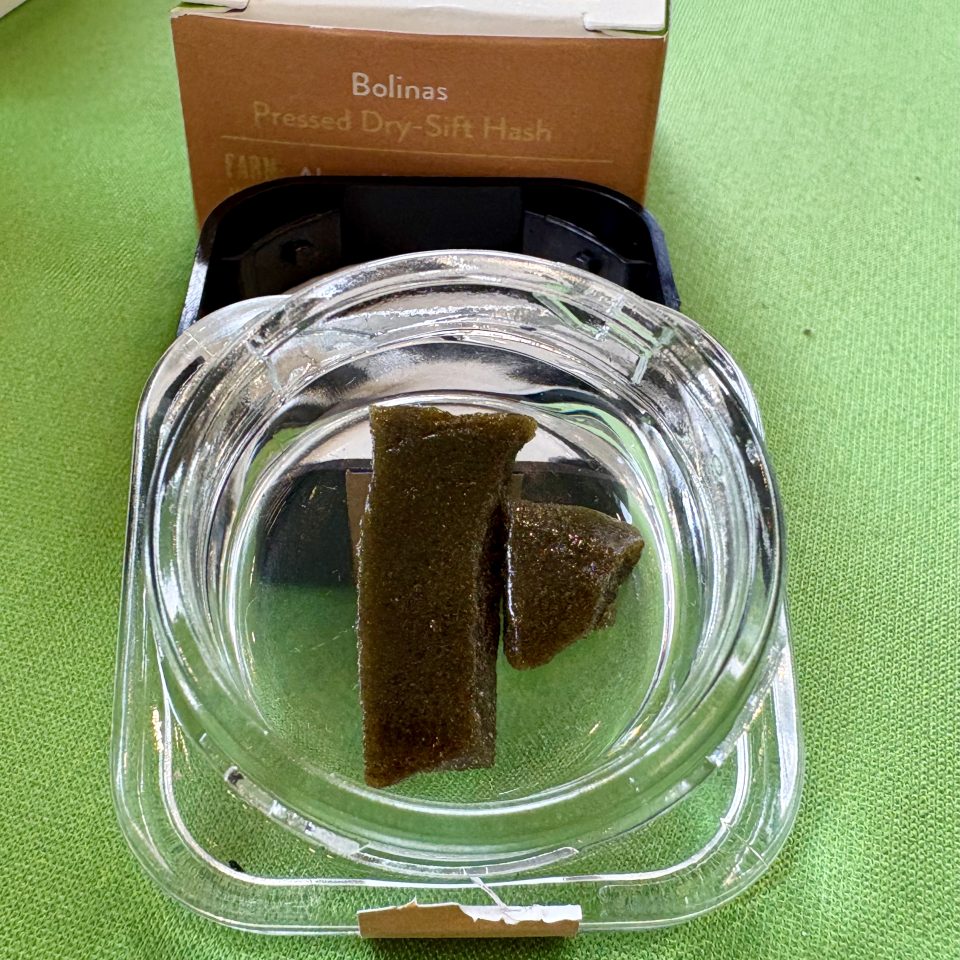
Solful debuted Alpenglow Farms-grown, Purple City Genetics-bred Bolinas (Orange 76 x Chimera Junky) in pressed dry-sift hash. This little dark Tootsie Roll smelled like strawberry jam, pastry dough, and orange blossom water.
Washed by Humboldt County legend Harry Rose, Solful also debuted Greenshock Farms Skunk Gas (Green Lantern x Double OG x Long Valley Royal Kush Skunk) pressed hash, and a hash blend, Tropical Trifecta.
“It’s the thing I’m most excited about,” said owner Eli Melrod. “You never see much pressed dry sift.”
The passion project was part of the store’s biggest in-house concentrate launch to date, timed to 7/10 or ‘Oil Day,’ and it proved a success. Concentrates were the No. 1 category of product sold that day, a rarity for the segment.
“The audience is buying,” Melrod said.
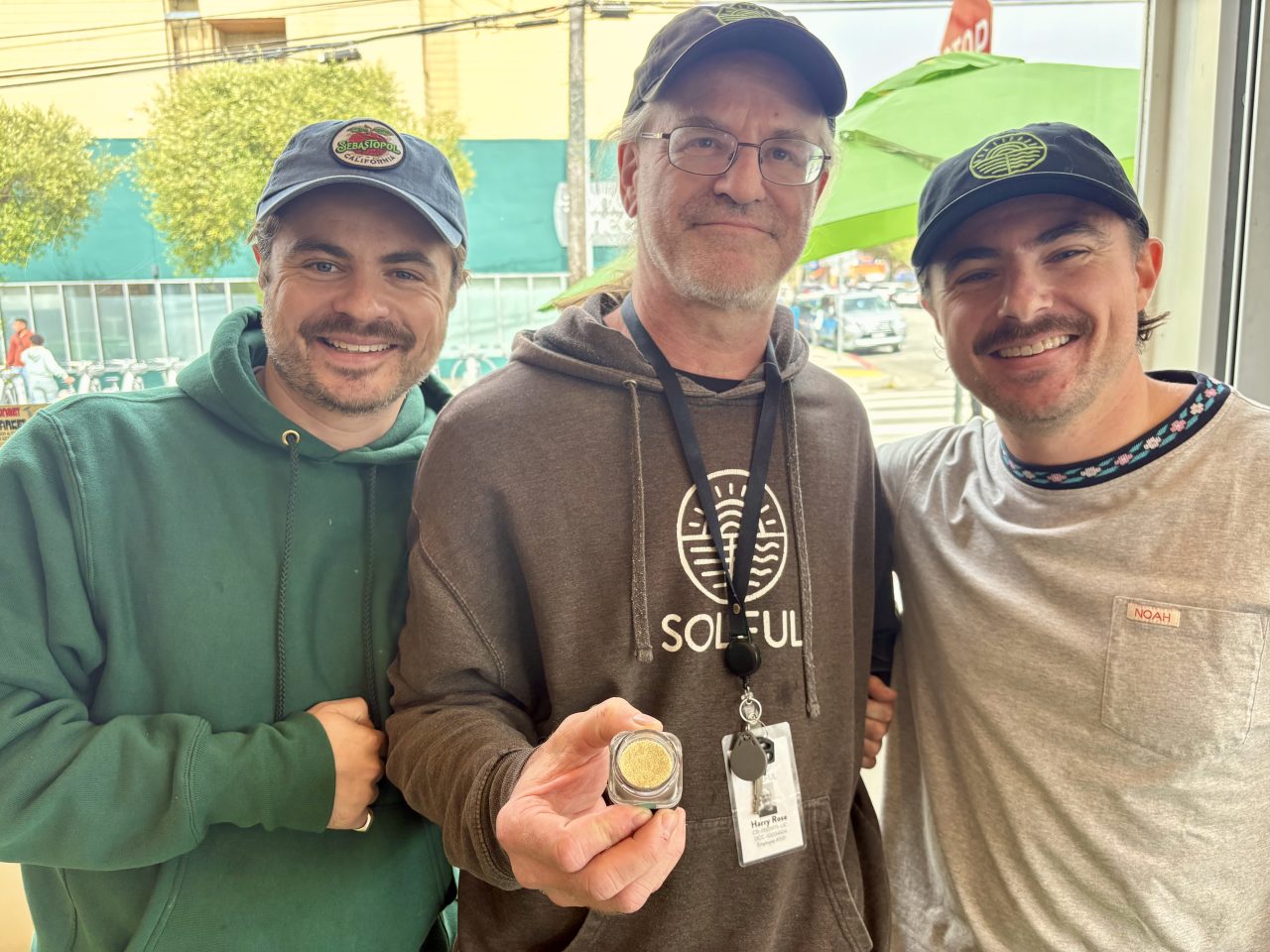
Reports of traditional hash’s death in California have been wildly exaggerated. Harry Rose, maker of the stuff for decades, agreed it’s a wonderful time to be a hash lover.
In the highly engaged world of connoisseur extracts, you can stay permanently elevated whilst sampling endless flavors from the state’s top brands. It’s more affordable and cleaner than ever. And on the traditional side, Cali hash is now flowing back into its historic source market: Europe and Morocco.
What we mean when we say “hash”
I’m talking about pressed and aged plant resin. You grow some dope, dry it, sieve it, and collect the external plant glands that get you high. It looks like a greenish flour or dust or pollen, and is called kief.
Then you heat-press that stuff until it congeals and becomes shelf-stable. You can smoke it in a small pipe, add it as a topper on flower, roll it into a ‘snake in the grass’ in some flower, or make a hash and tobacco spliff like the Euros do.
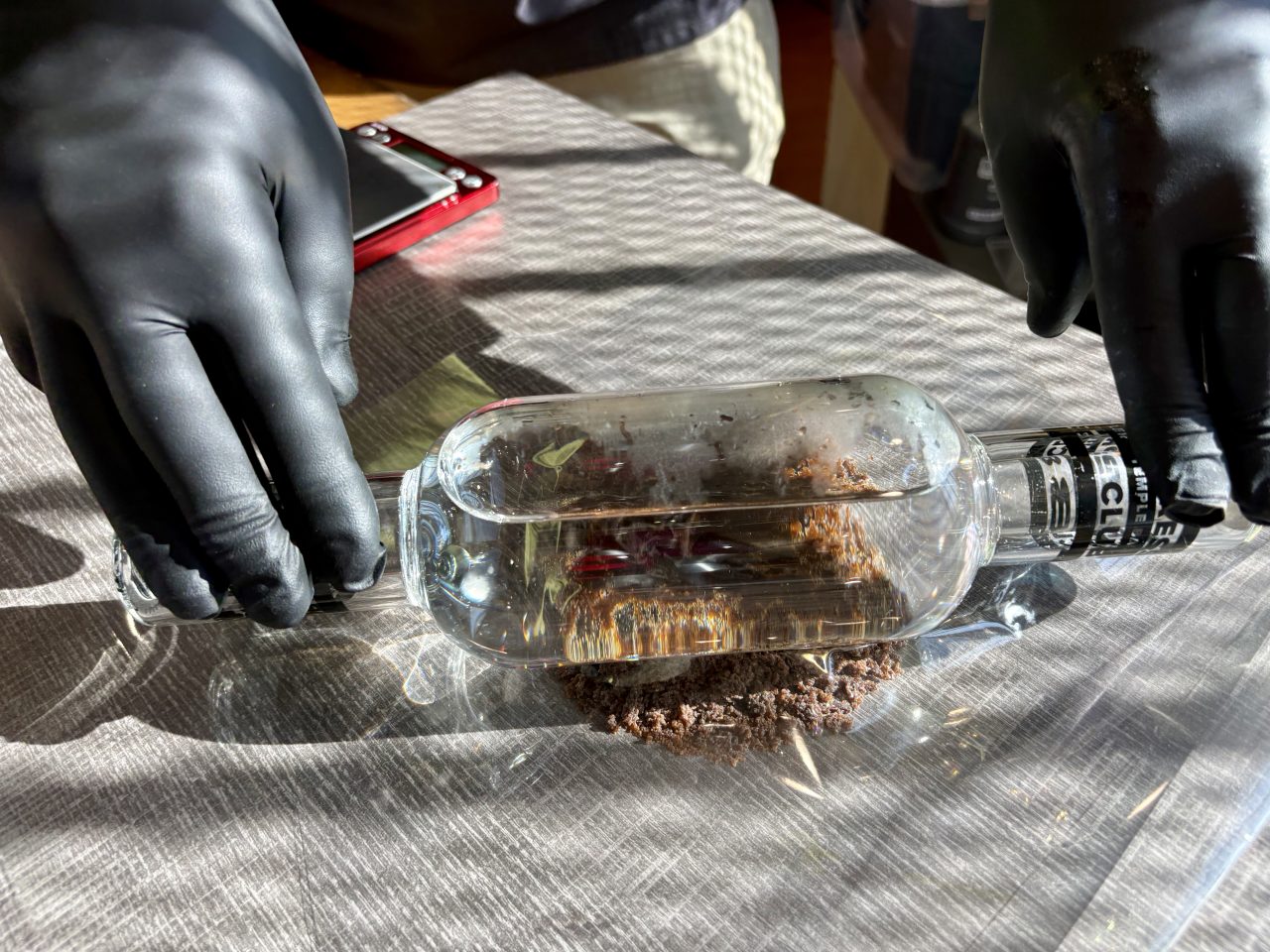

Properly stored hash can keep for years. The ancients transported the stuff across the Sahara Desert and vended it for half the medical conditions on the planet, or just a good time. Marco Polo related lurid tales about it.
Hash smells more earthy, spicey, incense-like, and aged than flower. And its effects tend to ramp more slowly, and hit deeper and more body than flower.
Acceptable variations can include unpressed hash, as well as hash made using fresh-frozen flower, or hash derived from ice water sieving (also known as “bubble hash”).
Nasha on the top shelf
The leading brand keeping old-school hash relevant in California is Arcata-based Nasha, the state’s top producer of quasi-traditional pressed hash. Nasha is sold in 600 stores and has made over 3 million grams total in the company’s history.
Nasha’s Baron Lutz said legal in-state demand is niche, and stable yet flat. Demand is linked to stasis in the dispensary scene. Eight years after legal sales started, only roughly 44% of California cities and counties allow dispensaries. That caps the total legal demand for traditional hash in the single-digit millions of dollars, Nasha’s Billy Aziz estimated.
“It’s neither contracting nor growing,” said Lutz. “The high end is seeing a little bit of growth, though.”
For Nasha, that high end is its ‘Onyx’ tier, including Strawnana (Bubblegum x Banana Kush), a 1.2-gram hand-rolled sphere of pressed live hash. Nasha uses hand-picked, sun-grown plants that are fresh-frozen. Nasha washes and sieves the buds in ice water and presses it to make what they call “live hash.”
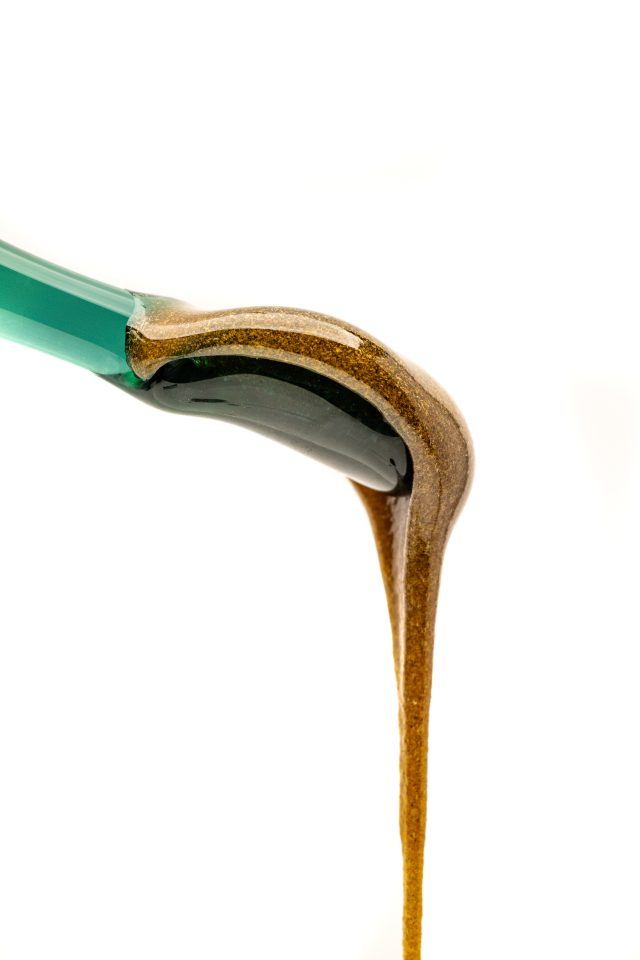
Nasha’s Onyx tier this year includes a special live hash that’s been cold-cured for 3½ years. “It’s this beautiful, blond, sugar consistency that’s wet to the touch [with terpenes],” Lutz said.
Alpenglow Farms grew the strain from breeder Biovortex’s Black Dog and GMOB lines. Nasha plans to release just 350 grams at an out-the-door price of about $50 per gram.
Lutz said older hash smokers straight-up don’t like super-pure, extra-melty stuff. It runs through their tiny pipes and makes a mess. Less pure grades are easier to sprinkle crumbs on a bowl, a “topper,” or sprinkle in a joint.
For those old-school heads, he points to their red tier Ice Cream Cake, Blueberry Muffin, or Moroccan Peaches for $28 per gram. There’s also the unpressed hash in the green tier like Illemonati, Lemon Cherry Sherbert and Governmint Oasis, for just $16 a gram. Damn.
Cali hash flowing back to Europe
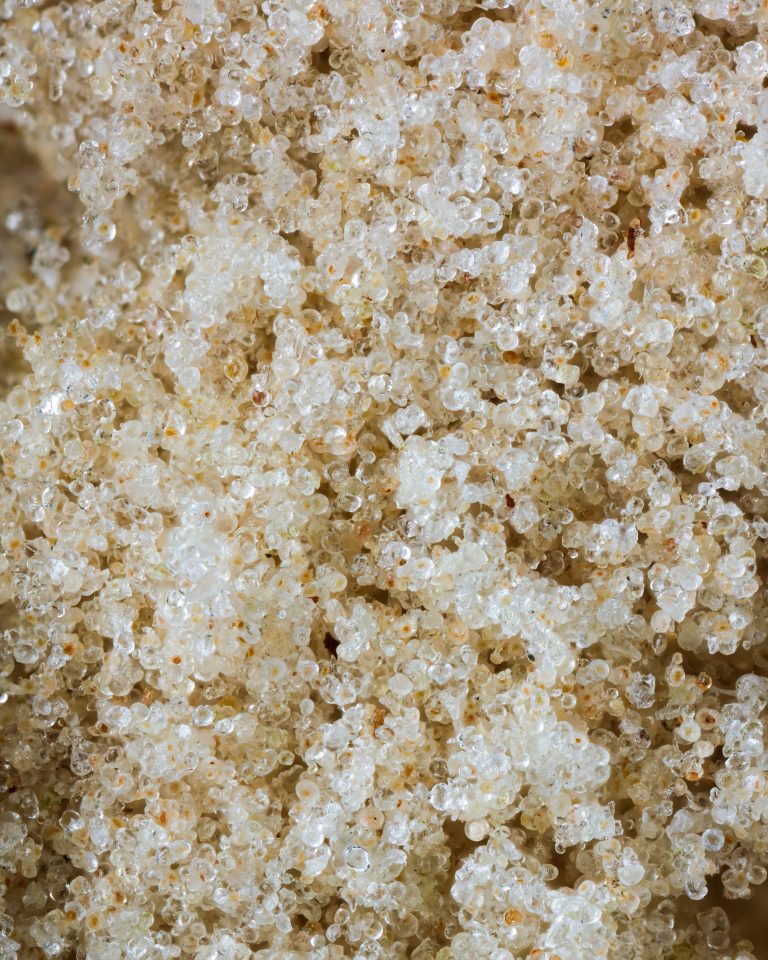
Lutz said he is seeing illicit California producers turn to exporting hash to get some cashflow from “insatiable demand from Europe.”
Usually Europe gets its hash from Morocco, but Lutz said he had heard that the notorious hash island may have had some bad seasons weather-wise, and new law enforcement issues.
Plus, Americans are in Europe in full force, riding the wave of legalization in places like Germany and Czechia. Potent, compact, and valuable, hash traffics well.
Lutz said the globalized market has led to counterfeit Nasha bricks of hash in Europe that copy Nasha’s grading system, logos, and even the California warning label. Imitation is a form of flattery, but “it’s a huge problem,” he said.
Three more old-school hash names to know
Nasha and Solful are just two pieces of the brick in 2026. Here are three more hitters.

Sitka
Sitka’s claim to fame has been sticking solely with dried, cured flower that’s dry-sifted and pressed for purists. They have a foothold in the California market, but their small fan base is ride-or-die for this classic modality.
Sitka mainly sells two types, dubbed Lebanese Red (indica) and Gold (sativa), made from a mixture of sativas or indicas that are aged a bit using their in-house technique. Sitka started in Washington, expanded to California, and will soon add New York.
Fire King
San Francisco’s Fire King produces fresh-frozen live rosin as well as unpressed bubble hash. Its current lineup includes the Canna Country #9 Sour Royal.
Also sold by Fire King is the ‘DB’ brand of affordable, unpressed bubble hash. Its red-tier Electric Avenue sativa runs just $10 per gram. Its gold-tier Zushi or Blue Nerds is just $15 per gram. That’s some affordable fire, even with California’s high taxes.
Heritage Hash Co
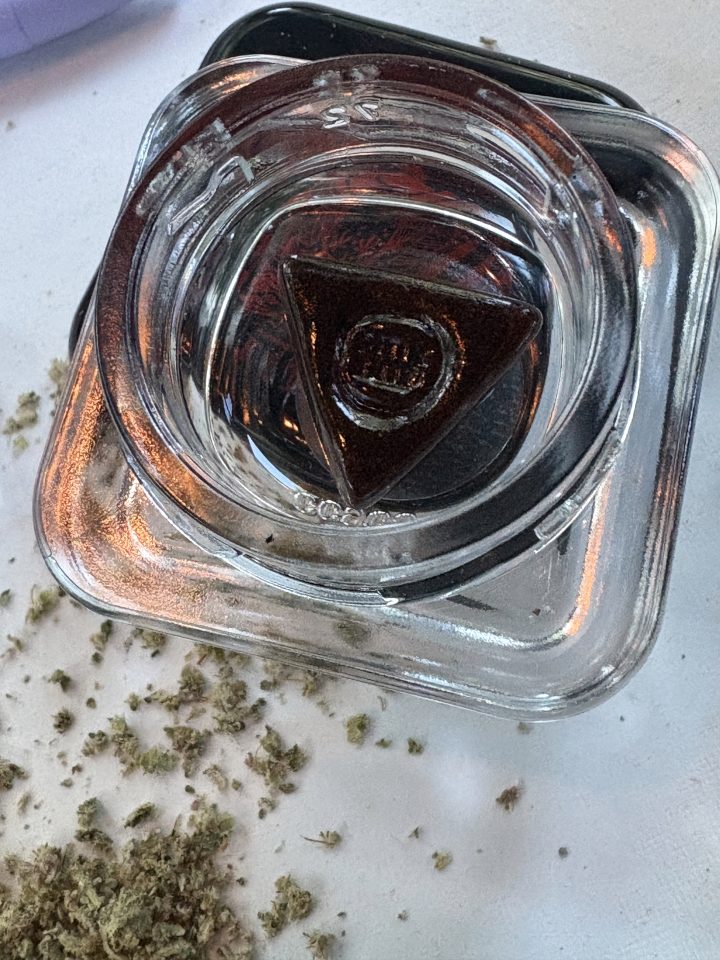
Heritage Hash Co touts being the world’s only public, legal “hashery,” a working hash lab open to viewing by visitors to their Ukiah facility.
Heritage has new-school live rosin and traditional “temple balls.” Temple balls are fresh-frozen bubble hash pressed, aged, and shaped into a ball; a modern version of the hand-rubbed Nepalese temple ball.
See also more hash brands: Hashtag, Tutti, Axiom, and Tall Tree Society.
Passion for hashin’: One-off projects
Two more groups have passion projects that hash lovers should know about this year.
First Cut Farms — Vietnamese
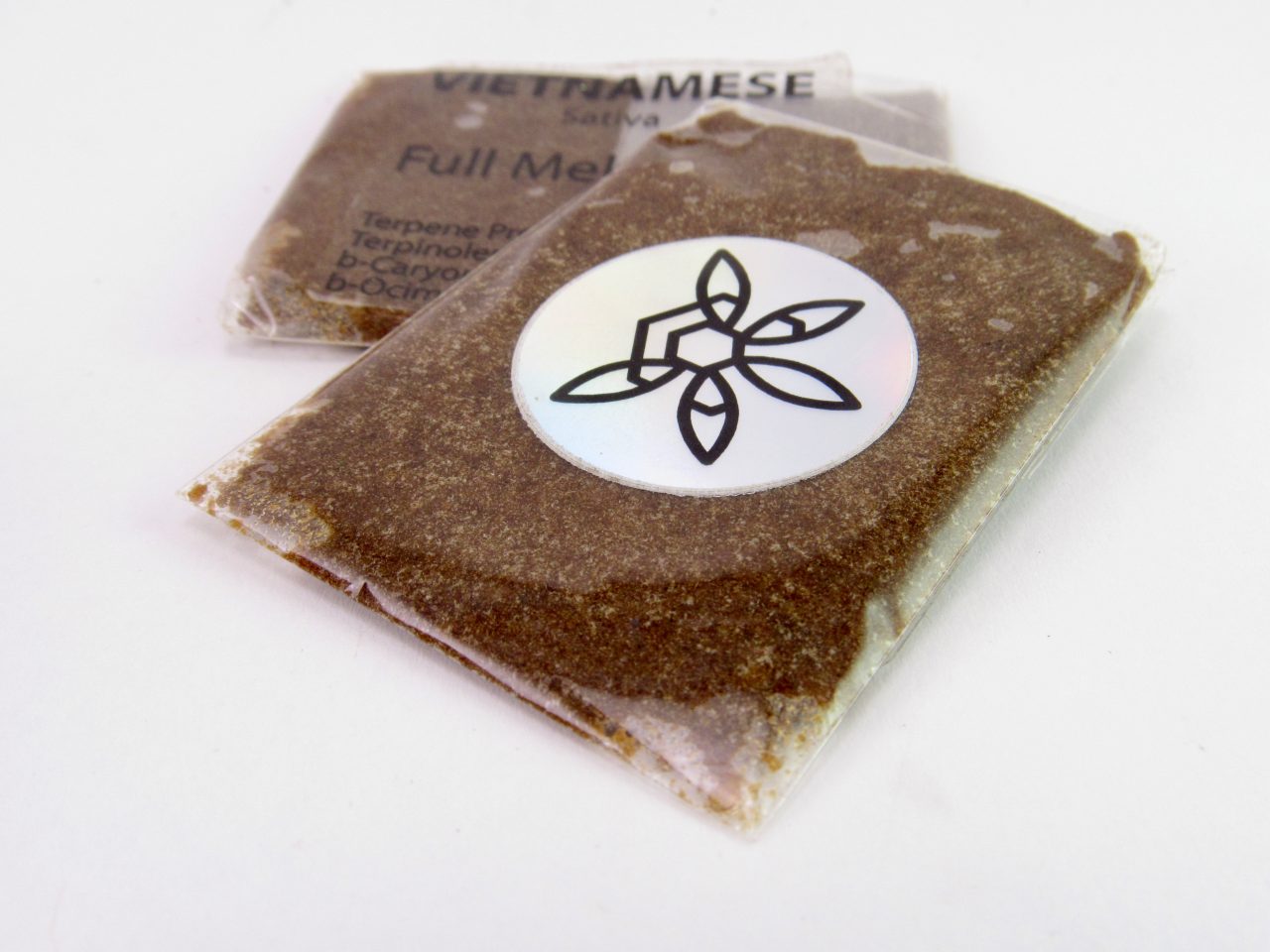
Get ready to clean your floorboards with a toothbrush on this sizzling psychedelic hash. The award-winning outdoor grower First Cut Farms’ Jerry Munn pheno-hunted a Vietnamese strain from seed. When he experimented with some hash from it, the locals in his neck of the woods loved it. So now it’s on the recreational market, along with Vietnamese flower in a handful of stores across Ukiah, Santa Rosa and Paso Robles.
Budularo — Pearls
California has maybe one licensed farm crazy enough to focus solely on long-flowering sativas. Its name is “Budularo” and it has a boutique hash product not to miss.
Budularo Pearls hash comes from a three-part tropical sativa plant, extracted into a classic hash format by Heritage Hash Co. Pearls take forever to grow and yield very little, so it’s the opposite of a mercenary financial decision. Lucky for us, Budularo Dave is in it for the love of the game.
And that’s a little spin through some contemporary hash in the Golden State. Share any other cool finds in the comments below.