On Colorado’s Western Slope, a family-run grow blends Korean Natural Farming, living soil beds and a flock of pest-eating ducks to grow cannabis like heirloom produce: rich in terpenes, rooted in nature and free of chemicals.
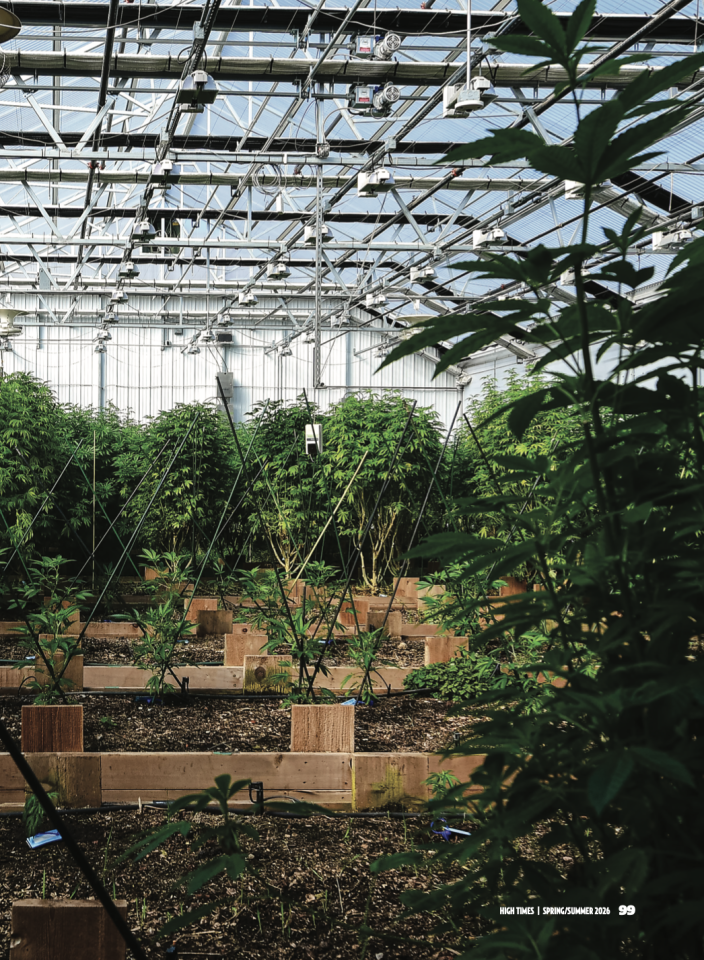
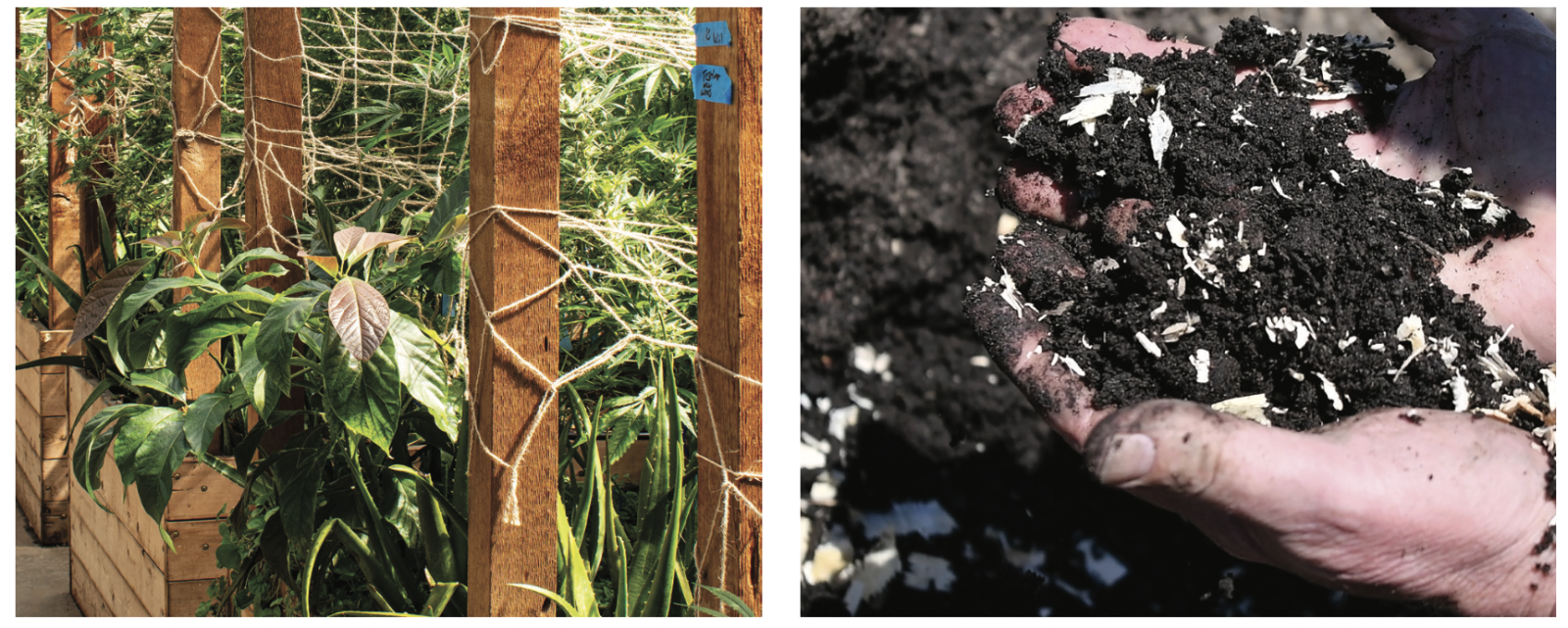
The ducks are the first thing you notice when visiting Edun’s grow facility. And while they are adorable as they waddle down the rows of plants, there’s a good deal more to take in: the aloe and rhubarb plants, the banana, grapefruit and avocado trees, the enormous “tea brewer” creating organic plant nutrients, the plant beds which recreate the layers of the earth (rock, sand, silt, clay, compost), and, of course, the lush cannabis growing out of them.
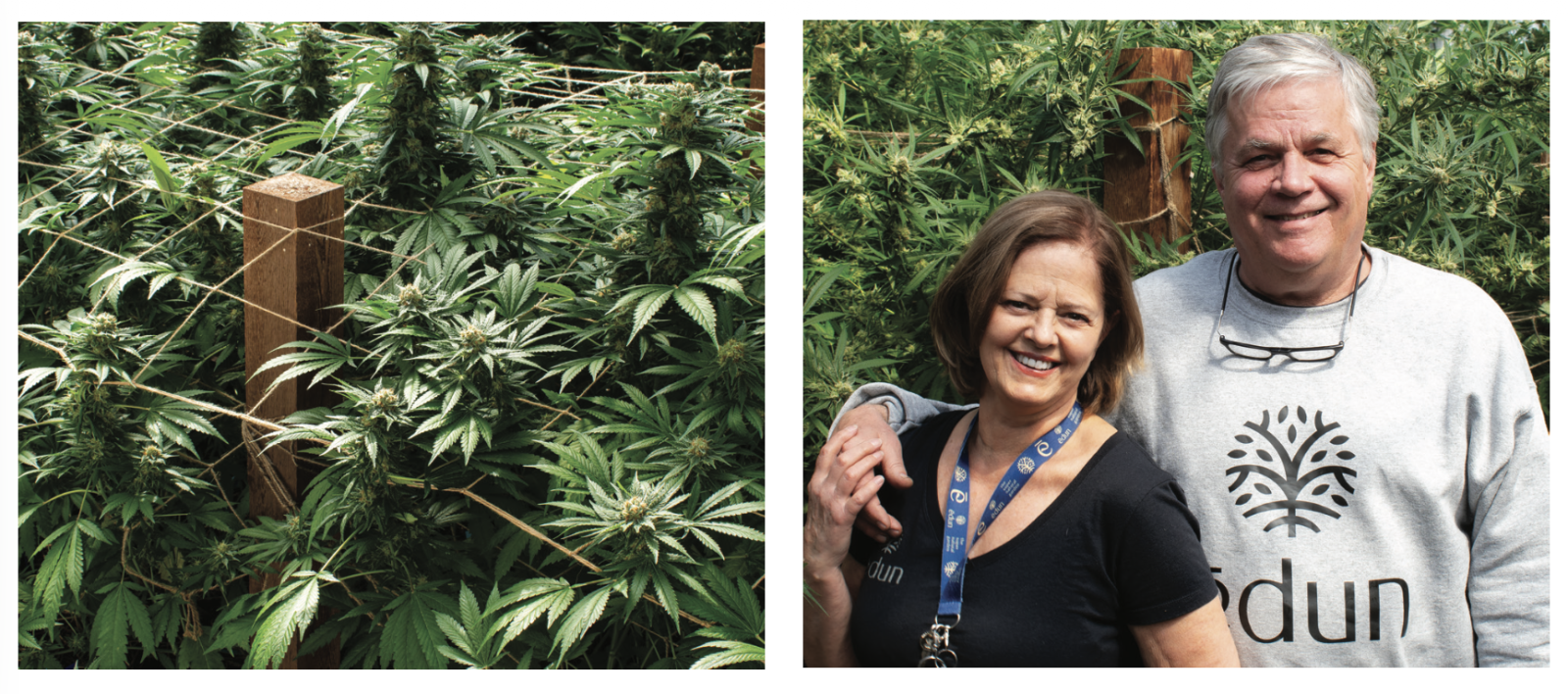
“We never use pesticides,” says Edun CEO Jimmy Brinkerhoff, as he and his wife, Michelle, the company’s COO, lead a tour through the grow facility in Parachute, Colorado. “For the most part, maintaining plant health is our number one pesticide. And the ducks, which eat roly-polies, slugs, and snails.”
“Pests, for the most part, aren’t interested in healthy plants,” adds Michelle. “They can’t chew through the wall of the plant.”
Both are very proud that Edun’s grow operation is sustainable, regenerative and free of any toxic pesticides, fertilizers or chemicals. They’ve achieved this by integrating the Korean Natural Farming method, which prioritizes soil health and biodiversity in the growing process, into the modern cannabis industry.
Michelle often talks about her cannabis plants as if they were human, addressing issues like stress, immune function and harmony with their surroundings. In this way, the Edun grow facility is like a full-time spa for cannabis plants.
“You can taste and feel the difference with cannabis grown naturally,” she says, walking beneath an enormous golden dragon sculpture hanging from the ceiling. The entire facility is loaded with sculptures, tapestries and gongs from Southeast Asia. “Though natural farming doesn’t produce those perfect-looking Christmas tree buds, the way cannabis grown with saltwater fertilizer does. Our cannabis is more like heirloom tomatoes, which don’t look perfect, but are a better tomato.”
“Our cannabis is more like heirloom tomatoes, which don’t look perfect, but are a better tomato.”
Michelle Brinkerhoff, COO of Edun
Edun’s commitment to regenerative farmed cannabis has, at times, put them at odds with the simplistic demands of the average consumer, who is typically looking for photogenic buds with the highest THC count possible. While their product is around 22% THC, somewhat lower than the top-selling cannabis strains in the state, Jimmy and Michelle believe they have higher quality terpenes than other products, resulting in a more robust, whole-plant experience for consumers.
As a compromise to the myopic demands of the industry, Edun only sells its cannabis in concentrates, edibles, RSO and infused pre-rolls, which aren’t subject to the cosmetic trends of selling straight bud.
The night before our tour, the Brinkerhoffs hosted a large outdoor dinner party in their home. Edibles, dabs and joints were plentiful, and each had a clean, refreshing taste, distinguishable from other products on the market, particularly their edibles, which have a delightful, terpene-rich flavor, with none of the overwhelming tartness of some live-rosin gummies.
The effect was calm and balanced, a cozy body high paired with a stimulating but not heady cerebral euphoria, allowing guests to feel relaxed enough to socialize, yet not so zonked they couldn’t maintain conversation.
[IMAGE: the “tea brewer” that produces the indigenous microbe solution, or a living soil bed showing the layered profile. Caption and credit pending.]
Touring the facility the next day, the Brinkerhoffs proudly walked guests through the elaborate and highly atypical process of naturally farmed cannabis, which includes crafting indigenous microbes in a giant “tea brewer” to create a “plant juice” for the living soil, and wrapping the roots of clones in a “cocoa coin” rather than water or soil, which can stress young plants. After some time in a dry room, the plants find an accommodating home in the living soil, which is grounded to the earth via copper wiring, surrounded by aloe to provide moisture and a family of ducks that eat pests, keep weeds down and aerate the soil as they move through the fields.
The ducks are named SaDIVA, InDUCKa, HIGHbird, MaryJane, Peaches and Stretch.
“Living soil is like a bank account that grows your money with interest; it keeps getting better each year,” Jimmy says.
Beyond the plant juice, the indigenous microbes feeding the soil go through a profoundly elaborate process, some of which involves creating biochar from sunflowers and bones from local farmers, whose nutrients are extracted with vinegar, rice milk, mycelium collected from mountain peaks and fermented seawater, one of many Asian influences on the process.
“Regenerative cannabis farming on this level is still pretty rare to see, especially with live animals integrated into the ecosystem,” Jimmy says. “A handful of farms around the country are starting to explore it, and Edun is proud to be among the first in Colorado to fully commit to the model. It is labor intensive, probably 20% to 30% more labor than a conventional grow. However, it is also where the future is heading, toward cleaner, more transparent cultivation that mirrors nature instead of destroying the environment.”
In addition to creating a high-quality product free of toxic chemicals, the Brinkerhoffs hope their method of blending artisanal growing techniques with a commercial cannabis grow operation will help shape this relatively young industry.
“A large part of our ethos is to educate consumers and buyers on the benefits of naturally farmed cannabis,” says Michelle, “and to teach the world how to feed themselves from their own land, to be sustainable and regenerative.”