





The reckless foreigner, the drugs, the local characters, the story too strange to be believed.
Gonzo travel writing was built on a simple bargain. The writer goes somewhere unfamiliar, gets into trouble, ignores good judgment, meets people he probably shouldn’t be meeting, and comes home with a story. The reader gets the rush without having to buy the plane ticket or explain anything to the people left behind.
Hunter S. Thompson helped make that bargain famous. Fear and Loathing in Las Vegas turned a drug-soaked trip into a landmark of gonzo journalism, a form built around subjectivity, immersion, and the writer’s willingness to become part of the story.
But the old fantasy has developed a complication: The reader has started looking beyond the narrator.
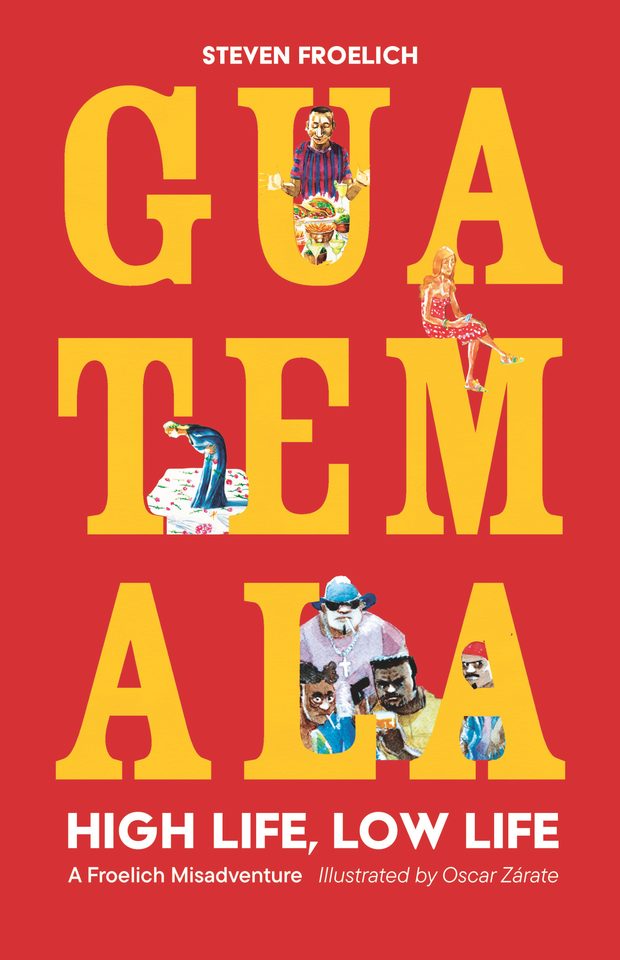
Steven Froelich’s Guatemala: High Life, Low Life is an interesting place to test what gonzo travel writing can still get away with because Froelich isn’t particularly interested in rehabilitating himself. He doesn’t arrive at the end with a lesson learned or a tasteful apology for the person he used to be. He wants the adventure left intact.
Froelich calls himself a “gonzo holiday maker,” not a gonzo journalist. At one point, he describes himself as “a kid on coke looking for friends and fun.” He’s not presenting himself as a reporter who simply lost control. He’s presenting the excess as part of the point.
The Reader Changed, Even if the Traveler Didn’t
The problem with that old setup is the imbalance built into it. The traveler has money, mobility, a passport, and an exit date. The people he meets often don’t. He gets to leave with the story. They may have to live with being characters in it.

That doesn’t mean every travel memoir needs to become an ethics seminar. It does mean readers are more likely to ask questions the classic gonzo narrator could ignore: Who gets to move freely? Who gets to define what happened? Whose version survives?
Froelich’s relationships with Antonio and Anabella expose some of those differences. The book moves through different social worlds, and Froelich acknowledges an obvious preference for the “low life.” The appeal is part of the adventure, but it also reveals the distance between the traveler and the people he’s observing.
The old gonzo fantasy depended on that distance being entertaining. Today, the distance itself is part of the story.
Froelich Doesn’t Escape The Problem
Froelich seems aware of the problem without trying to solve it. He acknowledges that Antonio and Anabella may not recognize themselves in his portrayal, and that memoir can cause distress to the people who become part of it. He also describes his trips as less about “genuine curiosity and intrusion” than simply “things happen.”
That’s a revealing distinction. The book isn’t trying to make a case for the traveler as an objective observer. Quite the opposite. Froelich embraces the messiness of memory, friendship, drugs, class, and self-involvement, even when that makes the narrator look bad.
Names are changed, but the larger question remains: What does a writer owe the people who become material? Gonzo has never been built around clean answers. Froelich doesn’t suddenly make it cleaner.
The Sober Writer Doesn’t Save the Stoned Traveler
There’s another tension in the book: the person writing it now isn’t necessarily the person who lived it then. Froelich reconstructs these experiences from a sober vantage point, but he doesn’t use sobriety as a device for redeeming his younger self. He describes the process as “Memory recollected in Sobriety!”
That distinction is important because the easy version of the memoir would be familiar: I was young, reckless, and high. Now I understand the damage.
Froelich isn’t especially interested in that story. He doesn’t want the sober writer lecturing the stoned traveler.
Instead, he lets the contradiction stand. The younger version of himself wanted cocaine, booze, chaos, friendship, and fun. The older writer remembers it, organizes it, and puts it on the page without pretending that the experience was secretly a cautionary tale.
Maybe Gonzo Was Never Supposed to Be Comfortable
That doesn’t make the book immune to criticism. It may make the criticism more interesting. Froelich is explicit that cocaine and alcohol weren’t props for a lesson. He was looking for fun. He calls the books comedies and argues that “the insane is funny.”
There’s something useful in refusing to sanitize that. Turning every reckless drug story into a morality play can be just as dishonest as pretending there were no consequences.
The harder position is to allow the story to remain funny, ugly, excessive, and irresponsible while recognizing that the traveler isn’t the only person in the frame. That’s where the old gonzo formula starts to strain.
The Adventure Belongs to More Than the Traveler
Gonzo travel writing can still be excessive, subjective, funny, druggy, self-involved, class-conscious, class-blind, revealing, and occasionally appalling. None of that automatically makes the form obsolete.
What has changed is the assumption that the traveler owns the entire story.
Guatemala: High Life, Low Life doesn’t offer a neat correction. It offers a test case. Froelich isn’t interested in turning his younger self into a better man, and the book doesn’t pretend every uncomfortable encounter needs a redemption arc.
The old gonzo answer was essentially: This was fun until it wasn’t. There is no redemption waiting around the corner. The reader, however, has changed. We can still take the trip. We just don’t have to pretend we aren’t looking at who got left behind.
Sponsored Content Disclosure: This article was published as part of a paid commercial arrangement with Steven Froelich. It is not independent editorial content. References to the book, author, and related claims reflect the sponsor’s perspective unless otherwise noted and have not been independently verified by High Times.