






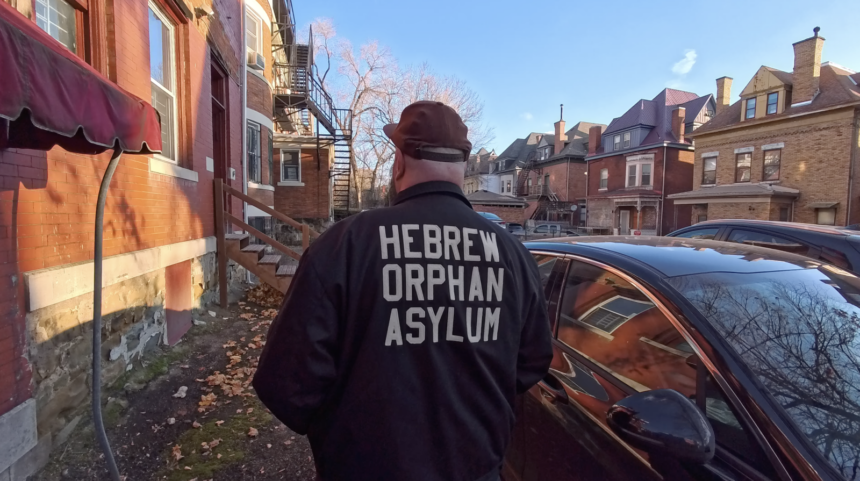
Dan Muessig says he ran a $40 million-a-year cannabis operation while defending drug dealers in Pittsburgh. After five years in federal prison, he’s coming for the legal industry he says abandoned the people who built it.
In the control room of today’s cannabis industry, where the plant’s future is being shaped, where CEOs in suits and ties gather in sleek boardrooms to discuss market projections, Daniel “Dan/Dos” Muessig’s presence short-circuits the whole system. Bzz, bzz, bzz. Muessig is more than just a former criminal defense attorney from Pittsburgh: he’s a survivor of the legacy era, a man who says he once ran operations worth—brace yourselves—$40 million a year and who, after a few twists and turns, ended up being swallowed by the very same federal machine he used to fight from the courtroom.
Now 45, with his sentence behind him and supervised release breathing down his neck until 2030, Muessig isn’t looking for redemption. He wants justice. But let’s rewind for a second. Legacy? What does that even mean? That’s the polite way of referring to the “black market”—that winding era when the true foundations of international cannabis culture were built. Back to Dan. A quick summary of his story would tell you that, during those legacy days, a viral 2014 commercial launched him into the spotlight, that he became one of Pittsburgh’s most talked-about lawyers, and that not long afterward he found himself locked inside a tiny eight-by-eight-foot prison cell.
For Dan, practicing law wasn’t a turning point, but a tool for optimization—one that allowed him to tighten a few screws. While defending others in court, he was also managing one of the largest cannabis distribution networks in the region. “My dual experience of being on the street and representing drug dealers of all modalities allowed me to discern patterns that weren’t readily apparent to others,” he admits.
Like a 420 counterintelligence operation, Muessig trained his people to distinguish between local, state, and federal law enforcement simply by the way they moved and carried themselves. They practiced strict phone discipline and used cutting-edge encryption long before it became standard. Even so, he knew his public profile was a critical vulnerability. “I did lead a double life for sure. It was a constant Catch Me If You Can style high wire act,” he explains. But there was no cognitive dissonance: for him, the streets came first. Law school was simply a skill he picked up later in life—an adult power-up. And one he made very good use of.
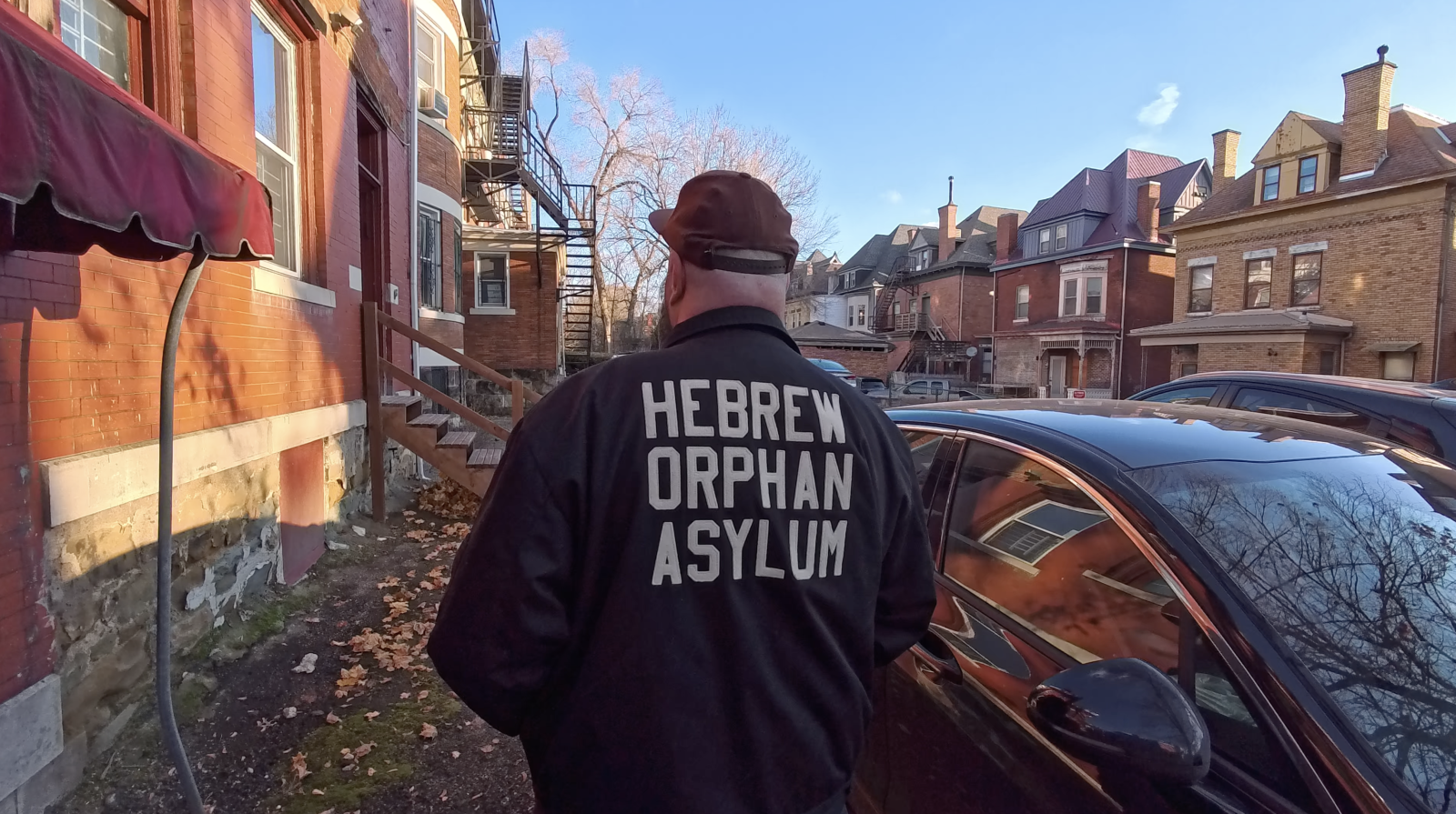
Looking at today’s cannabis landscape, Muessig believes that large corporations—the MSOs (Multi-State Operators)—are “aggregators,” not innovators. “Corporations—by nature—are not creators of culture. [They] exist to employ delegation and scalability through organized means in order to capture a large segment of the marketplace and funnel consumer profit to their owners or shareholders. That’s literally antithetical to anything cultural,” he says bluntly.

With that in mind, he remembers with nostalgia—and more than a little countercultural pride—the deals made on park benches that, he says, ended in eight-figure profits. “We were gentlemen criminal adventurers,” he says. There was honor, debts that were paid, and promises that were kept, even when it wasn’t convenient. A kind of ethics that, according to him, simply doesn’t exist in the boardroom of a publicly traded company. Another world, another life. “Your corporate dispensary is never going to front you when you’re between jobs… There’s no honor in the corporate business.”
Until that whole system collapsed. From light into darkness. And suddenly—boom—dead silence. The downfall wasn’t one sharp blow, but more like slow water torture. Tap. Tap. Tap. Before he was formally indicted, Muessig spent two and a half years under constant surveillance. As he tells it, the federal government investigated him for selling weed with the same intensity it would investigate a homicide. In his words: “The federal government brings pressure that cracks probably over ninety percent of the people that it’s put upon. My federal conviction has hurt my life in every possible facet imaginable. But the one thing that it did give me was the knowledge that I will never inform on anyone ever. I know how tough I am.”
The case itself was about weed. Muessig pleaded guilty in November 2021 to conspiracy to distribute marijuana and possession with intent to distribute marijuana, tied to a stash house in Pittsburgh’s Squirrel Hill neighborhood. The government attributed roughly 220 to 880 pounds of marijuana to him, and in March 2022 a federal judge sentenced him to five years, the mandatory minimum. The investigation that reached him began as a federal wiretap on a Braddock group that, according to his sentencing filings, trafficked heroin and cocaine. Muessig’s own charges involved only marijuana.
Muessig also describes himself as an outlaw through and through. He was one before becoming a lawyer, remained one while practicing law, stayed one in prison, and will continue to be one until the day he dies—even if he never commits another crime. In that sense, his time at Fort Dix prison in New Jersey became a brutal lesson in survival. He says he saw guards break prisoners’ limbs as if they were chicken wings, and that he was stabbed repeatedly during a fight over a cell phone. He went through it all. Life in there is hard. But he’s here to tell the story.

Out of that anger came End of Sentence, his organization, which breaks away from the cliché of the typical cocktail-circuit NGO filled with parties, charity galas, and all the blah, blah, blah that comes with it. In fact, Muessig is absolutely scathing about what he calls “cosplay” advocacy. What a concept—cosplay advocacy! “A lot of the advocacy is cosplay at best and grifting at worst. How do gala events and sign holding get anyone home? They don’t. But yet the money keeps getting collected. Most of these larger orgs are carrying staff with high five and low six figure salaries.”
His own proposal, he says, is far more concrete, rooted in direct aid. No middlemen. Easy enough: if someone donates $1,000, that entire $1,000 goes straight to the prisoner or their family. It’s a response to the hypocrisy of companies that donate to wash away their guilt while the pioneers of the industry rot in cells without ever seeing the sun. Speaking from the heart, he elaborates: “I missed the birth of my daughter because I refused to cooperate. None of this is academic to me. I have suffered and I’ve bled.”
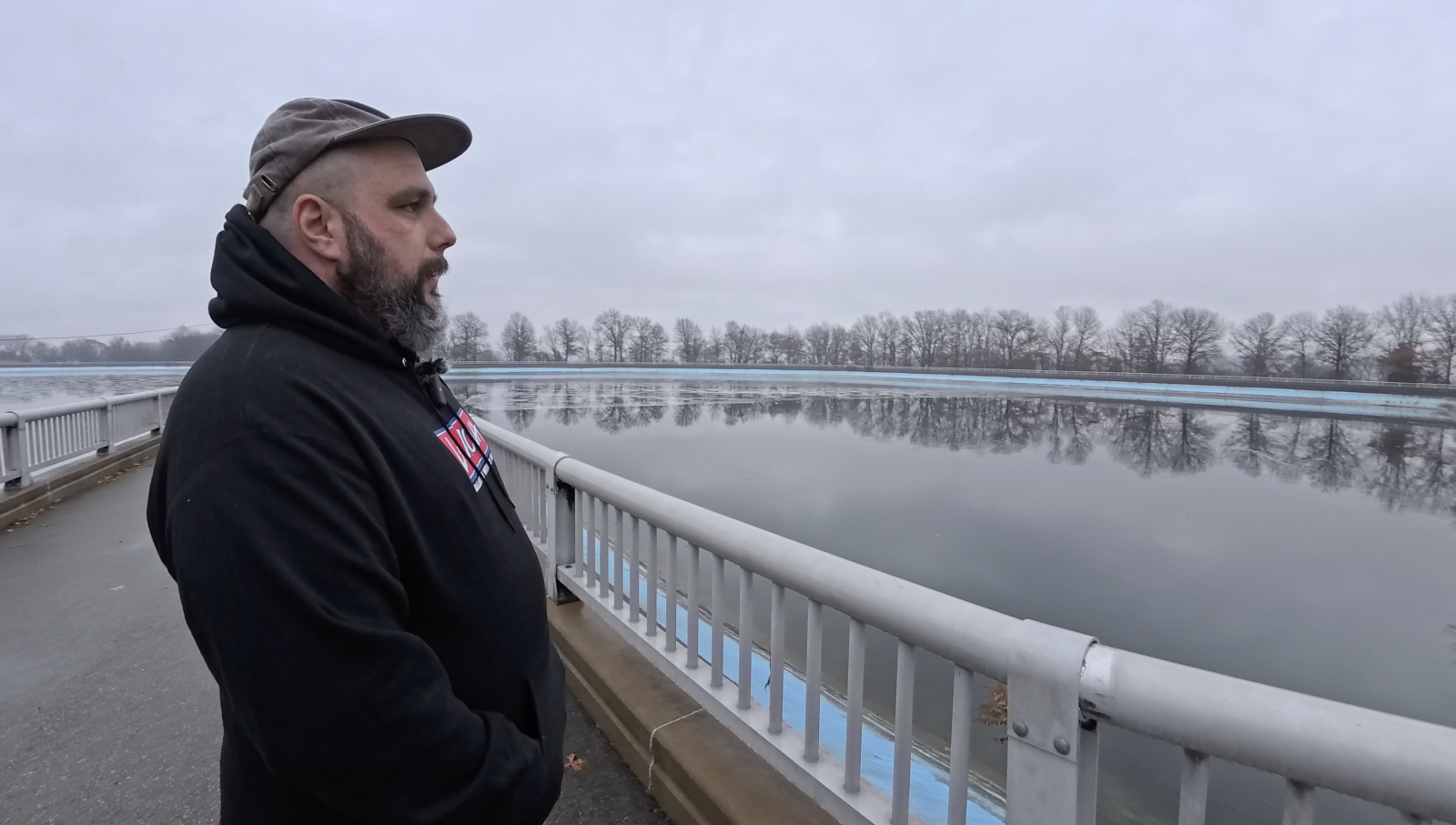
Despite his résumé and his law degree, Muessig now finds himself facing a sort of invisible wall. He says he has sent hundreds of job applications to industry giants (he mentions, for example, Trulieve and Cresco), and so far, the response has been nothing but silence. The cursor keeps blinking, and his inbox remains empty. “For them, a forty five year old felon—even with the depth and breadth of experience I have and my law degree—probably just gets algorithmed out.”
The paradox only grows: the companies profiting from cannabis today operate under a golden ticket that allows them to do exactly what Dan once did, only without the risk of going to prison. That’s why his political proposal is, let’s say, radical: federally legalize cannabis, free everyone imprisoned because of the plant, and establish a system of government reparations. “No one should hold a job who hasn’t done time ahead of someone who has,” he argues. To Muessig, having a cannabis conviction should put you at the absolute top of the list for any position open in the industry that you qualify for—not at the bottom.
So, while he finishes his documentary film and tries to figure out how to provide for his family in a system that has, as he puts it, basically “amputated both my hands,” Dan Muessig keeps speaking with his karate-chop bluntness. He’s not trying to be liked. He’s not here to cozy up to the industry. Absolutely not. His voice echoes as an uncomfortable reminder that the legal cannabis industry was built on the backs—and the prison sentences—of people like him. “There are too many rats sneaking into the scene,” he warns. “I’ll cut my arm and bleed for you. If you are for what’s right… I don’t have a penny for a rat, and I never will,” he fires back. He doesn’t put on an act—not even a little. He charges straight ahead. Always.
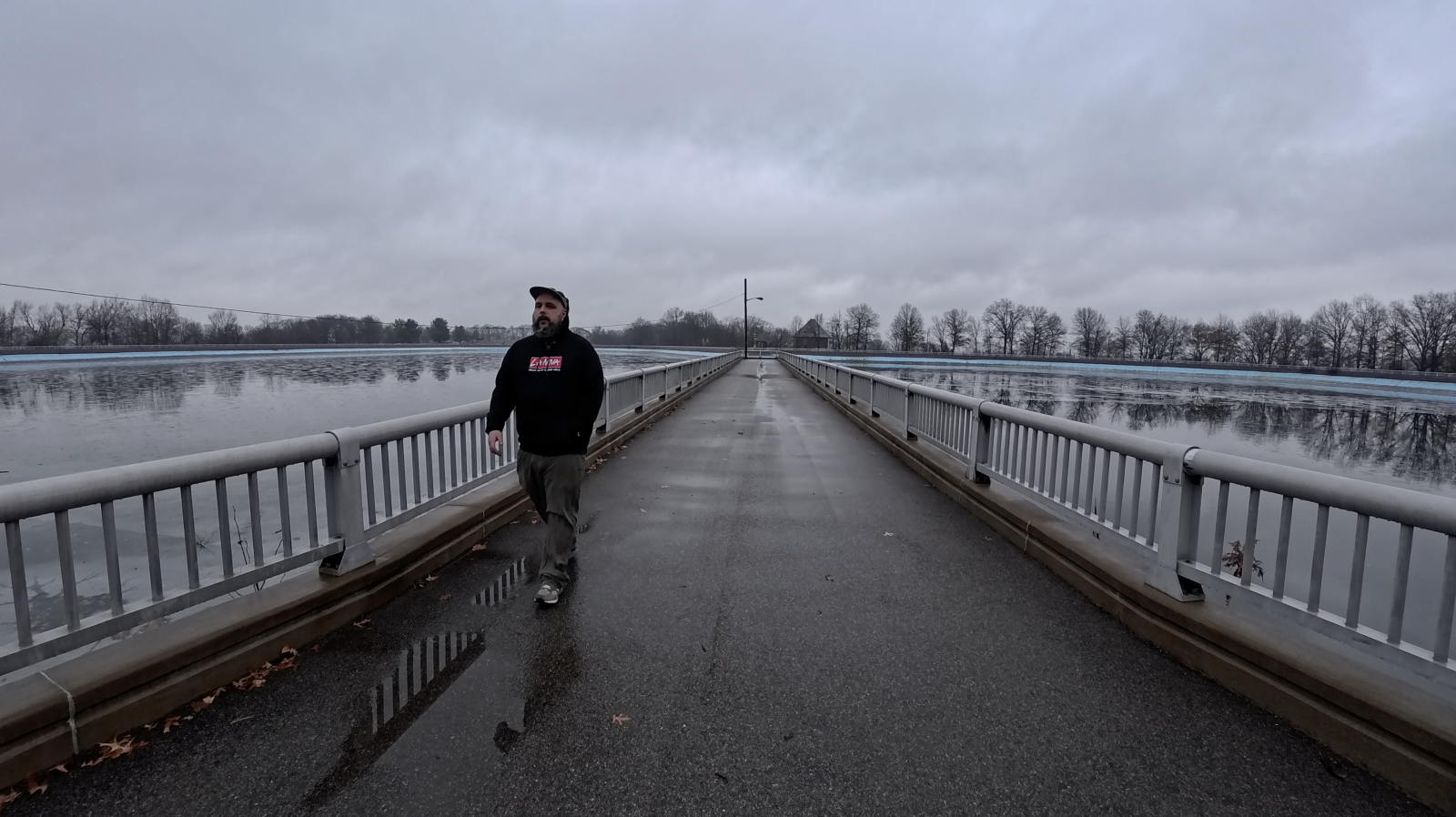
And so, amid the decorative flourishes of regulation and the vanilla-scented smoke of major corporations—which operate under the maxim wisely chanted long ago by the anime Bubblegum Crisis: “Corporations are the monster of the future”—the essence of the plant remains tied to resistance, to counterculture, and, above all, to those who, like Muessig, chose to walk outside the lines. On a wilder path. And amid that whole heap of stories, fables, and regulations, Dan stands as a kind of tragic hero, a man waiting to be given back his seat at the table—a seat others inherited without ever having had to get their hands dirty.