




Words and photographs by Matías Nicolás Cardozo, Matca Films.
A year on the road with a camera, from a hemp field in the Mallorcan interior to an EU-GMP room outside Lisbon to a living soil grow in the Swiss Alps in October.
This article originally appeared in High Times’ Spring/Summer 2026 print edition. Get yours here.
This year pulled me across Europe with a simple intention: move, observe and follow the plant wherever it was reshaping itself. New regulations are taking hold, young growers are stepping forward, and cannabis is entering a different cultural register, quieter in some places, defiantly alive in others.
Documenting that shift became its own kind of participation. Through the lens, I watched a new chapter form in real time, trying to understand not just how the plant grows here, but how it is being welcomed, reshaped and reimagined.
Mallorca, Balearic Islands
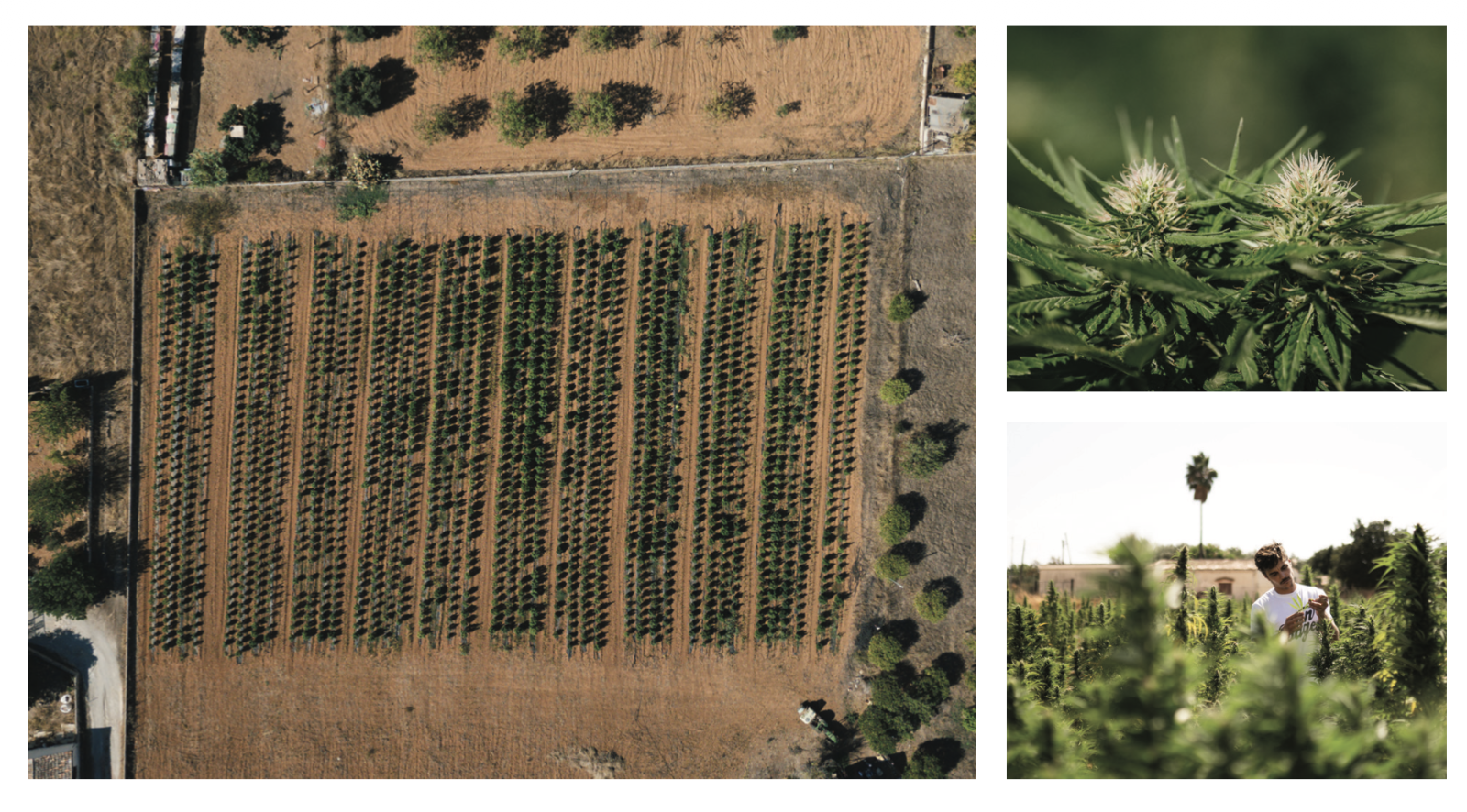
The Balearic Islands are defined by light. Dry air, warm wind, long days. A near-perfect environment for a hemp harvest tucked deep in the interior. You could smell dried grass drifting across the field as workers lifted water leaves by hand. Nothing felt hurried. Just heat and wind moving through the rows.
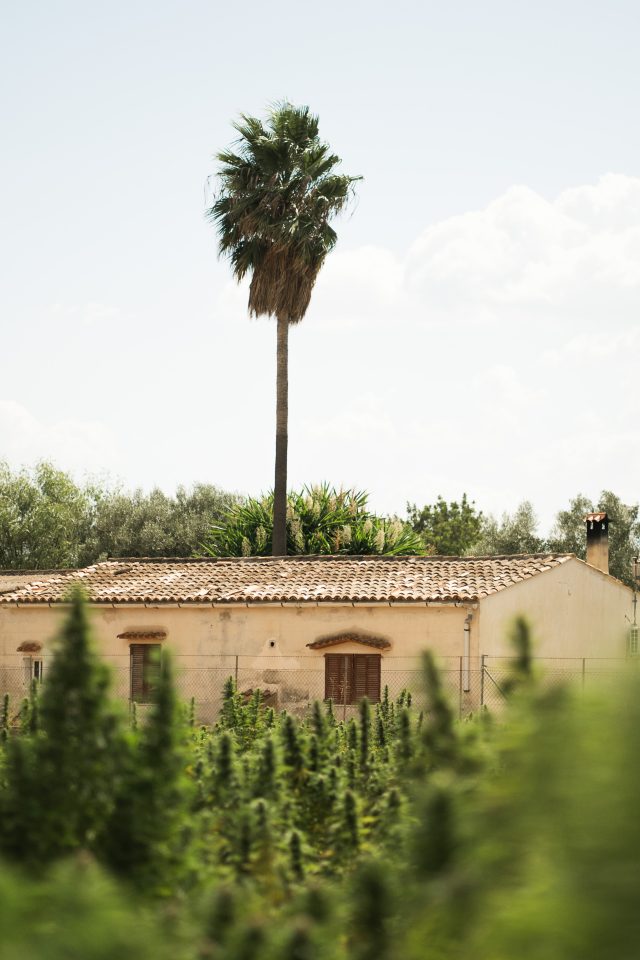
NOMA is one of Mallorca’s first dedicated hemp projects, harvesting once a year under the Mediterranean sun and using the season’s intensity to drive flowering. What struck me most was how natural it all looked. Nothing hidden or fenced off. The plants blend into the landscape; you catch sight of them from the road. No one seems bothered. They’ve become part of the village scenery.
Hemp has always belonged here. It once powered maritime routes through sails, ropes and textiles. For centuries, Mallorcan farms grew hemp the same way they grew olives: slowly, seasonally, according to weather. Today the goal has shifted to full-spectrum CBD oils and sun-dried flowers, but the method remains unchanged. Simple irrigation. Harvests guided by the elements. Days measured by light.
Walking the rows, it becomes clear why hemp feels so rooted in this place. It isn’t a new industry arriving on the island. It’s an old practice returning with a different purpose.

Lisbon, Portugal
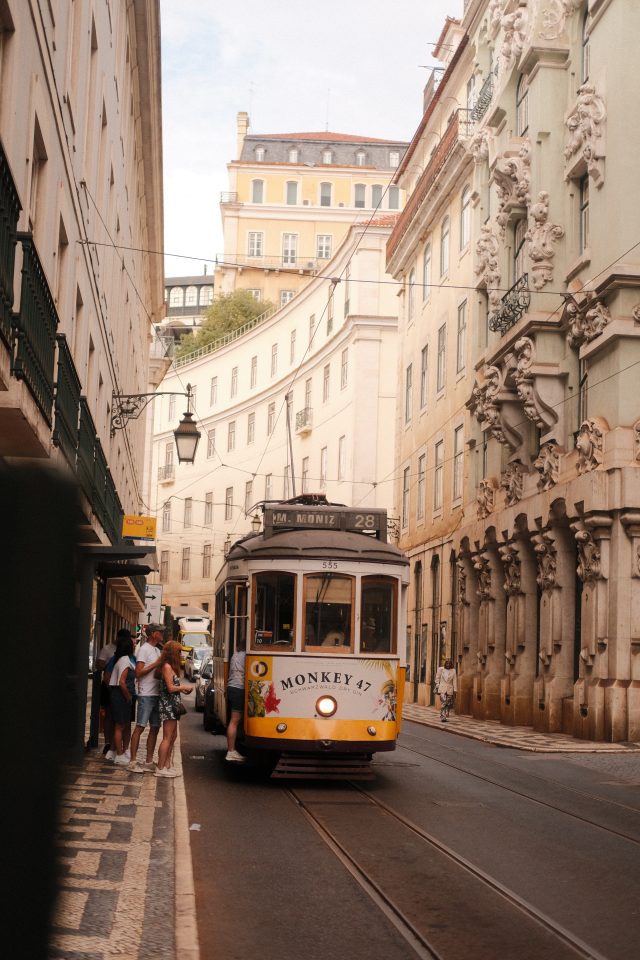
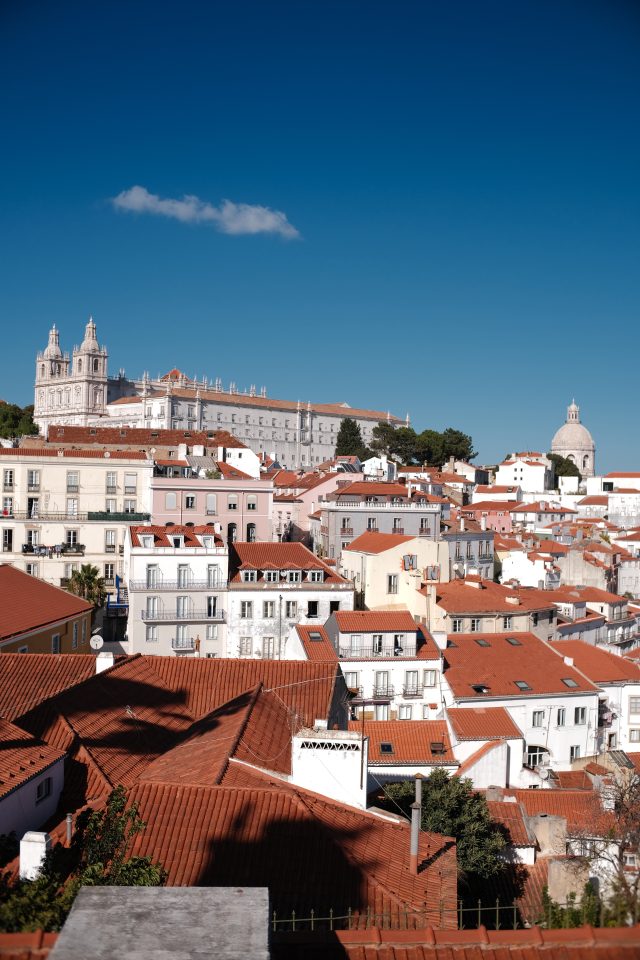
Lisbon greets you with its own blend of light, history and rhythm. Hills, trams, worn tiles and Atlantic humidity give the sense of an ancient city still in motion. For centuries it was a maritime capital, and hemp was central to that world. Without it there were no sails, no ropes, no voyages.

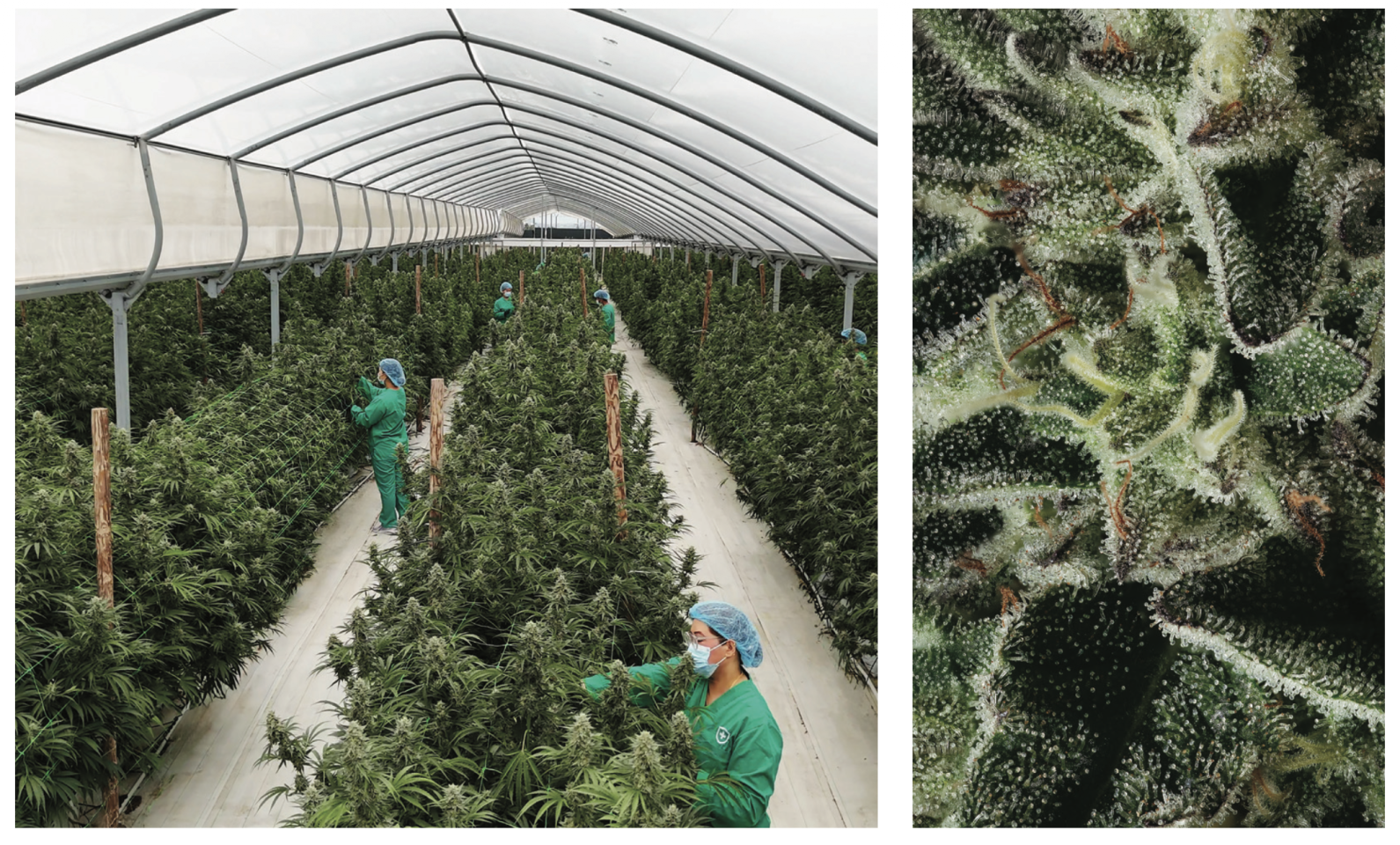
Just outside the city we visited Sun Light Greens, where cultivation follows EU-GMP precision. Everything is tracked: environment, airflow, humidity, curing. Producing more than 30,000 kilos a year demands a system that never drifts, so every variable is monitored in real time. But none of that prepares you for the moment you step inside. The smell hits first: warm humidity and a floral sweetness rising from hundreds of flowering tops.
Their genetics follow the same logic of consistency. Many come from Nine Weeks Harvest in Los Angeles, known for stable, fast-flowering lines suited to Portugal’s humidity.
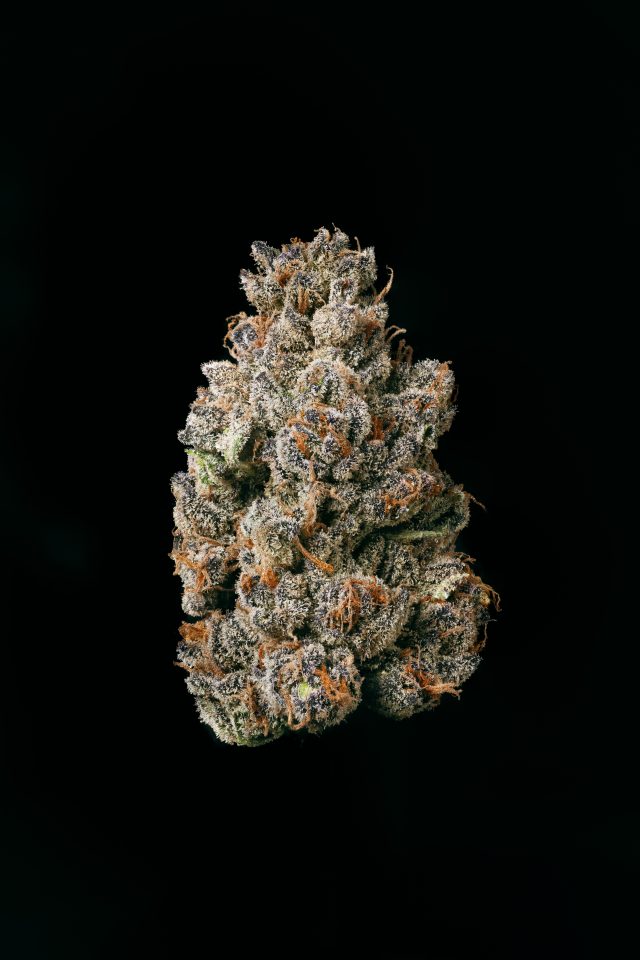
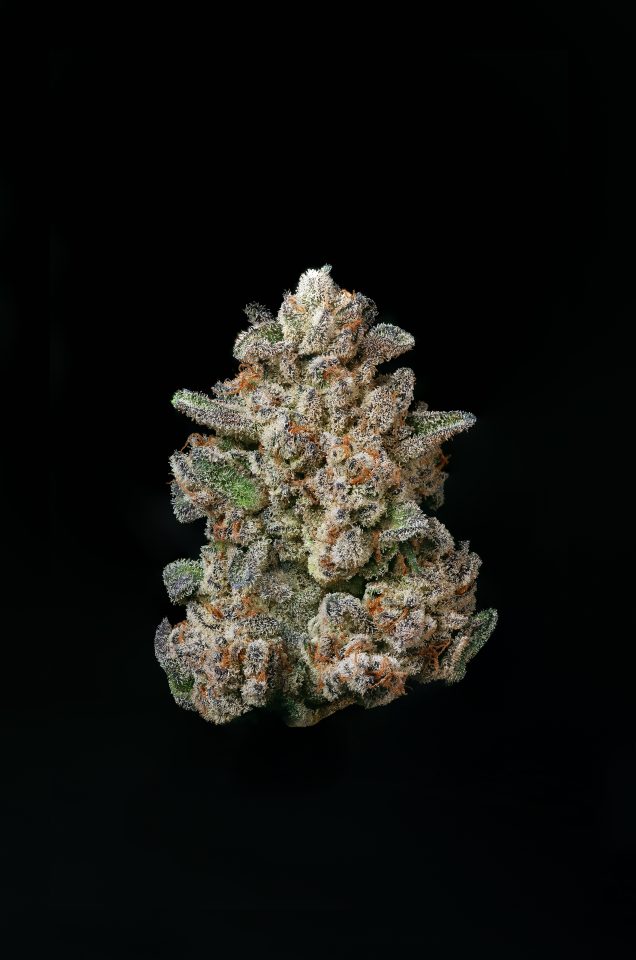
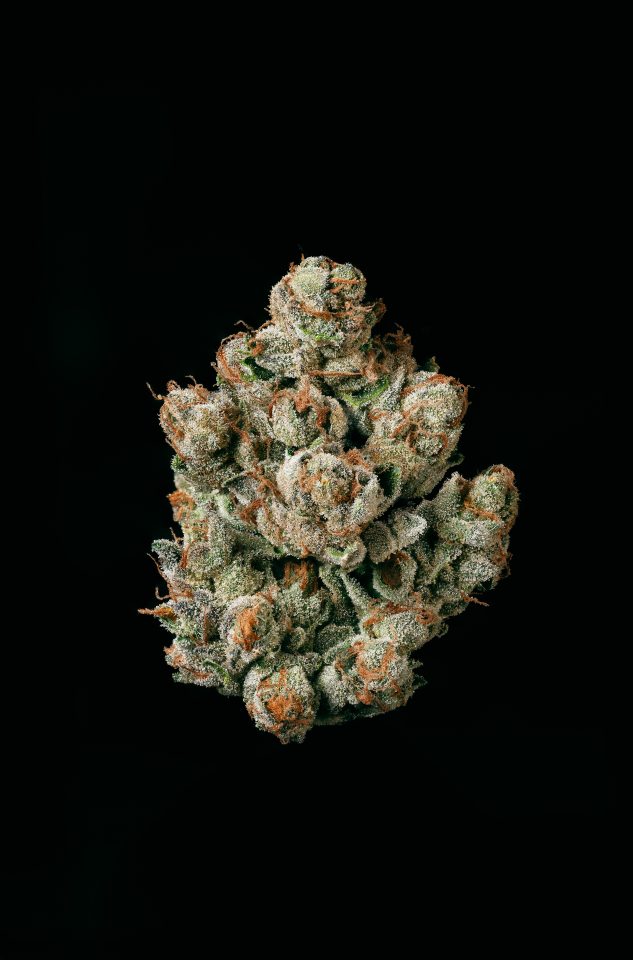
Left: Lychee (Nine Weeks Harvest), cultivated by Sun Light Greens – Middle: Sherbz (Wizard Trees), cultivated by Sun Light Greens – Right: New Yorker (Nine Weeks Harvest), cultivated by Sun Light Greens
Inside a clone room, we built a macro setup to photograph the flowers. With controlled lighting, we could study the trichomes almost untouched and see how each strain responds to its environment. Up close, every genetic line reveals something distinct: structure, resin, the way the plant carries itself. You start to see personality in each one.
The Alps, Switzerland
Driving north from Barcelona, the landscape rises slowly until the mountains take over the horizon. We crossed into Switzerland at night, surrounded by silence and moonlit peaks. Arriving that way, without seeing much, sets the tone before anything begins.
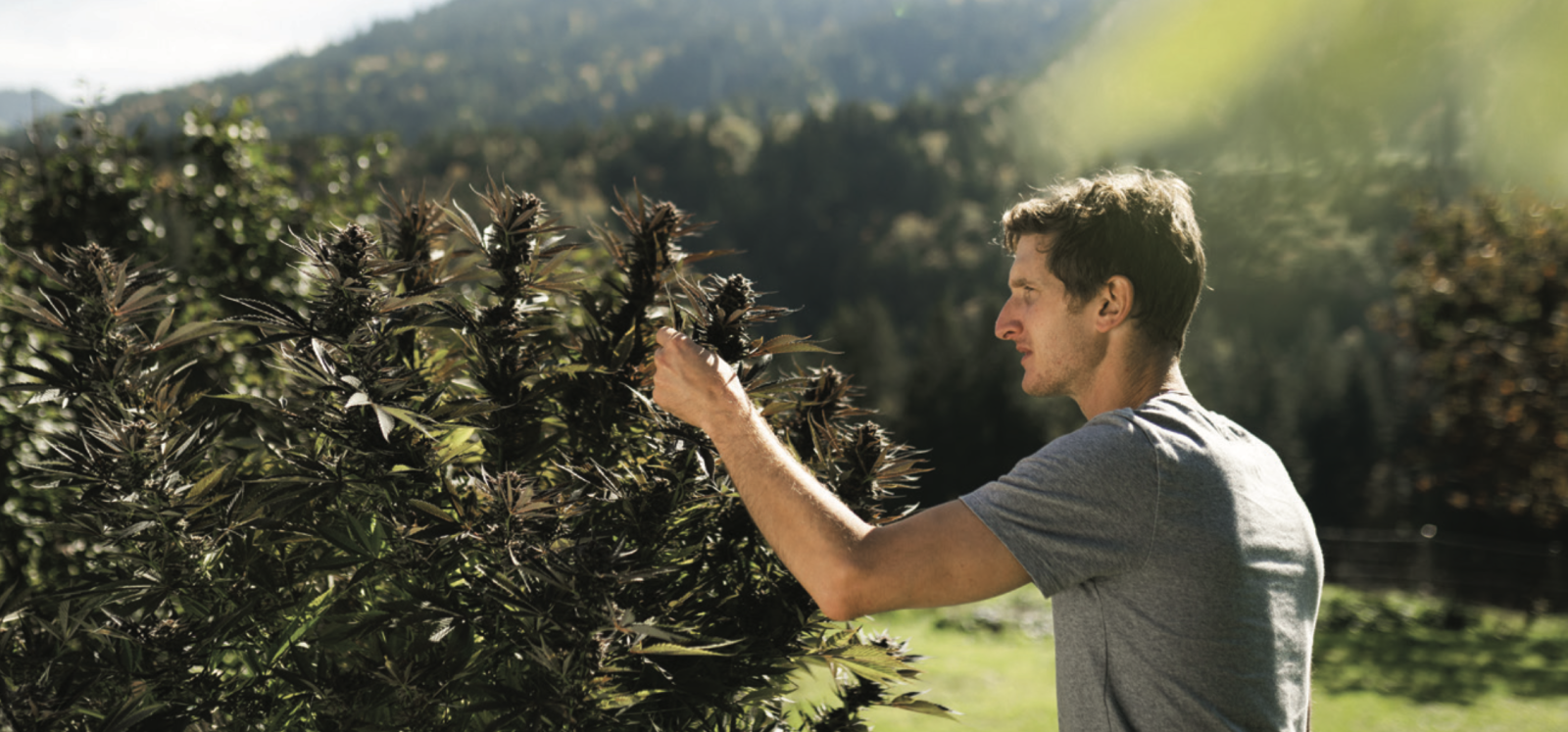
At dawn the valley opened, and the cold mountain air carried a sharp resin scent, like pine sap and citrus frozen together. Every breath felt clean, almost medicinal. In October the Alps create their own conditions: cold descending air, hard sunlight, vegetation sliding into fall. That environment dictates the rhythm of the grow more than anything else.
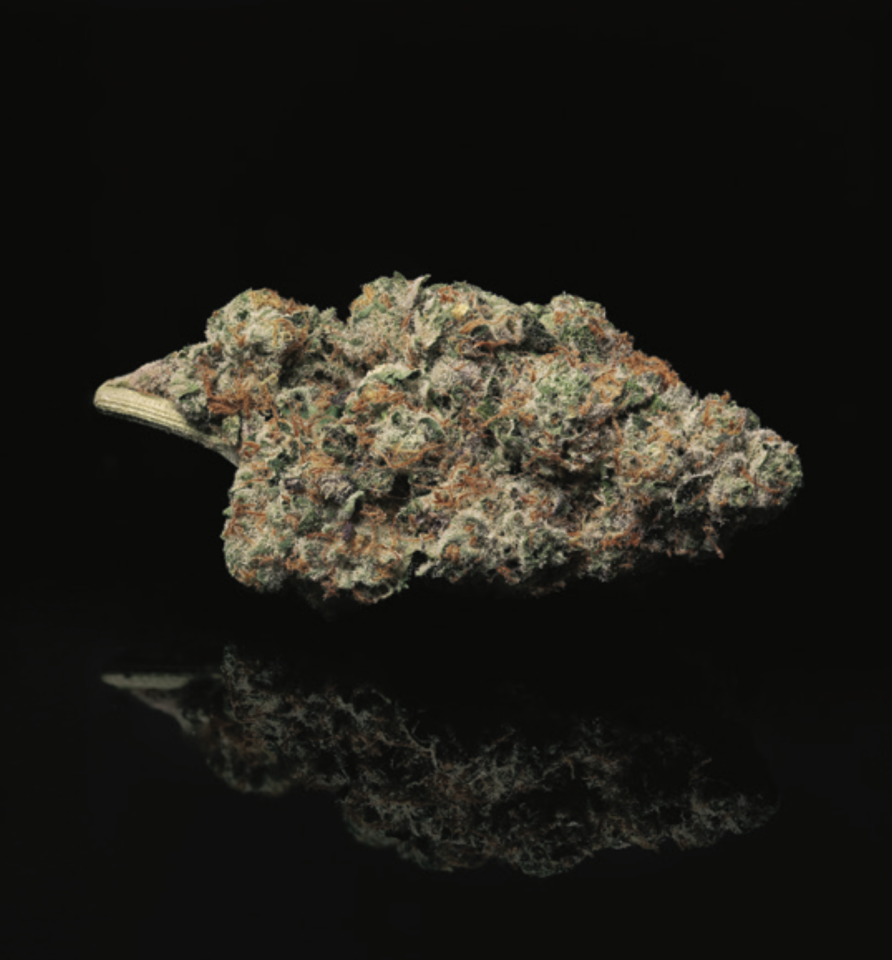
Martel Farms works with living soil at the center of everything, outdoor in the alpine summer, indoor for the rest of the year. In this region, the soil behaves differently: mineral, cold, still holding life even as temperatures drop.
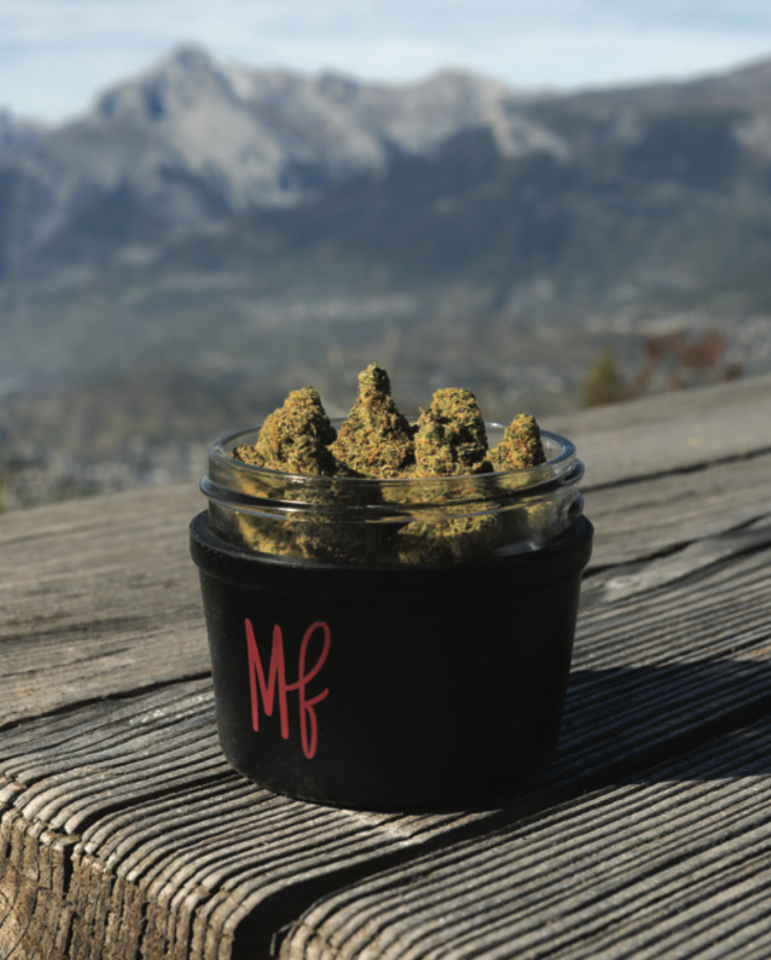
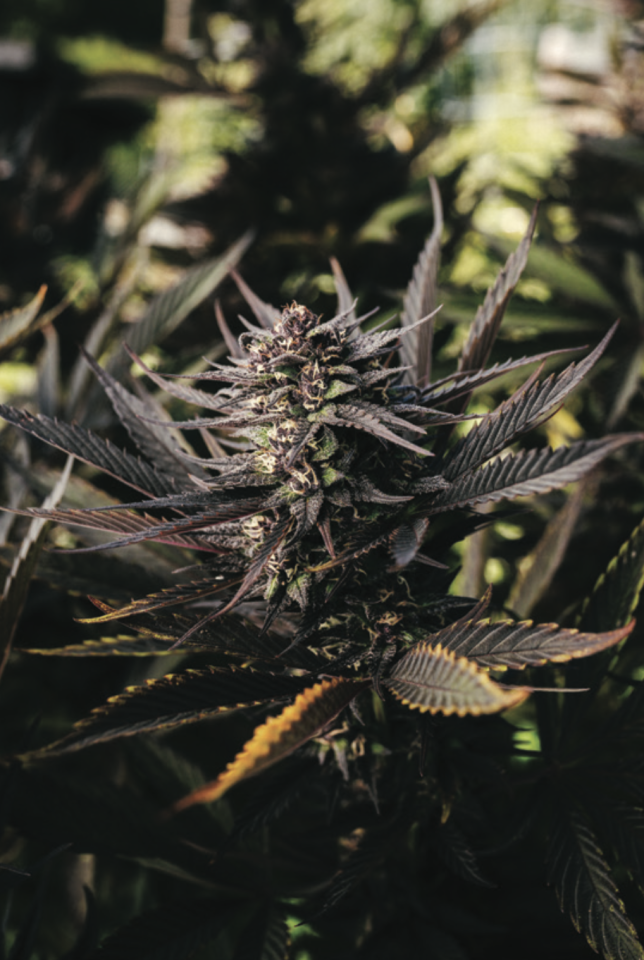
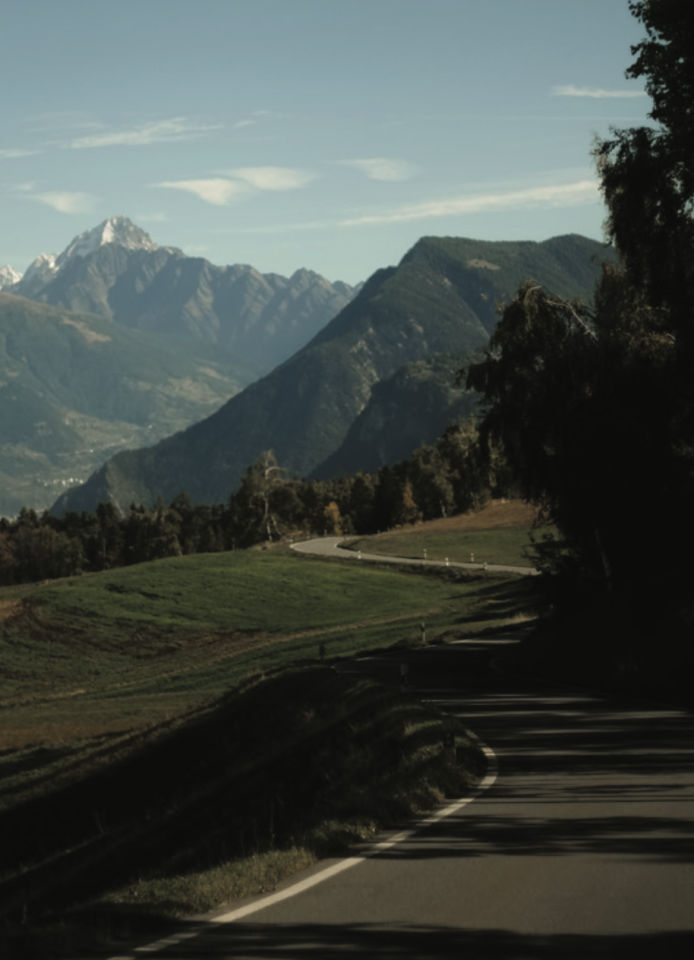
The team adapts their technique to what the mountain allows. Watching the plants here shows how deeply the environment imprints itself on them. Soil activity, weather and daily hands-on work come together in flowers with firm structure, precise aroma and a clear sense of place. You can almost taste the altitude.
The Next Terrain
These journeys made one thing clear: cannabis is more than an industry. It is territory, craft and adaptation. Each place grows the plant in its own way, shaped by its climate, its people and its history.
To understand that, you have to walk the fields, talk with growers and pay attention to the details that never make it into photographs. This series begins there, following the plant across borders, watching how it changes and what those changes reveal about the people who cultivate it.
Europe is only the first chapter. More landscapes, more traditions and more growers wait beyond it.