
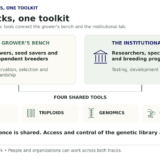


F1 seed, triploids, genomic testing and gene editing are changing cannabis from the breeding tent to the corporate laboratory. The tools are shared. Access and control of the genetic library are not. Jorge Cervantes and his co-authors separate the promises from the proof.
By Jorge Cervantes in collaboration with Dr. Oussama Badad, Dr. Gary Yates & Stefan Meyer
This summer I stood in a research hall in Meterik, in the south of the Netherlands, surrounded by a strange and wonderful cross-section of the cannabis world. There were licensed producers in clean shirts, scientists in white coats, seed people carrying notebooks, and old breeders whose hands still looked like they had come straight from the garden. My own journey with this plant began in the mid-1970s, when I spotted wild cannabis growing near my university campus in Puebla, Mexico, and decided to grow a few plants of my own. Half a century later, the whole arc of cannabis, from hidden gardens to sequenced genomes, seemed to be standing in that room.
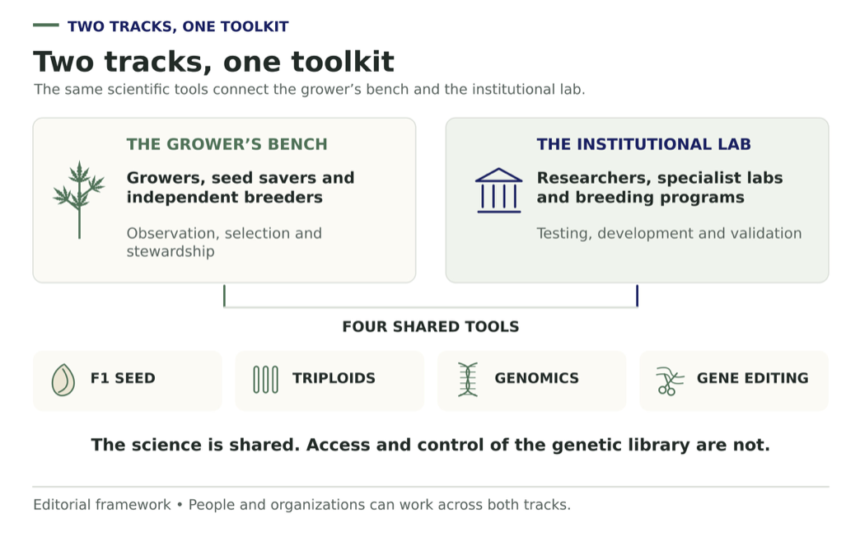
The future is arriving on two overlapping tracks. One runs through well-financed laboratories, licensed production facilities and patent portfolios. The other runs through growers, seed savers and independent breeders, the people who protected this plant when the law treated possession of a seed like a crime. Between those tracks are service laboratories, universities, small companies and public researchers. It is not a simple battle between a tent and a billion-dollar lab. It is a spectrum of access.
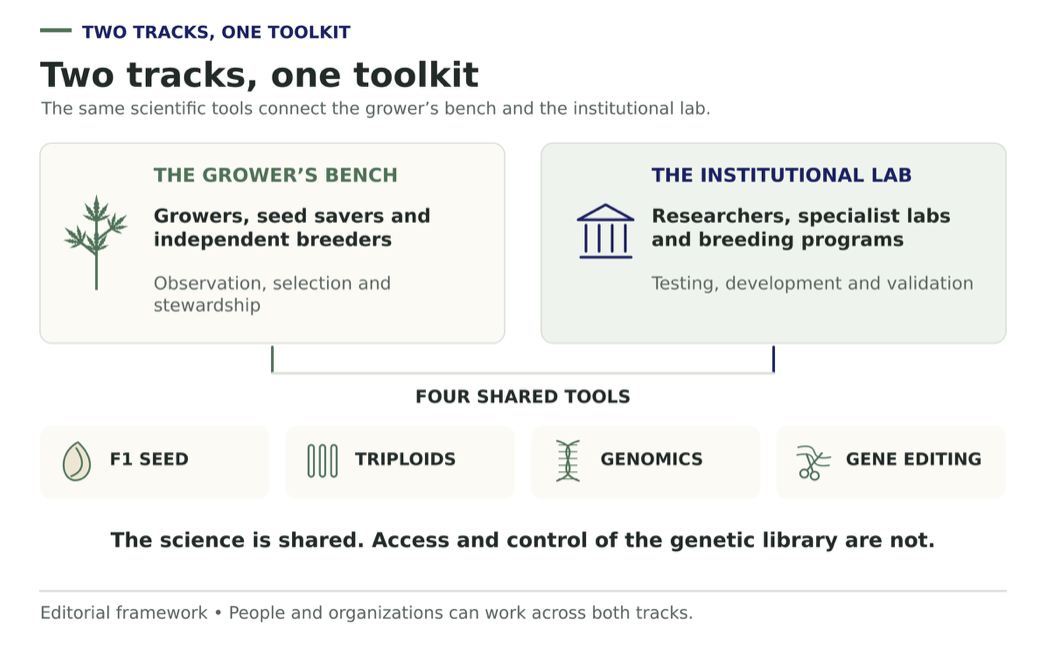
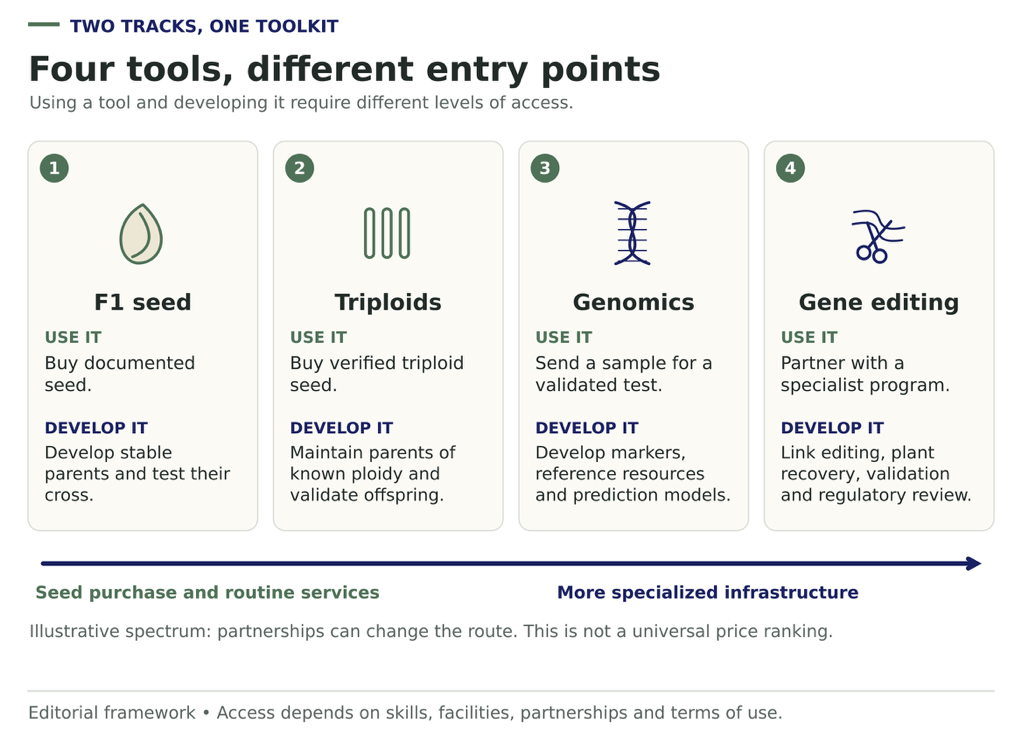
Both tracks now reach for the same four tools: commercial first-generation (F1) hybrids, triploid seed, genomic testing and gene editing. Each tool can make a crop more predictable. Each can save time and space. Each can also concentrate control or narrow the diversity future breeders will need. The interesting question is no longer whether cannabis will use modern genetics. It already does. The question is who can use the tools, who owns the resulting lines and who keeps the original library alive.
Cultivar names make that question urgent. A jar may carry a famous name while its genetics or chemistry bears only a loose relationship to another jar sold under the same label. Studies comparing names, DNA and chemical profiles repeatedly show that the shelf looks more diverse and orderly than the material underneath it. [1–3]
The name is a story. The plant is the evidence.
This is the toolkit, explained in practical language, with the promises separated from the proof.
The Short Version
- F1 is a generation label, not a quality guarantee. Uniform hybrids start with fixed, measured parent lines. Ask for the data.
- Triploids cut seed set dramatically under pollen pressure. They are not guaranteed sterile or proven more potent. Triploidy does not require gene editing.
- Sex, major chemotype and ploidy are three separate tests. One leaf can supply the sample; one assay cannot answer every question.
- Gene editing can create a heritable allele, but inheritance depends on germline transmission, zygosity and breeding design, and “not regulated” is not “approved.”
- Hop Latent Viroid (HLVd) has no widely deployed genetic fix today. Clean stock is the defense.
- Precision is valuable. Diversity is the raw material that makes precision possible.
Key Numbers at a Glance
| The number | What it means for you |
|---|---|
| 98.5% and 99.5% | Fewer filled seeds in triploid than in diploid cannabis, in one field and one greenhouse comparison. [5] Triploids are seed insurance, not a sterility guarantee. |
| Under 3% on 1,500 markers | Residual heterozygosity across 1,500 single-nucleotide polymorphism (SNP) markers, the threshold a 2026 F1 study used to call parent lines “functionally homozygous.” [4] Uniform hybrids start with measured, fixed parents. |
| 193 from 144 | Genome assemblies from biological samples in the 2025 cannabis pangenome. [10] Assemblies are not plants; breadth is the point. |
| 3 | Gene-edited hemp lines from the Wisconsin Crop Innovation Center that the U.S. Department of Agriculture’s Animal and Plant Health Inspection Service (USDA APHIS) found not regulated under its biotech rules, 2024–2026. [16, 17, 24] “Not regulated” is not “approved” or “proven.” |
| 5 of 13 | Cultivars cleared of HLVd with heat treatment plus shoot-tip culture in one 2025 study. [13] Rescue is genotype-dependent; prevention beats cure. |
| 256 | Nucleotides in the HLVd genome, which encodes no proteins. [14] No widely deployed resistance gene; clean stock is the defense. |
| December 11, 2026 | When most of the new federal hemp definition, based on total tetrahydrocannabinol (THC) including its acid form (THCA), takes effect. [23, 27] Check your genetics’ total-THC numbers before you plant. |
Why the Old Way Hit a Wall
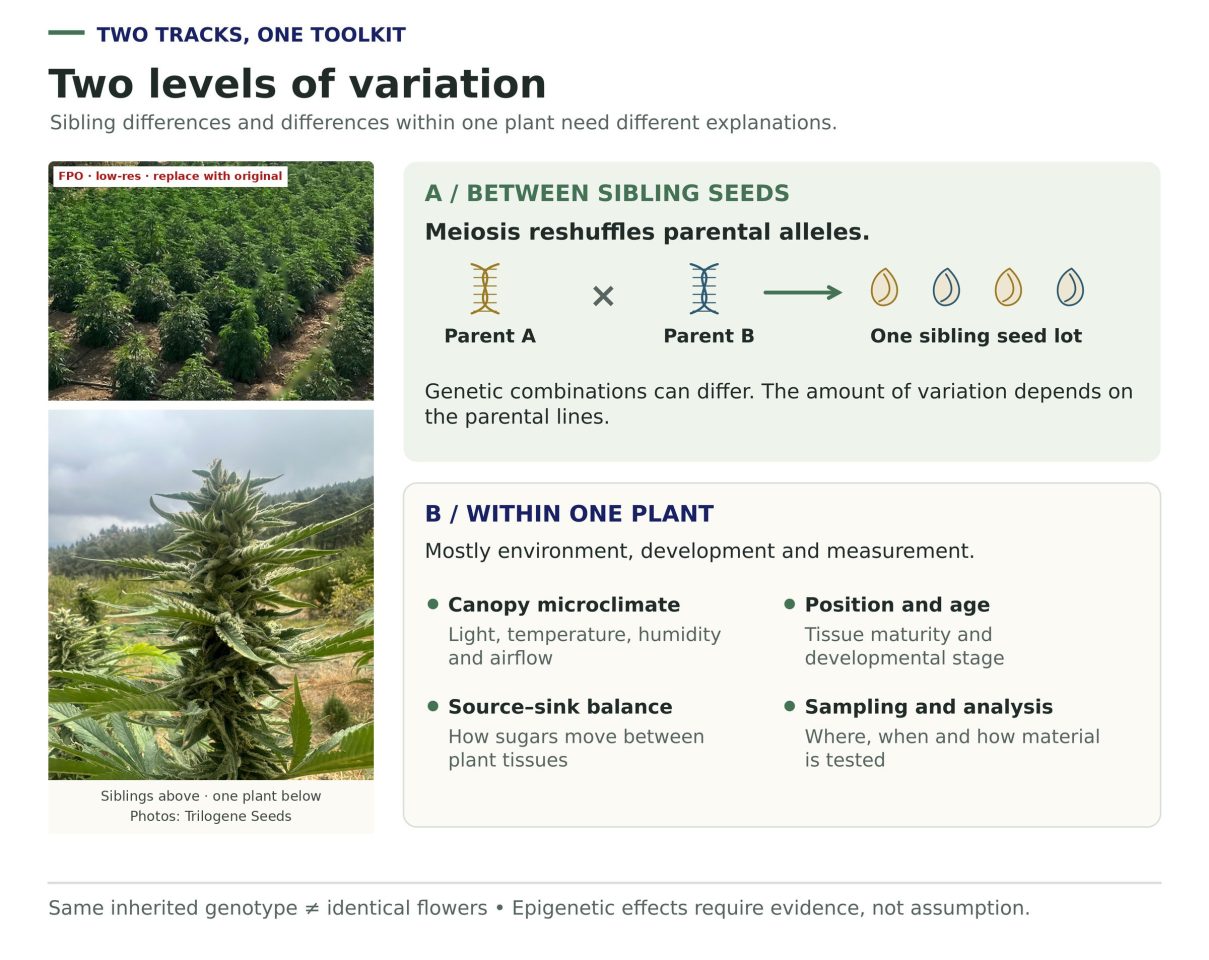
The heart of breeding is still the phenotype hunt. Pop a pack of seeds and you get siblings, not copies. Meiosis reshuffles the parental alleles before pollen and egg meet, so every seed carries a different combination. Even a very uniform, stable line shows sibling differences; they are subtle, but they are there. That variation is the engine of breeding. It is also why a seed crop can be difficult to standardize.
The traditional answer is the clone. Find one exceptional female, keep a clean mother and reproduce her with cuttings. A clone is the closest practical way to repeat a genotype. But a clone is not immortal and it does not “wear out” merely because it has been copied many times. Problems build when pathogens, physiological stress, poor mother management and occasional somatic changes accumulate. HLVd can travel silently from cutting to cutting. A genetically excellent clone taken from dirty stock remains dirty stock.
Jorge’s Tip: A Reality Check on Tired Clones
A clone does not become weak simply because it is “old.” A valuable line usually declines because clean-stock discipline declined first. Test mother stock, isolate arrivals, sanitize tools, control vectors and replace infected material with verified clean plants.
Conventional breeding also consumes time. In the old rhythm, a breeder might flower a room simply to identify males, learn broad chemotype and discover that most plants are not keepers. A cycle of months ended with a small handful of answers. Marker tests can now deliver some of those answers while the plant is still a seedling.
The Problem Runs Deeper: Even One Plant Isn’t Uniform
But there is another source of confusion. Many growers assume that all variation sits at one level. It does not. Differences between two seedlings are not the same as differences between two flowers on one plant. Buds on the same plant share nearly the same inherited genome, yet they occupy different worlds. The top cola receives a different light intensity and spectrum than a shaded lower branch. Temperature, humidity, airflow, tissue age and access to sugars differ across the canopy. Sampling and laboratory variation add another layer. These factors change gene expression and metabolism without requiring a different DNA sequence.
Epigenetic marks and transposable elements may contribute in specific cases, but cannabis evidence is not yet strong enough to use them as the routine explanation for every odd branch or chemical result. Start with canopy position, development, crop history and sampling. Reach for the exotic explanation only when the ordinary ones have been tested.
Few terms in cannabis marketing have been stretched as far as F1. Biologically, the definition is simple: F1 is the first filial generation from a stated cross. Cross Parent A with Parent B, and their immediate offspring are F1 plants. That label says nothing by itself about uniformity, vigor, yield or publication history.
Agriculture uses a more demanding idea: the predictable commercial F1 hybrid. To make one, breeders first develop parent lines that are highly homozygous, meaning that most marker positions carry matching alleles. Cannabis is naturally outcrossing, so those inbred parent lines take work. Repeated selfing exposes recessive weaknesses and can produce inbreeding depression: reduced fertility, poor vigor or fragile growth. The breeder selects through those weaknesses until each parent reproduces its defining traits reliably, and a zygosity test (a DNA-marker panel that shows how much residual heterozygosity is left) confirms that the line is as fixed as it looks. Resolution matters too: the more positions a panel reads, the better it can catch small heterozygous stretches and put a precise number on what is left, and a panel of 20,000 positions or more is high enough resolution to know for sure.
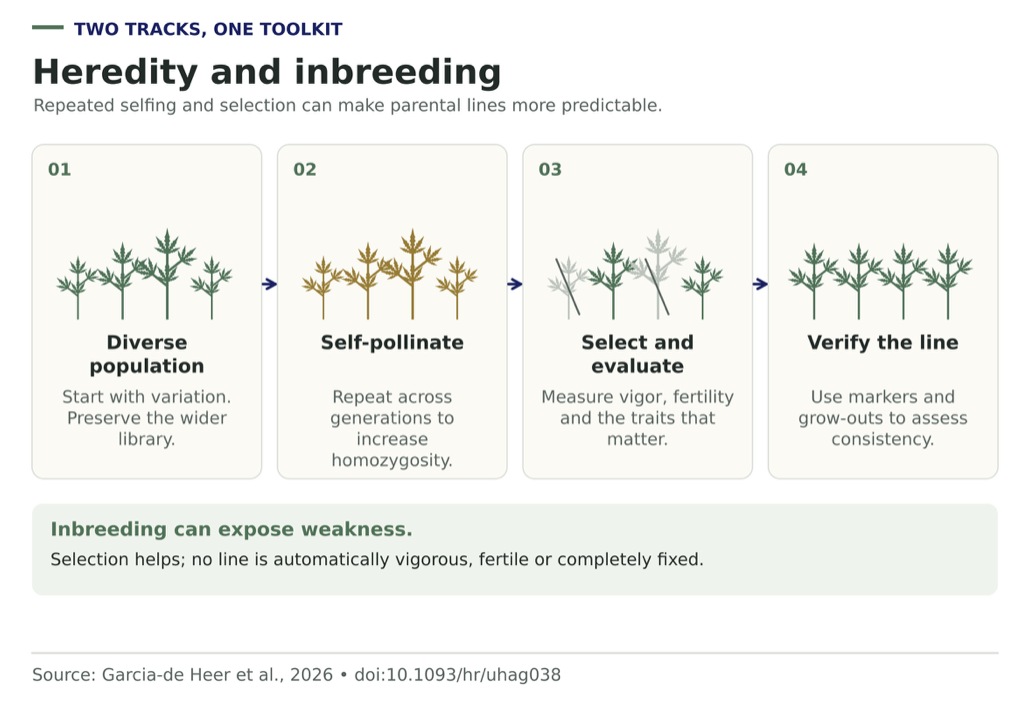
Then the two fixed parents are crossed. Every F1 seed receives one standardized genetic contribution from each side. The result can be far more uniform than an ordinary seed population. It may also show heterosis, or hybrid vigor, when the parental combinations complement one another. The word “may” matters. A cross can improve one trait, leave another unchanged and make a third worse. Combining ability has to be measured.
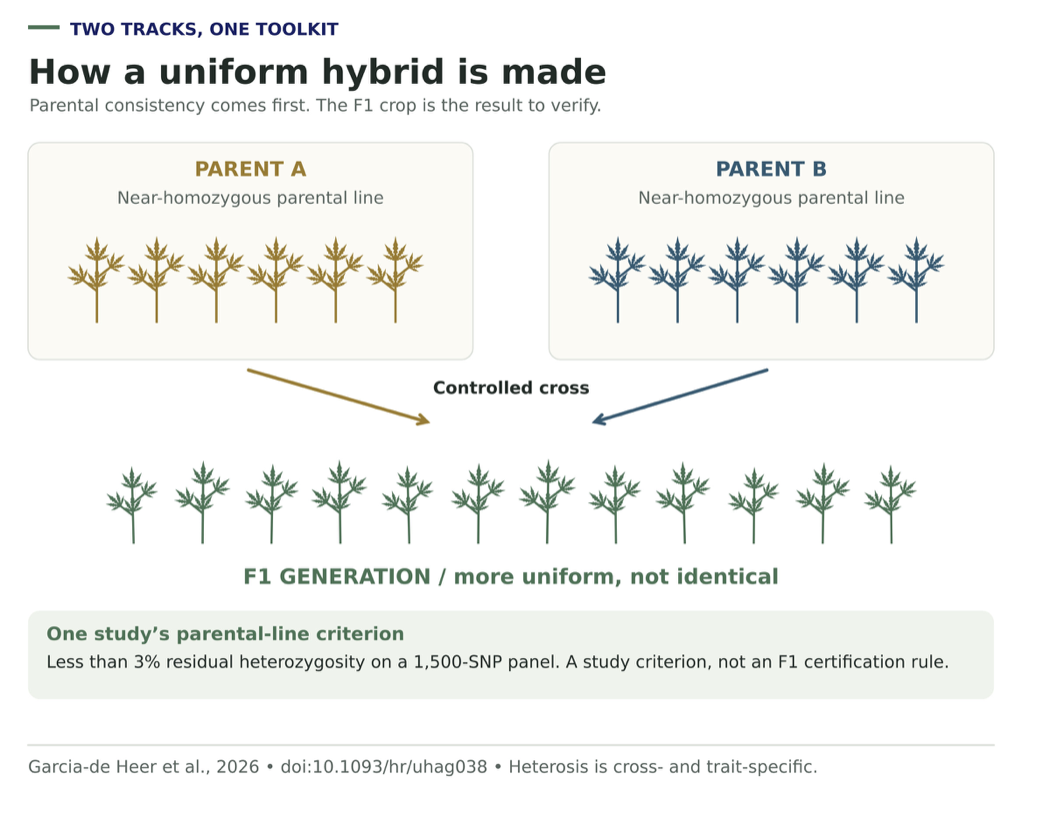
The strongest recent cannabis evidence comes from peer-reviewed hybrid programs rather than seed-catalog adjectives. A 2026 study developed functionally homozygous lines by single-seed descent, tested five F1 combinations and found that the F1 groups were generally more uniform than the source or inbred populations. Seed-yield heterosis varied widely among crosses, showing exactly why “F1” cannot substitute for field data. [4] The paper used a 1,500-SNP panel and considered parent lines with less than 3% residual heterozygosity functionally homozygous. In plain language, that is about 97% marker homozygosity in the parents under that study’s method. It is not “97% similarity among F1 siblings,” and it is not a score across several traits.
Cannabis also lacks one shortcut enjoyed by some crops. Doubled haploids can, in principle, create a fully homozygous line in one generation. Robust doubled-haploid production has not yet been demonstrated in cannabis; the 2026 paper explicitly notes that attempts have been unsuccessful. [4] Marker-assisted selection and speed breeding can shorten decisions, but there is still no button that turns a fashionable clone into a finished F1 parent overnight.
Silver thiosulfate helps breeders produce pollen from a genetically female plant, making selfing and controlled female-by-female crosses possible. That technique is commercially scalable. The real burden is the years of fixation, recordkeeping, isolation, seed production and replicated grow-outs behind the final packet.
Reader’s Checklist: Is This a Uniform Hybrid, or Just a Label?
“F1” is now printed on seed-bank pages the way “organic” once was. Remember what it actually means: F1 is a generation label, the first generation from a stated cross, and nothing more. It is not a certification, and a seed lot can be a genuine F1 and still grow out uneven. What you are really trying to buy is a predictable, uniform hybrid, and that is a separate claim the seller should be able to support.
Seven Questions Before You Buy an “F1”
- Are both parent lines named and documented?
- How was parent homozygosity measured, and what did the zygosity test show?
- Was the seed made by a controlled cross rather than open pollination?
- How many F1 plants were evaluated, and in how many environments?
- How narrow was the variation for flowering time, height, yield and chemistry?
- Is heterosis reported trait by trait, or merely promised?
- Can the seller show replicated data rather than photographs of 10 selected plants?
A uniform-looking 10-pack is encouraging, not conclusive. Grow it out and keep your own records.

A Pharmacopoeia Is Not a Breeding Certificate
The European Pharmacopoeia Cannabis flower monograph 3028 became legally applicable on July 1, 2024. [15] It establishes quality expectations for medicinal cannabis flower. It does not certify that a seed lot is a commercial F1, and an F1 label does not prove pharmaceutical compliance. Genetics and product standards solve different problems.
F1 seed offers real value. A licensed producer may replace large mother rooms with stored seed, gain better crop scheduling and reduce plant-to-plant variation. A home grower may get a more predictable canopy. The trade-off is control. The F1 seed is useful, but the strategic asset is the pair of parent lines held by the breeder. Saving seed from F1 plants (the F2 generation) reshuffles the alleles and produces a wider spread of offspring. That biological fact is why the hybrid-seed business can protect a product without a lock on every grow room.
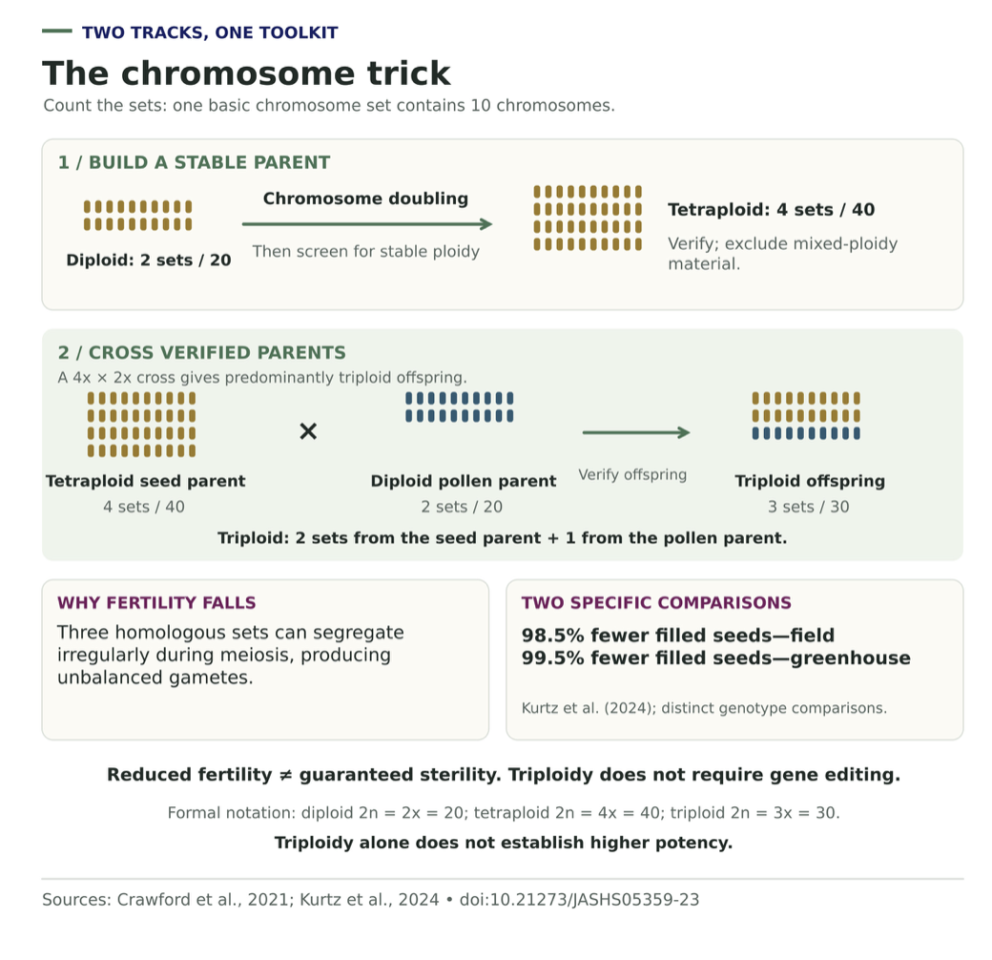
Normal diploid cannabis carries two homologous copies of most loci and 20 chromosomes arranged as 10 pairs. During meiosis, paired chromosomes separate to make balanced pollen and eggs. Triploid plants carry three chromosome sets, or 30 chromosomes. Three does not divide cleanly into the pairs that gamete formation requires. Meiosis becomes irregular, balanced gametes are less common and seed formation drops.
Breeders commonly pursue triploids by first producing a tetraploid, usually through chromosome doubling with established antimitotic treatments such as colchicine or oryzalin. A stable tetraploid can produce gametes with two chromosome sets (2x). Cross it with a diploid producing one-set (1x) gametes and the expected result is predominantly triploid offspring. Predominantly is the honest word. Mixoploidy (a mix of chromosome numbers within one plant), aneuploidy (missing or extra single chromosomes) and other off-ploidy results can occur, so the population must be checked.
You cannot reliably identify ploidy by looking at leaf size or stomata. Flow cytometry stains nuclei and measures relative DNA content; a triploid peak sits at roughly one and a half times the diploid reference. Chromosome counting can confirm the number directly, but it is slower and technically demanding.
The 2024 peer-reviewed comparison is impressive when stated precisely. Triploid cannabis produced 98.5% fewer filled seeds than diploid controls in one field comparison and 99.5% fewer in one greenhouse genotype comparison. [5] Growth and flower production were similar in that study. The paper did not prove that every triploid is sterile, more potent or higher yielding.
That distinction matters outdoors. A pollen event that turns a diploid flower crop into a seed crop can cost a season. Reducing seed set by roughly two orders of magnitude can be an enormous operational advantage even when a few seeds remain. Triploids are biological insurance, not a magic force field.
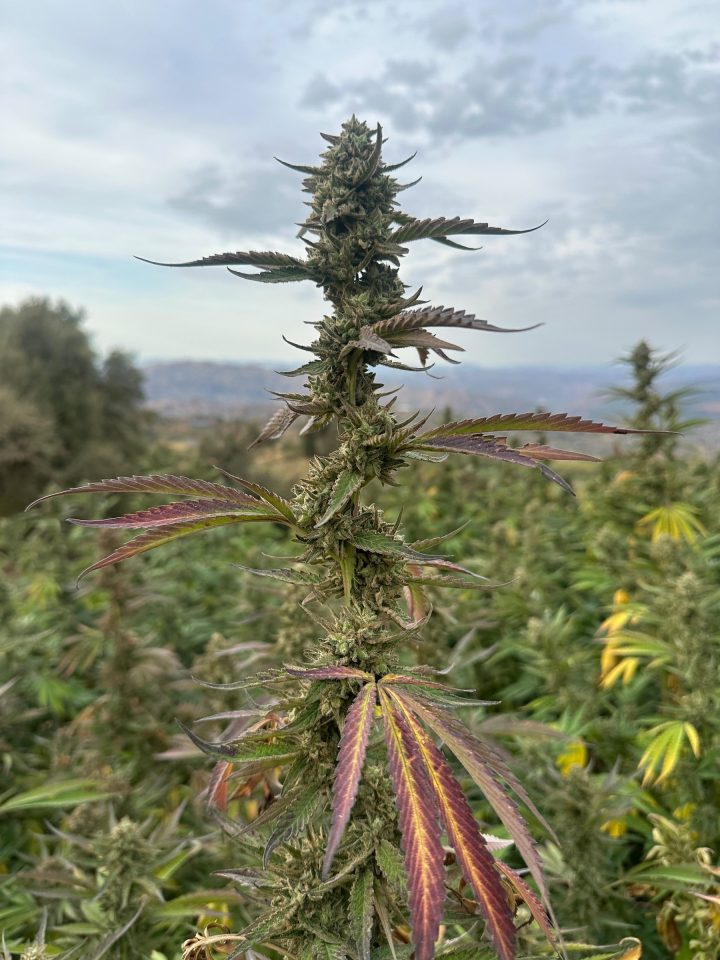
What Triploid Does — and Does Not — Mean
- Does: greatly reduce filled-seed production under pollen exposure in the cited comparisons.
- Does: create a repeatable seed product when parent stocks and the ploidy workflow are controlled.
- Does not: guarantee zero seeds, or eliminate the need for male control.
- Does not: prove higher THC, or show that a plant is gene-edited or transgenic.
- Does not: make an easy breeding parent; a low-fertility triploid is not one.

The familiar seedless-banana comparison needs a boundary. Cavendish bananas and cannabis triploids share the three-chromosome-set endpoint. They do not necessarily arrive there through the same breeding route. Use the banana to explain why three sets disrupt fertility, not as proof that every triploid crop behaves alike.
The breeder’s paradox is simple. A low-fertility triploid is not where the durable breeding power lives. The valuable assets are the stable tetraploid, the compatible diploid parent, the verified flow-cytometry workflow and the know-how to repeat the cross. Again, the packet is the visible product; the parental library is the engine.
For most of cannabis history, the breeder read the plant by growing it. The genome now provides a second kind of sight. A small leaf sample can answer a limited, useful question before the plant reaches flowering. The word limited protects us from replacing old myths with new ones.
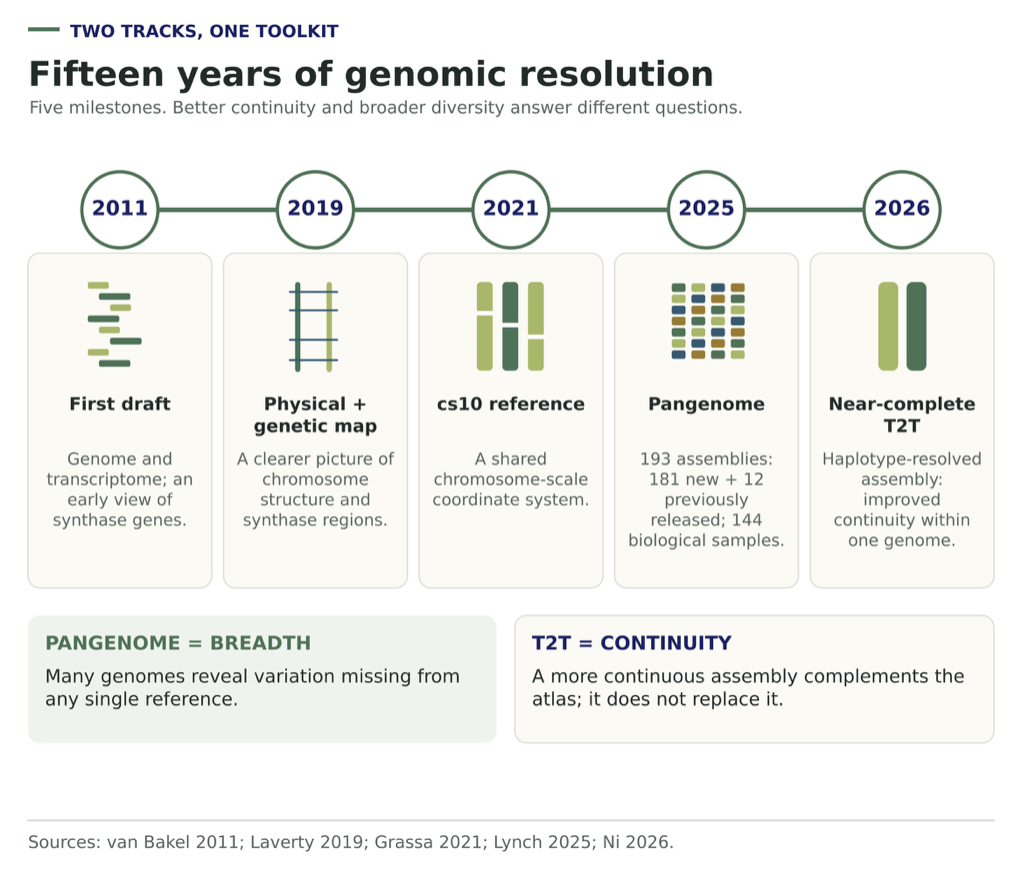
The genomic timeline came in layers. The 2011 draft genome and transcriptome identified key cannabinoid-synthase genes. [6] A 2019 physical and genetic map revealed extensive rearrangements around the genes for THCA synthase and CBDA synthase, the enzymes that make the acid forms of THC and cannabidiol (CBD). [7] The 2021 reference genome known as cs10 provided a widely used chromosome-scale coordinate system. [8] Each step sharpened the map; none turned the plant into a simple machine.
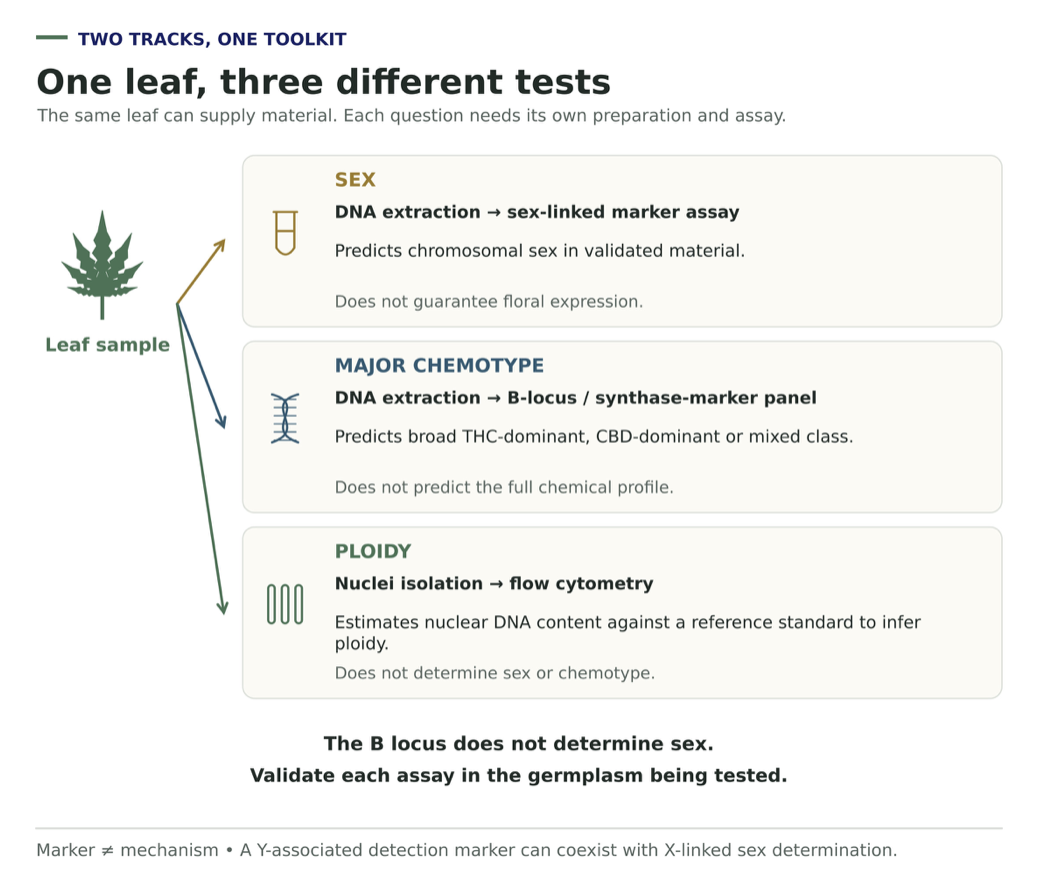
The classical chemotype model remains useful. Broadly, combinations of functional THCA- and CBDA-synthase alleles in the chemotype region breeders call the B locus help predict THC-dominant, CBD-dominant or mixed plants. But the synthase region contains duplications, inactive copies and structural variants. A marker that performs beautifully in one population can miscall another if the surrounding structure differs. Validate the test in the germplasm where you plan to use it.
Sex markers deserve the same discipline. Many Y-associated assays are highly accurate in validated dioecious populations, where they predict chromosomal sex; they do not promise future floral expression under every condition. Two independent 2026 studies point to X-linked control, but they identify different candidate systems. Carey and colleagues supported a role for an X-linked homolog of ACS (1-aminocyclopropane-1-carboxylate synthase, a key enzyme in making the plant hormone ethylene) and for ethylene signaling in female inflorescence development, with no simple universal Y master determinant. [9] Toscani and colleagues mapped an X-linked Monoecy1 region containing three other candidate regulators. [21] The studies strengthen the X-linked story without making every existing Y-associated marker useless.
Sex and chemotype are separate assays. Ploidy is a third. A sex-linked polymerase chain reaction (PCR) result does not tell you whether the plant is THC-dominant. A B-locus chemotype result does not tell you whether it is male. Neither tells you whether the plant is triploid. The same leaf can supply material for each test (extracted DNA for the marker assays, intact nuclei for flow cytometry), but the laboratory must run the correct method.
The reference itself is getting broader. A single reference genome is like one street map. It misses roads found in other neighborhoods. The 2025 cannabis pangenome combined 181 new assemblies with 12 previously released genomes, representing 144 biological samples. [10] The distinction matters: 193 genome assemblies are not 193 independent plants. The work revealed extensive genetic and structural variation, including XX (female) and XY (male) material, and gave breeders a better atlas of the species.
In 2026, a near-complete, haplotype-resolved telomere-to-telomere (T2T) assembly, which aims to read each chromosome from end to end and keeps the two parental copies separate, pushed through repetitive and higher-order regions that earlier references left fragmented. [11] A pangenome and a T2T assembly do different jobs. The pangenome expands population breadth. A high-quality T2T assembly improves continuity and phasing in one genome. Both help separate structural genetic differences from changes in expression and environment.
Jorge’s Tip: Buy the Question, Not the Buzzword
Before paying for a genetic test, ask exactly what it predicts, in which populations it was validated, how often it is wrong and what management decision changes when the result arrives. A marker is an ID tag for a validated trait, not a complete adult performance forecast.
Beyond single markers, genome-wide association studies (GWAS) and genomic selection are often confused. GWAS looks for markers statistically associated with traits. It helps locate genomic neighborhoods worth investigating, but association is not proof of cause. Genomic selection uses thousands of markers and a trained model to predict breeding value. It can shorten breeding cycles when the training data represent the genetics and environments being predicted. A model trained on unrelated material is like a weather forecast for the wrong continent.
Custom target-capture panels may offer a middle ground between a few markers and whole-genome sequencing. They read selected genomic regions rather than the entire genome. Such panels can be useful, but panel size, target choice and accuracy are design-specific. Until validation is public, describe any commercial panel as company-reported and not as a universal standard.
If the genome is an instruction manual, CRISPR is a programmable search tool attached to scissors. The name, short for clustered regularly interspaced short palindromic repeats, comes from the bacterial immune system the tool was adapted from. A short guide RNA (ribonucleic acid) leads a nuclease, a DNA-cutting enzyme such as Cas9 (CRISPR-associated protein 9), to a matching DNA sequence. The nuclease cuts. The cell repairs the break. Error-prone repair often creates a small insertion or deletion that knocks out a gene. Template-guided repair can, in principle, install a specific sequence, though precise repair is generally harder in plant systems.
The first peer-reviewed CRISPR/Cas9 proof-of-concept in cannabis appeared in 2021. Researchers targeted phytoene desaturase, a pigment gene, and recovered albino edited seedlings. [12] White seedlings were not the commercial goal; they made the edit visible. It was a proof that transformation, editing and regeneration could be linked in this species.
The inheritance story needs more care than a press release usually gives it. A CRISPR change can create a stable allele. It is not automatically inherited by every descendant. The edit must reach reproductive tissue, the plant must be sufficiently non-mosaic, and the allele must pass through a cross. A heterozygous edit segregates. A homozygous edit breeds differently. Every serious program confirms the sequence, zygosity, phenotype and germline transmission.
RNA interference (RNAi) is another tool entirely. RNAi reduces gene expression. An externally applied RNA can be transient; a transgene encoding the RNAi trigger can make the effect heritable. “RNAi turns down a dimmer; CRISPR rewires the circuit” is a helpful first picture, as long as delivery method and inheritance are stated beside it.
Is a Gene-Edited Plant a GMO?
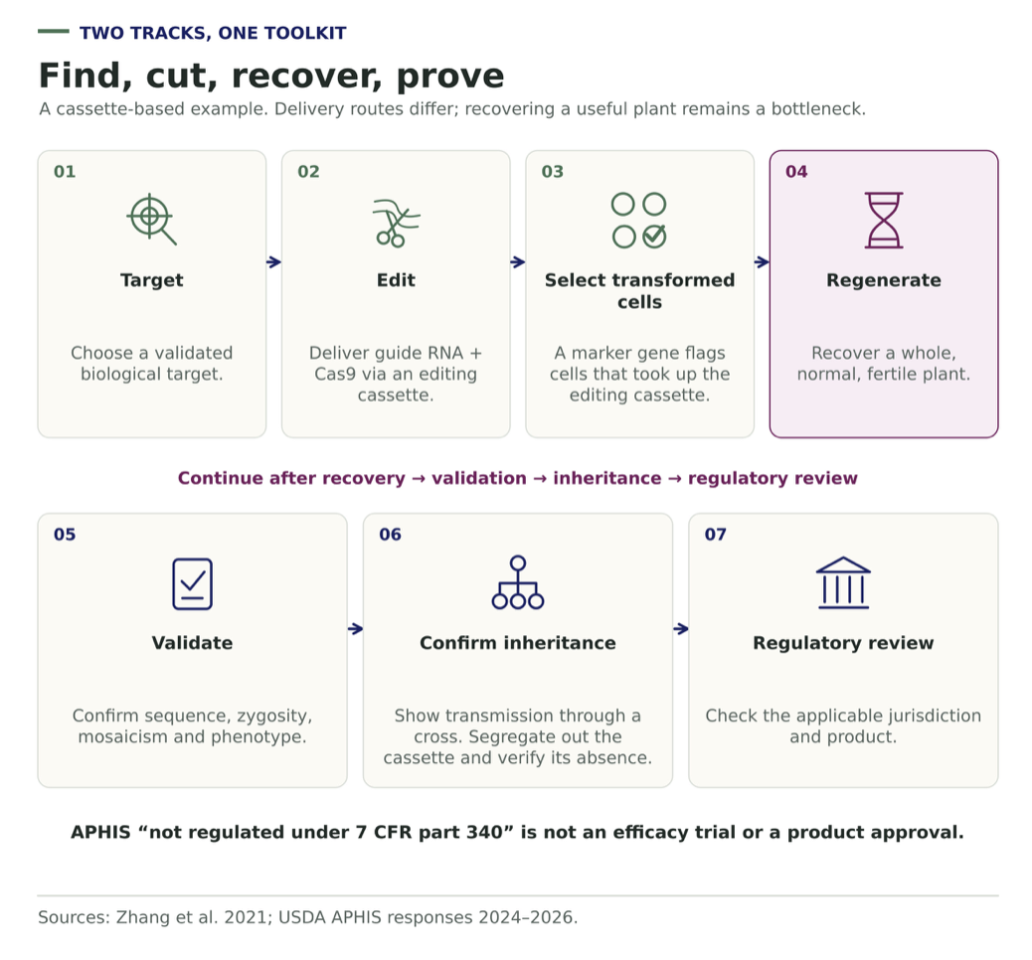
It depends on who is asking: the scientist or the regulator. All breeding changes a plant’s genetic makeup. For most growers, and for many regulators, the practical question is whether foreign DNA remains, although that alone does not settle a plant’s legal status. A classic transgenic plant, the textbook genetically modified organism (GMO), carries a gene from another species. In the cassette-based approach shown in Figure 9, DNA encoding Cas9, the guide RNA and a selectable marker (often an antibiotic-resistance gene used to pick out transformed cells) enters the plant first. [12] Breeders then cross or self the plant and keep offspring that carry the edit but no longer carry the cassette. Other delivery methods differ.
What remains can be a small change in the plant’s own gene, the kind of change that could, in principle, also arise from a spontaneous mutation. That is why the rules are shifting, and why they differ by country. In the United States, USDA APHIS decides case by case whether a modified plant falls under its biotechnology regulations, set out in part 340 of Title 7 of the Code of Federal Regulations (7 CFR part 340); the Badger lines described below were found not regulated. [16, 17, 24] In the European Union, gene-edited plants are still regulated as GMOs even when no foreign DNA remains, following a 2018 ruling of the EU Court of Justice. [30] That changes under Regulation (EU) 2026/1388, in force since July 16, 2026, and applicable from July 17, 2028: plants with small, conventional-like edits (category 1) will be treated much like conventionally bred plants, while more complex edits (category 2) stay under adapted GMO rules. [28]
Whatever the label, ask the same three questions: What was changed? Is any foreign DNA left? How was the result tested?
What Has Actually Reached a Regulator
USDA APHIS has issued three responses on gene-edited hemp from the University of Wisconsin–Madison’s Wisconsin Crop Innovation Center. Badger G (2024) is a CBDA-synthase knockout that accumulates cannabigerol (CBG) instead of CBD. In January 2026 came Badger PMR, which targets Mildew Locus O (MLO) genes linked to powdery mildew, and Badger Zero, developed to make no cannabinoids. [16, 17, 24]
The wording matters. APHIS found, based on the developers’ submissions, that these plants are not regulated under 7 CFR part 340. That is not an efficacy trial, a product approval, a food-safety finding or permission under other laws.
The THC question is harder. THCA synthase and CBDA synthase are closely related enzymes with overlapping activity, so knocking out a validated THCA-synthase target can greatly reduce the risk of a “hot” crop without guaranteeing compliance: other synthase copies, environment, sampling and the testing rule in force all matter.
Regulatory Snapshot (as of October 8, 2026)
Rescheduling. A final rule of April 28, 2026, moved marijuana drug products approved by the Food and Drug Administration, and marijuana under a qualifying state medical-marijuana license, into Schedule III; other marijuana stays in Schedule I. [18] On September 9, the U.S. Court of Appeals for the D.C. Circuit refused to pause the rule pending appeal. [26]
The broader question. A Drug Enforcement Administration (DEA) hearing on rescheduling all marijuana ended on July 15, 2026. [19] On September 29, the presiding judge stayed the case before issuing a recommendation, pending briefing, due October 13, on adding a new Government Accountability Office report to the record. [31] The DEA Administrator decides.
Hemp. Public Law 119-37 (2025) redefines hemp by a 0.3% total-THC limit including THCA, excludes synthesized cannabinoids and caps final hemp-derived cannabinoid products at 0.4 mg total THC per container. [23] A stopgap law of September 2, 2026, delays most of this to December 11, 2026; only the exclusion of cannabinoids the plant cannot naturally produce starts on November 12. [27]
Dates move. Check the cited records before you plant, process or sell.
The Regeneration Wall
The glamorous part of gene editing is the cut. The hard part is rebuilding a normal plant from the edited cell. Cannabis regeneration remains strongly genotype- and protocol-dependent. A method that works on one accession may fail on an elite commercial line. An edited shoot may be mosaic, abnormal or infertile. Until regeneration becomes reliable across diverse germplasm, the laboratory can design edits faster than breeding programs can recover usable plants.
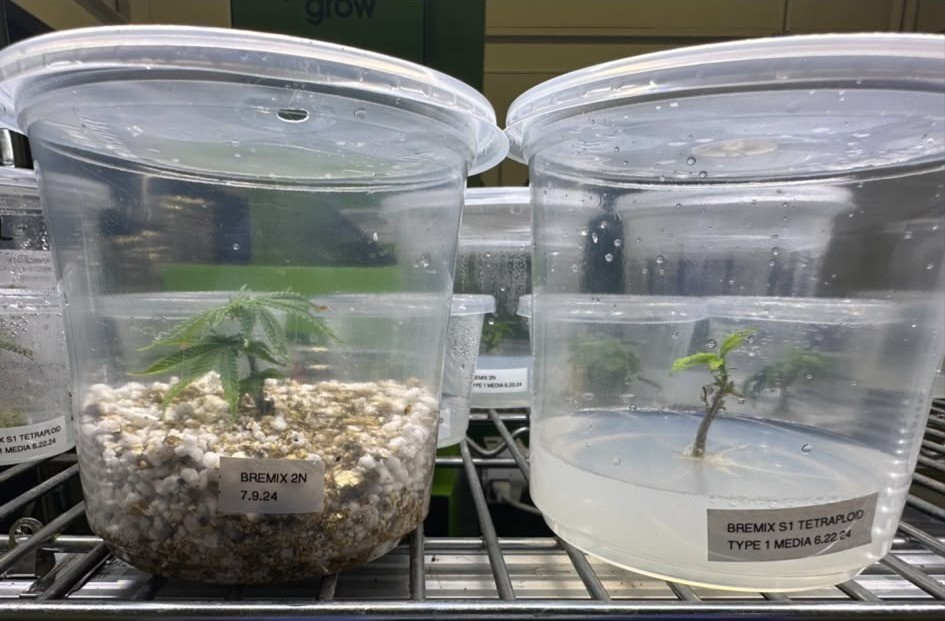
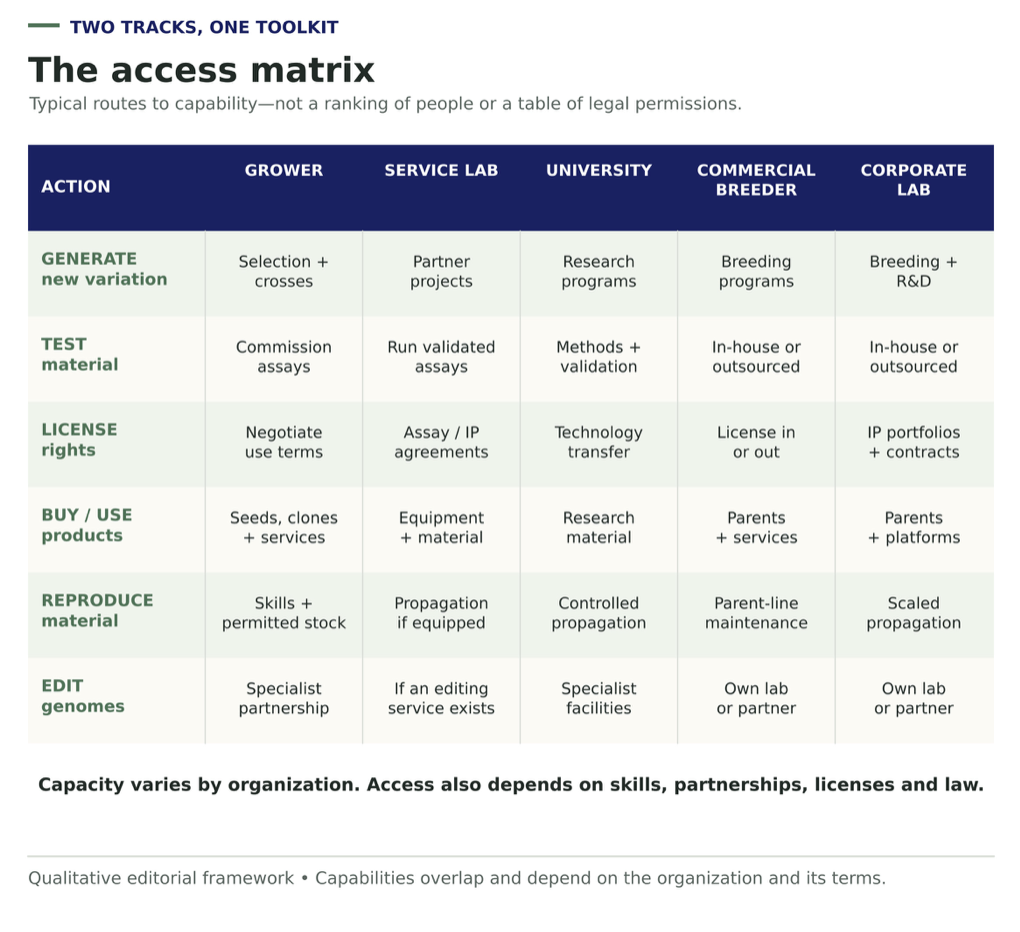
That bottleneck affects access. A grower with a marker test can act on a result immediately. A small breeder can make crosses. A gene-editing program needs tissue culture, transformation, molecular validation, controlled recovery and legal review. Partnerships can open the door, but the door is not equally wide.
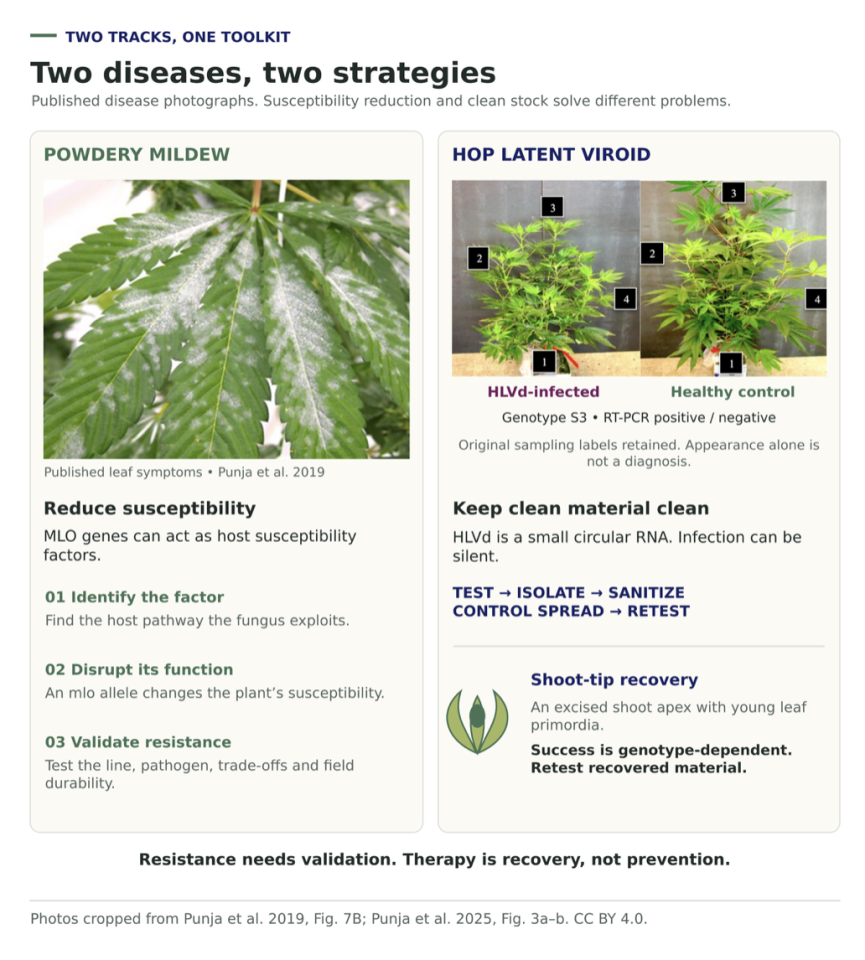
Two Diseases, Two Strategies
Powdery mildew and HLVd show why “genetic resistance” is not one problem. Powdery mildew is a fungus with recognizable molecular interactions. In several crops, loss-of-function alleles in MLO genes reduce susceptibility. Cannabis programs can use the same biological logic, but resistance durability, side effects and field performance still need cannabis-specific evidence.
HLVd is a 256-nucleotide circular RNA that encodes no proteins and hijacks the plant’s machinery. No widely deployed cannabis resistance gene solves it today. The practical defense is an integrated clean-stock system: test, quarantine, exclude, sanitize tools, control mechanical spread and keep verified mothers separate.
Meristem-tip therapy can rescue elite material in some cultivars. Very small shoot tips, on the order of 0.1–0.5 mm, or 1/250 to 1/50 of an inch, are chosen because HLVd concentration may be low or absent there. Clearance is not guaranteed. One 2025 cannabis study used 0.5–0.7 mm apical shoot-tip explants with thermotherapy and achieved confirmed elimination in five of 13 cultivars, demonstrating strong genotype dependence. [13] Cleaned plants require repeated molecular testing before they return to the mother room. [13, 14]
A Clean-Stock Loop
- TEST arrivals and mother plants
- ISOLATE positives or unknowns
- SANITIZE tools, hands and work areas
- RECOVER irreplaceable genetics through validated therapy
- RETEST more than once
- REINTRODUCE only verified clean material
The Middle Route: TILLING
TILLING, short for Targeting Induced Local Lesions IN Genomes, creates a population carrying many induced mutations, then screens it to find useful changes in chosen genes. [22] It does not use a programmable nuclease and need not leave foreign DNA in the selected plant. It can uncover alleles that conventional screening might take many seasons to find.
TILLING and CRISPR create new alleles at selected targets. They do not restore natural haplotypes or genome-wide diversity lost from elite lines. Only conserved germplasm and crossing can reintroduce those missing chapters. Precision tools and preservation are partners, not substitutes.
Who Owns a Plant?
Genetics can be owned as well as grown. U.S. Patent 9,095,554, issued in 2015, claimed a cannabis plant. [20] Today varieties, alleles and editing methods can all be protected, and licenses add terms of their own. What that covers depends on the claims, the country and the contract.
Jorge’s Tip: What Travels With the Cutting
Before building a season on a patented or licensed line, ask what travels with the cutting: can you clone it, cross it, save seed, sell progeny? Don’t guess; get qualified advice.
| If you want to… | Reach for… | Keep in mind… |
|---|---|---|
| Plant a more uniform crop from seed | A documented commercial F1 hybrid | F1 names a generation; uniformity needs parent and grow-out evidence |
| Reduce seed set under outdoor pollen pressure | Verified triploid seed | Strong reduction, not guaranteed sterility |
| Identify likely XY plants early | A validated sex-marker assay | Predicts chromosomal sex in validated germplasm; not floral expression |
| Predict broad THC/CBD class | A validated major-chemotype marker | Structural variation can complicate calls; it does not predict the full profile |
| Confirm triploidy | Flow cytometry | Ploidy is not a PCR result and cannot be proven by appearance |
| Protect a clone library from HLVd | Integrated clean-stock management | Meristem therapy is recovery, not prevention; repeat testing is essential |
| Reproduce one exceptional genotype | Clean clones | Preserve verified mother stock and monitor health |
| Preserve diversity | Documented seed, duplicate storage and periodic grow-outs | Provenance and viability are as important as the name |
Conclusion
Stand back and the practical equation is clear: phenotype reflects genetics, environment and their interaction, which quantitative geneticists write as P ≈ G + E + G×E. Growers know the plain version: the recipe matters, the oven matters, and some recipes suit one oven better than another. Each of the four tools works on part of that equation; none replaces the grow-out.
Three things will shape what comes next. Gene editing will spread only as fast as edited cells can be regenerated into normal plants across many genotypes. Genomic selection is only as good as the breeding population and field data behind it. And chemistry needs better questions than a single THC percentage: dose, route and individual biology shape the effect.
Every precision program also draws on diversity accumulated before it. A landrace is not a primitive version of an elite cultivar; it is a population shaped by farmers, climate, pests and selection over generations, and it carries variation future breeders may need. Keeping that library alive takes active work and honest labels: a newly packaged polyhybrid is not a preserved landrace.
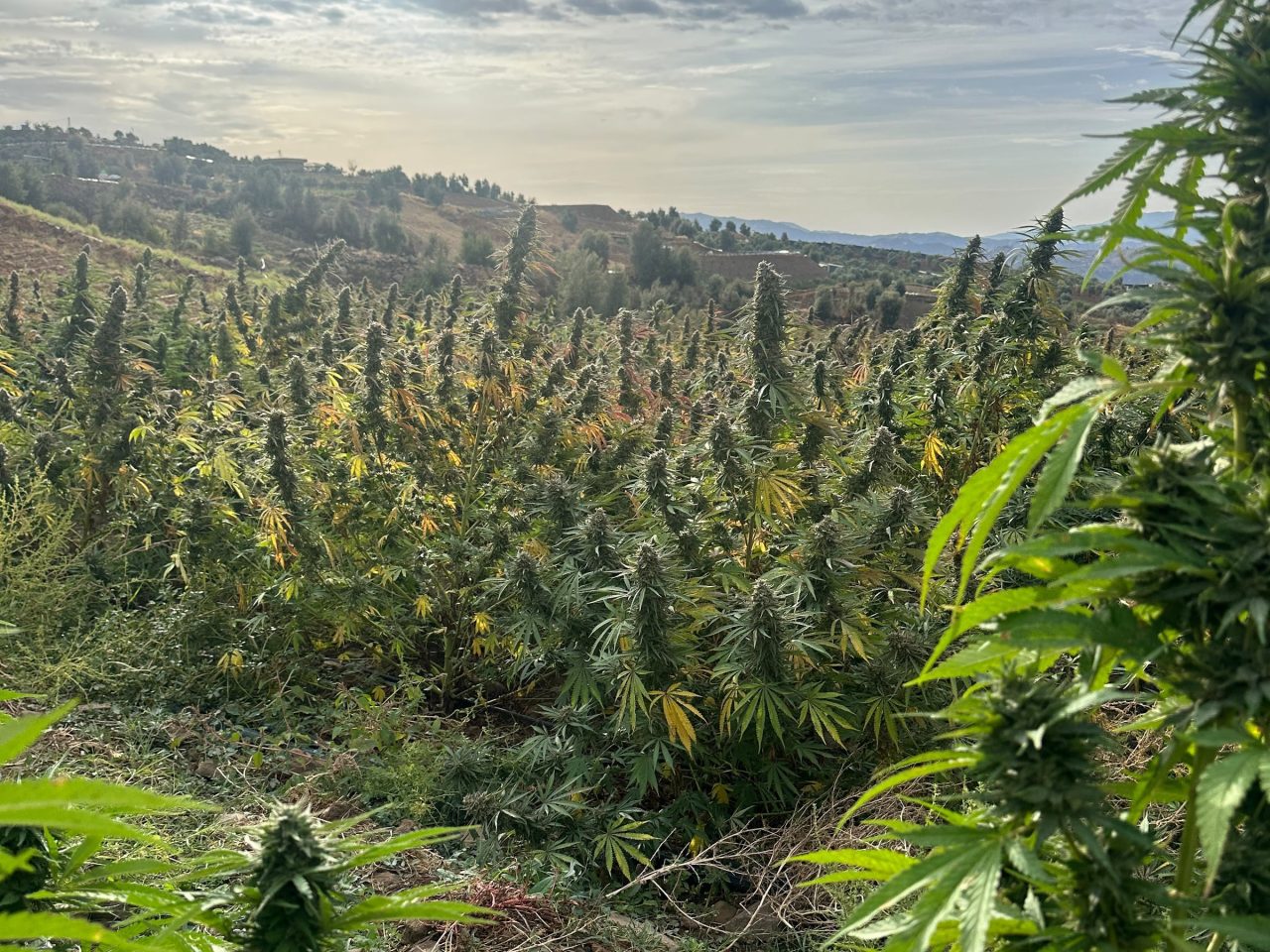
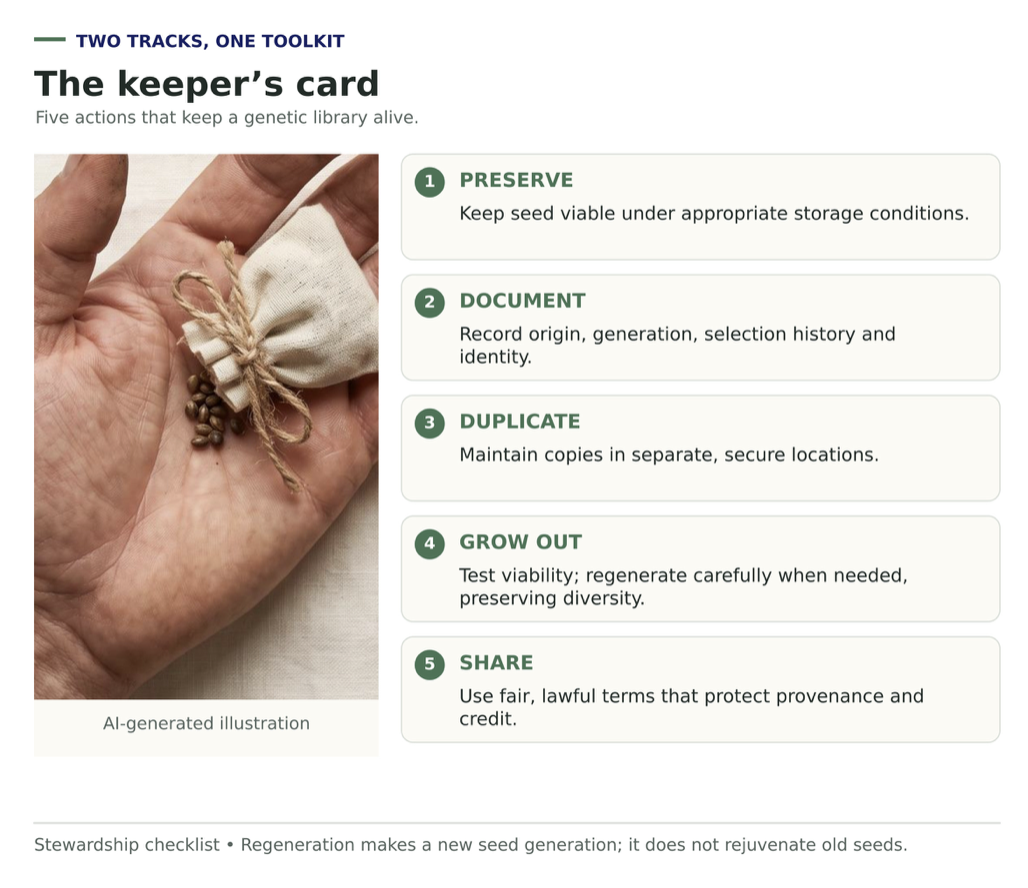
So who really owns the future of cannabis genetics? No single track does. The tools are shared; who uses them, and on what terms, is for growers, breeders, laboratories and companies to decide, not for us. Our job was to set out accurately what each tool can do, what it cannot, and what it takes to use it.
Every seed is a sentence in a story older than writing, and we are carrying that library forward. So my message to everyone who grows is simple: you are not just growers. You are librarians. Use the new tools, demand evidence, keep the parent stock clean, keep the claims honest and keep enough diversity alive that the next generation still has something worth improving.
This article was built the way good breeding is: by crossing strengths. Oussama brought genomics, polyploid breeding and gene editing; Gary, a plant scientist’s discipline, molecular genetics and a cultivator’s eye. Stefan Meyer brought us together and kept the regulatory record straight, and I brought half a century of watching growers carry this plant from prohibition into the lab.
Grow free, grow well — and keep the library open.
— Jorge Cervantes, Dr. Oussama Badad, Dr. Gary Yates and Stefan Meyer
About the Collaborators
Dr. Oussama Badad is Chief Science Officer at Trilogene Seeds. He contributed perspectives on cannabis genomics, polyploid breeding and gene-editing programs.
Dr. Gary Yates is a geneticist, plant scientist and cultivator who consults with Avitas Global. He has worked in research laboratories and with licensed cannabis producers. For this article he contributed plant-science and genetics input and the final review.
Stefan Meyer is co-founder of Phytoplant Research and CEO of PhytoFlow GmbH, and helped secure Spain’s first medical-cannabis research license. He contributed regulatory and medical-quality context.
About the Evidence
This article cites peer-reviewed studies and official records. Company-reported claims that could not be independently verified were left out. The regulatory snapshot reflects the public record as of October 8, 2026. Diagrams are editorial explainers. The disease photographs in Figure 10 are reproduced from published studies under a Creative Commons Attribution license (CC BY 4.0); the other photographs are reproduced under the open licenses stated in their captions or by courtesy of Trilogene Seeds; the seed-in-hand image in Figure 12 is AI-generated and labeled as such.
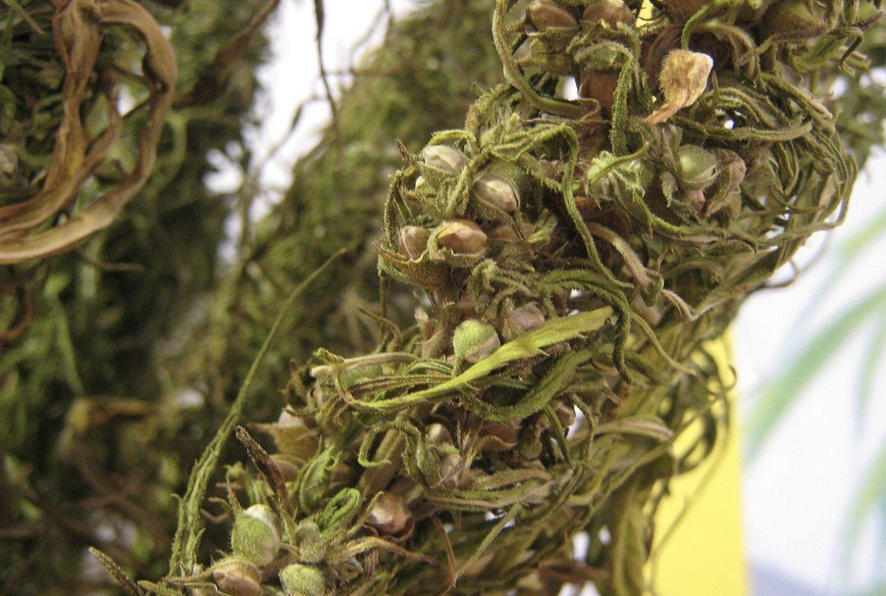
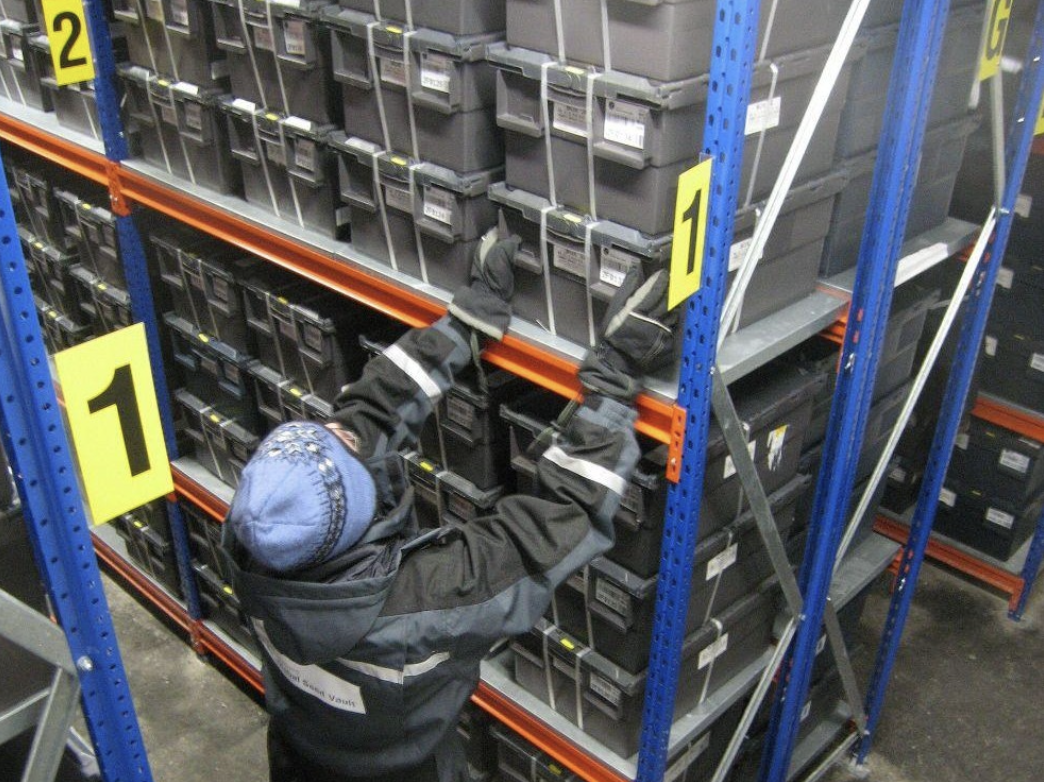
Image credits: Infographics (Figures 1–12): diagrams by the authors. Featured image: Cannabis Tours (CC BY-SA 4.0), via Wikimedia Commons, and Trilogene Seeds. The two plants in Figure 3, the triploid in flower, the Bab Berred hillside and the tissue-culture photographs: courtesy of Trilogene Seeds. Male flowers: “Cannabis male flowers,” Wikimedia Commons, CC BY-SA 3.0. Seed heads: D-Kuru, CC BY-SA 3.0 AT, via Wikimedia Commons. Figure 13: Dag Endresen, public domain, via Wikimedia Commons. Figure 10: Punja et al. (2019) and Punja et al. (2025), CC BY 4.0, cropped and arranged.
Disclosure: Trilogene Seeds, where Dr. Badad is Chief Science Officer, develops and markets cannabis genetics, including triploid seed, and reports holding commercial rights related to gene-edited hemp lines developed at the Wisconsin Crop Innovation Center. The photographs credited to Trilogene Seeds were supplied by the company through Dr. Badad.
Sources & Key References
- Sawler J. et al. (2015). “The genetic structure of marijuana and hemp.” PLoS ONE 10:e0133292. doi.org/10.1371/journal.pone.0133292
- Reimann-Philipp U. et al. (2020). “Cannabis chemovar nomenclature misrepresents chemical and genetic diversity.” Cannabis and Cannabinoid Research 5:215–230. doi.org/10.1089/can.2018.0063
- Watts S. et al. (2021). “Cannabis labelling is associated with genetic variation in terpene synthase genes.” Nature Plants 7:1330–1334. doi.org/10.1038/s41477-021-01003-y
- Garcia-de Heer L. et al. (2026). “Weeding out variability: a proof-of-concept for producing uniform F1 hybrid Cannabis sativa L. using single-seed descent.” Horticulture Research 13(5):uhag038. doi.org/10.1093/hr/uhag038
- Kurtz L. E., Brand M. H. & Lubell-Brand J. D. (2024). “Cannabis triploids exhibit reduced fertility and similar growth and flower production compared to diploids.” Journal of the American Society for Horticultural Science 149(2):75–85. doi.org/10.21273/JASHS05359-23
- van Bakel H. et al. (2011). “The draft genome and transcriptome of Cannabis sativa.” Genome Biology 12:R102. doi.org/10.1186/gb-2011-12-10-r102
- Laverty K. U. et al. (2019). “A physical and genetic map of Cannabis sativa identifies extensive rearrangements at the THC/CBD acid synthase loci.” Genome Research 29:146–156. doi.org/10.1101/gr.242592.118
- Grassa C. J. et al. (2021). “A new Cannabis genome assembly associates elevated cannabidiol (CBD) with hemp introgressed into marijuana.” New Phytologist 230:1665–1679. doi.org/10.1111/nph.17243
- Carey S. B. et al. (2026). “An X-linked sex determination mechanism in cannabis and hop.” Nature Communications 17:6866. doi.org/10.1038/s41467-026-73233-7
- Lynch R. C. et al. (2025). “Domesticated cannabinoid synthases amid a wild mosaic cannabis pangenome.” Nature 643:1001–1010. doi.org/10.1038/s41586-025-09065-0
- Ni Y. et al. (2026). “A near-complete, haplotype-resolved telomere-to-telomere genome assembly of Cannabis sativa reveals complex higher-order repetitive structures.” Plant Communications 7(9):101913. doi.org/10.1016/j.xplc.2026.101913
- Zhang X. et al. (2021). “Establishment of an Agrobacterium-mediated genetic transformation and CRISPR/Cas9-mediated targeted mutagenesis in hemp (Cannabis sativa L.).” Plant Biotechnology Journal 19:1979–1987. doi.org/10.1111/pbi.13611
- Torres A., Pauli C., Sarmiento C., Zalewski C. & Gaudino R. (2025). “Differential gene expression analysis of Cannabis sativa following Hop Latent Viroid (HLVd) eradication therapy in micropropagation tissue culture.” Plant Cell, Tissue and Organ Culture 161:66. doi.org/10.1007/s11240-025-03057-8
- Punja Z. K. et al. (2025). “Transmission, spread, longevity and management of Hop latent viroid, a widespread and destructive pathogen affecting cannabis (Cannabis sativa L.) plants in North America.” Plants 14(5):830. doi.org/10.3390/plants14050830
- European Directorate for the Quality of Medicines & HealthCare (EDQM). European Pharmacopoeia monograph 3028, Cannabis flower (implemented July 1, 2024). edqm.eu: Cannabis flower monograph
- USDA APHIS (2026). Response to the Wisconsin Crop Innovation Center, 25-317-09air (Badger Zero). aphis.usda.gov/…/25-317-09air-response.pdf
- USDA APHIS (2026). Response to the Wisconsin Crop Innovation Center, 25-317-07air (Badger PMR). aphis.usda.gov/…/25-317-07air-response.pdf
- U.S. Department of Justice / DEA (2026). “Schedules of Controlled Substances: Rescheduling of FDA Approved Products Containing Marijuana From Schedule I to Schedule III; Corresponding Change to Permit Requirements.” Final rule, 91 FR 22714, April 28, 2026. federalregister.gov, document 2026-08176
- U.S. Drug Enforcement Administration. “Marijuana Rescheduling Regulatory Actions” (notice of hearing, 91 FR 22777; hearing June 29–July 15, 2026), accessed October 7, 2026. dea.gov/marijuana-rescheduling-regulatory-actions. See also Morgan Lewis, “Post-DEA Hearing, Broader Marijuana Rescheduling Questions Remain,” September 24, 2026.
- U.S. Patent 9,095,554 B2, issued August 4, 2015. patents.google.com/patent/US9095554B2
- Toscani M. et al. (2026). “Three closely linked X-chromosomal genes potentially control sex determination in Cannabis sativa.” New Phytologist 251:505–522. doi.org/10.1111/nph.71185
- McCallum C. M. et al. (2000). “Targeted screening for induced mutations.” Nature Biotechnology 18:455–457. doi.org/10.1038/74542
- Public Law 119-37, Continuing Appropriations, Agriculture, Legislative Branch, Military Construction and Veterans Affairs, and Extensions Act, 2026, Division B, section 781 (enacted November 12, 2025). govinfo.gov: PLAW-119publ37
- USDA APHIS (2024). Regulatory Status Review response 23-306-01rsr to the Wisconsin Crop Innovation Center (CBDAS-edited hemp line reported as Badger G). aphis.usda.gov/…/23-306-01rsr-response.pdf
- Crawford S. et al. (2021). “Characteristics of the diploid, triploid, and tetraploid versions of a cannabigerol-dominant F1 hybrid industrial hemp cultivar, Cannabis sativa ‘Stem Cell CBG’.” Genes 12(6):923. doi.org/10.3390/genes12060923
- Cannabis Business Times (2026). “Federal Court Denies Anti-Rescheduling Parties’ Motion to Stay Schedule III Cannabis Order” (U.S. Court of Appeals for the D.C. Circuit, order of September 9, 2026, in the consolidated petitions). cannabisbusinesstimes.com
- Public Law 119-103, Continuing Appropriations and Extensions Act, 2027, section 2019 (H.R. 6500, signed September 2, 2026). govinfo.gov: PLAW-119publ103
- Regulation (EU) 2026/1388 of the European Parliament and of the Council of June 17, 2026, on plants obtained by certain new genomic techniques and their products, and amending Regulation (EU) 2017/625. Official Journal of the European Union L, 2026/1388, June 26, 2026; in force July 16, 2026, main provisions applicable from July 17, 2028 (Article 38). eur-lex.europa.eu/eli/reg/2026/1388
- Punja Z. K., Collyer D., Scott C., Lung S., Holmes J. & Sutton D. (2019). “Pathogens and molds affecting production and quality of Cannabis sativa L.” Frontiers in Plant Science 10:1120. doi.org/10.3389/fpls.2019.01120
- Court of Justice of the European Union (Grand Chamber), Case C-528/16, Confédération paysanne and Others, judgment of July 25, 2018, ECLI:EU:C:2018:583. EUR-Lex: 62016CJ0528
- U.S. Drug Enforcement Administration (2026). “Order Staying Case and Ordering Response to Motion,” Chief Administrative Law Judge Derek C. Julius, September 29, 2026, DEA Docket No. 1362, Hearing Docket No. 26-96. dea.gov: Stay and Briefing Order. The motion concerns U.S. Government Accountability Office, “Drug Scheduling: While DEA Decisions Have Aligned with Recent HHS Recommendations, Both Need Comprehensive Policies,” September 23, 2026.