



Wisconsin’s incoming Democratic governor says he wants to use revenue from legalizing marijuana to offset federal cuts to Medicaid, while a top leader in the party’s new legislative majority is making clear that enacting cannabis reform is a “priority” she wants to enact in the “coming year.”
Gov.-elect David Crowley (D) was asked in an interview with CNN on Tuesday about the impact that federal Medicaid cuts enacted under congressional Republicans’ so-called One Big Beautiful Bill Act will have on Wisconsin.
He replied that he is “looking forward to working with our brand new Democratic trifecta legislature” to address the issue, which will involve finding ways to “increase our revenues, and we can do that by finding new ways.”
“For example, legalizing marijuana,” Crowley said. “We are one of the very few states in the Midwest that has not legalized it.”
“We’re losing tens of millions of dollars to our neighbors to the south in Illinois and Minnesota and Michigan,” the incoming governor said. “And so our goal is to make sure that we can grow our economy, grow our business—but at the end of the day, we have to take care of our people, and we have to make we do that by lowering their costs no matter what they’re paying for.”
Meanwhile, Rep. Greta Neubauer (D), who was elected by her colleagues on Tuesday to become the next speaker of the Assembly when the legislature convenes in January, said at a press conference following the leadership vote that marijuana legalization is “a priority for us.”
“We’re figuring out exactly where it fits,” she said in response to a question about whether the reform would be included in the state budget or advance separately. “But we do hope to pass marijuana legalization in the coming year.”
Sen. Dianne Hesselbein (D), who was elected by Senate Democrats to be the next majority leader, said it is “to be determined” whether cannabis legalization would be included in the budget or proposed as a standalone bill.
Neubauer and other Democratic lawmakers previously spoke last week about the improved prospects for marijuana legalization in Wisconsin following their party’s wins in the midterm elections.
“We know that legalization of marijuana is very popular in the state of Wisconsin, and we intend to listen to the voters of Wisconsin and the people of our state and legalize marijuana in the coming year to two years,” the incoming speaker said.
Outgoing Gov. Tony Evers (D) and Democratic legislative leaders have pushed for legalizing marijuana for recreational or medical use for years, but have been stymied by Republican majorities.
Crowley, the incoming governor, said at a debate last month that “we have to go towards full legalization because this is opportunity that we’re missing out on as a state,” cautioning that he also wants to “make sure that we have guardrails in place” to protect children and ensure accurate labeling on cannabis products.
He said that “if we were to go to full legalization, we could bring in anywhere between $80-170 million, helping to invest in healthcare all across the state of Wisconsin without allowing our money—nor these opportunities—to go to Illinois, Minnesota or Michigan.”
Crowley separately said earlier last month that Wisconsin should legalize marijuana to raise revenue that can be used to fund free pre-kindergarten education and an expansion of healthcare access.
Evers, the outgoing governor, has pushed to legalize marijuana for recreational and medical purposes for years, but those proposals have been blocked by the legislature’s Republican majority.
A limited medical cannabis bill did clear one committee this session, but did not advance further.
Crowley said at a forum hosted by a cannabis reform group earlier this year reform supporters “cannot wait until after the governor’s election” to push the issue, arguing that they need to “organize in making this one of the top priorities in this upcoming election.”
“If you can’t change minds, you have to change faces,” he said. “I want you all to know that we’re going to work directly with you and make sure that you have a seat at the table, because if you don’t have a seat at the table, that means you’re on it.”
—
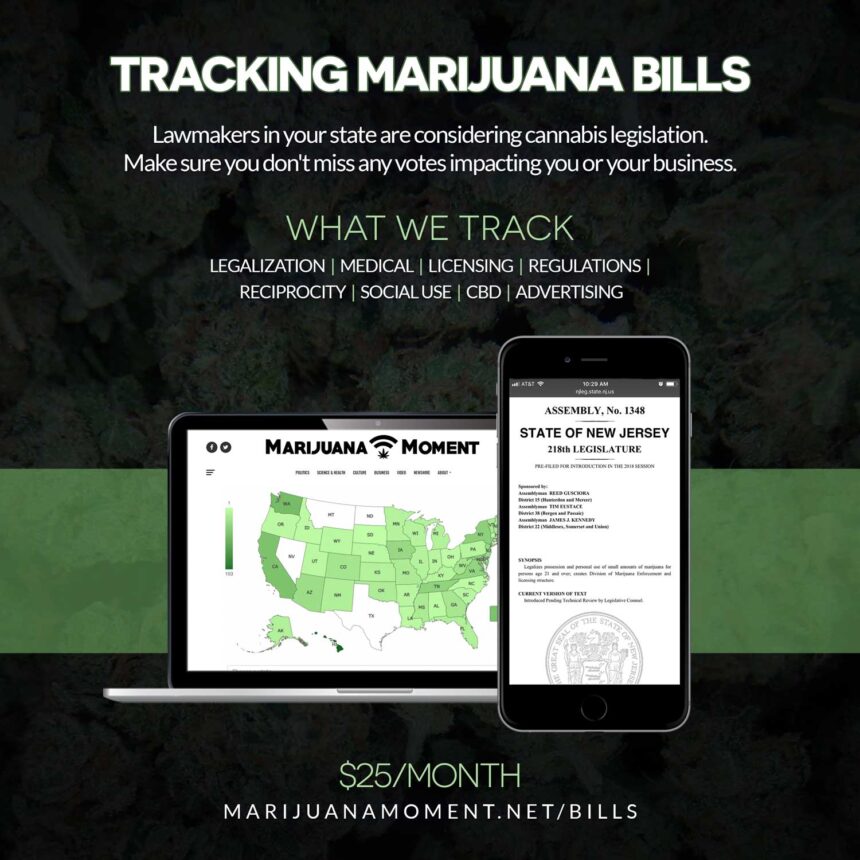
Marijuana Moment is tracking hundreds of cannabis, psychedelics and drug policy bills in state legislatures and Congress this year. Patreon supporters pledging at least $25/month get access to our interactive maps, charts and hearing calendar so they don’t miss any developments.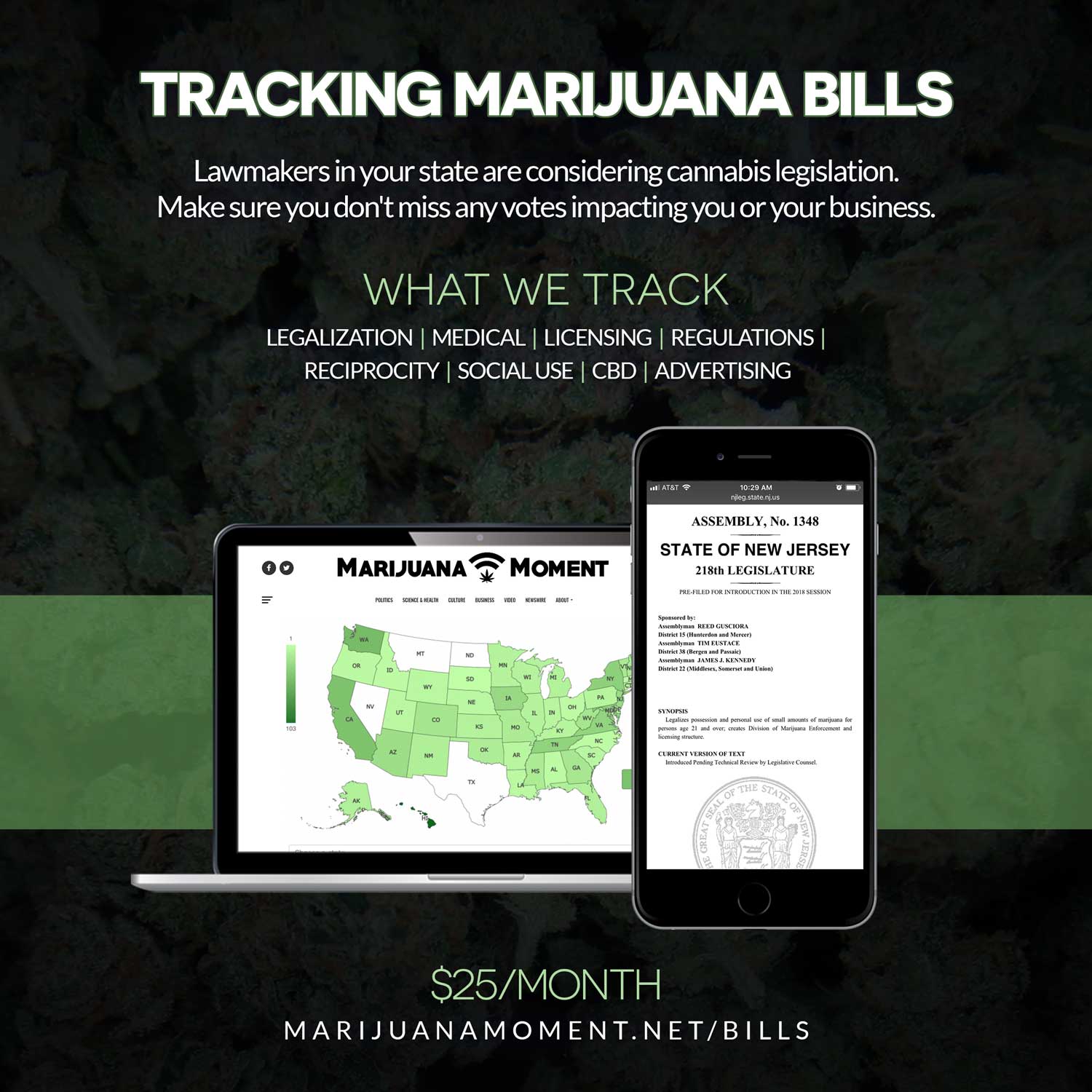
Learn more about our marijuana bill tracker and become a supporter on Patreon to get access.
—
Democratic lawmakers filed legislation in the 2026 session to broadly legalize and regulate marijuana, and bipartisan legislation to simply decriminalize cannabis possession was also filed—but neither proposal advanced.
A poll released last year by Marquette Law School found that two in three Wisconsin voters support legalizing marijuana.
A legislative analysis requested by lawmakers estimated that Wisconsin residents spent more than $121 million on cannabis in Illinois alone in 2022, contributing $36 million in tax revenue to the neighboring state.
Meanwhile, the state Department of Revenue released a fiscal estimate of the economic impact of a legalization bill in 2023, projecting that the reform would generate nearly $170 million annually in tax revenue.
Marijuana Moment is made possible with support from readers. If you rely on our cannabis advocacy journalism to stay informed, please consider a monthly Patreon pledge.