



Three decades after “How to Roll a Blunt” and his 1993 High Times cover, Redman talks prohibition, cannabis culture and why he’s finally putting his name on a THC product.
In 1992, hip-hop was writing a new chapter in American music.
Mary J. Blige was introducing the world to hip-hop soul with What’s the 411? Arrested Development challenged boundaries with 3 Years, 5 Months and 2 Days in the Life Of…, and Yo! MTV Raps was bringing the culture into living rooms across the country. Hip-hop was becoming impossible to ignore, even as the communities and lifestyles behind it continued to face judgment and criminalization.
That September, Newark, New Jersey, added another voice. Reggie Noble, a young rapper with a sharp tongue, a potent delivery and his own sense of humor, released Whut? Thee Album. The world would come to know him as Redman, an artist who made cannabis as much a part of his creative expression as the music itself. Songs like “How to Roll a Blunt” weren’t written for a future legal market. They belonged to a culture that existed long before dispensaries, licensing agreements and celebrity cannabis brands.
For Redman, that connection began years before his first album, at 15, during a family trip to Alabama. What started as teenage curiosity became part of a life that would develop in the public eye, through music, television, film and changing the conversation about cannabis. While the legal system spent decades locking people up for a plant that they wanted in their lives, Redman kept making his position known. And as legalization began creating opportunities for businesses to profit from cannabis, his involvement moved beyond cultural representation into advocacy for the people whose relationship with the plant preceded the industry.
Today, Redman says, that work includes his involvement with the United Empowerment Party, where he advocates for federal descheduling and greater access and opportunities for communities that have long carried the consequences of prohibition. That commitment gives his latest venture a different significance. After more than three decades of publicly embracing cannabis, Redman is entering the business not as a celebrity looking for an endorsement deal, but as an advocate becoming an owner, choosing for the first time to put his name on a cannabis product.
This is part of Reggie Noble’s story, known to generations as Redman, and how a journey through hip-hop, cannabis culture and advocacy led him to Matthew “Matt” Lovett and Krystal Hamlett Lovett, of MoyoLove Juice Joint, the husband-and-wife team behind the partnership bringing Muddy Waters into its next chapter.
Beyond the Speakers and Screens: A Voice for Cannabis Reform
“If I study high, take the test high, get high scores!”
In 2001, Redman delivered that line as Jamal King in How High, the cannabis comedy he starred in alongside Method Man. The film brought cannabis culture to movie theaters across America. For Redman, it was another opportunity to bring a culture he had represented through music for years to an even larger audience. How High introduced another generation of audiences to Redman’s humor and unapologetic appreciation of cannabis, expanding his influence beyond hip-hop and into popular culture.
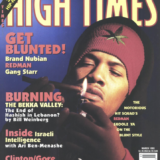
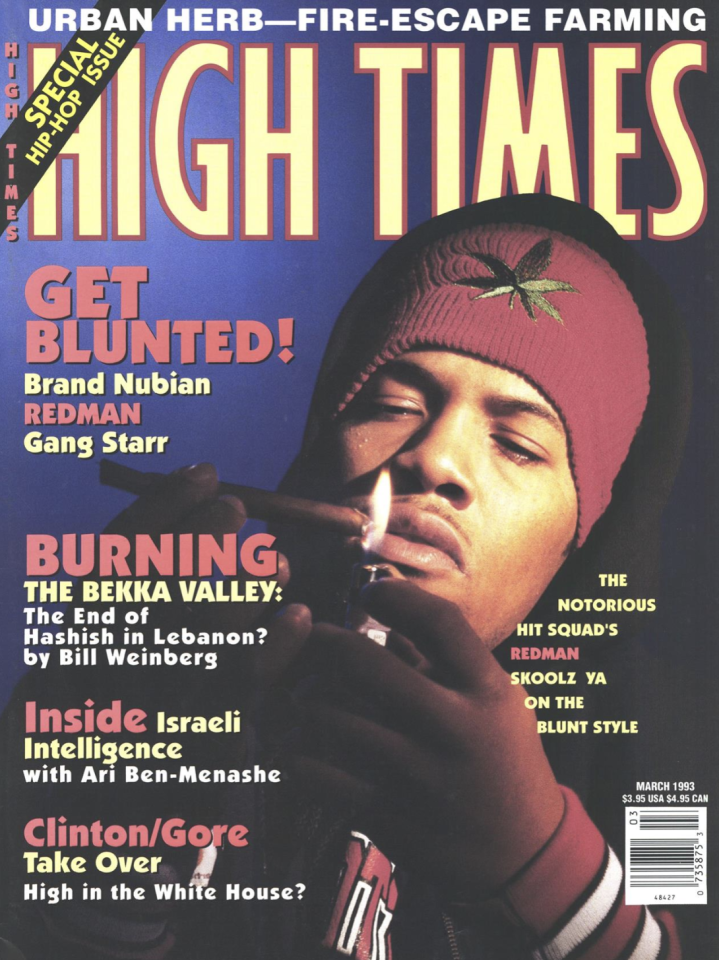
That willingness to stand alongside the plant would go beyond entertainment. In March 1993, Redman appeared on the cover of High Times, rolling a blunt for readers and openly celebrating cannabis. Over the years, Redman has used interviews, public appearances and his platform to challenge misconceptions about cannabis, encourage education and speak about the people affected by prohibition.
Through the United Empowerment Party, Redman says he has advocated for removing cannabis from the federal scheduling system entirely. He argues that changing its classification isn’t enough to address the barriers researchers, consumers and independent businesses face. His position reflects a concern for the people who have maintained relationships with the plant long before legalization created a regulated industry around it.
“You got people in office making rules and regulations and don’t know shit about cannabis or its legacy,” Redman said during our interview. “They don’t know about the moms and pops that’s been putting in work for years.”
For Redman, the issue is not whether cannabis becomes legal, but whether the people who supported the plant through prohibition will have meaningful opportunities in the industry that follows. He believes cannabis policy should reflect a greater understanding of the plant’s economic value and the communities connected to it.
“The goal is to give this plant back to the people,” he explained.
His interest in understanding the plant has also led him to pursue education. Redman says he attended Oaksterdam University in 2008, an experience that reflected his desire to learn about cannabis beyond consumption. That curiosity, combined with decades of influence and advocacy, would become important when he began considering a different kind of contribution to the industry.

For all the years Redman’s name had been tied to cannabis, he had never attached it to a cannabis product. His music introduced people to the culture, his films brought it to new audiences, and his advocacy gave him a voice in conversations about its future. Ownership would put him on the other side of that conversation, where his beliefs about the plant, the people and the business would have to align.
And that meant finding partners who shared them.
Who You Build With Matters
Before Muddy Waters, Matt and Krystal had already spent years building MoyoLove Juice Joint from the ground up. They began with experiments in their own kitchen, where Krystal developed flavors, while Matt introduced the drinks to customers through the music studio he managed in Philadelphia. What started with homemade batches eventually grew into a business that took them to events and retail shelves.
The couple brought different strengths to the operation. Matt’s background in music, communications and grassroots promotion helped introduce their products to new audiences. Krystal brought culinary creativity alongside years of experience in biotechnology and pharmaceutical product development. Her work in scientific research, quality control and scaling formulations gave her an understanding of what it takes to make a beverage at scale.
For Krystal, the creative and scientific sides of her work have always complemented each other. During our interview, she addressed Redman as Doc, the nickname Matt also used throughout our conversation.
“So Doc, your art is music. Matt, your art is music. My art is cooking,” she explained.
She described how her love of food, flavor combinations and culinary experimentation is at the foundation of her formulations, while her scientific background guides decisions about shelf life, reproducibility and production.
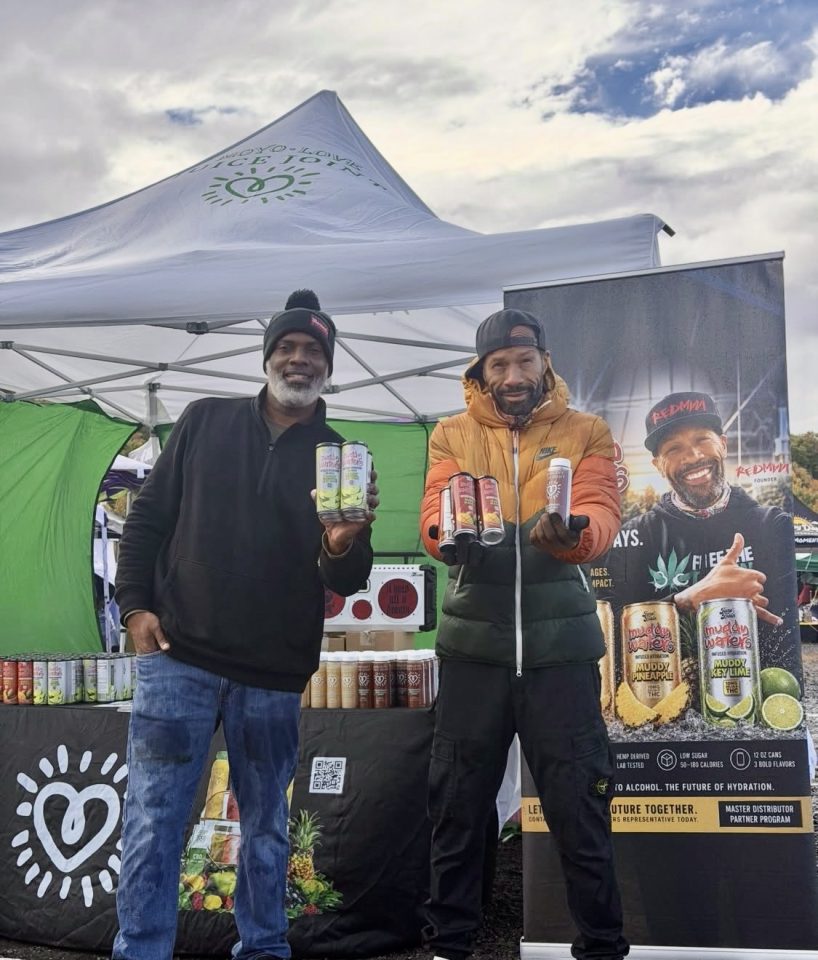
Redman recognized that expertise, but he didn’t base his decision to build with Matt and Krystal on their professional experience alone. He admired their relationship as husband and wife, their work ethic and the faith they shared. Their conversations about family, spirituality and how they treated people built the trust he wanted in a business partnership.
“They get it,” Redman said. “There aren’t many people in life that get it, you know, but they get it.”
He was particularly excited about Krystal’s scientific accomplishments and what he could learn from her.
“It’s an honor to work with sis,” he said. “I’m learning a lot.”
That respect extended to the way the three approached business. Redman compared the partnership to his relationship with Method Man, explaining that their long-running collaboration survived because they protected what they built together rather than letting money or ego divide them.
“We’re not going to compromise our brand for any amount of money,” he said of his partnership with Method Man. “And what I see with Krystal and Matt is the same thing.”
For Matt and Krystal, working with Redman also challenged expectations of what a celebrity partnership might look like. Matt recalled that although Redman was excited from the beginning, he didn’t assume an artist of his stature would personally answer calls, take part in business decisions or consistently make himself available.
But Redman did.
What emerged was a partnership built around shared responsibility, with each person contributing something different. That trust laid the groundwork for the next step: developing a beverage they could all stand behind.
Muddy Waters: From the Album to the Can
For Redman, a cannabis beverage presented an opportunity to explore the plant from a different perspective. He was interested in an alternative method of consumption, and a mutual connection introduced him to Matt and Krystal, who had already been developing cannabis-infused beverages.
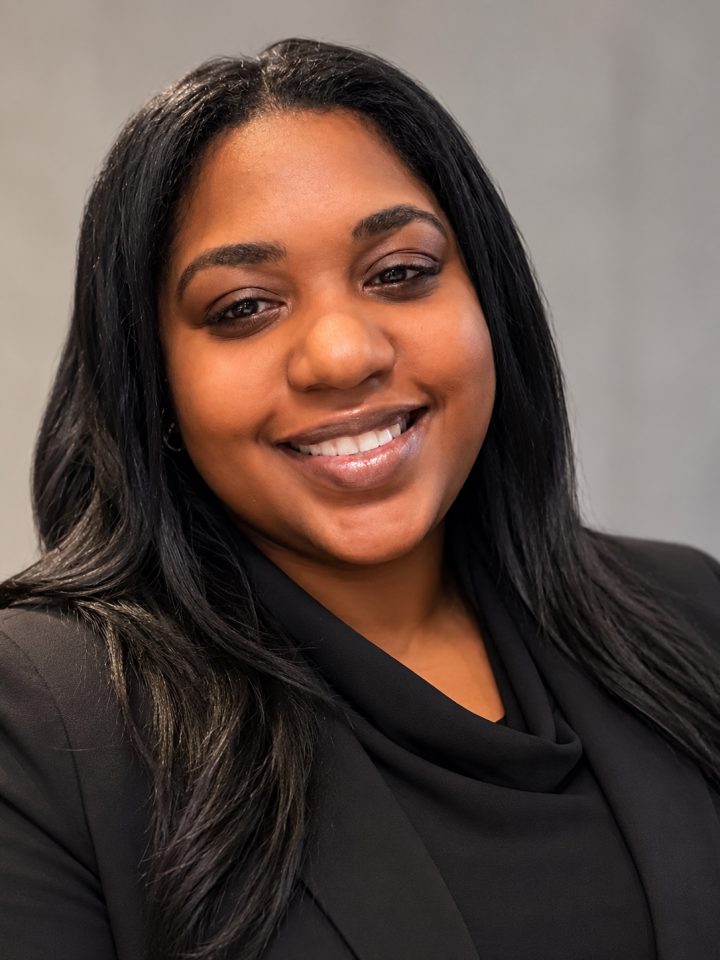
During their first conversation, they discussed Redman’s relationship with cannabis and his music. Matt mentioned the coconut-water recipes they had developed, but Redman wasn’t convinced. He had never enjoyed coconut water. Rather than dismissing the idea, he agreed to try what they were making.
Redman drove from Staten Island to the couple’s Maryland home, where Krystal, eight months pregnant, prepared samples for him to taste. The visit turned into a working session. Redman suggested recipe changes, and the three began shaping a product around flavors he genuinely enjoyed.
“We did a baseline. Doc said, add this, take away that, take away this, add some more of that,” Matt recalled. “So it was really fine-tuned to his palate.”
The experience changed Redman’s opinion of coconut water, but the collaboration also needed an identity. The inspiration had surfaced during that first conversation, when Redman’s 1996 album Muddy Waters came up. Matt immediately recognized the connection. Nearly three decades after its release, the album’s name would find a second life as a cannabis beverage brand, bringing together Redman’s musical history and his first venture into cannabis ownership.
Muddy Waters is a hemp-derived, THC-infused flavored coconut water with 10 mg of THC per can. A non-infused line is also available on the brand’s website. That puts the infused drinks squarely in the path of the federal hemp redefinition taking effect December 11, which will exclude finished hemp-derived products containing more than 0.4 mg of total THC per container from the legal definition of hemp unless Congress acts. Here’s what that deadline means.
Beyond the Name: Showing Up
Some celebrity cannabis partnerships rely on name recognition rather than genuine involvement. Redman is taking a different approach. He’s showing up.
“I consider myself the blue-collar emcee, if you will,” Redman told me. “I’m for the people. I’m a people’s man.”
I’ve seen that firsthand. At NECANN New Jersey, he was engaging directly with the cannabis community. At MJBizCon, where I first met him, he was DJing at a mixer, sharing space with the people who make up the industry rather than keeping his distance from them.
His approach to building Muddy Waters reflects the same philosophy that has guided his music career. He believes the work should earn people’s attention rather than relying on his reputation to secure it.
“I talk to people about the product itself. I don’t do too much of that, ‘Hey, you gotta get my shit. You gotta buy it because of who I am,’” Redman explained.
For Redman, being present also means accepting the responsibilities that come with ownership. The artist who spent decades speaking openly about cannabis now has a business to help build, consumers to listen to and a team whose work carries his name.
“This is the first time I’m putting my name on the line on a product,” he said.
The distinction is significant. Redman could have entered the cannabis marketplace years ago, when celebrity endorsements began becoming commonplace. But with Muddy Waters, he’s chosen to take an active role in building something of his own, with partners he trusts. And rather than treating ownership as an accomplishment in itself, he sees it as an opportunity to keep learning.
His ambitions go beyond the current lineup of drinks. Redman and his partners envision expanding their work, exploring additional products and creating opportunities to educate consumers about cannabis. But he speaks about that future with the understanding that building a business requires patience, especially when the goal is to create something that lasts.
“I’m here for the long run,” he said.
Redman’s journey comes full circle in a product named after an album he released nearly 30 years ago. The young rapper who made cannabis part of his music when the plant was prohibited has watched an entire industry emerge around a culture he never abandoned. Now, he has a place in that industry as an owner, with the opportunity to help shape what comes next.
From a teenager discovering cannabis in Alabama to a Newark rapper bringing the culture into mainstream entertainment, from a High Times cover and Hollywood films to political advocacy and cannabis education, Redman’s journey has unfolded alongside the country’s changing relationship with the plant.
With Muddy Waters, Reggie Noble isn’t leaving behind the music, advocacy or community that shaped his career. He’s carrying those experiences into ownership, alongside partners who share his commitment to the plant and the people connected to it. As Redman put it, “Being challenged produces growth, and that’s what I’m looking forward to: to grow and to be challenged.”