


With a former bank turned dispensary, a Manhattan lease, and a military promise behind the name, Freddy Herrera is testing what it takes to remain independent in legal cannabis.
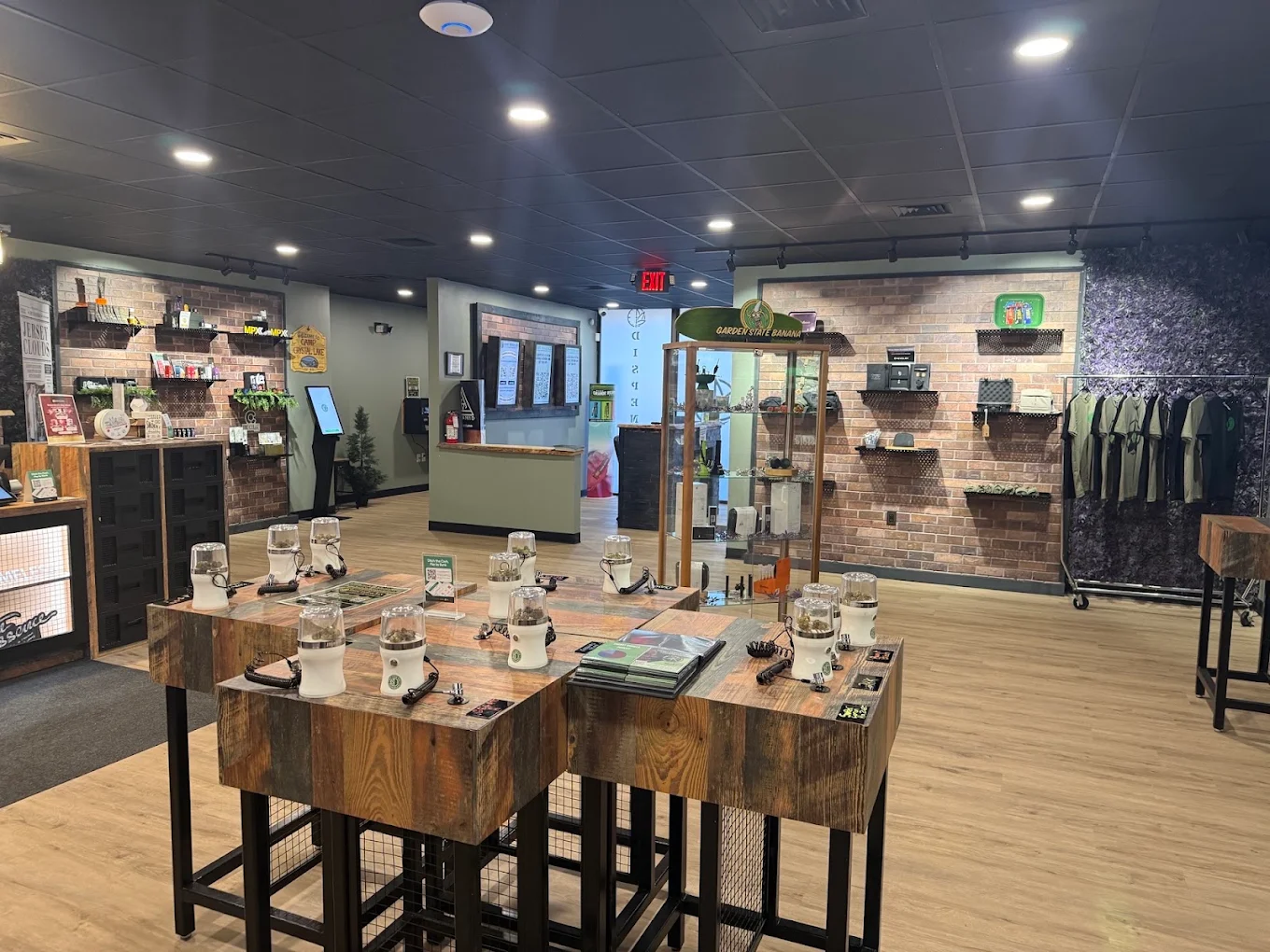
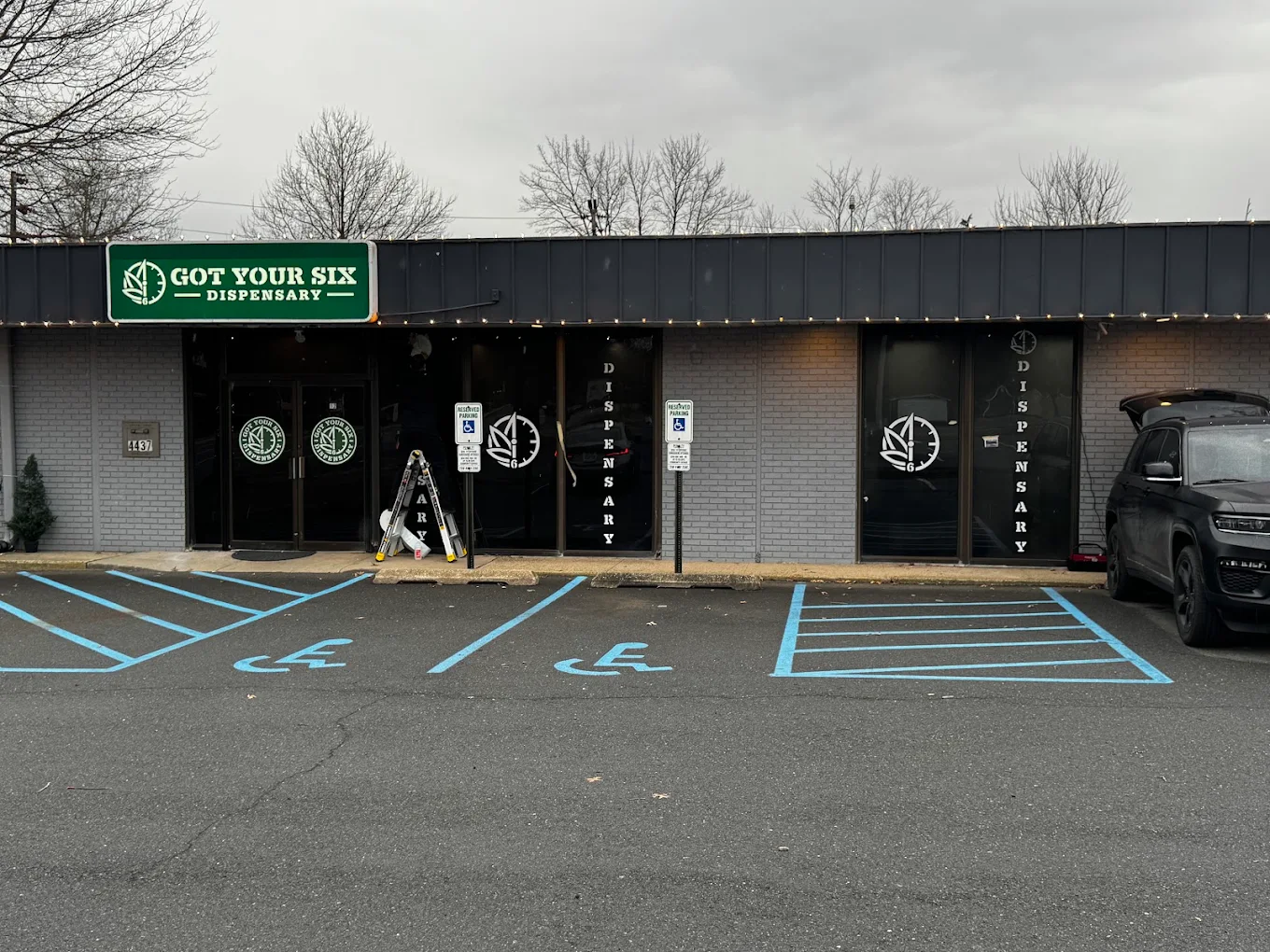
Freddy Herrera managed to turn a former bank into a weed shop. The building in Franklin Township, New Jersey, still has a drive-through lane, which local officials approved for cannabis pickups in October. He’s also signed a lease for a second Got Your Six dispensary in Manhattan. From the outside, it looks like an independent operator on the rise.
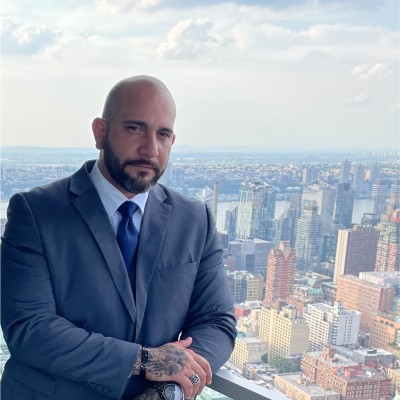
But ask Herrera what makes building a cannabis business difficult, and he doesn’t start with regulators. He starts with the money. Prospective investors, he says, can demand so much control that the person who built the business risks losing the independence they worked for.
Herrera knows something about building. He spent 12 years in the military, worked as an ironworker, and helped construct the retractable roof at the US Open. Now he’s building something of his own, and he’s determined to keep it that way.
From Sunset Park to a Veteran-Owned New Jersey Dispensary
Herrera’s route into cannabis began long before there were licensed storefronts to rent. Growing up in Sunset Park, Brooklyn, he sold nickel bags as a kid, he recalls. His mother caught him and sent him to the Dominican Republic for roughly three years. Later came 12 years in the military, a stint as a federal corrections officer in Brooklyn, and work with Ironworkers Local 580.
He also studied construction management at City Tech and pursued graduate studies in construction administration at Columbia University. Those years matter. Herrera talks about a buildout like a man who knows the work.
A January 2020 trip to Amsterdam got him thinking about opening a shop of his own. Then legalization advanced in New York and New Jersey. He formed Got Your Six in August 2021, secured space at Princeton Marketplace in 2022, and opened for business in August 2024.
The building he really wanted was the former bank near the shopping center’s entrance. Herrera says he set himself a three-year goal to get into it. By August 2025, he had taken over that property. He handled a roughly 12-week buildout himself.
The bank also came with something unusual for a cannabis storefront: a drive-through lane. In October 2026, Franklin Township’s Planning Board approved a plan to reactivate it for preordered cannabis pickups. The window was not yet operational when he spoke to High Times. Even an old bank’s drive-through needs a new set of approvals when the product is weed.

The Promise Behind Got Your Six
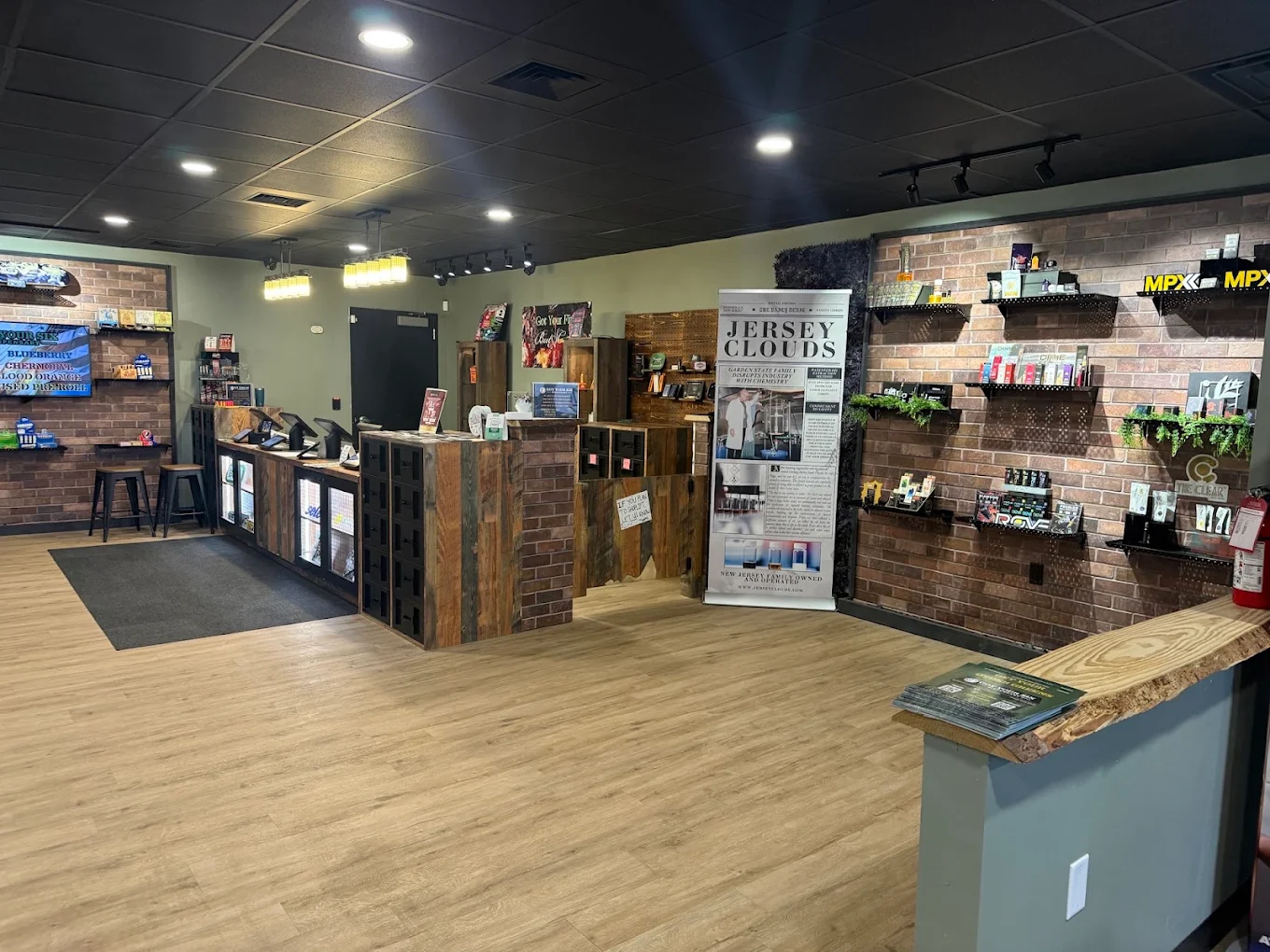
“Got your six” is military shorthand for having somebody’s back, with six o’clock representing the space behind a person or aircraft. Herrera chose the name to signal how he wants customers treated, especially other veterans.
“We’re not here to just sell you recreational stuff,” he says. The goal, in his telling, is to give people information and listen before steering them toward a product. He credits staff training and the work of consultant Sabrina Pontoriero with making that approach possible.
He and employees research brands and try products before committing shelf space. They also solicit outside feedback rather than assuming the owner’s taste should define the menu. Every vendor has a pitch. Herrera wants somebody to check whether the product holds up.
For all his attention to selection, Herrera isn’t precious about his own routine. “I’m just a flower guy,” he says. He likes pre-rolls and reaches for cones when he rolls for himself. He wants the same practical familiarity at the counter.
The veteran connection carries added weight because Herrera hears from people who use cannabis to cope with pain or PTSD symptoms. Those experiences deserve to be heard, but they are not proof of treatment efficacy. The Department of Veterans Affairs recommends against cannabis as a PTSD treatment because of insufficient evidence and potential harms.
The Real Fight Is Who Controls the Money
Ask Herrera about the bureaucratic headaches of opening in New Jersey, and he gives an answer that might surprise people who follow cannabis licensing fights.
“It is not the state’s fault, man. They’re learning. This is a learning curve,” he says. He believes New York and New Jersey regulators have made mistakes, but he also thinks officials are trying to build systems they have never administered before. He points to efforts to prioritize veterans and social equity applicants as signs that the intentions aren’t all bad.
He includes himself among New Jersey operators struggling to make the business work. His bigger concern is what happens after a license is issued. Money can come with demands that leave a supposedly independent owner with less say over the shop than the investor writing the checks.
Herrera is candid about the learning curve on his side, too. “I’ve never ran a store before,” he says. Leading troops, working in corrections, and building steel structures did not teach him everything about retail inventory, vendor payments, or financing.
“If funding was actually available to operators, operators would be a lot better,” he says.
He describes potential backers who, in his view, want too much authority over businesses they didn’t build. “They want to have full control,” he says. For social equity applicants and microbusinesses, he argues, those arrangements can undermine the entire point of opening the industry to people previously kept outside it.
A state can give someone a pathway to a license. It cannot guarantee that person has the capital to survive without surrendering control. Herrera doesn’t dismiss equity programs. He wants them backed by financing options that let ownership actually mean something.
Herrera’s idea of community extends beyond the people who pass through a checkout line. For store anniversaries and Veterans Day events, he says, he brings in food trucks and makes the food available to everyone, including people who don’t buy cannabis. He talks about games, local police associations, and a fundraiser supporting fencing for a South Brunswick baseball team.
The gestures are ordinary neighborhood stuff: a free plate, a local team, a reason to stop by without shopping. Dispensaries still have to earn a place in towns where cannabis commerce is relatively new.
“I have not had any issues with Franklin Township,” Herrera says. He calls the municipality welcoming, and local reporting has documented the shop’s veteran-focused community efforts.
He wishes New Jersey retailers had more ways to show up beyond their storefronts. In New York, licensed operators can apply for Cannabis Showcase Event permits to participate in approved pop-ups and farmers’ markets. Herrera sees that model as a way to connect operators, growers, and customers without making every interaction a trip to a dispensary. New Jersey, meanwhile, has begun licensing consumption areas, another sign that the two neighboring states are building different cannabis cultures.
Herrera now has a Manhattan address in his sights. A November 2026 real estate report confirmed Got Your Six signed a lease at 256 West Street in Tribeca. The location is a bigger stage, but it won’t erase the problems he describes in New Jersey.
Herrera has figured out how to turn a former bank into a weed shop. Finding capital that doesn’t cost him the keys may be the harder renovation.