






Curing cannabis isn’t a passive waiting period — it’s an environmental process that dictates moisture loss, terpene retention, and chemical stability. Dialing in humidity, temperature, and airflow determines flavor, bag appeal, and the overall smoking experience, shaping how cannabinoids mature and whether the burn lands smooth or harsh. You can grow top-tier flower, but if the cure is off, that’s where it falls apart.
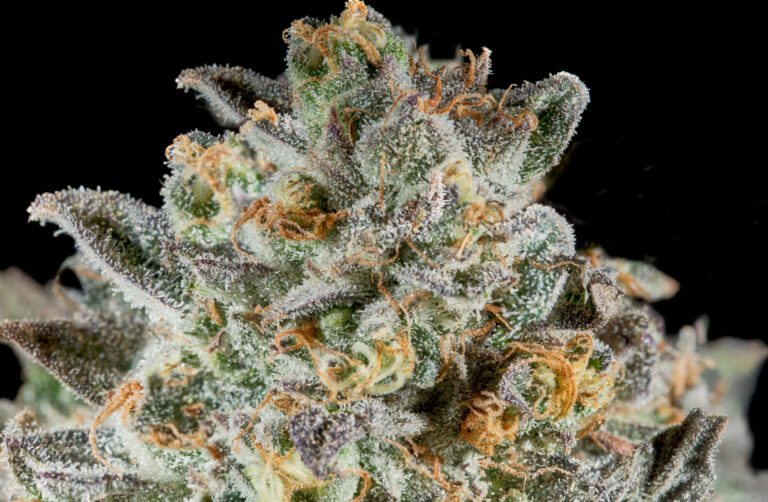
Photo by: Gina Coleman/Weedmaps
Image lightbox
Curing determines how cannabis performs after harvest. Improper conditions degrade terpenes, dry out trichomes, and create uneven combustion. Excess moisture leads to mold, while overly dry environments lock in harshness and strip flavor.
A controlled curing environment regulates moisture migration, stabilizes chemical composition, and preserves the compounds responsible for aroma and effects.
What curing actually does
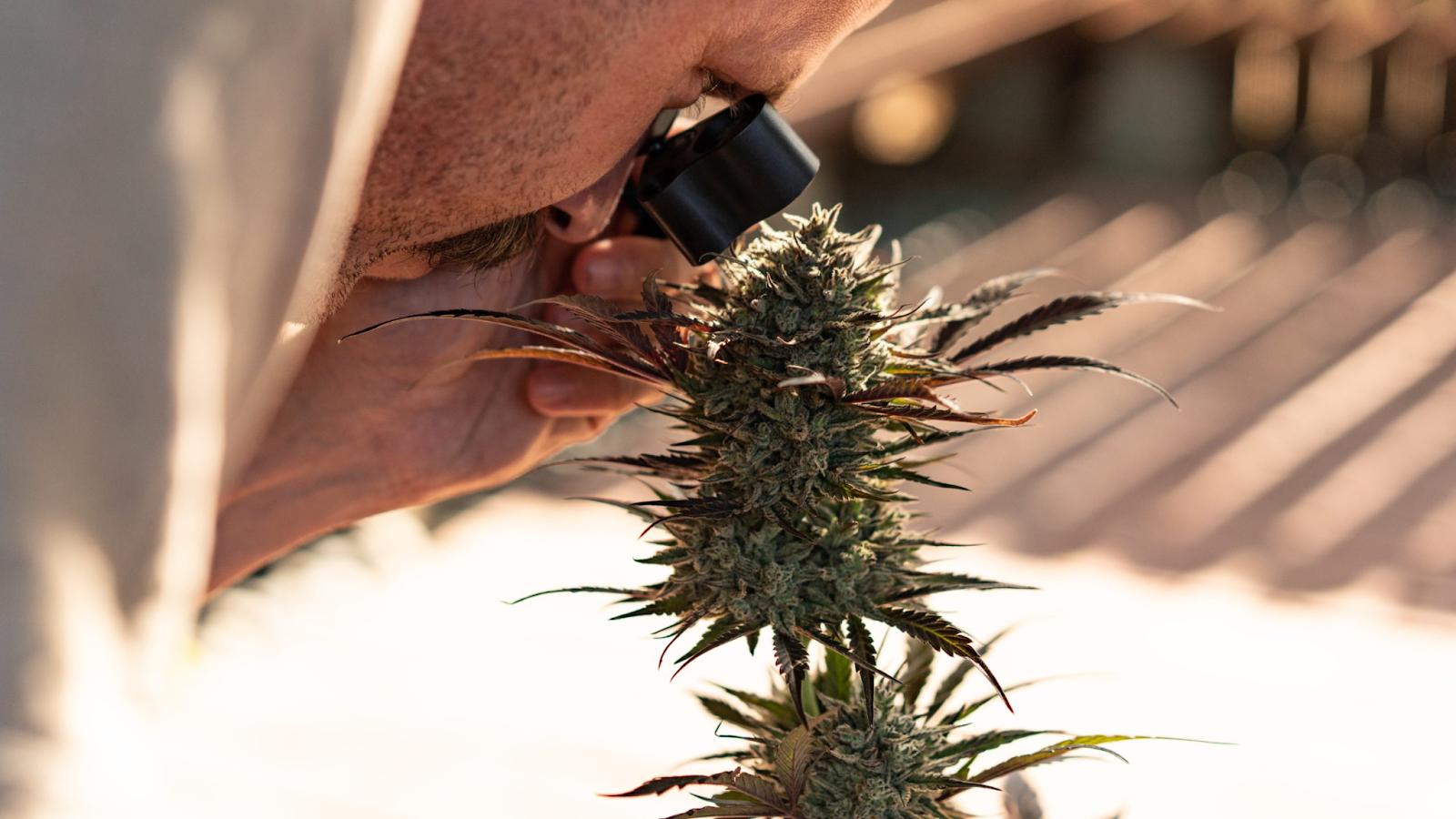
Photo by: Gina Coleman/Weedmaps
Image lightbox
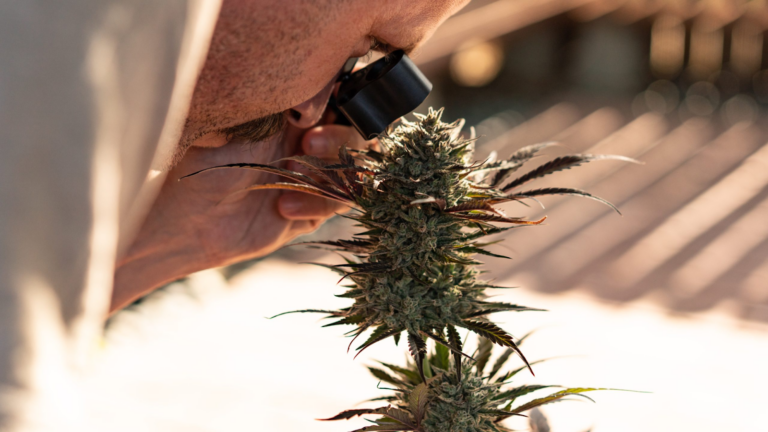
Curing is a controlled drying and stabilization process.
After harvest, moisture moves from the center of the bud outward. At the same time, residual chlorophyll and sugars begin to break down. This process reduces harshness and allows terpene profiles to become more defined.
Without proper environmental control, this process becomes uneven — leading to poor flavor, inconsistent burn, and reduced potency.
Humidity: controlling moisture migration
Humidity determines how quickly moisture leaves the flower.
High relative humidity traps internal moisture and creates conditions for mold growth. Humidity that is too low dries the outer layer too quickly, sealing moisture inside and preventing proper curing.
A stable humidity range allows moisture to move gradually from the center of the bud to the surface. This prevents overdrying while ensuring the interior cures evenly.
Consistent humidity is the foundation of proper curing.
Temperature: preserving volatile compounds
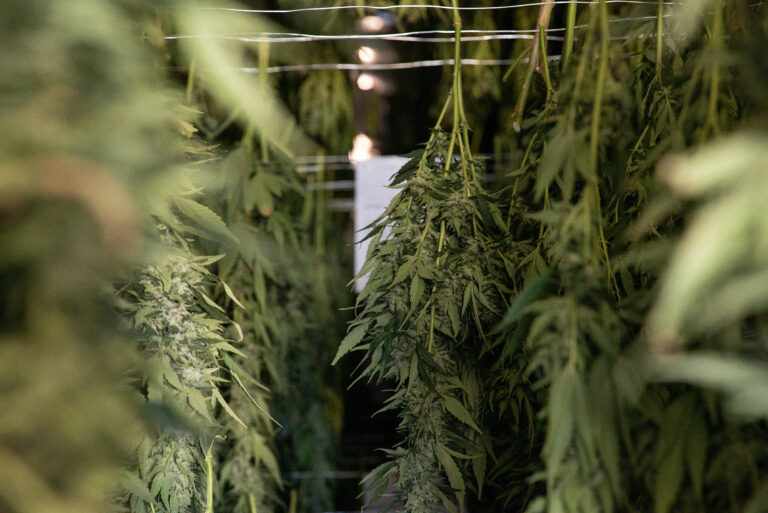
Photo by: Gina Coleman/Weedmaps
Image lightbox
Temperature controls how quickly chemical changes occur during curing.
Higher temperatures accelerate terpene evaporation and cannabinoid degradation. Heat increases volatility, causing aromatic compounds to dissipate before they stabilize.
Lower, stable temperatures slow these reactions and preserve terpene content. This maintains flavor complexity and prevents premature degradation of cannabinoids.
Temperature stability matters as much as the temperature itself.
Gas exchange and airflow dynamics
Curing depends on controlled gas exchange.
As cannabis cures, it releases moisture and gases. Without airflow, these compounds accumulate, increasing humidity and creating conditions for microbial growth.
At the same time, excessive airflow removes moisture too quickly and disrupts the curing process.
Proper airflow removes excess moisture and gases while maintaining a stable internal environment. This balance prevents mold without overdrying the flower.
How poor environments affect quality
Uncontrolled environments degrade cannabis quickly.
High humidity leads to mold and microbial growth. Low humidity causes brittle flower and terpene loss. Elevated temperatures break down cannabinoids and flatten aroma.
Poor airflow traps moisture and creates uneven curing, which results in harsh smoke and inconsistent burn.
Each variable interacts with the others. When one falls out of range, overall quality declines.
Flavor development and terpene preservation
Terpene retention depends on environmental stability.
Volatile compounds evaporate under heat and airflow stress. Rapid drying strips aromatic compounds before they stabilize within the flower.
Controlled curing slows moisture loss and protects terpene structure, allowing flavor to develop fully.
The result is a more complex aroma and a smoother smoking experience.
Shelf life and long-term stability
Proper curing extends shelf life.
Stable moisture levels prevent the flower from becoming overly dry or susceptible to mold. Controlled temperature and humidity slow chemical degradation, preserving both potency and flavor over time.
Poorly cured cannabis degrades faster, losing both effectiveness and sensory quality.
Practical environment control
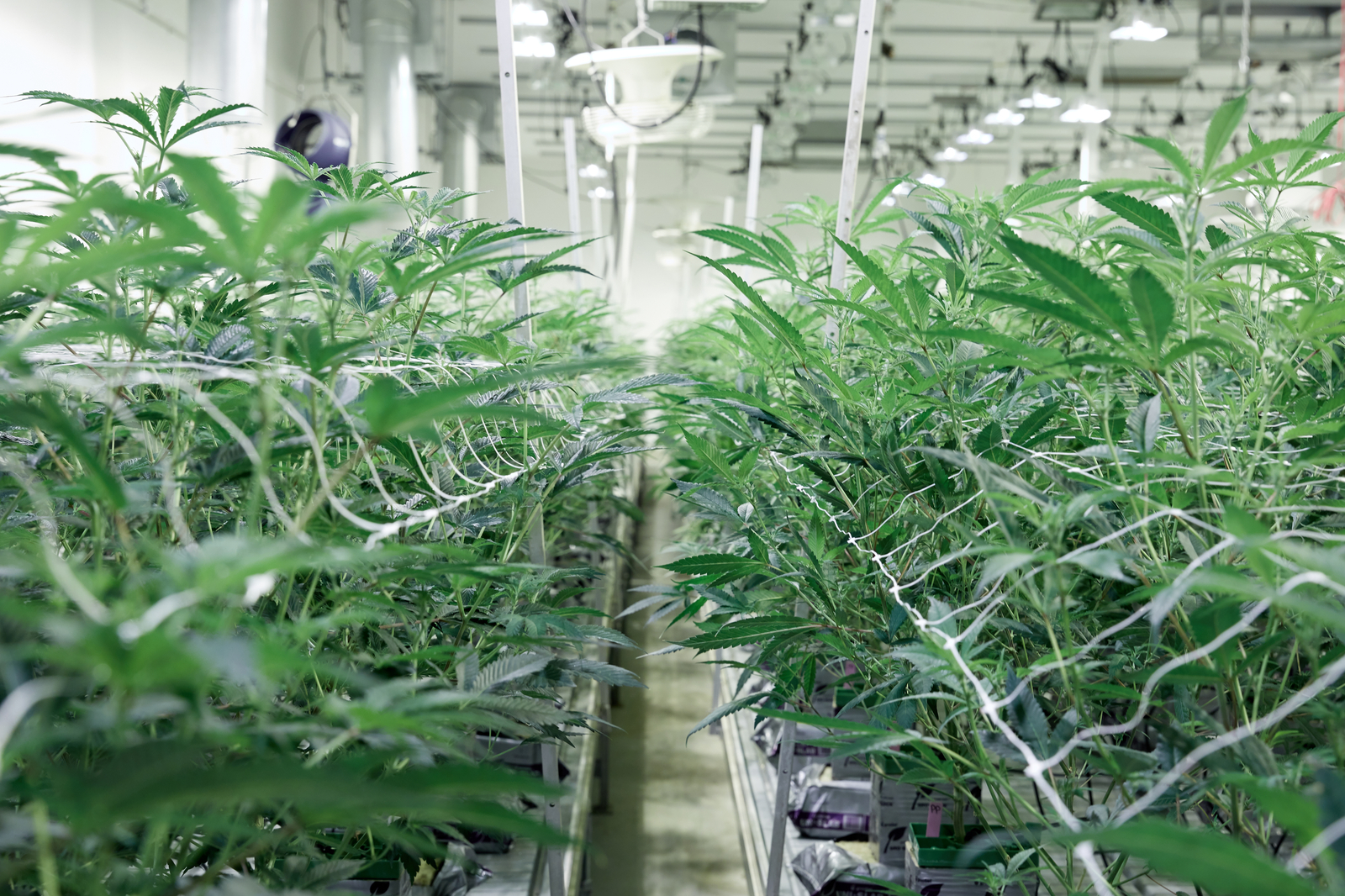
Photo by: Gina Coleman/Weedmaps
Image lightbox
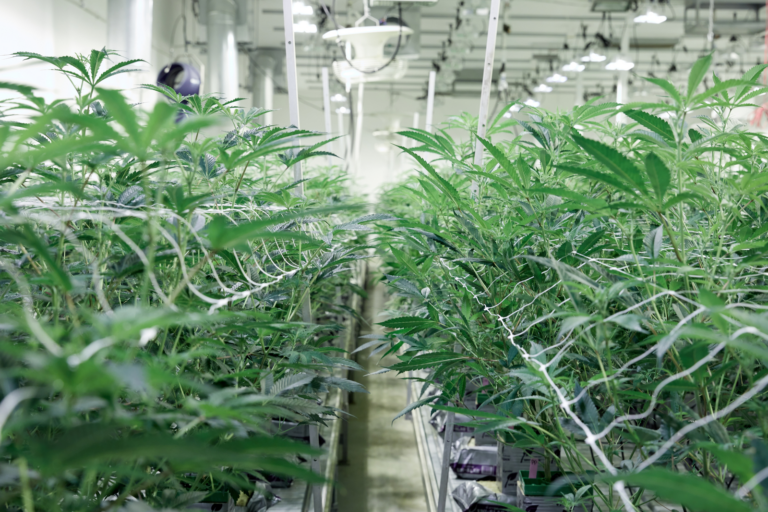
Effective curing requires consistency across all variables.
- Maintain stable humidity to regulate internal moisture
- Keep temperatures low enough to preserve volatile compounds
- Allow controlled airflow to remove excess moisture without drying too quickly
Environmental stability matters more than constant adjustment.
The bottom line

Curing isn’t a waiting game—it’s a controlled environment where humidity, temperature, and airflow decide how the flower finishes.
These variables drive moisture migration, terpene retention, and chemical stability, shaping flavor, bag appeal, and how the smoke actually lands. When everything’s dialed, you get smooth pulls, loud aroma, and shelf life that holds. Miss the balance, and even great flower falls flat.
Find high-quality cannabis products near you on Weedmaps.
The post Optimizing cannabis curing environments: humidity, temperature, and gas exchange dynamics appeared first on Weedmaps.